

America at 250: Trump’s White House Faces Monarchy Comparisons/ Newslooks/ WASHINGTON/ J. Mansour/ Morning Edition/ As the United States celebrates the 250th anniversary of its independence, President Donald Trump’s broad use of executive power has reignited debate over the limits of presidential authority. Supporters view his actions as fulfilling his electoral mandate, while critics argue they echo the centralized power the nation rejected during the American Revolution.
Trump Executive Power Quick Looks
- America’s 250th anniversary has renewed debate over presidential authority.
- Trump has expanded executive powers across multiple areas of government.
- Critics compare aspects of his presidency to monarchical rule.
- Supporters argue he is exercising powers granted by voters and the Constitution.
- The Supreme Court continues to shape the limits of presidential authority.
- Questions over executive power are expected to remain central through the 2026 celebrations.
Deep Look
America’s 250th Anniversary Revives Debate Over Presidential Power
As the United States commemorates 250 years since declaring independence from the British monarchy, President Donald Trump’s second term has intensified national debate over the balance of executive authority and constitutional limits.
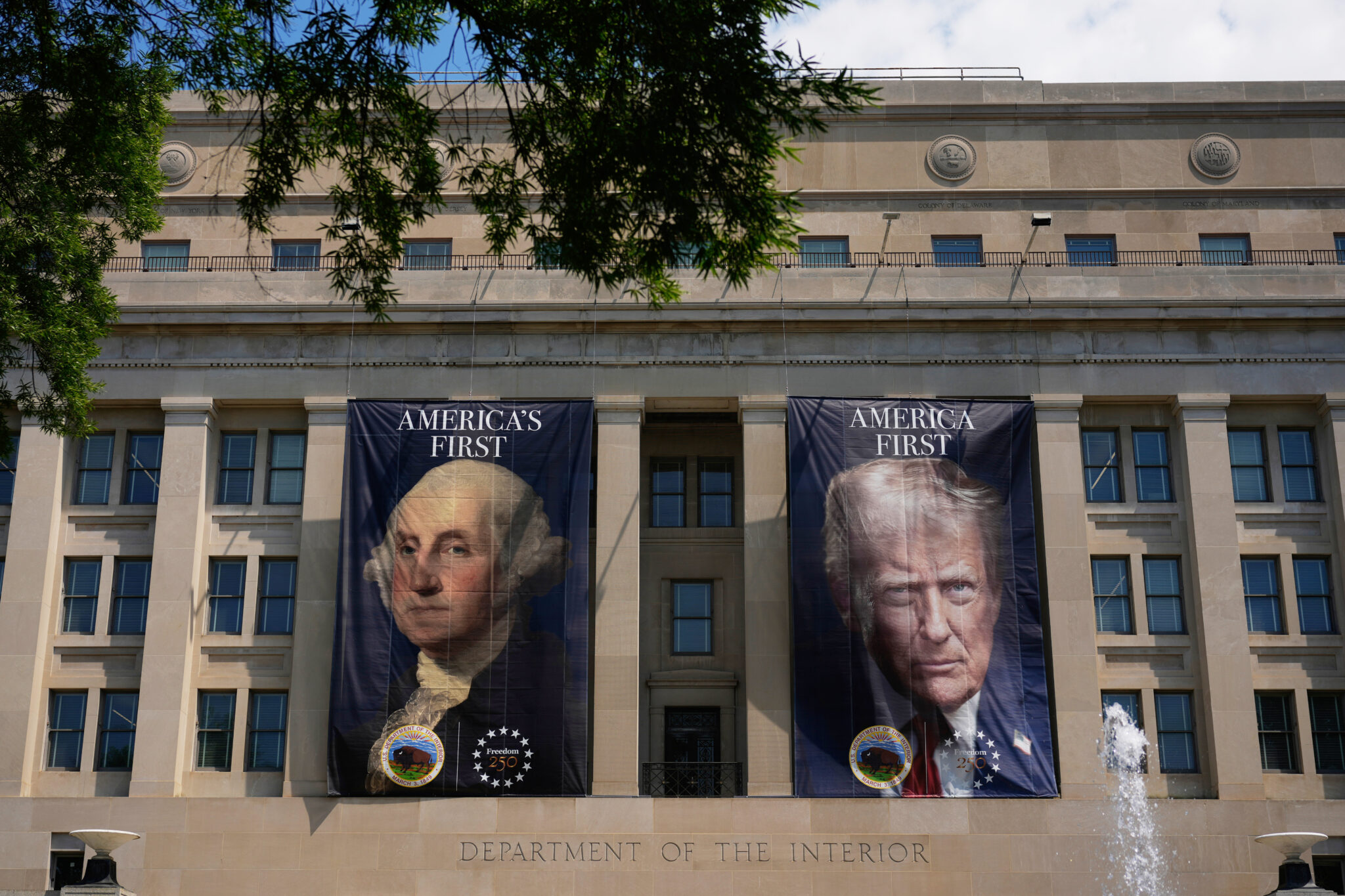
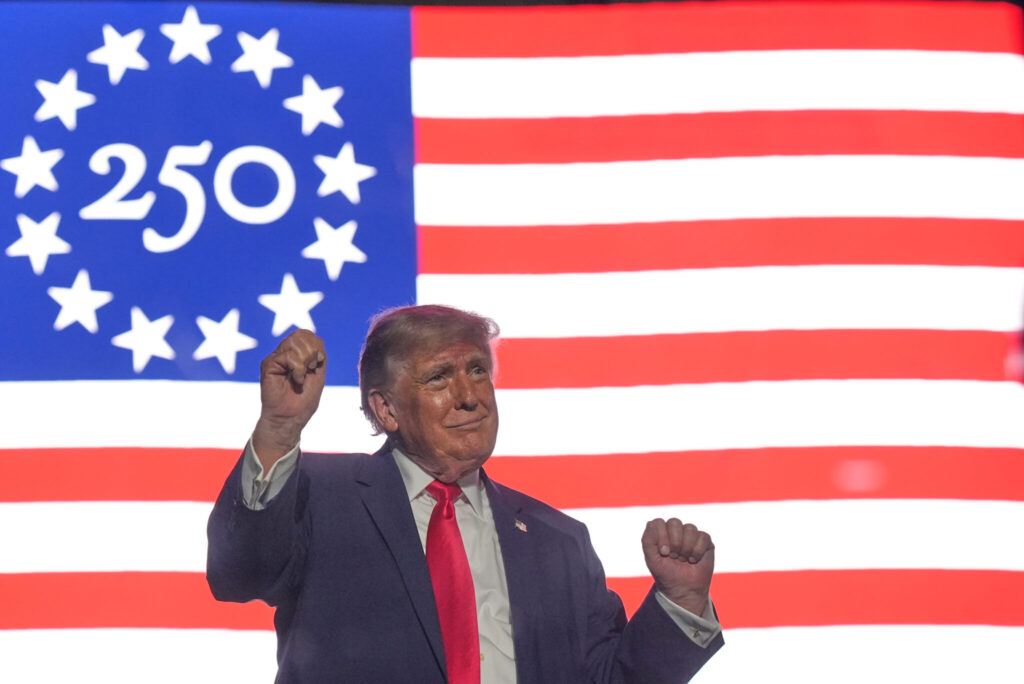
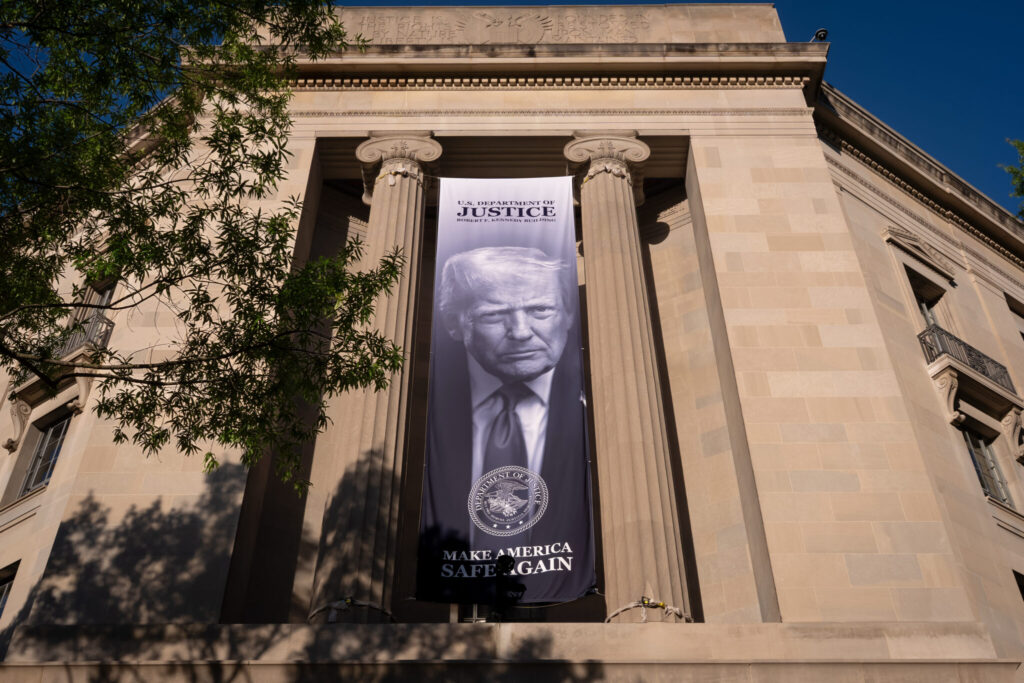
The anniversary celebrations began with a campaign-style rally on Washington’s National Mall, underscoring Trump’s central role in the nation’s political landscape. His image now appears prominently on banners displayed across federal buildings in the capital, symbolizing what supporters view as strong leadership and what critics see as an increasingly personalized presidency.
For many observers, the milestone has become not only a celebration of American independence but also a reflection on the founders’ concerns about concentrated political power.
Critics Draw Historical Comparisons
Since returning to office in January 2025, Trump has pursued an expansive view of presidential authority.
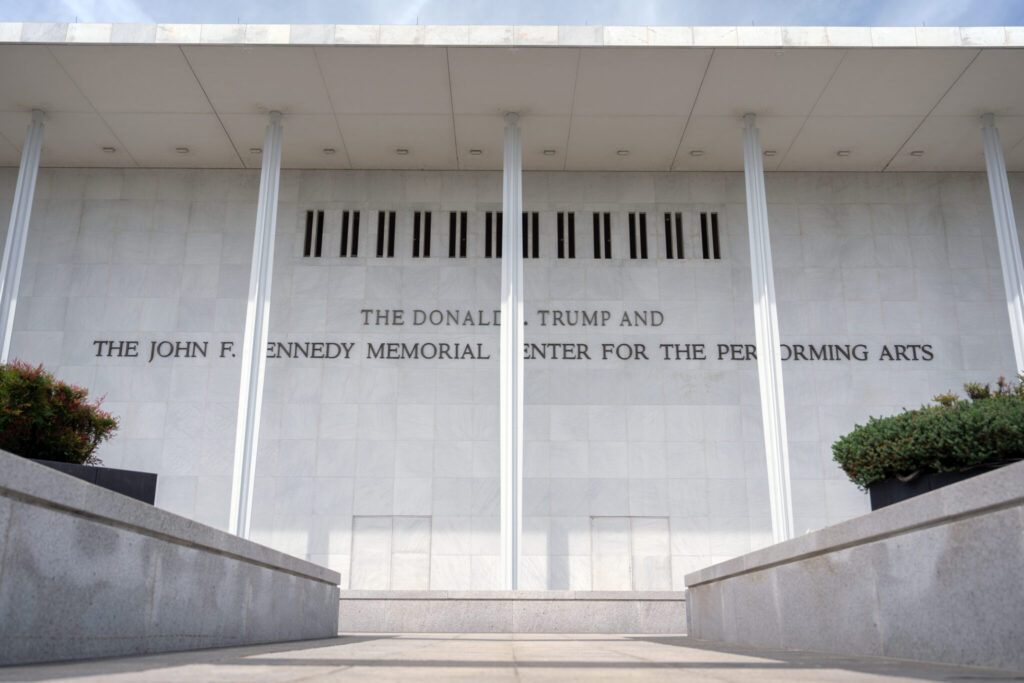
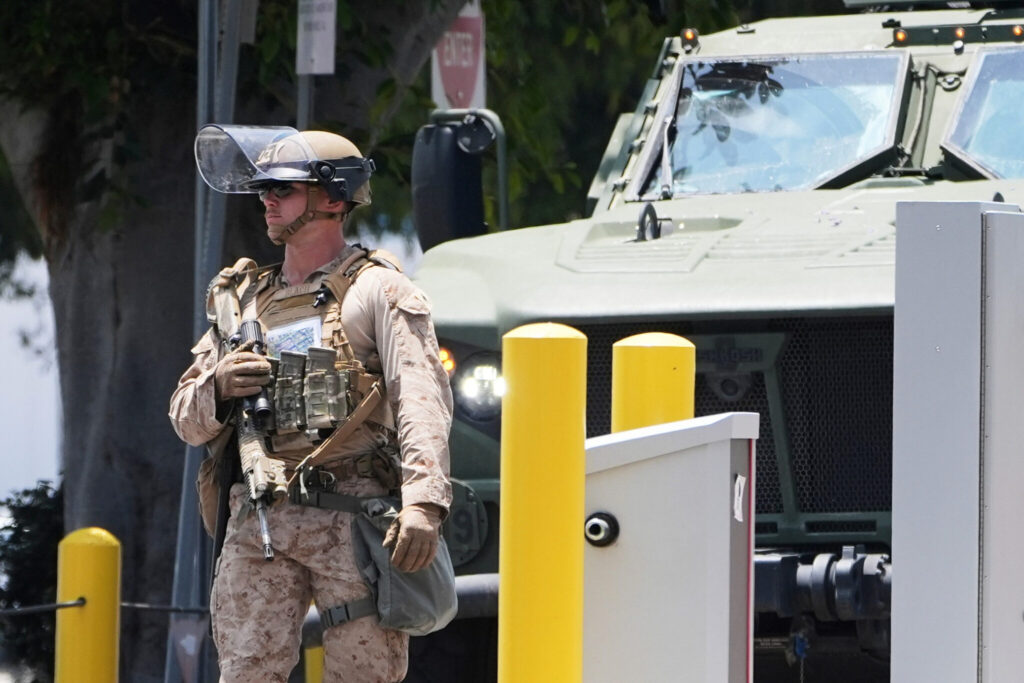
Among his actions, he has nominated a longtime personal attorney to serve as attorney general, directed the Justice Department to investigate political opponents, deployed U.S. Marines domestically, challenged the authority of independent federal agencies, pursued lawsuits against media organizations, and promoted projects that prominently feature his own name.
The administration’s role in organizing America’s 250th anniversary has also drawn attention. While Congress established a bipartisan commission to coordinate commemorative events, Trump’s own celebrations have largely overshadowed that effort, including plans for another National Mall rally on Independence Day.
The comparisons to King George III—the British monarch whose rule helped spark the American Revolution—have become a recurring theme among critics.
Trump has repeatedly rejected those characterizations.
“I’m not a king,” he said during an interview earlier this year.
“If I was a king, I wouldn’t be dealing with you.”
Historians See Familiar Political Themes
Historians note that accusations of presidents acting like monarchs have appeared throughout American history.
Julian Zelizer, a presidential historian at Princeton University, argues that the debate surrounding Trump reflects broader questions about executive power rather than simply political rhetoric.
“It’s more about how he imagines who is he and what the presidency is,” Zelizer said.
“We’re celebrating founding principles, and that was a driving issue — fears of how a centralized power can be corrupted. And here we are again.”
Trump himself has occasionally embraced royal imagery.
Earlier this year, after ending a New York City transportation program, he posted:
“LONG LIVE THE KING.”
When King Charles III visited the White House, an official administration social media account shared a photo of both leaders captioned:
“TWO KINGS.”
Executive Authority Continues to Face Court Challenges
Although Republicans control Congress, the federal courts have become the primary arena for disputes over executive authority.
The Supreme Court’s conservative majority has issued several rulings supporting broader presidential powers, including a landmark decision recognizing significant presidential immunity from criminal prosecution for official acts.
At the same time, the Court has also imposed limits.
It has temporarily blocked efforts to remove certain independent federal officials and ruled that some major policy actions—including aspects of Trump’s global tariff program—required congressional authorization.
Constitutional scholar John Yoo argues these decisions demonstrate that presidential authority remains constrained.
“The presidency today, even when colored by President Trump’s worst excesses, is not a monarchy,” Yoo said.
Trump Defends Broad Presidential Powers
Trump has consistently argued that the Constitution grants wide latitude to the presidency.
During his first term, he referenced Article II while stating:
“I have the right to do whatever I want as president,”
adding that it
“gives me all of these rights at a level nobody has ever seen before.”
More recently, he described the primary limit on presidential authority as:
“my own morality. My own mind. It’s the only thing that can stop me.”
At the same time, Trump has rejected suggestions that his governing style is authoritarian.
“I’m not a dictator,” he told reporters.
Asked whether he was concentrating power in the presidency, Trump responded:
“I don’t think so. I think I’m using it properly, and I’m also using it as per my election.”
Financial Interests Also Draw Scrutiny
Trump’s expanding business interests have generated renewed ethics debates during his second administration.
Critics point to cryptocurrency ventures, private lawsuits involving federal agencies, and ongoing questions surrounding conflicts of interest involving businesses connected to the president and his family.
Historian Zelizer believes those financial relationships distinguish Trump’s presidency from previous administrations.
“We have not seen a person who has a business operation of this scale and scope benefiting directly from the decisions he makes,” Zelizer said.
Justice Department Actions Face Criticism
The Justice Department has also become a focal point of controversy.
Trump has publicly urged federal prosecutors to investigate political opponents and has repeatedly criticized prosecutors and judges whose decisions have gone against him.
One social media message demanded:
“JUSTICE MUST BE SERVED, NOW!!!”
Subsequent prosecutions involving several political figures fueled accusations that the traditional separation between the White House and the Justice Department has weakened.
The administration rejects those criticisms, maintaining that its actions are consistent with enforcing federal law.
America’s Constitutional Debate Continues
As America enters its 250th year, questions surrounding presidential authority remain central to the nation’s political conversation.
Supporters argue Trump is exercising powers granted by voters and the Constitution to implement his agenda.
Critics counter that his actions represent an unprecedented expansion of executive authority that challenges long-standing democratic norms.
With additional legal battles, Supreme Court decisions and national celebrations still ahead, the debate over the scope of presidential power appears likely to remain one of the defining issues of America’s semiquincentennial year.



You must Register or Login to post a comment.