

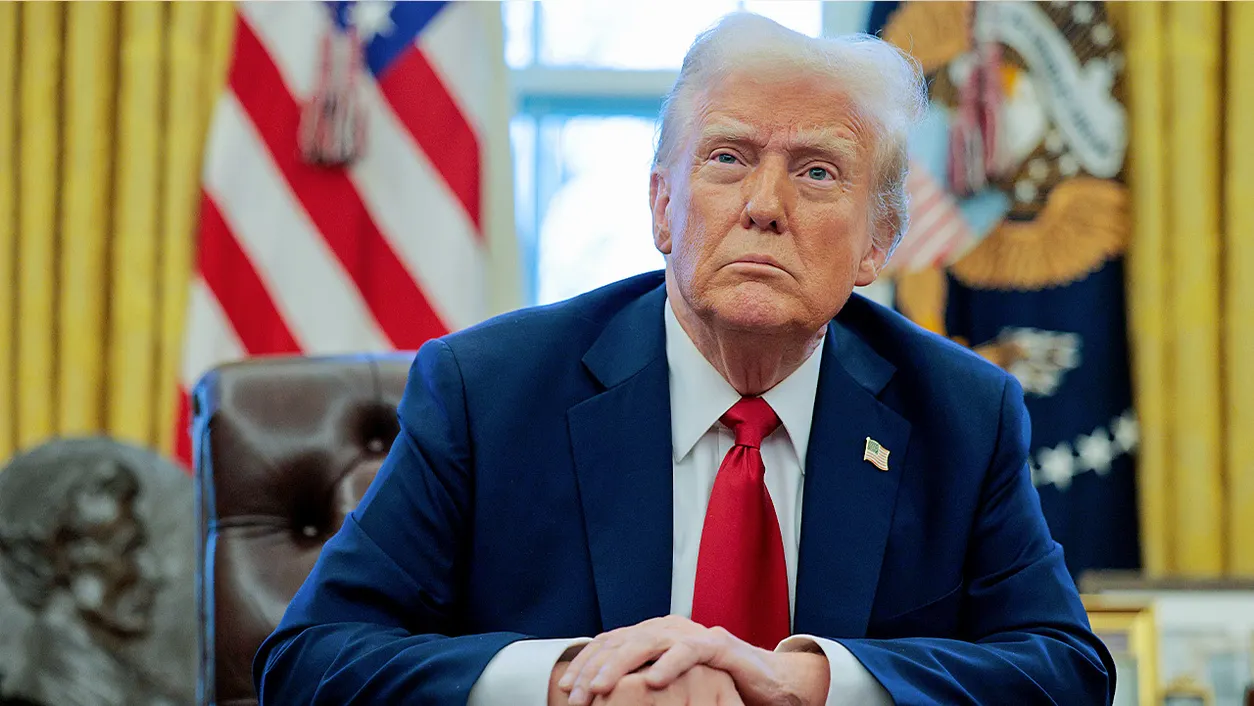
Trump Says Iran Requested Meeting, Tehran Denies Talks Scheduled/ Newslooks/ WASHINGTON/ J. Mansour/ Morning Edition/ President Donald Trump said Iran requested a meeting with U.S. officials in Qatar, but Iranian authorities denied any talks have been scheduled. The conflicting statements come as tensions remain high following recent military exchanges in the Strait of Hormuz and ongoing efforts to preserve a fragile interim agreement.
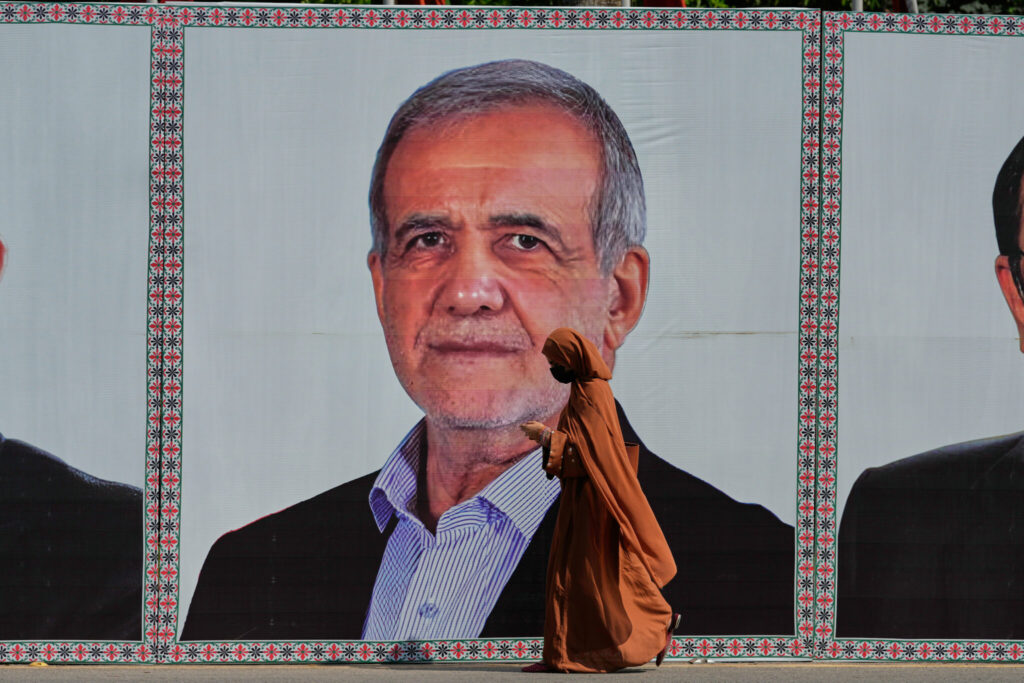
Trump Iran Talks Quick Looks
- Trump says Iran requested a meeting with U.S. officials.
- Iranian negotiators deny any talks have been scheduled.
- Trump says discussions would take place Tuesday in Doha, Qatar.
- Iran’s president says $6 billion in frozen assets will be released from Qatar.
- U.S. officials have not confirmed any asset transfer.
- Military tensions continue near the Strait of Hormuz.
- Technical negotiations remain uncertain after recent attacks.
Deep Look
Conflicting Messages Cloud Future of U.S.-Iran Negotiations
Uncertainty surrounding negotiations between the United States and Iran intensified Monday after President Donald Trump announced that Tehran had requested a meeting with American officials, while Iranian authorities quickly denied that any talks had been scheduled.
The conflicting statements come as both countries attempt to preserve an increasingly fragile interim agreement following several days of military confrontations in and around the Strait of Hormuz.
Iranian officials, however, disputed that claim, insisting no formal negotiations had been arranged.
Fragile Ceasefire Faces New Challenges
The latest confusion follows renewed violence across the Persian Gulf that has threatened to derail diplomatic efforts aimed at ending months of conflict.
The United States has been trying to maintain the interim agreement while Iran continues to challenge international shipping through the Strait of Hormuz.
The waterway remains one of the world’s most critical energy corridors, carrying roughly one-fifth of globally traded oil and natural gas during normal conditions.
Recent Iranian attacks on commercial vessels near Oman’s territorial waters prompted retaliatory U.S. airstrikes, while drone and missile attacks targeting Bahrain and Kuwait further heightened regional tensions.
Those incidents have significantly disrupted commercial shipping and raised concerns over global energy supplies.
Iranian President Highlights Frozen Assets
Earlier Monday, Iranian President Masoud Pezeshkian sought to reassure the Iranian public about the interim agreement by announcing that billions of dollars in frozen assets held in Qatar would soon be released.
Pezeshkian described the agreement in positive terms.
“a great victory for the Iranian people.”
He added:
“Based on the plans made, $6 billion out of the total $12 billion of Iranian resources in Qatar will be released and returned to the country, and necessary follow-ups are being carried out,” he said.
The Iranian president did not provide additional details regarding the expected transfer.
His comments marked the highest-level acknowledgment from Tehran regarding the reported release of Iranian funds held in Qatar, which has played a key mediation role alongside Pakistan.
However, U.S. officials continue to say that no frozen Iranian assets have been released.
Qatari authorities also have not publicly confirmed any transfer.
Shipping Crisis Continues
The announcement comes as maritime traffic through the Strait of Hormuz remains heavily disrupted.
Iran has repeatedly challenged international navigation by attacking vessels using routes near Oman’s territorial waters.
The attacks have slowed cargo movement through one of the world’s busiest shipping lanes and contributed to concerns about rising global energy prices.
For President Trump, continued instability in the region threatens broader economic goals, including efforts to convince American voters that inflation is easing.
Iran Rejects Reports of Technical Talks
While Pakistan has indicated that negotiations could resume Tuesday, Iranian officials insist no such meetings have been finalized.
Senior Iranian negotiator Kazem Gharibabadi rejected media reports suggesting lower-level technical discussions would take place in Doha.
“Although consultations with Qatar, including on following up on the implementation of the other side’s commitments, are continuing as usual, reports by some media about technical talks by the working groups being held in Doha are not confirmed,” he said.
Technical negotiations typically involve diplomats and policy experts working through the detailed provisions of larger political agreements before senior leaders meet.
Diplomatic Outlook Remains Unclear
The contradictory statements from Washington and Tehran illustrate the uncertainty surrounding efforts to transform the current interim understanding into a permanent agreement.
Although both governments continue to publicly support diplomacy, recent military exchanges, shipping disruptions and conflicting public messaging have cast doubt over the immediate future of negotiations.
Whether talks ultimately proceed in Doha may determine if both sides can prevent the renewed crisis in the Persian Gulf from escalating into broader regional conflict.






You must Register or Login to post a comment.