

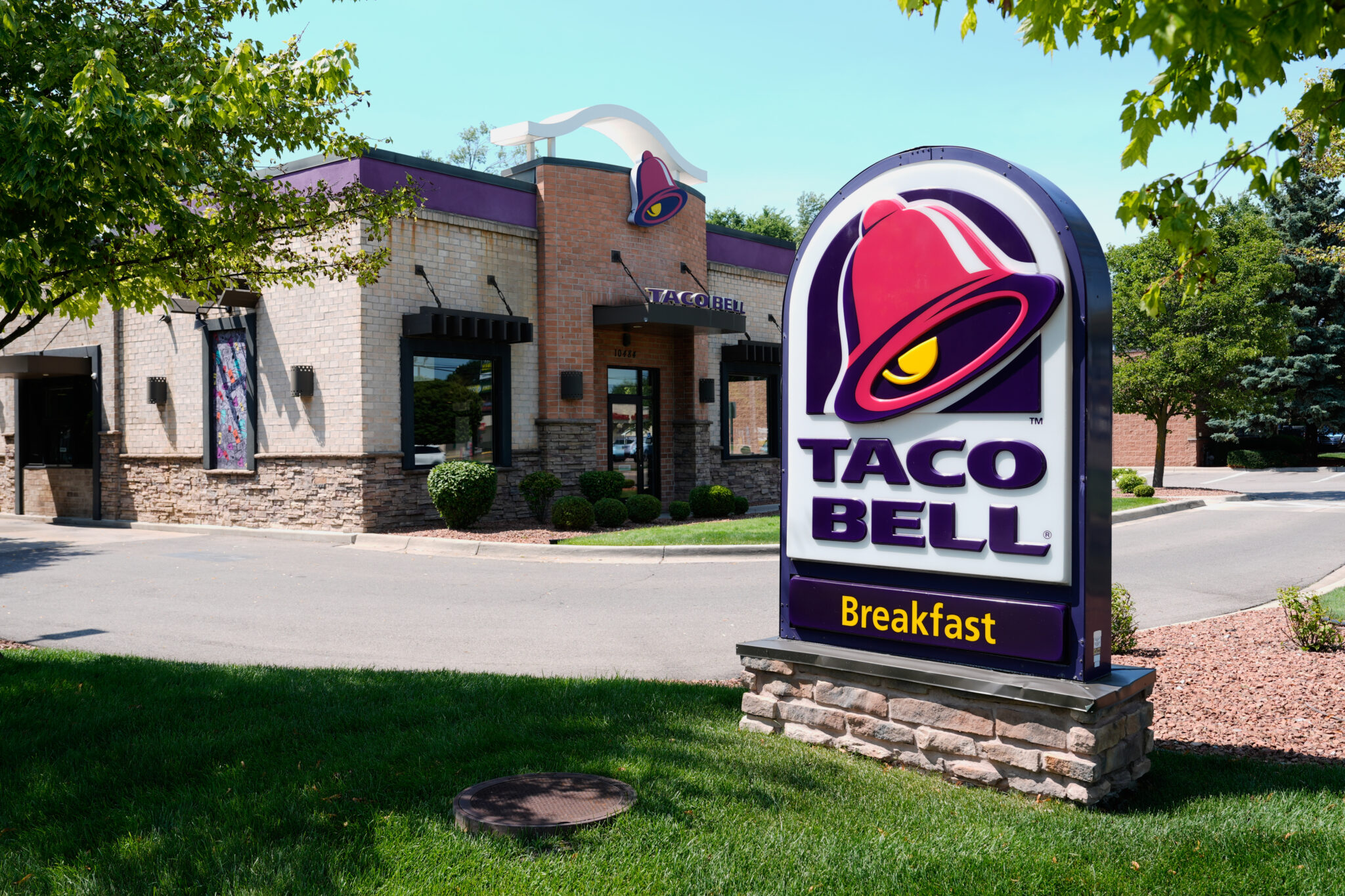
Taco Bell Shredded Iceberg Lettuce Linked to Cyclospora Outbreak in 5 States/ Newslooks/ WASHINGTON/ J. Mansour/ Federal health officials linked shredded iceberg lettuce served at Taco Bell restaurants in five states to a widespread cyclospora outbreak. The CDC warned customers in Indiana, Kentucky, Michigan, Ohio and West Virginia not to eat the affected lettuce. More than 5,000 cases have been reported in Michigan, while Taco Bell said it would remove the supplier’s lettuce from its nationwide supply chain.
Quick Look
- Federal officials linked shredded iceberg lettuce from Mexico to cyclospora infections.
- The lettuce was served at Taco Bell restaurants in five states.
- The affected states are Indiana, Kentucky, Michigan, Ohio and West Virginia.
- The FDA’s investigation traced the lettuce to a single supplier.
- An official identified the supplier as Taylor Farms of Salinas, California.
- Taco Bell said it would indefinitely remove the supplier’s lettuce from its nationwide supply chain.
- Officials are investigating whether contaminated lettuce remains available in other states.
- More restaurants, retailers, brands or distribution channels could be identified.
- Michigan has reported more than 5,000 cases and over 100 hospitalizations.
- More than 2,000 probable and suspected cases have been reported elsewhere.
- No deaths have been reported.
- Cyclospora commonly causes prolonged watery diarrhea and is typically treated with antibiotics.
Deep Look
Taco Bell Lettuce Linked to Cyclospora Outbreak
ATLANTA — Federal health officials have identified shredded iceberg lettuce from Mexico served at Taco Bell restaurants in five states as a source of a widespread outbreak of the diarrhea-causing parasite cyclospora.
The Centers for Disease Control and Prevention issued a warning late Thursday advising consumers not to eat shredded iceberg lettuce from Taco Bell locations in Indiana, Kentucky, Michigan, Ohio and West Virginia.
A record number of cyclospora infections have been reported across more than 30 states. Health experts cautioned that not every recent case in the United States may be connected to the same food source.
FDA Traces Lettuce to Single Supplier
A Food and Drug Administration investigation traced the affected lettuce to one supplier.
The federal public warning did not name the company. However, a federal official briefed on the investigation identified it as Taylor Farms of Salinas, California. The official was not authorized to discuss the investigation publicly.
Taylor Farms did not immediately respond to a request for comment.
Federal authorities are working with the supplier to establish whether any potentially contaminated products remain in circulation.
“FDA is working with the supplier of iceberg lettuce to determine if potentially contaminated shredded iceberg lettuce remains on the market,” including in other states, the CDC said. “Taco Bell has committed to stop using any lettuce from the supplier identified by FDA’s traceback investigation.”
Officials emphasized that the investigation remains active and could expand beyond Taco Bell.
Other “brands, restaurants, retailers, or distribution channels” could be identified as investigators continue tracing the lettuce, federal health officials said.
Taco Bell Removes Supplier’s Lettuce Nationwide
The CDC, FDA and state public health agencies have been investigating the multistate outbreak.
Before the federal government publicly confirmed the link, Taco Bell announced Thursday that it had already begun removing potentially affected lettuce.
The restaurant chain said it had taken “immediate action to voluntarily remove potentially impacted lettuce from a supplier in select states. The affected ingredient from our supplier is being indefinitely removed from our supply chain nationwide and will be replaced within 24 hours in select states.”
The company’s response extends beyond the five states included in the CDC’s initial warning by removing the supplier’s lettuce from its entire US supply chain.
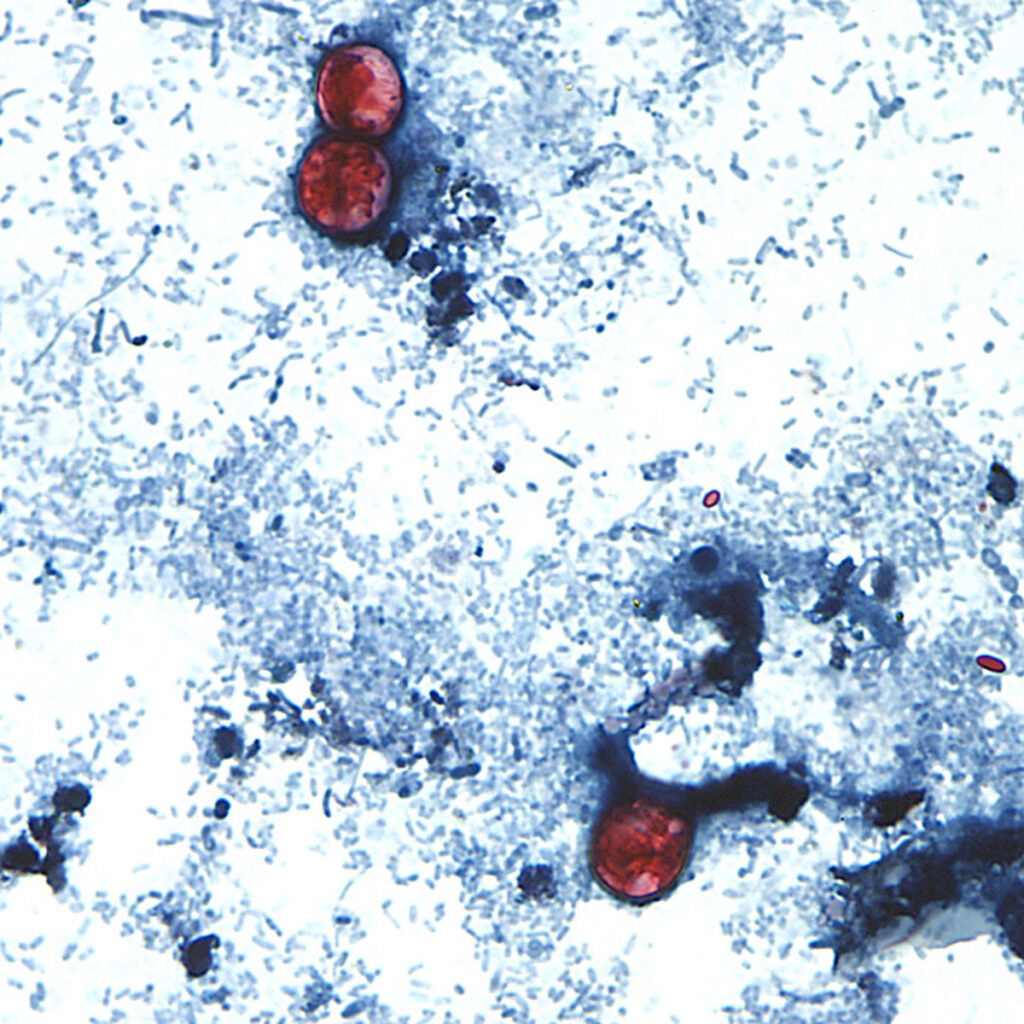
What Is Cyclospora?
The most common symptom is watery diarrhea “with frequent and sometimes explosive bowel movements,” according to the CDC.
Other symptoms can include appetite loss, weight loss, stomach cramps, bloating, increased gas, nausea and fatigue. Symptoms can continue for weeks or return after appearing to improve.
Cyclosporiasis is generally not life-threatening and is typically treated with antibiotics.
The parasite thrives in warm conditions, and outbreaks occur most frequently during late spring and summer.
How Cyclospora Spreads
Cyclospora spreads through feces and can contaminate food or water.
Previous outbreaks have occurred when fruits or vegetables were exposed to irrigation water contaminated with fecal matter.
Unlike some other foodborne infections, cyclospora does not usually spread directly from one person to another because the parasite requires time outside the body to become infectious.
Cyclosporiasis is less common than illnesses caused by salmonella or E. coli. Investigators often cannot connect individual cases to a particular food or other source.
Cyclospora Cases Reach Record Levels
The number of reported US cyclospora infections began increasing about a decade ago, with notable surges occurring in 2018 and 2019.
The United States recorded approximately 4,700 cyclosporiasis cases in 2019, which had previously been the highest annual total.
The current outbreak has far exceeded that figure.
Michigan, considered the apparent center of the outbreak, has reported more than 5,000 cases. More than 2,000 additional probable and suspected infections have been reported in other states.
No deaths have been confirmed. However, more than 100 people have been hospitalized in Michigan, while dozens of additional hospitalizations have been reported elsewhere.
Climate and Improved Testing May Explain Increase
Experts have linked the rise in cyclospora cases partly to climate change and improvements in detecting the parasite.
They also believe infections have historically been underreported.
Some tests commonly used to diagnose food poisoning are not designed to detect cyclospora. Laboratory technicians also cannot grow the parasite in a lab, making it more difficult to connect infections to contaminated produce.
Investigators can struggle to identify a shared food because the contaminated item may be a single ingredient used in many recipes, such as lettuce, basil or cilantro.
Taco Bell and Taylor Farms Linked to Earlier Outbreaks
The FDA’s traceback investigation identified one supplier of Mexican iceberg lettuce used by the Taco Bell restaurants visited by people who later became ill.
Taco Bell has previously been associated with foodborne illness investigations.
Taylor Farms was connected to a 2013 cyclosporiasis outbreak involving salad mix. The company was also linked to a 2024 E. coli outbreak associated with onions served at McDonald’s restaurants.
The current investigation will determine whether the affected lettuce reached additional restaurants, retailers or states.






You must Register or Login to post a comment.