

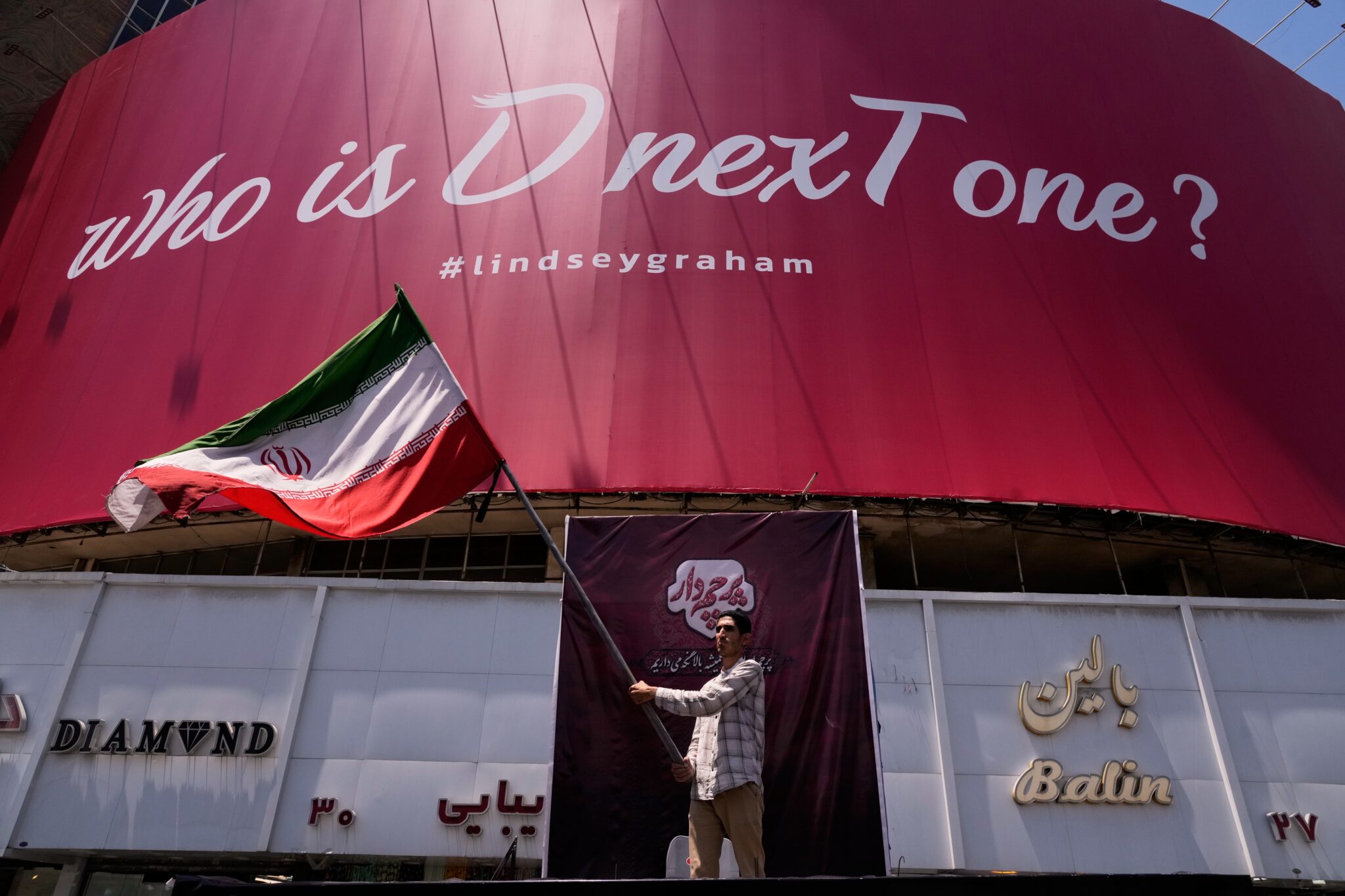
US and Iran Escalate Mideast Strikes as Bridges and Water Plant Are Hit/ Newslooks/ WASHINGTON/ J. Mansour/ The United States and Iran expanded attacks across the Middle East as their battle for control of the Strait of Hormuz intensified. US strikes hit Iranian bridges, energy infrastructure and a surveillance tower, while Iran launched missiles toward Qatar, Kuwait, Bahrain, Jordan and northern Iraq. Oil climbed above $86 per barrel as shipping through the strategic waterway fell to a three-week low.
Quick Look
- The United States completed a sixth consecutive night of strikes against Iran.
- US attacks hit bridges, power infrastructure and targets near important Iranian ports.
- A strike collapsed a tower at Iran’s Chabahar port on the Gulf of Oman.
- Iran said recent US strikes killed at least 46 people and wounded more than 400.
- US officials reported 13 additional injuries among American service members.
- Since the war began, 14 US service members have been killed and 427 wounded.
- Iran launched missiles toward Qatar twice Friday, injuring a child with falling debris.
- An Iranian attack damaged a power and water desalination plant in Kuwait.
- Jordan said its military intercepted three Iranian missiles.
- An apparent Iranian attack in northern Iraq killed at least nine people.
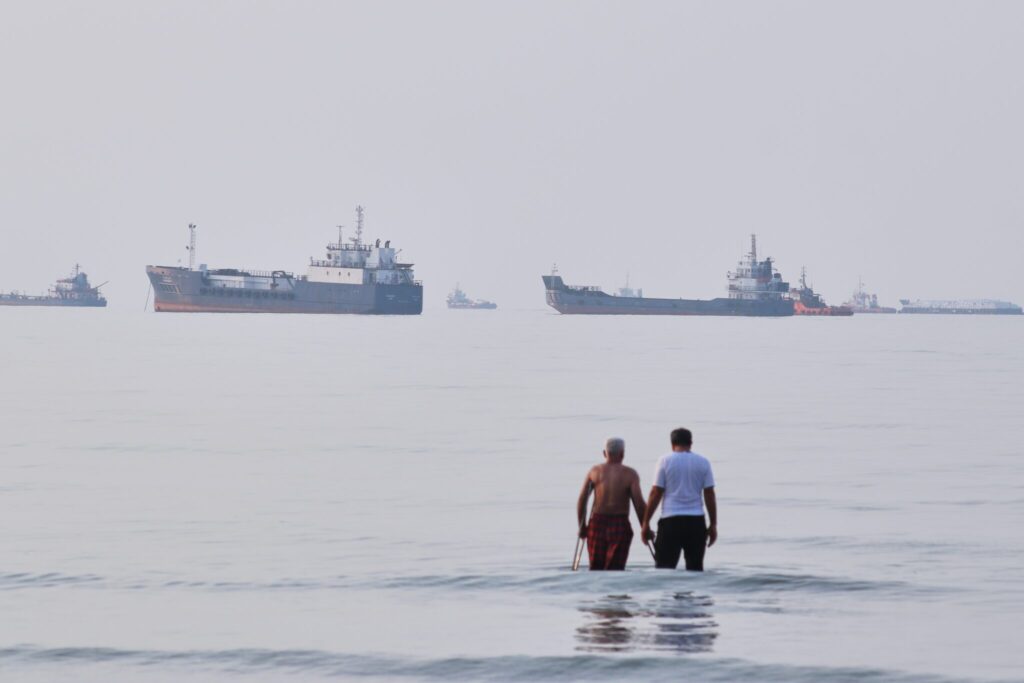
- A tanker sustained minor damage in an attack in the Strait of Hormuz.
- Crossings through the strait fell to eight vessels Thursday, a three-week low.
- Oil rose above $86 per barrel, approaching its highest price in a month.
- The interim ceasefire has collapsed, leaving no clear path to ending the four-month war.
Deep Look
US and Iran Expand Attacks Across Middle East
DUBAI, United Arab Emirates — The United States and Iran intensified attacks across the Middle East on Friday, striking military targets and critical infrastructure as their confrontation over the Strait of Hormuz continued to expand.
The US military targeted additional bridges and energy infrastructure inside Iran and brought down a tower at a strategically important Iranian port.
Iran responded by launching missiles toward several US-allied countries, including Qatar, Kuwait and Bahrain
The latest exchange followed the collapse of an interim ceasefire and left no clear path toward ending the war, which began more than four months ago.
US Targets Bridges and Iranian Energy Sites
The United States expanded its attacks following President Donald Trump’s threats to increase pressure on Tehran and force Iran to ease its restrictions on shipping through the Strait of Hormuz.
Iranian state television reported that US airstrikes overnight into Friday struck bridges in southern Hormozgan province.
The attacks hit Bandar Khamir, an Iranian coastal city located along the strait.
Strikes on highway and railway bridges appeared designed to isolate Bandar Abbas, Iran’s primary port, from routes connecting the region to central Iran and Tehran.
Iran Acknowledges Attacks on Power Infrastructure
Iran’s Energy Ministry acknowledged “attacks on power infrastructure” during the US campaign for the first time Friday.
The ministry urged residents of southern provinces “experiencing extreme heat” to reduce their electricity use. It did not disclose which facilities had been damaged or provide details about disruptions.
Iranian authorities said recent American strikes killed at least 46 people and wounded more than 400.
Eight of those deaths occurred in a strike on a bridge Friday, officials said.
US Military Reports Additional Injuries
American officials disclosed that 13 more US service members had been injured since Monday.
The newly reported casualties included 10 Army soldiers and three Navy sailors. Officials did not provide additional information about where or how they were injured.
Since the war began, 14 American service members have been killed and 427 wounded.
Iranian authorities have reported dozens of deaths and hundreds of injuries from the latest US attacks, while both sides continue expanding the range of targets.
Trump Says the US Is ‘Winning Big’
In a Thursday evening address to Americans, Trump insisted that the US military campaign was succeeding.
“We are likewise winning big in Iran, and you will see the fruits of that labor very, very shortly,” Trump said.
Before the conflict began, Washington and Tehran had been negotiating over Iran’s nuclear program.
Trump now faces growing political pressure to end the war and prevent it from becoming the kind of extended Middle Eastern military engagement he had previously campaigned against.
US Strike Collapses Tower at Chabahar Port
US Central Command said its latest air campaign struck dozens of military and military infrastructure targets.
The operations concluded at dawn Friday following the sixth consecutive night of American attacks.
One strike collapsed a tower at Chabahar port on the Gulf of Oman, according to Iran’s state-run IRNA news agency. The US military later confirmed the attack.
Chabahar is an important commercial route for Afghanistan, a landlocked country neighboring Iran. Tehran has operated the port with assistance from India.
The facility has been repeatedly targeted during the American air campaign.
Iran said the tower managed commercial traffic entering the port. Central Command said it belonged to a maritime surveillance network operated by Iran’s paramilitary Revolutionary Guard.
The US military said Iran used the system to “track and target” commercial ships traveling through the Strait of Hormuz.
Iran Launches Missiles Toward Qatar
Qatar issued two public shelter warnings Friday as Iranian missiles approached the country.
Residents reported hearing explosions as Qatari air defenses attempted to intercept the incoming missiles.
Qatar’s Interior Ministry said falling debris injured a child.
The attack targeted a country that, together with Pakistan, has been serving as a principal mediator in efforts to end the war.
Iran’s decision to target Qatar could complicate diplomatic attempts to restore a ceasefire.
Kuwaiti Water Plant Sustains Widespread Damage
Iran also targeted Bahrain and Kuwait early Friday.
Kuwaiti authorities said an Iranian attack hit a power and water desalination plant, causing widespread damage.
The potential disruption is particularly serious because approximately 90% of Kuwait’s drinking water comes from desalination.
Officials said firefighters extinguished the resulting blaze. Authorities were assessing the damage and working to restore the facility’s operations.
Jordan Intercepts Three Iranian Missiles
Jordan’s military reported intercepting three missiles launched by Iran on Friday morning.
Explosions were also heard in Irbil and Sulaymaniyah in the semiautonomous Kurdish region of northern Iraq as air defenses responded to incoming fire.
The attack in Iraq apparently targeted Komala, an Iranian Kurdish dissident organization.
At least nine people were killed and others wounded, according to an official who spoke anonymously because of security concerns.
Iran did not immediately claim responsibility. However, Tehran has targeted Komala during previous military operations.
Tanker Attacked in Strait of Hormuz
A tanker traveling through the Strait of Hormuz also came under attack Friday, according to the British military.
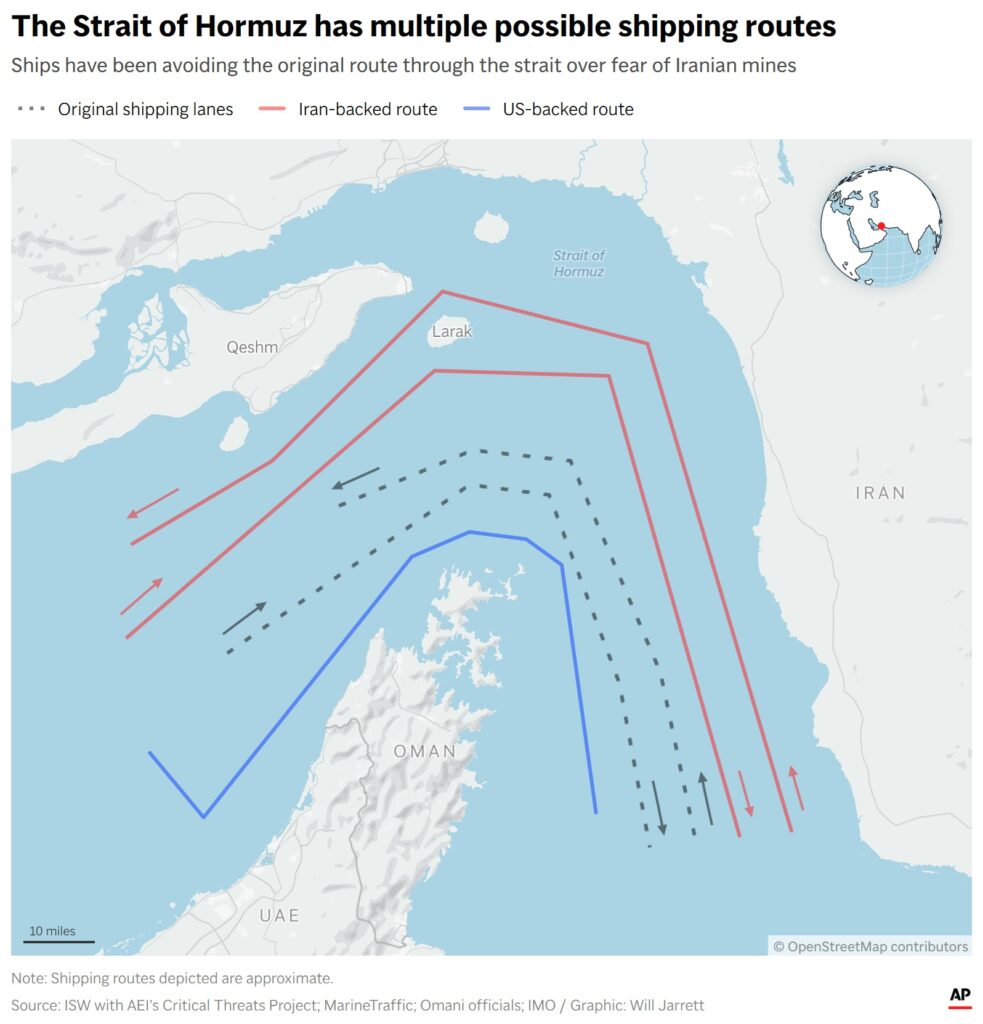
The vessel was using the shipping route closest to Oman when it was struck.
The United Kingdom Maritime Trade Operations center said the tanker sustained minor damage. No crew members were injured.
Iran did not immediately acknowledge responsibility for the incident.
In recent days, Tehran has openly attacked vessels using the Oman-side route. The corridor is monitored by the US military and is intended to remain outside Iranian control.
Iran Seeks Control of Strategic Waterway
Iran has declared that the Strait of Hormuz should be under its exclusive control and has demanded that vessels pay fees to Tehran.
The international community has considered the strait an international waterway for decades.
Approximately one-fifth of the oil and natural gas traded globally passed through the strait during peacetime, making it one of the world’s most important energy routes.
The United States also reimposed a naval blockade on Iranian ports to prevent Iran from exporting crude oil.
Strait Traffic Falls to Three-Week Low
Iran effectively shut the strait to commercial traffic after the United States and Israel launched the war on Feb. 28.
The disruption gave Tehran significant leverage in negotiations and sent global oil prices higher.
Only eight vessels passed through the waterway Thursday, the lowest daily total in three weeks, according to MarineTraffic.com.
More regional energy supplies are now moving through pipelines. However, pipeline capacity remains insufficient to compensate for the steep decline in tanker traffic.
Oil prices climbed above $86 per barrel Friday, approaching their highest level in a month.





You must Register or Login to post a comment.