

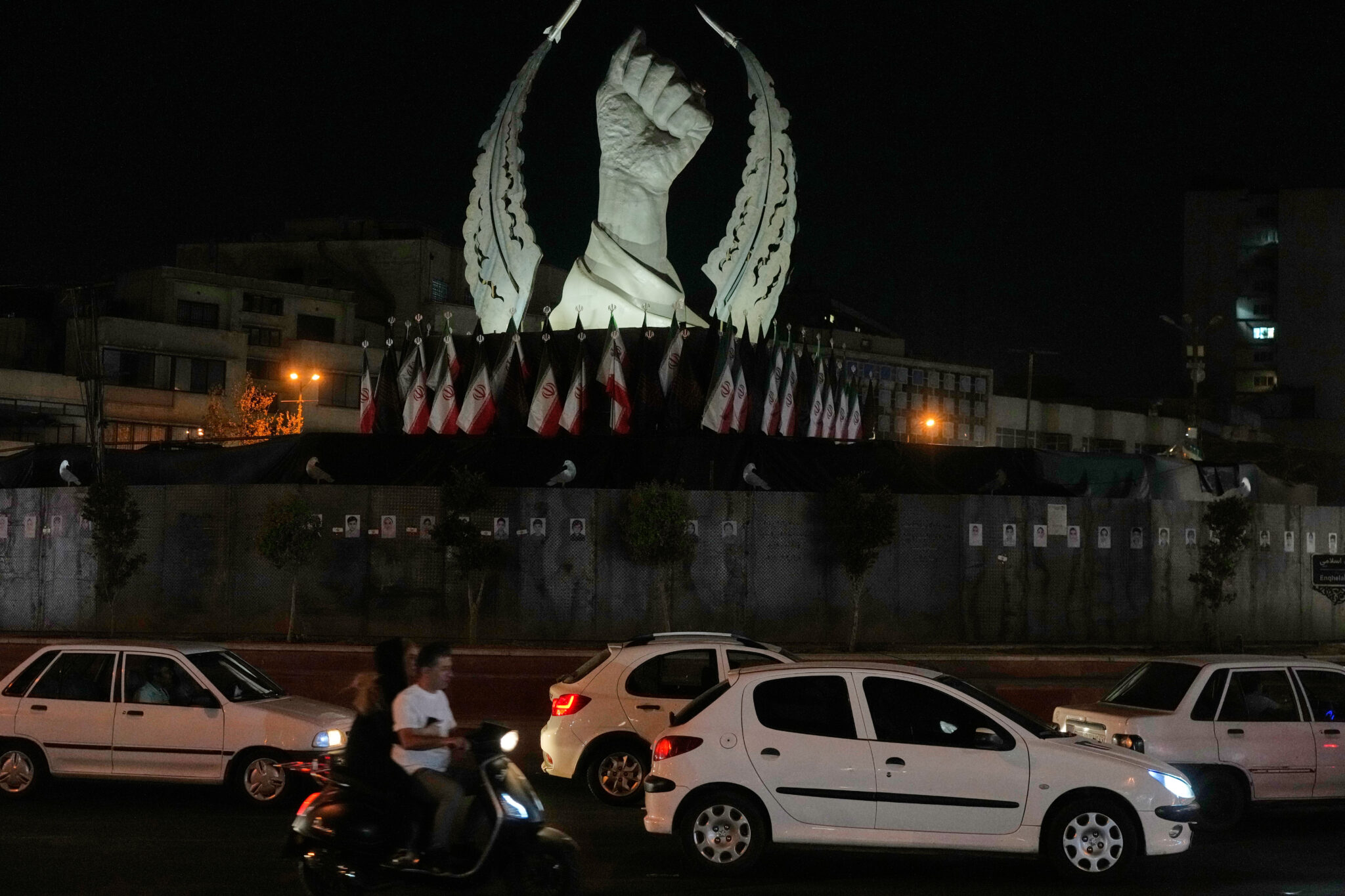
US Expands Iran Strikes as Retaliation Spreads Across Gulf/ Newslooks/ WASHINGTON/ J. Mansour/ The United States launched a ninth consecutive night of strikes against Iran after announcing the death of another American service member. Iran retaliated against Kuwait and Bahrain as fighting further disrupted shipping through the Strait of Hormuz and pushed US gasoline to an average of $4 per gallon. Diplomatic efforts continued, with Iran’s interior minister expected to visit Pakistan for talks aimed at restoring the collapsed interim agreement.
Quick Look
- The US launched another round of airstrikes against Iran Monday.
- US Central Command said military command centers, air defenses and missile sites were targeted.
- Iran responded with attacks against Kuwait and Bahrain.
- Bahrain hosts the US Navy’s 5th Fleet.
- Another US service member died Saturday while troops destroyed a downed Iranian drone in Iraq.
- Seventeen American service members have been killed since the war began.
- Trump said the latest attacks were carried out “in honor of” recently killed US troops.
- An American strike reportedly killed at least one person near Tabriz.
- A vessel caught fire after being struck near Oman in the Strait of Hormuz.
- The crew abandoned the burning ship.
- The Iran-backed Houthis announced a maritime embargo against Saudi Arabia.
- Brent crude traded above $86 per barrel Monday.
- Regular US gasoline reached an average of $4 per gallon.
- Iran reported at least 50 deaths and 517 injuries from recent US strikes.
- Iran’s interior minister was expected to visit Pakistan for mediation talks.
- Secretary of State Marco Rubio said Washington remained open to genuine negotiations.
Deep Look
US and Iran Expand Attacks Across Gulf
DUBAI, United Arab Emirates — The United States launched another round of airstrikes against Iran Monday after reporting the death of an additional American service member.
Iran responded by attacking Kuwait and Bahrain, two US allies in the Gulf. Bahrain is also home to the US Navy’s 5th Fleet.
The latest attacks pushed the conflict closer to an all-out regional war as the interim agreement reached a month earlier continued to collapse.
Both sides have increasingly targeted infrastructure used by millions of civilians, while commercial traffic through the Strait of Hormuz has nearly stopped.
Another US Service Member Killed
The US military said an American service member died Saturday in Iraq during the “controlled detonation” of an Iranian drone that had been shot down.
Officials did not immediately disclose the service member’s identity or provide additional details about the incident.
The death increased the number of US troops killed since the war began Feb. 28 to 17.
President Donald Trump said the latest attacks against Iran were carried out “in honor of” American troops recently killed during the conflict.
US Launches Ninth Night of Strikes
US Central Command said the military conducted its ninth consecutive night of airstrikes against Iranian targets.
The command said the operation struck “Iranian military command centers, air defense and coastal surveillance sites, maritime capabilities, missile and drone launch sites and communications networks.”
The expanding target list indicates that American forces are attempting to weaken Iran’s ability to coordinate attacks, launch missiles and drones, monitor maritime traffic and defend strategic locations.
Strike Reported Near Tabriz
Iran’s state-run IRNA news agency said American strikes killed at least one person near Tabriz.
The northwestern city is located approximately 520 kilometers, or 325 miles, from Tehran.
Tabriz is believed to contain underground missile bases operated by Iran’s paramilitary Revolutionary Guard.
IRNA also reported likely American attacks in several other locations, including Bandar Imam Khomeini in Khuzestan province.
Additional strikes were reported near Sirik and Jask in Hormozgan province and Konarak and Chahbahar in Sistan and Baluchistan province.
Burning Vessel Abandoned Near Oman
A commercial vessel caught fire early Monday after being hit by a projectile in the Strait of Hormuz near Oman’s coastline.
The United Kingdom Maritime Trade Operations center, which is operated by the British military, said the crew abandoned the ship.
The vessel remained adrift and continued burning hours after the attack.
The route closest to Oman is the corridor that the US military has encouraged commercial ships to use to avoid areas controlled by Iran.
Iran’s Revolutionary Guard later said it was targeting tankers traveling through the strait.
Iran Targets Bahrain and Kuwait
Iran continued attacking countries allied with the United States throughout the Middle East.
Bahrain activated its missile warning sirens Monday morning.
Kuwait said its air defenses opened fire against an incoming Iranian barrage.
Bahrain’s Foreign Ministry condemned Iranian drone attacks targeting the country’s air traffic systems. The ministry said the strikes endangered civilian travel.
The attacks followed earlier damage to Kuwaiti water desalination and energy facilities during the continuing regional conflict.
Hormuz Remains Central to the War
The Strait of Hormuz has become a central focus of the conflict.
Approximately one-fifth of the world’s oil supplies passed through the strategic waterway before the war began.
Shipping through the strait has largely stopped since Iran asserted control over the route, creating risks for global energy supplies and giving Tehran leverage in negotiations.
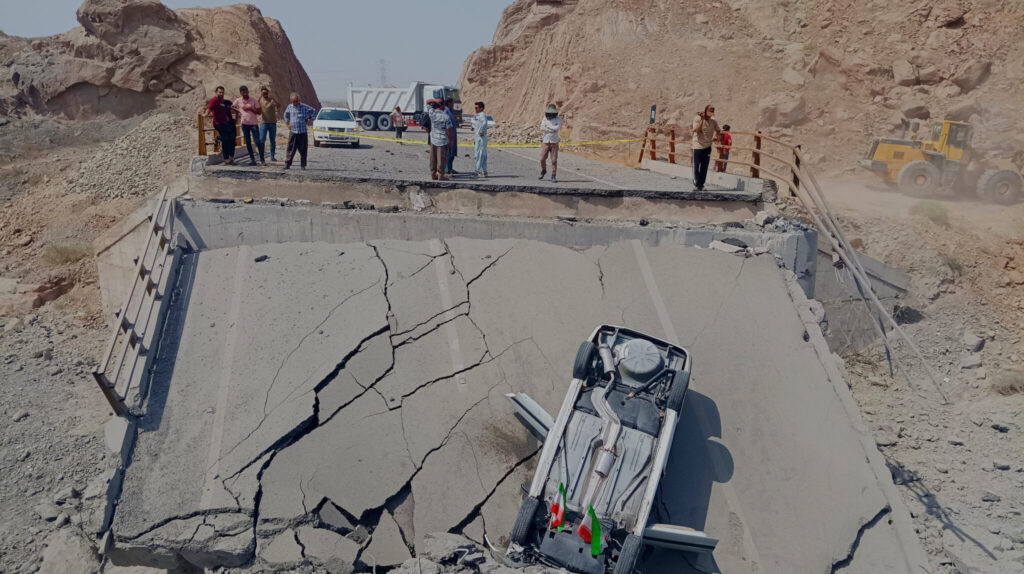
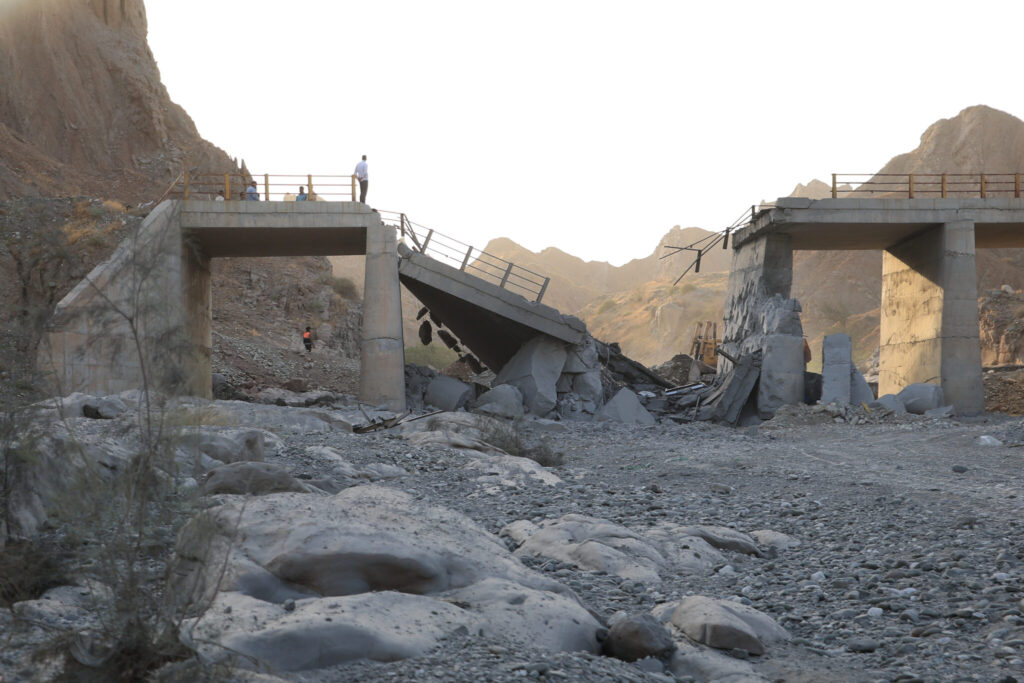
Trump has threatened to attack Iranian power stations and bridges to pressure Iran into loosening its control.
Recent US operations suggest the military is implementing elements of that strategy.
US Reimposes Blockade on Iranian Ports
The United States reimposed a naval blockade on Iranian ports during the previous week to prevent Tehran from exporting crude oil.
The US military said Saturday that it had redirected six ships and disabled another vessel after the blockade took effect.
The restrictions add pressure to Iran’s economy while increasing the risk of direct confrontations with commercial or military vessels.
Houthi Embargo Creates New Energy Threat
A new threat to global oil shipments emerged Monday when Yemen’s Houthi rebels announced a maritime embargo against Saudi Arabia.
The Iran-backed group said it would block shipping between the Red Sea and the Gulf of Aden.
The Houthis described the action as retaliation for an attack on Sanaa International Airport the previous week that they blamed on Saudi Arabia.
Saudi Arabia did not immediately respond to the announcement.
Saudi Arabia Relies on Red Sea Pipeline
With traffic through the Strait of Hormuz sharply restricted, Saudi Arabia has increasingly relied on a pipeline to transport millions of barrels of oil to the Red Sea.
A Houthi campaign against shipping in that area could threaten one of the main alternative routes for Gulf energy exports.
The group previously demonstrated its ability to disrupt maritime commerce during the Israel-Hamas war in Gaza.
Houthi forces attacked more than 100 vessels during that campaign.
Disruptions in both the Strait of Hormuz and the Red Sea could place additional pressure on global oil supplies.
Oil and Gasoline Prices Rise
The escalating conflict has pushed energy prices higher during recent weeks.
Brent crude, the international oil benchmark, traded above $86 per barrel Monday.
The average price of regular gasoline in the United States climbed to $4 per gallon.
Higher fuel costs are placing additional pressure on American consumers ahead of the fall midterm elections.
A prolonged disruption to Gulf shipping could further increase oil, gasoline and transportation prices.
Pakistan Attempts to Restore Ceasefire
Despite the expanding attacks, diplomatic efforts continued.
Two regional officials said Iranian Interior Minister Eskandar Momeni was expected to arrive in Pakistan late Monday for a two-day visit.
The officials spoke anonymously because of the sensitivity of the matter.
Neither Islamabad nor Tehran immediately confirmed the trip.
Pakistan has intensified its efforts to revive the interim ceasefire reached the previous month.
That agreement called for the parties to resolve remaining disputes within 60 days, but it unraveled after the US and Iran resumed attacks on military positions and infrastructure.
Rubio Says US Remains Open to Talks
Secretary of State Marco Rubio said Sunday that Washington remained willing to negotiate with Tehran.
However, he said any diplomatic process “has to be real.”
“We’re going to continue to respond. If the door opens to diplomacy — if the guys that want to do something productive for Iran win and take control of that system, or take control of the negotiations — that’ll be a very positive development,” Rubio said. “That’s not where we are tonight, unfortunately.”
His comments left open the possibility of negotiations while indicating that the United States intended to continue military operations.
Zarif Calls for New Security Framework
Former Iranian Foreign Minister Mohammad Javad Zarif said the interim agreement “could never survive such dissonance” over the Strait of Hormuz.
Zarif made the argument in an essay published Monday by Foreign Affairs.
“As the current conflict makes clear, Washington cannot eliminate the Iranian government,” Zarif wrote. “Only diplomacy, a new peace agreement, and a new security framework produced by regional states and for regional states will allow the United States to turn its attention elsewhere.”
Zarif helped elect Iran’s reformist president, Masoud Pezeshkian.
He also warned Iran’s leadership that “if Iran repeatedly threatens maritime traffic, it could turn much of the world against it.”
Casualties Continue to Rise
The figures could not be independently verified.
The growing number of military and civilian casualties, expanding infrastructure damage and widening threats to global shipping have increased pressure for a diplomatic solution.
However, the collapse of the interim agreement and continuing retaliatory attacks have left no clear path toward ending the war.



You must Register or Login to post a comment.