ABC Stations Call FCC’s Early Call for License Renewal ‘Unconstitutional’/ Newslooks/ WASHINGTON/ J. Mansour/ Morning Edition/ ABC-owned television stations are challenging the FCC’s decision to launch early reviews of their broadcast licenses. The stations argue the move is unconstitutional and represents political retaliation against editorial viewpoints. The dispute marks the latest escalation in tensions between ABC and the Trump-led FCC.
ABC FCC License Review Quick Looks
- ABC-owned stations filed objections to FCC license reviews.
- Stations called the action unlawful and unconstitutional.
- Eight ABC-owned local stations submitted similar responses.
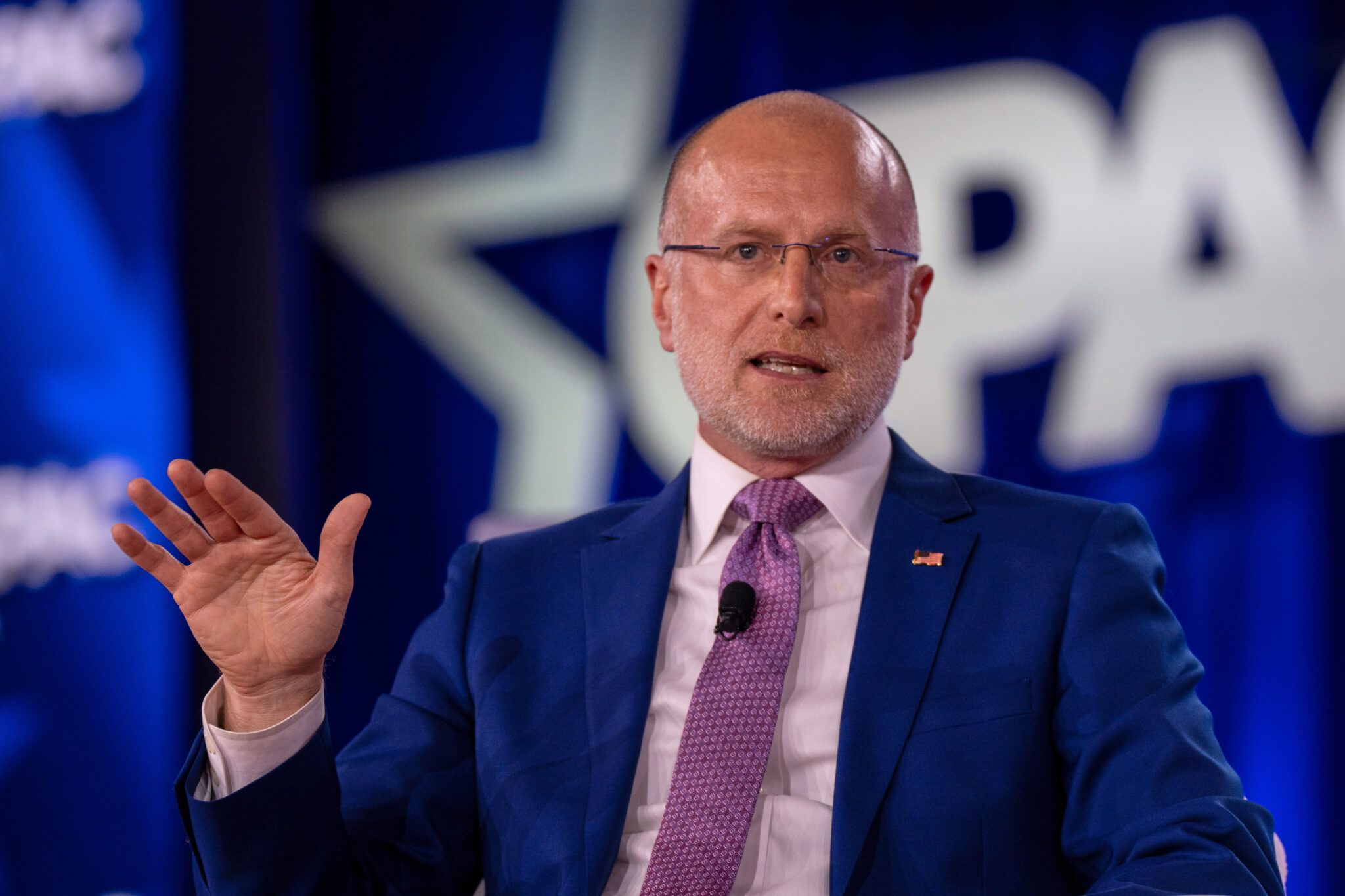
- FCC Chairman Brendan Carr defended the agency’s actions.
- The dispute centers on broadcast license renewals.
- Reviews were initiated years ahead of scheduled renewal dates.
- FCC scrutiny includes diversity policies and programming issues.
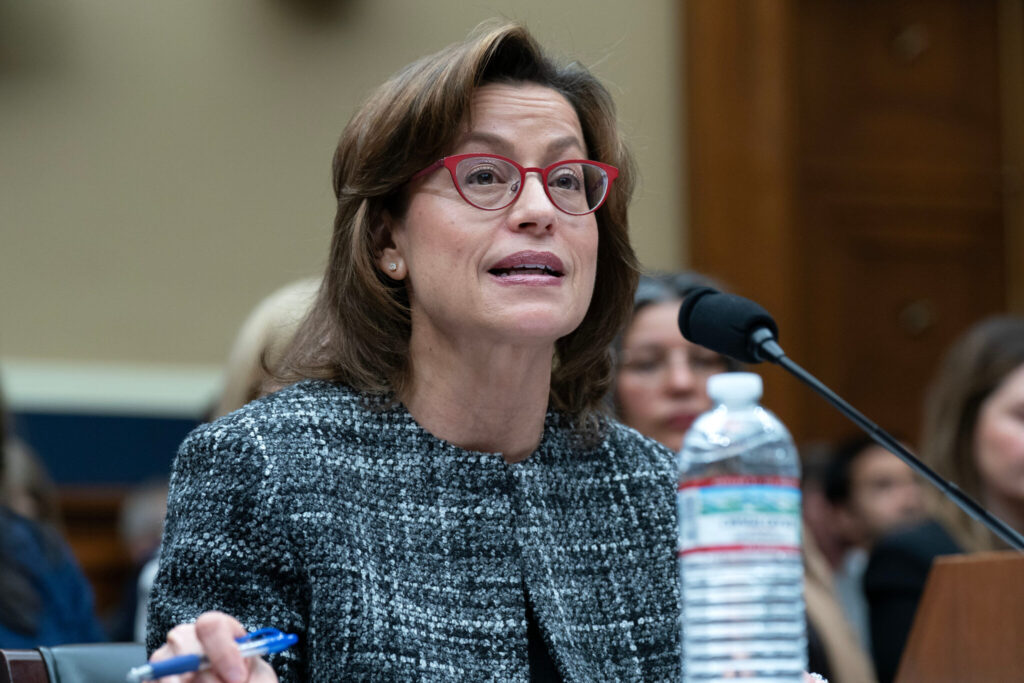
- Commissioner Anna Gomez criticized the reviews.
- ABC argues the actions threaten press freedom.
- The confrontation reflects growing tensions between media and regulators.
Deep Look
ABC-Owned Stations Push Back Against FCC Action
WASHINGTON — Television stations owned by ABC are mounting a forceful challenge against the Federal Communications Commission after the agency launched an unusually early review of their broadcast licenses, a move the stations describe as unlawful, politically motivated, and unconstitutional.
The dispute has become one of the most significant confrontations between a major American broadcast network and federal regulators in recent years. At the center of the conflict is the FCC’s decision to require ABC-owned stations in eight major media markets to begin license renewal proceedings years before those licenses were originally scheduled to expire.
The stations argue that the action represents an unprecedented use of regulatory authority that threatens the independence of American journalism and raises serious First Amendment concerns.
Stations Accuse FCC of Political Retaliation
In filings submitted to comply with the FCC’s demand, ABC-owned stations strongly objected to the agency’s decision.
“It is an extraordinary demonstration of power and coercion directed at disfavored editorial voices which sends a clear warning to every broadcaster in America,” WABC in New York wrote in an objection that accompanied paperwork filed to comply with the FCC’s demand for early applications to renew licenses.
Similar objections were filed by ABC-owned stations in seven additional markets, reflecting a coordinated response to the FCC’s action.
The stations contend that forcing broadcasters to undergo unexpected regulatory scrutiny could create pressure on news organizations and influence editorial decisions, undermining the independence that journalists rely upon to report freely.
FCC Defends Review Process
FCC Chairman Brendan Carr rejected criticism of the agency’s actions and defended the commission’s authority to review broadcaster conduct.
In a public statement, Carr emphasized that broadcast license holders operate under unique obligations because they use public airwaves.
“broadcast licensees have a unique obligation to operate in the public interest.”
Carr also pointed to concerns involving Disney, ABC’s parent company, particularly regarding the corporation’s diversity initiatives and responses provided during FCC investigations.
According to Carr, the agency concluded that certain responses submitted by Disney during ongoing inquiries were inadequate.
The FCC’s position is that broadcasters must remain accountable to public-interest standards as part of their licensing responsibilities.
Early Reviews Draw Unusual Attention
One reason the FCC’s actions have generated significant controversy is the timing of the reviews.
The licenses for ABC-owned stations in Los Angeles, San Francisco, Houston, New York, Chicago, Philadelphia, Fresno, California, and Durham, North Carolina, were not originally scheduled for renewal until between 2028 and 2031.
The decision to begin the process years ahead of schedule immediately drew scrutiny from legal experts, media organizations, and lawmakers who questioned the rationale behind the accelerated timeline.
Critics argue that such actions are highly unusual and could establish a precedent for increased government involvement in media oversight.
Broader FCC Investigation of ABC
The license review dispute is only one element of a broader conflict between ABC and the FCC under Carr’s leadership.
Since President Donald Trump returned to office, the commission has launched multiple inquiries involving the network. Those reviews have touched on topics ranging from corporate diversity practices to the network’s handling of a 2024 presidential debate and even discussions involving guests on ABC’s daytime talk show The View.
The expanding list of investigations has fueled accusations that federal regulators are targeting a major media organization because of its editorial decisions and programming content.
Supporters of the FCC, however, argue that broadcasters must comply with existing regulations and remain subject to appropriate oversight.
Commissioner Gomez Raises First Amendment Concerns
The FCC’s sole Democratic commissioner, Anna Gomez, has emerged as one of the agency’s strongest internal critics regarding the ABC reviews.
She has repeatedly argued that the actions represent an attack on constitutional protections for free expression and a free press.
Commissioner Gomez previously described the reviews as an “egregious assault on the First Amendment.”
Following the latest filings from ABC-owned stations, Gomez praised the broadcasters for challenging the commission’s actions.
On Thursday, Gomez said she was glad to see the stations “expose the FCC’s actions as nothing more than naked political retribution and an unlawful assault on free speech and a free press.”
She has also encouraged media companies to challenge the FCC in court if necessary, expressing confidence that constitutional protections would ultimately prevail.
ABC Warns of Chilling Effect on Journalism
ABC-owned stations argue that the consequences of the FCC’s actions extend beyond corporate interests and affect the public’s access to independent news coverage.
In its filing, WABC warned that regulatory pressure can influence editorial decision-making even when direct censorship does not occur.
“It is to the public,” the station said. “When a broadcaster must weigh regulatory retaliation before making editorial decisions, the public loses access to journalism that is free from government influence.”
The statement reflects concerns shared by many press freedom advocates who believe government investigations can create a chilling effect on news organizations.
Such concerns often arise when regulators examine content-related issues that intersect with political debate and public discourse.
A Shift in ABC’s Response Strategy
The current legal and public relations battle also reflects a broader change in ABC’s approach toward political pressure.
Before Trump’s return to the White House, ABC agreed to a controversial $15 million defamation settlement involving the president. Some observers viewed the settlement as an attempt to reduce tensions between the network and Trump’s supporters.
However, that move did little to slow criticism from Trump or his allies.
Since then, ABC has adopted a more aggressive defense of its journalistic independence and constitutional protections.
Dispute Expands Beyond License Renewals
The network recently challenged another FCC inquiry involving The View, where regulators examined whether discussions on the program raised issues under equal-time rules.
ABC responded by warning that government scrutiny of political discussions could discourage broadcasters from engaging in public affairs programming.
“The Commission’s actions threaten to upend decades of settled law and practice and chill critical protected speech, both with respect to The View and more broadly,” according to a filing on behalf of both KTRK-TV and ABC.
That argument mirrors the concerns now being raised regarding the license review process.
Battle May Shape Future Media Regulation
The escalating dispute between ABC and the FCC could have significant implications for the future relationship between federal regulators and broadcast networks.
Legal experts are closely watching whether the conflict develops into a court challenge that could define the limits of government authority over broadcasters and clarify First Amendment protections in the modern media landscape.
As both sides continue defending their positions, the case is emerging as a major test of press freedom, regulatory power, and the role of government oversight in American broadcasting.