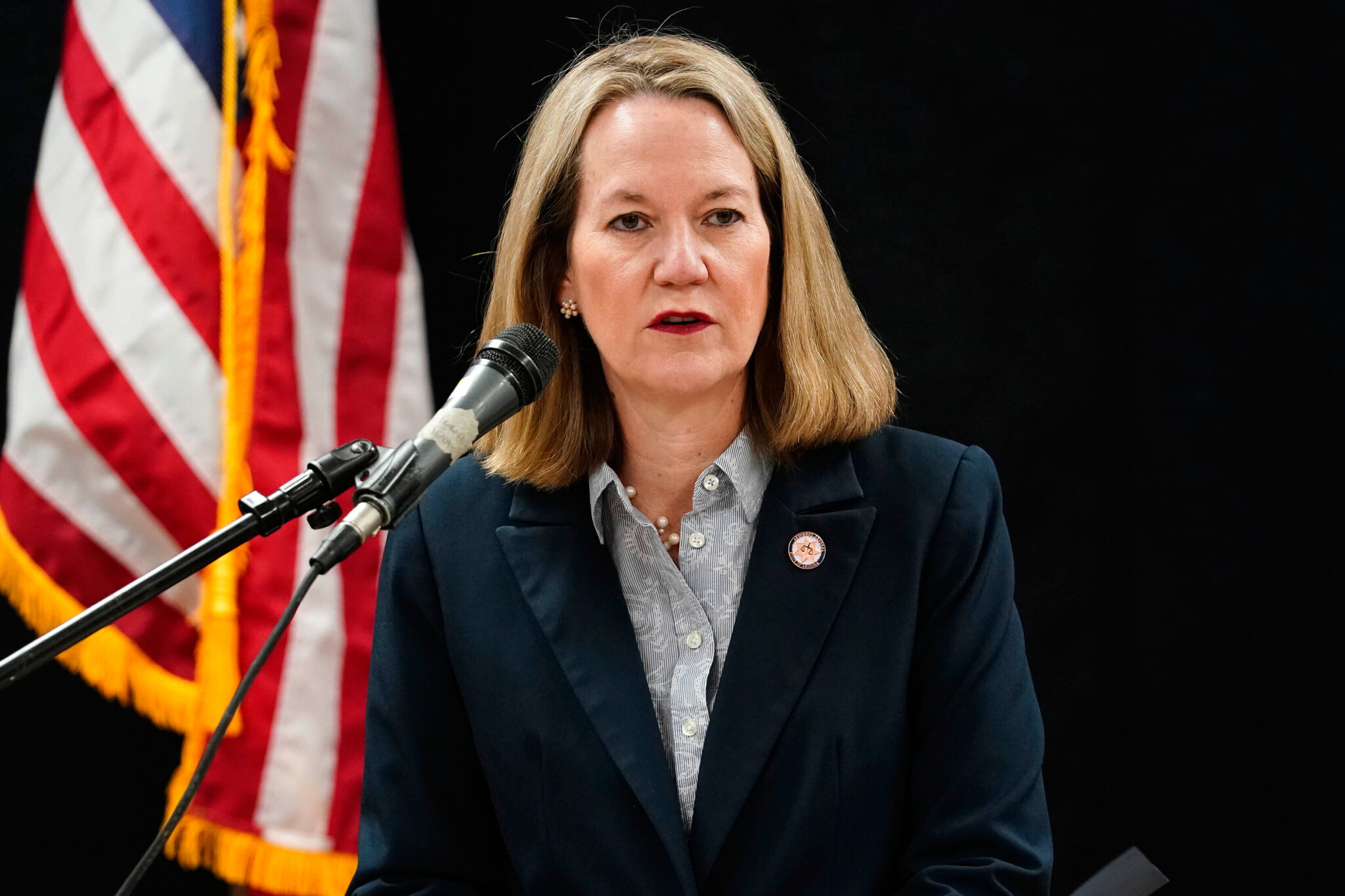
Arizona Supreme Court Rejects Appeal In Trump Fake Elector Case/ Newslooks/ WASHINGTON/ J. Mansour/ Morning Edition/ The Arizona Supreme Court has rejected an appeal by Attorney General Kris Mayes to revive the state’s fake elector case tied to the 2020 election. Prosecutors now plan to return the case to a grand jury and seek a new indictment against several Trump allies. The ruling represents another legal setback in election-related cases that have faced dismissals or delays across multiple states.
Arizona Fake Elector Case Quick Looks
- Arizona Supreme Court denied prosecutors’ appeal.
- Case involves Trump allies and the 2020 election.
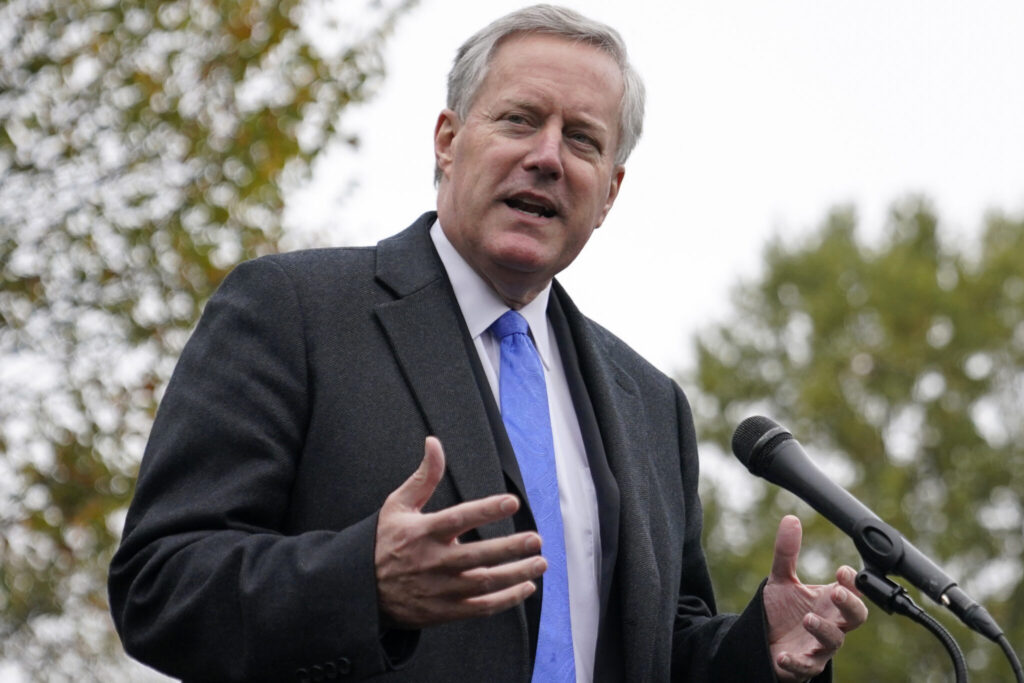
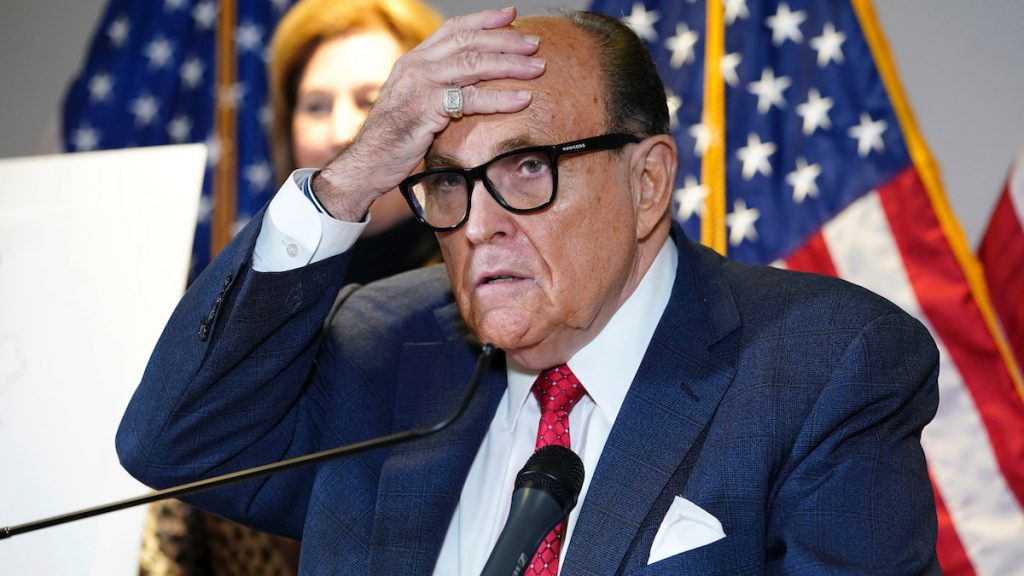
- Defendants include Mark Meadows and Rudy Giuliani.
- Attorney General Kris Mayes plans to seek a new indictment.
- Lower court found problems with the original grand jury process.
- Judge ruled jurors were not shown key portions of federal election law.
- Prosecutors will present the case again to a grand jury.
- Similar election cases in Michigan and Georgia have been dismissed.
- Related cases remain active in Nevada and Wisconsin.
- Trump was previously identified as an unindicted co-conspirator.
Arizona Fake Elector Case Deep Look
The Arizona Supreme Court has denied an appeal from Attorney General Kris Mayes, forcing prosecutors to restart their high-profile fake elector case involving several allies of President Donald Trump and their efforts to challenge the results of the 2020 presidential election.
The decision represents another obstacle for Mayes as she seeks to pursue one of the remaining state-level prosecutions connected to the disputed election results.
Court Rejects Prosecutors’ Appeal
Arizona’s highest court declined to overturn a lower-court ruling that sent the case back to a grand jury.
Following the decision, Mayes’ office announced that prosecutors intend to seek a fresh indictment rather than abandon the case.
“The Arizona Attorney General’s Office will return this case to the grand jury,” spokesperson Richie Taylor said after the ruling was made public.
The Supreme Court’s decision effectively closes the chapter on the original indictment while allowing prosecutors to begin the process again.
Why The Original Case Was Dismissed
The dispute centered on how the original grand jury was instructed before issuing indictments.
A Phoenix judge determined that prosecutors failed to present jurors with the full text of the Electoral Count Act, a federal law governing the certification of presidential elections.
Defense attorneys argued that the law, as it existed in 2020, allowed competing slates of electors to be submitted to Congress when election results were disputed.
The law was later amended in 2022 to clarify that states can submit only one official slate of electors and that governors are responsible for certifying those electors.
Because jurors were not provided with the complete statutory language, the court found a defect in the indictment process and dismissed the original case.
High-Profile Defendants
The case targets several prominent Trump allies, including former White House Chief of Staff Mark Meadows and former New York City Mayor Rudy Giuliani.
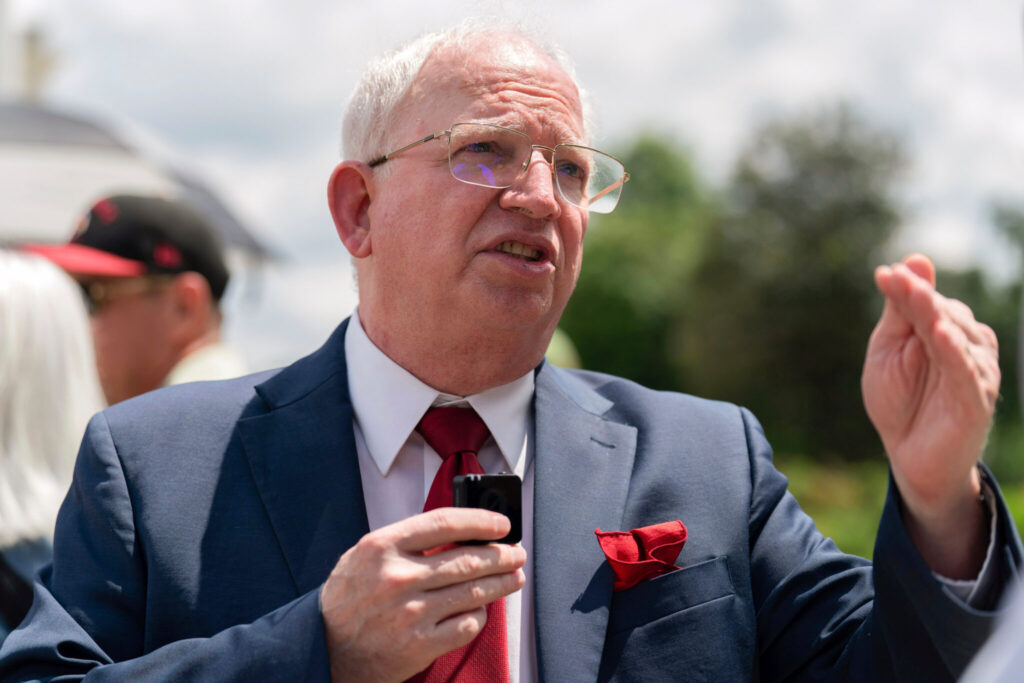
Conservative attorney John Eastman and nearly a dozen Republican activists were also charged.
Prosecutors alleged that the defendants participated in a coordinated effort to submit an alternative slate of presidential electors after Joe Biden won Arizona in the 2020 election.
Biden carried Arizona by 10,457 votes, marking the first Democratic presidential victory in the state since 1996.
Although Trump was not charged, prosecutors identified him as an unindicted co-conspirator in the original indictment.
Prosecutors Plan New Grand Jury Presentation
Rather than appealing further, Arizona prosecutors now intend to rebuild the case through a new grand jury proceeding.
The Attorney General’s office has indicated it will present the full case again, addressing the legal deficiencies identified by the courts.
No timetable has been announced for when a new grand jury presentation will occur.
Court records indicate there has been little activity in the case since mid-May.
Election Cases Facing Challenges Nationwide
Arizona is one of the few states where election-related prosecutions connected to the 2020 presidential race remain active.
Several other major cases have encountered significant setbacks.
A federal prosecution alleging efforts to overturn the 2020 election was dropped in late 2024.
A similar case in Georgia collapsed after legal disputes involving the prosecution team.
Michigan’s fake elector prosecution was also dismissed after a judge ruled that the individuals involved were not the primary architects of the broader effort.
Despite those setbacks, cases involving alternate electors continue in Nevada and Wisconsin.
Legal And Political Significance
The Arizona case remains one of the most closely watched election-related prosecutions because it involves several high-profile political figures and allegations concerning efforts to challenge certified election results.
By seeking a new indictment, prosecutors are signaling that they remain committed to pursuing the case despite repeated legal obstacles.
Whether a newly instructed grand jury will return similar charges remains uncertain, but the Supreme Court’s ruling ensures that any future prosecution must begin from the ground up.