

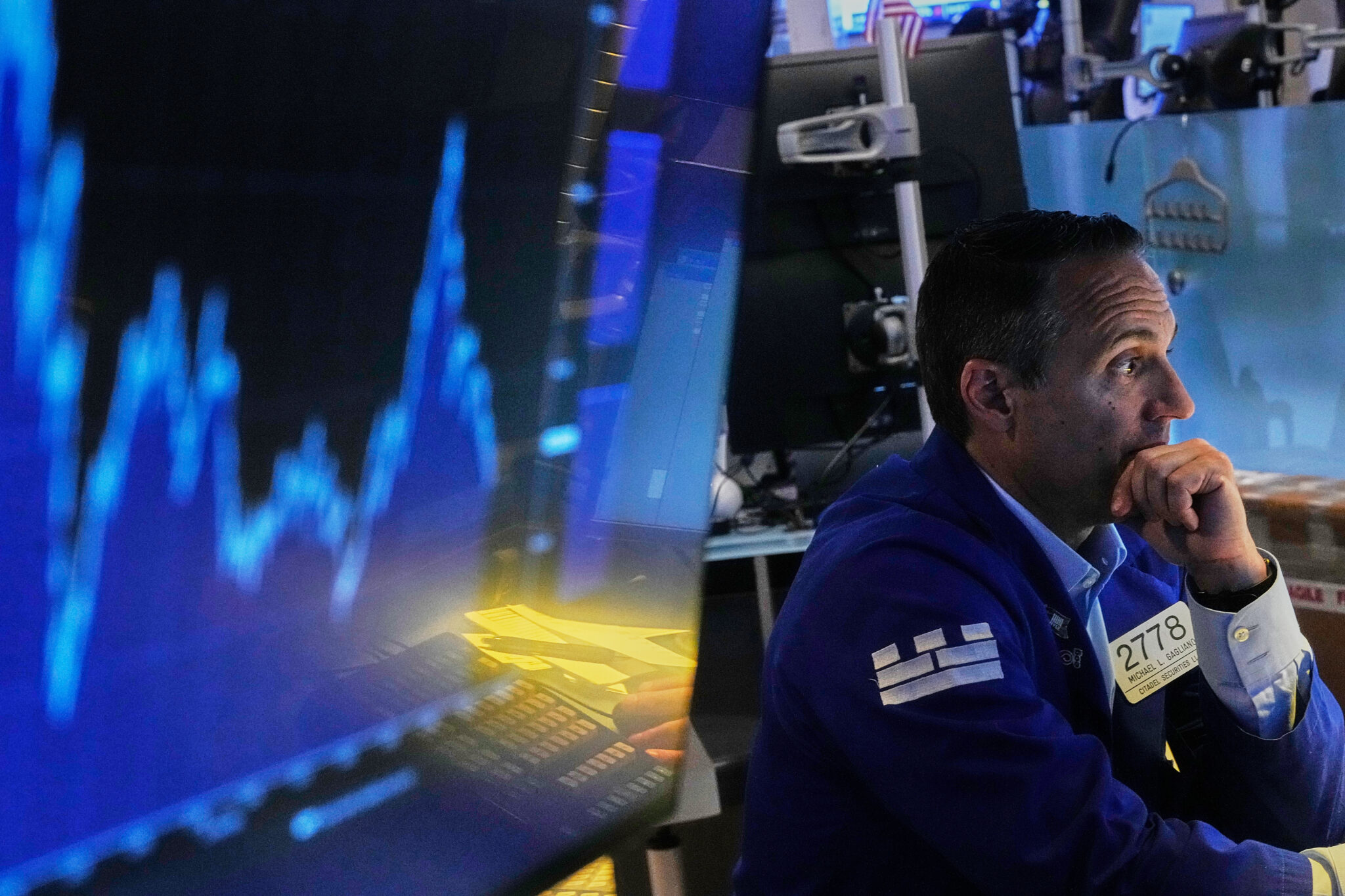
Brent Oil Tops $100 as Tesla and Alphabet Drag Wall Street Lower/ Newlooks/ WASHINGTON/ J. Mansour/ Brent crude climbed above $100 per barrel Thursday after attacks on Saudi oil tankers raised fears of further disruption to Middle Eastern energy shipments. The S&P 500, Dow and Nasdaq fell as higher oil prices intensified concerns about inflation and a possible Federal Reserve interest-rate increase. Tesla and Alphabet added to the pressure after their earnings reports triggered questions about profitability and artificial-intelligence spending.

Quick Look
- Brent crude jumped 7.2% to $100.88 per barrel.
- Attacks on two Saudi oil tankers in the Red Sea drove the latest increase.
- Trump threatened “major military punishment” against Yemen’s Houthi rebels.
- The S&P 500 fell 1.2%.
- The Dow dropped 477 points, or 0.9%.
- The Nasdaq composite declined 2.4%.
- Tesla shares plunged 13.6% after weaker-than-expected profit.
- Alphabet dropped 7.3% despite beating profit and revenue forecasts.
- Alphabet doubled quarterly capital investment to nearly $45 billion.
- American Airlines
Deep Look
Brent Crude Breaks Above $100
NEW YORK — Oil prices surged Thursday as escalating Middle East attacks threatened to further restrict the international movement of crude.
Brent crude, the global benchmark, jumped 7.2% to $100.88 per barrel. The most actively traded contract reached its highest level in two months earlier in the session.
The immediate trigger was attacks against two Saudi oil tankers in the Red Sea.
The incidents threatened another important shipping route used to transport Middle Eastern oil, adding to existing disruption in the Strait of Hormuz.
Trump Threatens Houthis With Military Response
President Donald Trump threatened “major military punishment” against Yemen’s Iran-backed Houthi rebels if their attacks on ships continue.
The Strait of Hormuz and the Red Sea are both crucial routes for regional energy exports. Disruption to both waterways could further restrict supply and increase transportation and insurance costs.
Brent crude had fallen below $72 per barrel only weeks earlier amid expectations that the Strait of Hormuz would fully reopen to tankers.
That level was close to where oil traded before the United States and Israel launched their war against Iran.
Wall Street Falls Under Oil and Tech Pressure
Rising oil prices and sharp declines in two of the market’s largest technology companies pushed U.S. stocks lower.
The S&P 500 dropped 1.2% and was at risk of recording consecutive weekly losses for the first time since March.
The Dow Jones Industrial Average fell 477 points, or 0.9%, as of 11 a.m. Eastern time. The Nasdaq composite lost 2.4%.
Higher energy prices can reduce corporate profits by raising transportation, manufacturing and operating expenses. They can also limit consumer spending by increasing the cost of gasoline and other essential products.
Tesla Plunges After Earnings Report
Because Tesla is among the largest companies in the S&P 500 by market value, its movements have a significant effect on the overall index.
The earnings disappointment renewed concerns about Tesla’s financial performance and contributed heavily to the Nasdaq’s decline.
Alphabet Drops Despite Strong Results
Alphabet fell 7.3% even though the Google parent reported stronger profit and revenue than analysts had forecast.
Investors instead focused on the company’s rapidly increasing investment in artificial intelligence.
Alphabet raised its full-year capital-spending forecast after its quarterly investment nearly doubled from a year earlier to approximately $45 billion.
CEO Sundar Pichai said AI helped Alphabet’s cloud revenue growth accelerate to 82% during the quarter.
Despite that expansion, investors remain uncertain whether the company’s massive AI expenditures will generate enough additional productivity and profit to justify their cost.
AI Spending Concerns Shake Technology Stocks
Questions surrounding financial returns from AI investment have created significant market volatility in recent weeks.
Technology companies have invested heavily in chips, data centers, computer memory and other infrastructure. Their share prices previously rose on expectations that AI would transform productivity and earnings.
Investors are now demanding clearer proof that those expenditures will produce sustainable returns.
The declines for Alphabet and Tesla placed additional pressure on a market already reacting to expensive oil and the possibility of higher interest rates.
Airlines Fall as Fuel Costs Rise
Airline shares declined sharply because fuel represents one of the industry’s largest operating expenses.
American Airlines lost 7.4% even after reporting spring profit well above analysts’ expectations. The carrier raised fares during the quarter, helping offset increased fuel costs.
Southwest Airlines fell 3.9% despite also exceeding Wall Street’s profit and revenue forecasts.
Southwest generated more profit from each dollar of revenue during the spring, but investors remained focused on the threat posed by further fuel-price increases.
Oil Surge Revives Inflation Fears
The rapid increase in oil prices threatens to accelerate inflation just as price growth had begun slowing more than economists expected.
Higher crude prices can affect the broader economy by increasing gasoline, shipping, aviation, manufacturing and food-distribution expenses.
A renewed inflation surge could encourage the Federal Reserve and other central banks to increase interest rates.
Higher rates can restrain economic activity and reduce the appeal of stocks and other investments.
Markets Raise Odds of Fed Rate Increase
Traders estimated a nearly 38% probability that the Federal Reserve would raise its federal funds rate at its meeting next week, according to CME Group data.
That was up sharply from the approximately 12% probability reflected in markets one week earlier.
A rate increase would be the Fed’s first since 2023.
The European Central Bank left its primary interest rates unchanged at its Thursday meeting.
Treasury Yields and Mortgage Rates Climb
The yield on the 10-year U.S. Treasury increased to 4.70% from 4.67% late Wednesday.
It stood at just 3.97% before the Iran war began.
That increase has already helped push long-term U.S. mortgage rates to their highest level in nearly a year, adding pressure to housing affordability.
European Markets Fall as Asia Advances
European stock markets declined as the oil-price surge intensified concerns about inflation and economic growth.
France’s CAC 40 lost 1.6%, one of the region’s larger declines.
Asian stocks had performed better earlier in the day. South Korea’s Kospi climbed 4.4%.






You must Register or Login to post a comment.