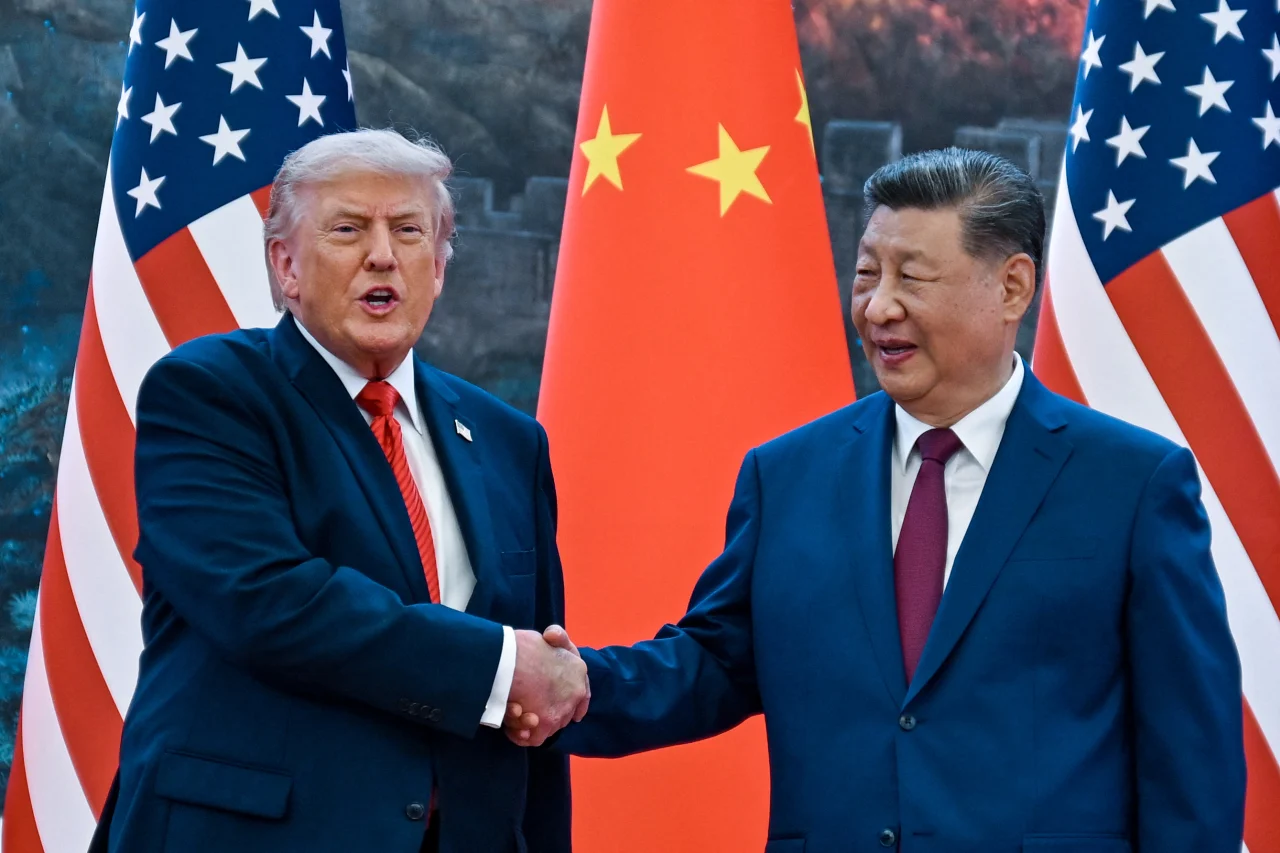
China’s Xi Warns Trump That Differences over Taiwan Could Lead to Conflict/ Newslooks/ WASHINGTON/ J. Mansour/ Morning Edition/ Chinese President Xi Jinping warned Donald Trump that mishandling Taiwan could lead to direct conflict between the United States and China. Despite public displays of friendship and cooperation, deep tensions remain over Taiwan, Iran, trade, and military strategy. The Beijing summit highlighted both leaders’ attempts to stabilize relations while protecting core national interests.
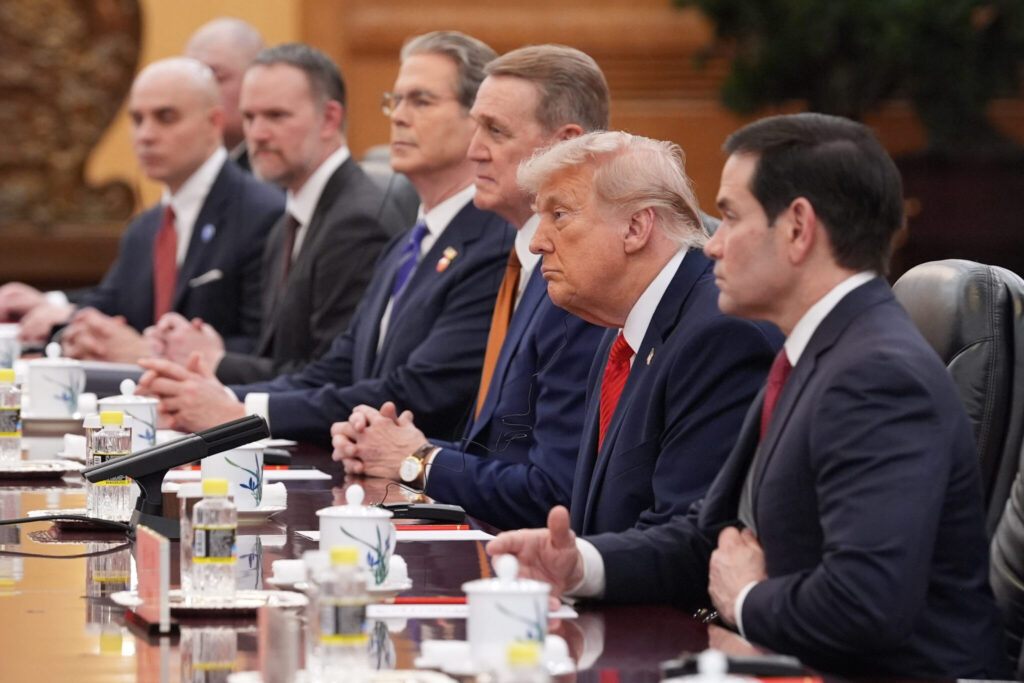
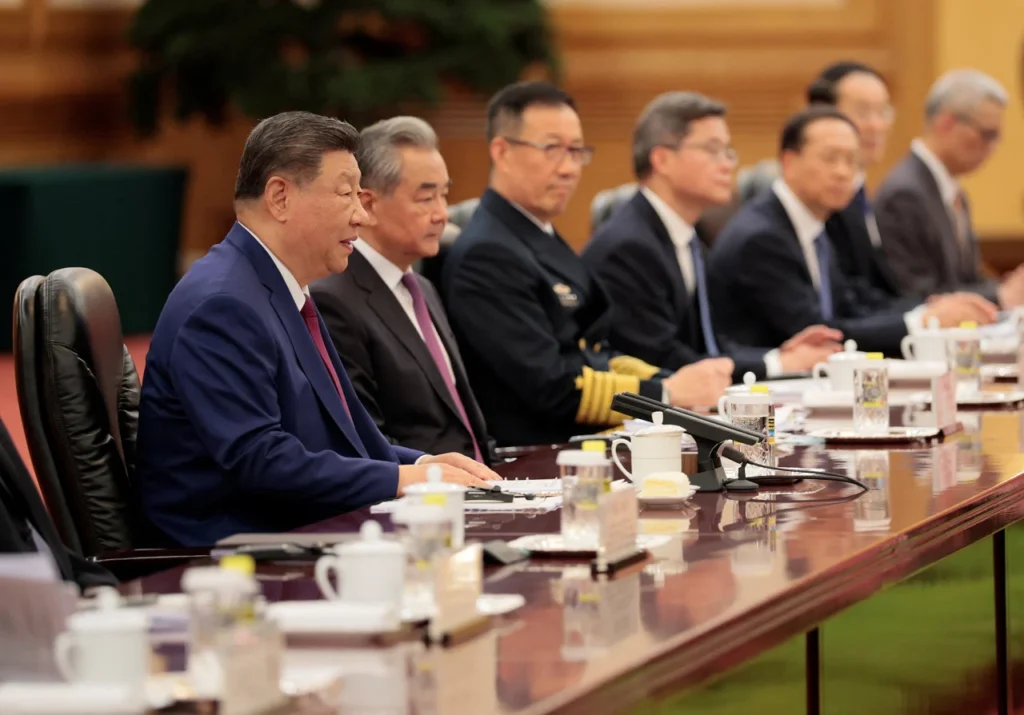
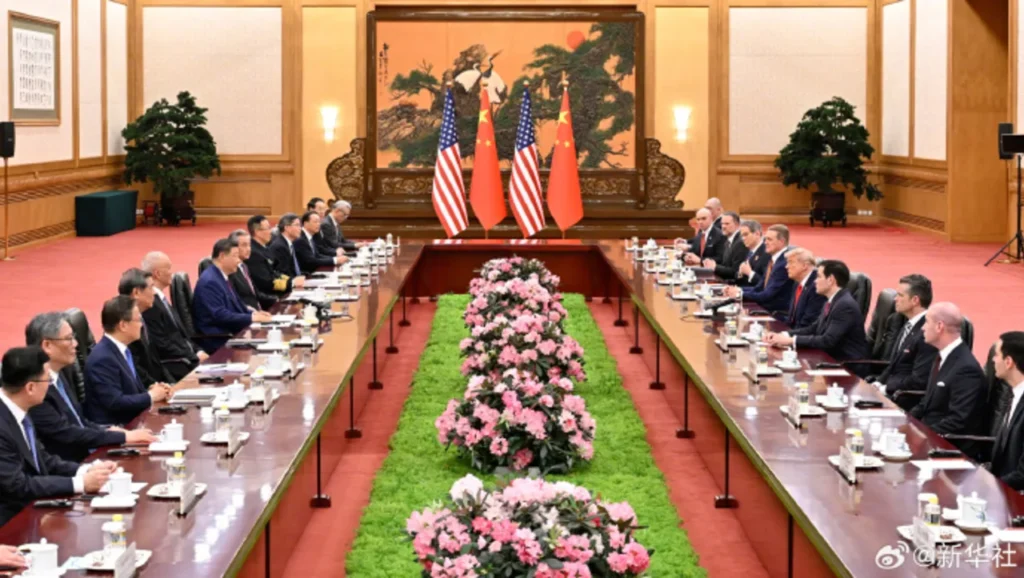
Trump Xi Taiwan Summit Quick Looks
- Xi warned Taiwan could push the US and China toward conflict
- Trump repeatedly praised Xi during the Beijing summit
- Both leaders emphasized stable US-China relations
- Taiwan remained the most sensitive geopolitical issue
- Iran and the Strait of Hormuz were discussed privately
- Trump announced Xi will visit the White House in September
- Trade talks focused on agriculture, tariffs, and investment
- The summit featured major diplomatic pageantry in Beijing
Deep Look
Xi Delivers Sharp Taiwan Warning to Trump
Chinese President Xi Jinping issued a stern warning to President Donald Trump during high-stakes talks in Beijing, cautioning that Taiwan could push the United States and China into direct confrontation if handled improperly.
The warning came during a summit that otherwise featured unusually warm public displays of friendship and cooperation between the two leaders.
According to Chinese Foreign Ministry spokesperson Mao Ning, Xi told Trump that Taiwan remains “the most important issue in China-U.S. relations.”
“If it is handled properly, the bilateral relationship will enjoy overall stability,” Xi reportedly said. “Otherwise, the two countries will have clashes and even conflicts, putting the entire relationship in great jeopardy.”
The comments underscored how Taiwan continues to represent the single most dangerous flashpoint between Washington and Beijing.
Trump Publicly Praises Xi
Despite the warning, Trump repeatedly praised Xi throughout the summit.
Before closed-door meetings began, Trump told Xi:
“You’re a great leader. Sometimes people don’t like me saying it, but I say it anyway, because it’s true.”
Trump added:
“It’s an honor to be your friend.”
The US president also predicted that relations between both countries would become “better than ever before.”
The public warmth contrasted sharply with the underlying disagreements surrounding Taiwan, trade, military competition, and the Iran conflict.
Xi Raises “Thucydides Trap” Concerns
Xi’s opening remarks carried a noticeably more cautious tone than Trump’s optimism.
The Chinese leader referenced the concept known as the “Thucydides Trap,” a theory suggesting that conflict often occurs when a rising global power threatens an established superpower.
Xi asked whether the United States and China could “transcend the ‘Thucydides Trap’ and forge a new model for relations between major powers.”
The phrase has become central to Chinese foreign-policy messaging as Beijing seeks to avoid direct military confrontation while still expanding its global influence.
Analysts viewed Xi’s use of the term during such a high-profile summit as a signal that Beijing sees US-China tensions entering an increasingly dangerous phase.
Summit Heavy on Symbolism and Ceremony
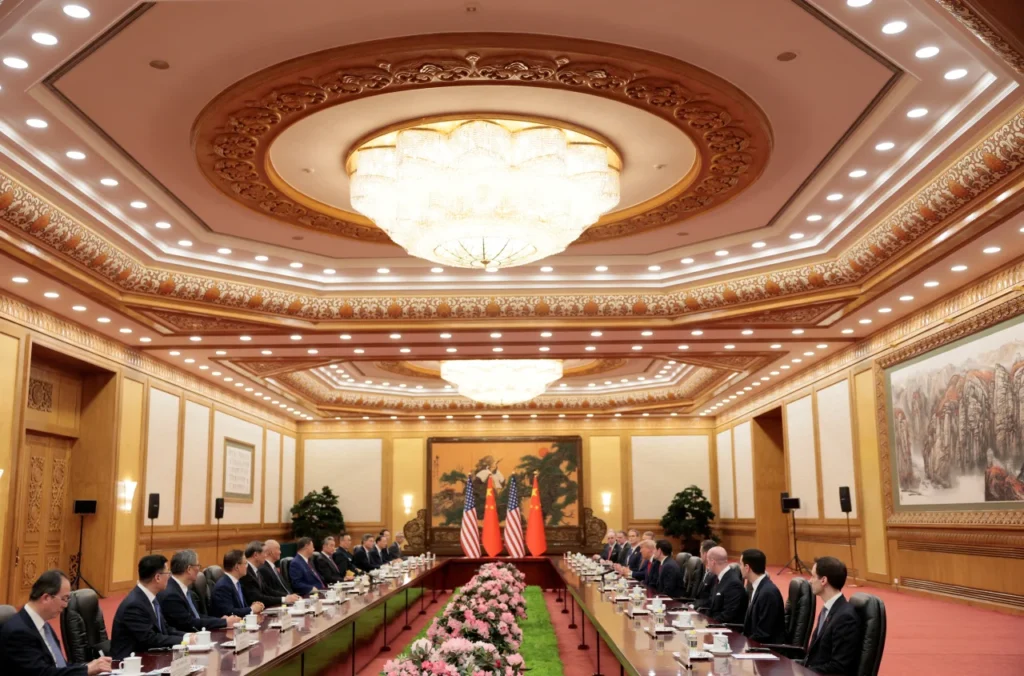
Thursday’s summit placed heavy emphasis on diplomatic symbolism and carefully staged pageantry.
Trump and Xi met at Beijing’s Great Hall of the People following an elaborate welcome ceremony featuring military bands, ceremonial cannons, and hundreds of Chinese schoolchildren waving both American and Chinese flags.
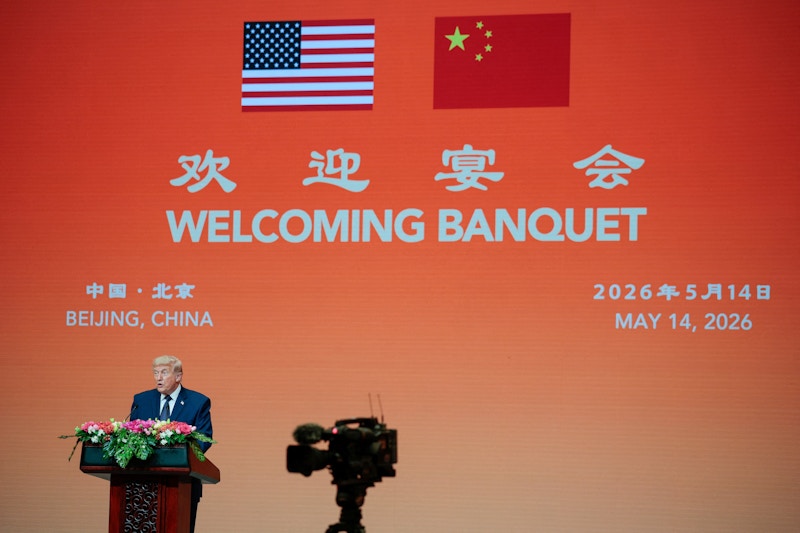
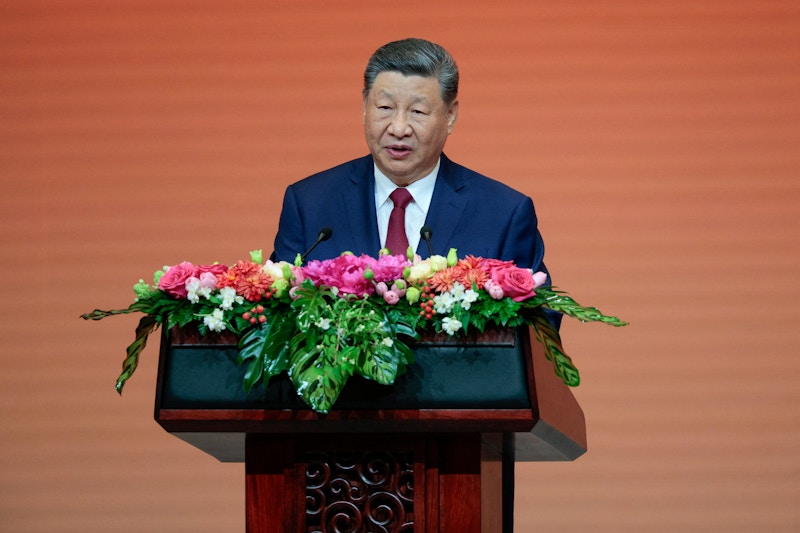
Later, Xi escorted Trump on a tour of the historic Temple of Heaven before hosting a formal state banquet.
During the evening toast, Xi said:
“Achieving the great rejuvenation of the Chinese nation and making America great again can go hand in hand.”
Trump responded by describing the visit as “a great honor” and called Xi “my friend” once again.
The president also announced that Xi would make a reciprocal visit to the White House on September 24.
Iran and Global Energy Concerns Loomed Large
Beyond Taiwan, the war involving Iran remained a major topic during discussions.
The White House said both leaders agreed that the Strait of Hormuz must remain open.
The strategically vital waterway carries major global oil and natural-gas shipments, and recent instability has disrupted international energy markets.
China remains the largest buyer of Iranian oil, and Trump administration officials reportedly hoped Xi might pressure Tehran to ease tensions.
Secretary of State Marco Rubio said administration officials emphasized that the crisis was damaging global economies and weakening consumer demand worldwide.
However, it remains unclear whether Xi agreed to increase pressure on Iran.
Taiwan Arms Sales Continue Causing Tension
Xi’s Taiwan warning also reflected Chinese anger over continued American military support for the island.
The Trump administration has approved an $11 billion arms package for Taiwan, though portions of the deal have not yet been delivered.
China considers Taiwan part of its sovereign territory despite never having governed the self-ruled democratic island.
The United States maintains unofficial ties with Taiwan and remains legally committed to helping the island defend itself.
Taiwan welcomed Washington’s continued support following the summit.
Taiwanese officials said they appreciated America’s “long-term support” and commitment to regional stability.
Trade Talks Seek Stability After Years of Conflict
Economic tensions also remained central to the summit agenda.
Trump administration officials continue pushing for expanded Chinese purchases of American products including soybeans, beef, and aircraft.
Both sides also discussed extending the current trade truce that paused additional tariff escalation after years of damaging economic conflict.
Xi reportedly told Trump that “China’s door of opportunity will open wider” for American businesses.
The Chinese leader also met directly with major US business executives accompanying Trump during the visit.
The delegation included leaders from sectors involving technology, manufacturing, finance, and energy.
Fentanyl and Trade Board Discussed
The White House said the leaders also discussed cooperation on limiting fentanyl precursor chemicals flowing into the United States.
Officials are additionally considering creating a formal US-China Board of Trade designed to address future commercial disputes before they escalate.
Analysts say both countries increasingly recognize the need for stable communication mechanisms despite rising geopolitical rivalry.
Fundamental Differences Remain
Although both leaders projected friendliness publicly, the summit made clear that core disagreements remain unresolved.
Taiwan continues to represent Beijing’s most sensitive red line.
Trade tensions, military competition, artificial intelligence, semiconductor restrictions, and global strategic influence also continue dividing both governments.
George Chen of The Asia Group consultancy said Xi made his position on Taiwan unmistakably clear while simultaneously reassuring American businesses that China remains open for investment and profit opportunities.
Summit Reflects Delicate Balancing Act
The Beijing summit ultimately reflected a delicate balancing act between cooperation and rivalry.
Both governments appear eager to avoid direct confrontation while also fiercely defending national interests.
For now, diplomacy, symbolism, and economic interdependence continue holding the relationship together.
But Xi’s warning over Taiwan highlighted how quickly tensions between the world’s two largest powers could become far more dangerous.