US Warns Shipping Firms over Paying Iran to Transit the Strait of Hormuz/ Newslooks/ WASHINGTON/ J. Mansour/ Morning Edition/ The U.S. warns shipping firms against paying Iran for passage. The warning targets fees tied to transit through the Strait of Hormuz. Tensions rise as the U.S. and Iran clash over control of the waterway.

US Iran Strait Hormuz Warning Quick Looks
- U.S. threatens sanctions on firms paying Iran transit fees
- Strait of Hormuz handles major global oil shipments
- Iran accused of charging ships for safe passage
- U.S. naval blockade targets Iranian oil exports
- 45 commercial ships reportedly turned away
- Ceasefire tensions continue between U.S. and Iran
Deep Look
US Issues Warning to Global Shipping Industry
The United States has issued a strong warning to international shipping companies, cautioning that any payments made to Iran for safe passage through the Strait of Hormuz could trigger sanctions.
The advisory, released by the U.S. Office of Foreign Assets Control, highlights growing tensions between Washington and Tehran over control of one of the world’s most critical maritime routes.
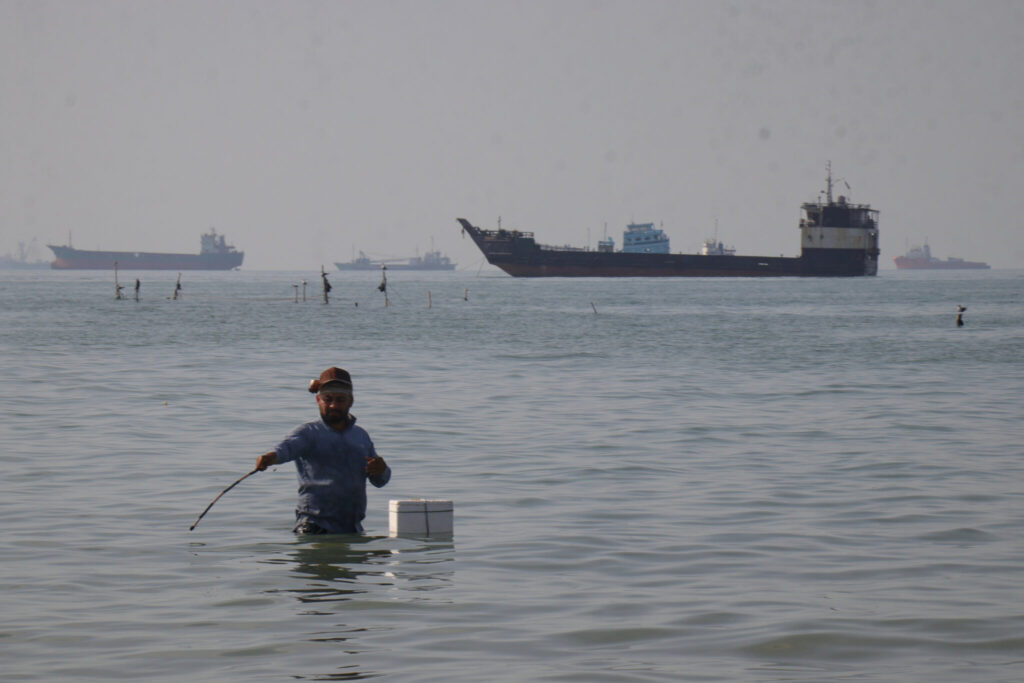
The Strait of Hormuz, located at the entrance of the Persian Gulf, is a vital chokepoint through which roughly one-fifth of global oil and natural gas supplies pass. Any disruption to this route has immediate implications for global energy markets and economic stability.
Iran Accused of Creating ‘Tollbooth’ System
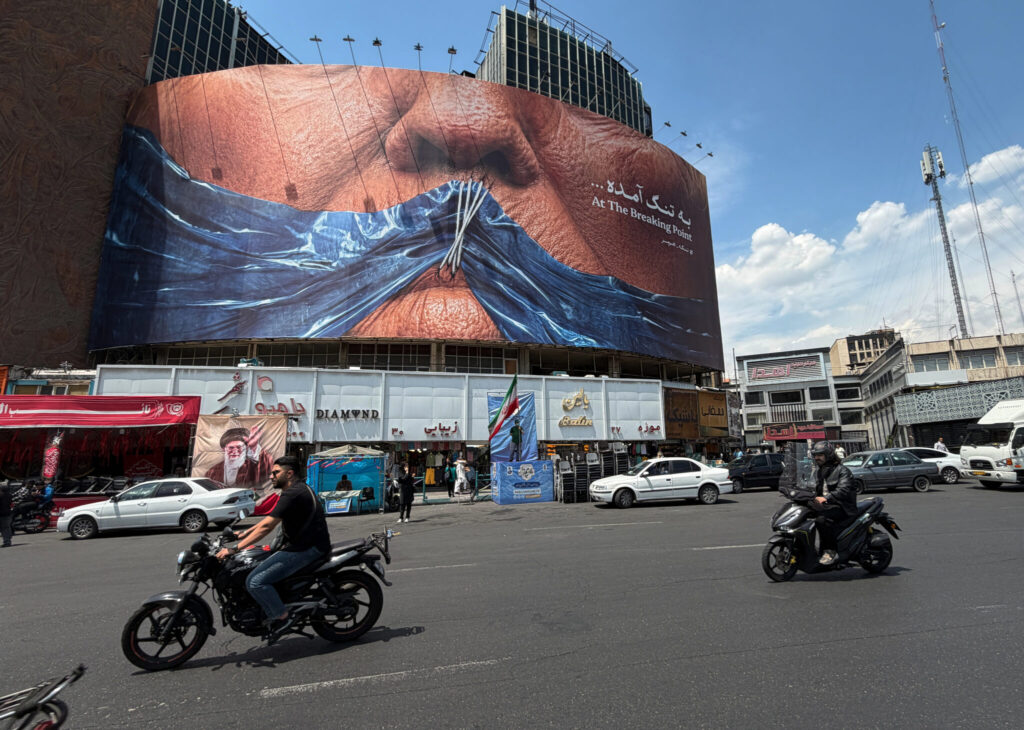
According to U.S. officials, Iran has effectively turned parts of the strait into a pay-to-pass system following escalating conflict earlier this year.
After hostilities began on Feb. 28 involving U.S. and Israeli military actions, Iran responded by targeting and threatening commercial vessels. The situation led to partial closure of the strait, forcing ships to reroute or delay transit.
Iran later began offering alternative routes closer to its coastline, sometimes charging fees for safe passage. The U.S. warning specifically targets this practice, describing it as a coercive “tollbooth” system.
Officials noted that such payments could take various forms beyond traditional cash transactions, including “digital assets, offsets, informal swaps, or other in-kind payments,” as well as charitable contributions or embassy-linked transactions.
US Responds With Naval Blockade
In response to Iran’s actions, the United States initiated a naval blockade of Iranian ports on April 13. The move aims to restrict Iran’s ability to export oil, a key source of revenue for its economy.
U.S. Central Command reported that at least 45 commercial vessels have been instructed to turn back since the blockade began, underscoring the scale of disruption in the region.
The blockade marks a significant escalation in economic and military pressure, further complicating already fragile diplomatic relations.
Ceasefire Holds Amid Ongoing Tensions
Despite the heightened conflict, a fragile ceasefire between the U.S. and Iran has held for approximately three weeks. However, both sides continue to accuse each other of violations.
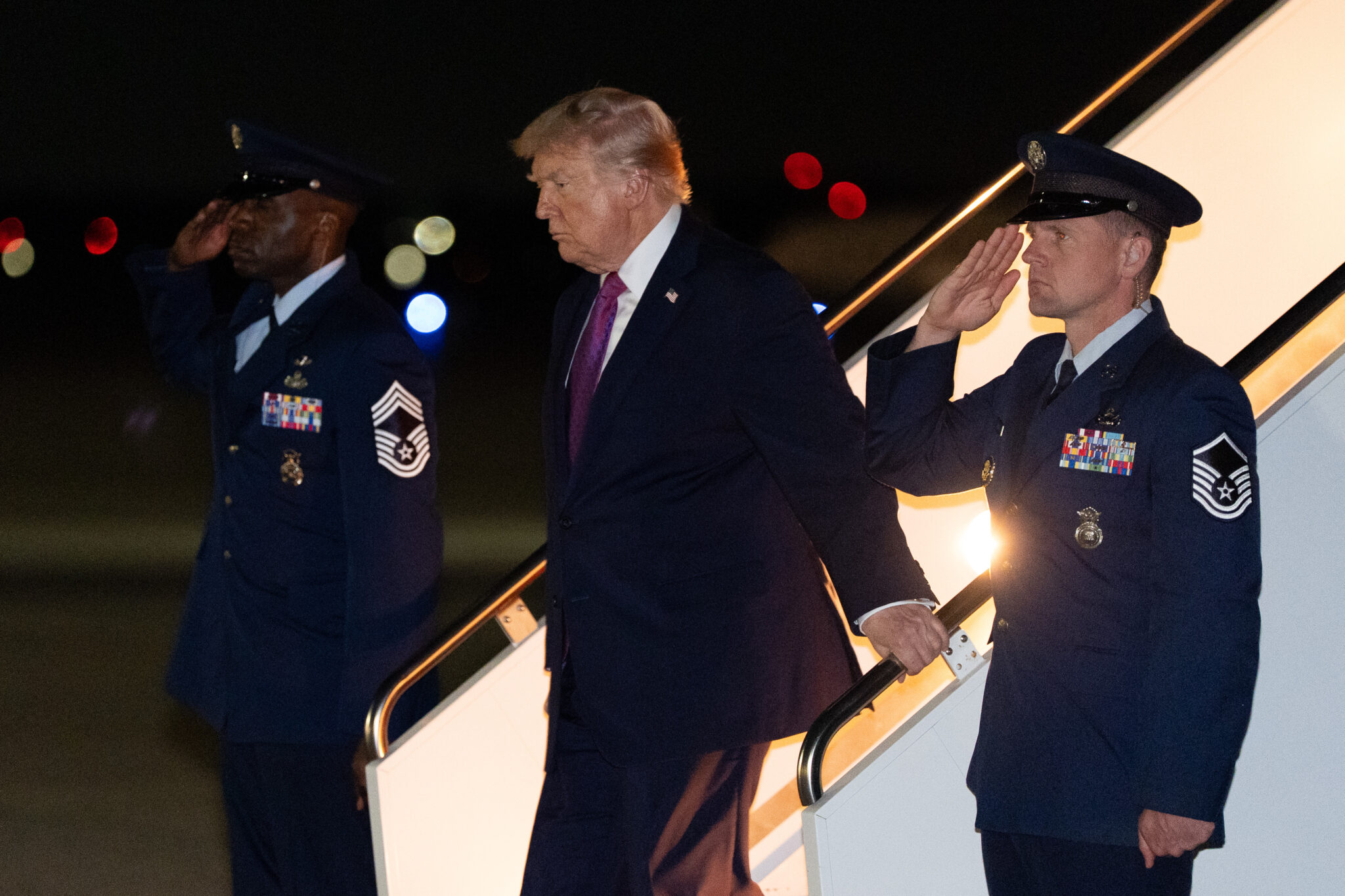
Diplomatic efforts are ongoing, with negotiations continuing through indirect channels. President Donald Trump recently rejected Iran’s latest proposal to end the war.
“They want to make a deal, I’m not satisfied with it, so we’ll see what happens,” Trump said, adding that Iran’s leadership appeared “very disjointed.”
The rejection highlights the uncertainty surrounding future negotiations and the potential for renewed escalation.
Human Rights Concerns Add Pressure
Amid the geopolitical tensions, concerns have also grown over human rights issues within Iran.
Nobel Prize laureate Narges Mohammadi has been hospitalized after being transferred from prison, with her condition described as “very high risk.” Reports indicate she is experiencing fluctuating blood pressure and severe nausea.
Her husband, Taghi Rahmani, expressed concern about delays in her treatment, stating that authorities have resisted transferring her to a hospital in Tehran.
“Until the angiography is done, it is not possible to determine what her main illness currently is,” he said.
Family members and advocates have called for urgent medical care, adding another layer of international scrutiny on Iran.
Executions Heighten International Concern
In a separate development, Iran announced the execution of two men convicted of spying for Israel. Authorities said the individuals were accused of sharing sensitive information with Israeli intelligence.
The executions are part of a broader crackdown, with more than a dozen people reportedly put to death in recent weeks on espionage-related charges.
Human rights organizations have criticized these actions, alleging that such trials often lack transparency and due process.
Global Implications for Trade and Security
The escalating situation in the Strait of Hormuz has far-reaching consequences beyond the immediate region. As a critical artery for global energy supplies, disruptions can influence fuel prices, shipping costs, and international trade flows.
The U.S. warning signals a broader strategy to deter financial support for Iran’s actions while maintaining pressure through economic and military means.
At the same time, the situation underscores the delicate balance between enforcing sanctions and ensuring the stability of global commerce.