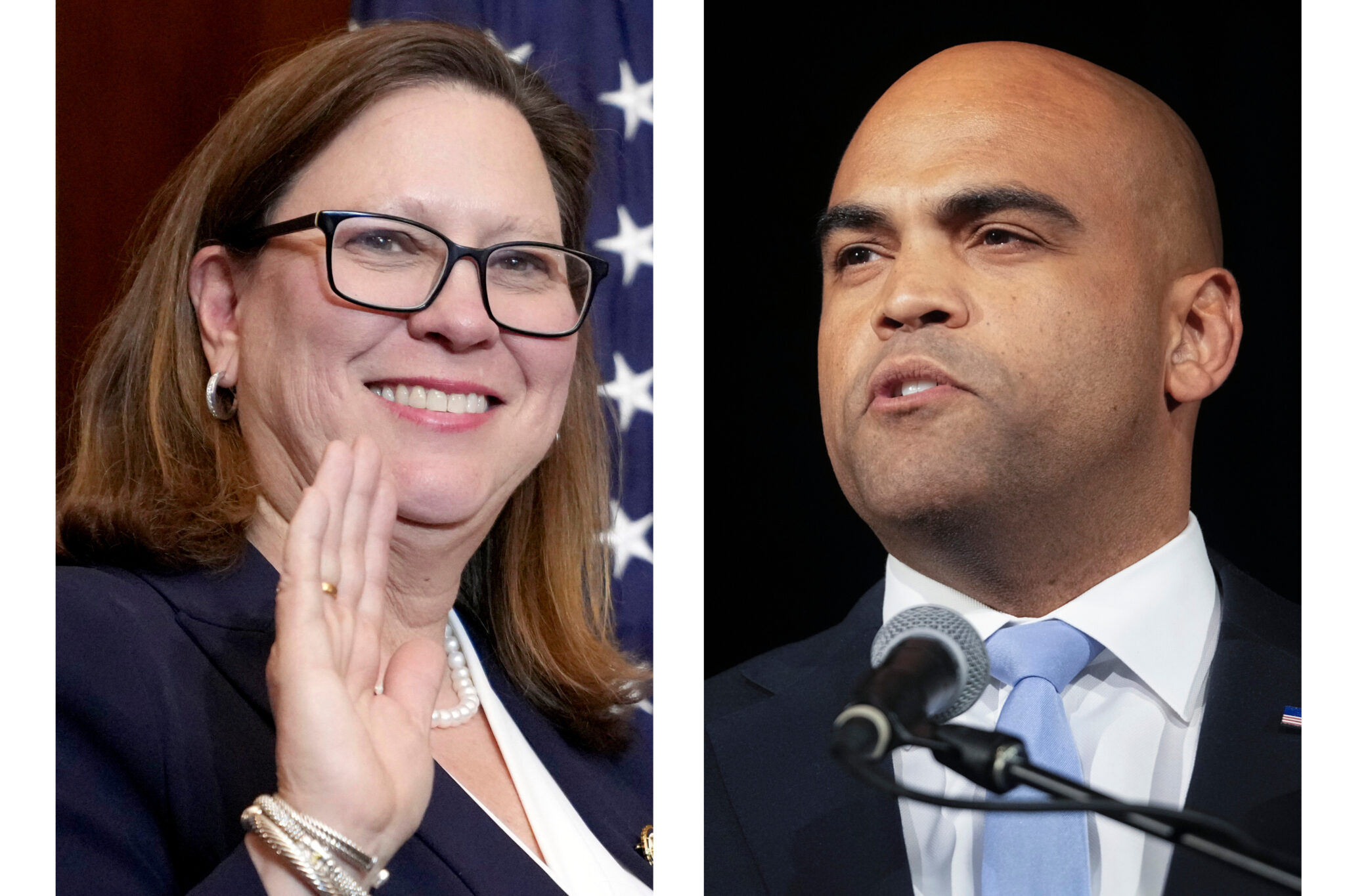
Democrats Feud over Stock Trading, Sharpen Anti-Corruption Case Against Trump/ Newslooks/ WASHINGTON/ J. Mansour/ Morning Edition/ Democratic candidates across the country are increasingly attacking rivals over congressional stock trading and personal wealth. The issue has become central to the party’s broader anti-corruption message against Donald Trump ahead of the midterms. Several high-profile primaries now feature accusations involving stock ownership, corporate donations and self-dealing.

Congressional Stock Trading Quick Looks
- Democrats are divided over stock trading reforms.
- Several primaries now feature corruption-focused attacks.
- Colin Allred criticized Julie Johnson over Palantir stock trades.
- Johnson defended the trades as financially insignificant.
- Reform advocates want lawmakers banned from trading stocks.
- Congress has not passed a stock trading ban.
- Trump previously backed a bipartisan reform proposal.
- Anti-corruption messaging is becoming central for Democrats.
- Multiple candidates signed integrity pledges.
- Critics say voters increasingly distrust both parties.

Deep Look
Democrats Turn Stock Trading Into Major Campaign Issue
Democrats across the country are intensifying attacks over congressional stock trading and personal wealth as the party attempts to sharpen its anti-corruption message ahead of the 2026 midterm elections.
The issue has become especially prominent in several high-profile Democratic primaries where candidates accuse rivals of profiting from public office or maintaining improper financial ties while serving in government.
Many Democrats also see the issue as politically useful against Donald Trump, whose critics argue his family continues to profit financially while he remains in office.
Colin Allred and Julie Johnson Trade Accusations
One of the sharpest disputes is unfolding in Texas, where former Congressman Colin Allred is facing Rep. Julie Johnson in a Democratic runoff for a Dallas-area House seat.
Allred criticized Johnson for stock trades involving companies such as Palantir, a data analytics company with connections to the Trump administration.
Johnson defended herself by arguing that the trades were handled through a financial adviser and generated minimal profit.
“To be clear, the sum total I made on that trade was only $90,” Johnson said.
Johnson also counterattacked by pointing to financial disclosures showing Allred’s wealth increased during his time in Congress, though Allred said his assets were managed in a blind trust and attributed most of the increase to his wife’s legal career.
Democrats Search for Stronger Anti-Corruption Message
Political strategists say the growing focus on congressional stock trading reflects broader voter distrust toward Washington.
Consultant Daniel Lobo-Lewis argued that neither party currently owns the anti-corruption issue because many voters view politicians in both parties as financially compromised.
Lobo-Lewis co-founded the Political Integrity Project, which tracks congressional stock trading and corporate donations.
The organization asks candidates to sign an “integrity pledge” promising to:
- Avoid trading individual stocks while in office
- Reject corporate political donations
- Refuse future lobbying jobs after leaving Congress
So far, roughly 90 challengers and seven sitting lawmakers have signed the pledge, all Democrats.
Congress Still Has No Trading Ban
Although insider trading laws already apply to members of Congress, lawmakers have repeatedly failed to pass broader restrictions banning congressional stock trading outright.
Several reform proposals remain stalled on Capitol Hill despite bipartisan public support and occasional endorsements from Trump himself.
Democrats also remain divided internally over how strict such legislation should be and whether existing proposals leave too many loopholes.
Anti-Wealth Attacks Spread Across Democratic Primaries
The issue has surfaced in multiple congressional races nationwide.
In Utah, state Sen. Nate Blouin attacked former Rep. Ben McAdams over equity tied to a Utah data center company. McAdams defended the investment as payment for prior consulting work.
In New York, former city comptroller Brad Lander criticized Rep. Dan Goldman over his vast personal fortune and campaign spending. Goldman, heir to the Levi Strauss family fortune, placed his assets into a blind trust after entering Congress.
Meanwhile in California:
- Rep. Brad Sherman faced criticism over inherited stock holdings
- Jake Levine was accused of insufficient financial disclosure
- Scott Wiener attacked Saikat Chakrabarti over wealth and investments
Each candidate framed the issue as part of a broader debate over money, influence and transparency in politics.
Democrats Aim to Rebuild Public Trust
Many Democratic candidates believe anti-corruption reforms could resonate strongly with voters frustrated by inflation, political division and distrust in institutions.
Advocates say reforms like stock trading bans carry unusually broad public support because voters across the political spectrum increasingly suspect politicians use public office for personal financial gain.
The debate is likely to remain central heading into November as Democrats attempt to present themselves as reformers while simultaneously confronting criticism within their own ranks.