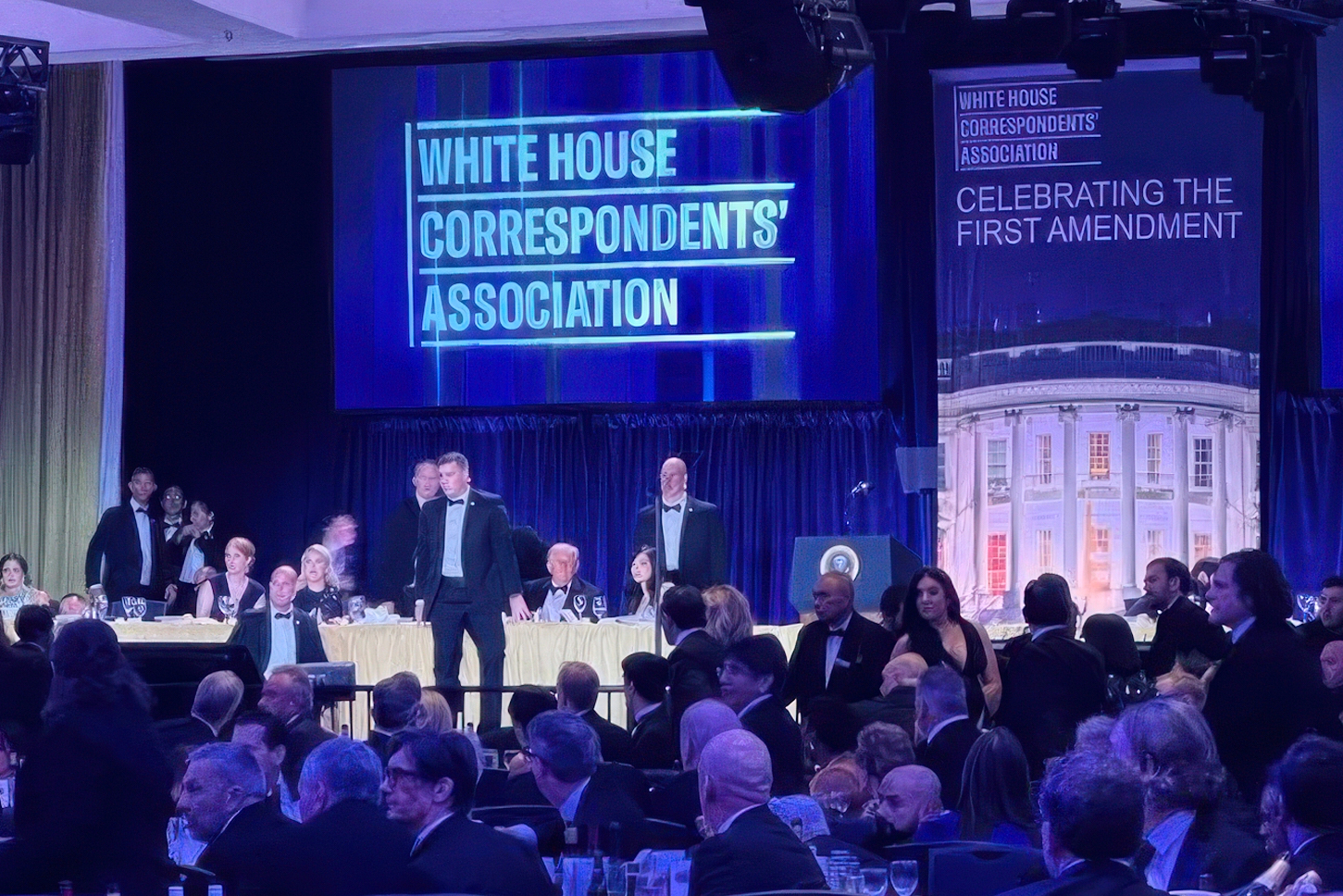
DOJ Uses White House Dinner Shooting to Push Trump Ballroom Project/ Newslooks/ WASHINGTON/ J. Mansour/ Morning Edition/ The Justice Department is using the White House Correspondents’ Dinner shooting to pressure preservationists to drop their lawsuit against President Donald Trump’s planned $400 million White House ballroom. Officials argue the Washington Hilton is too dangerous for presidential events and say the new ballroom would provide stronger long-term security. The legal fight over Trump’s demolition of the East Wing has now become tied directly to national security concerns.
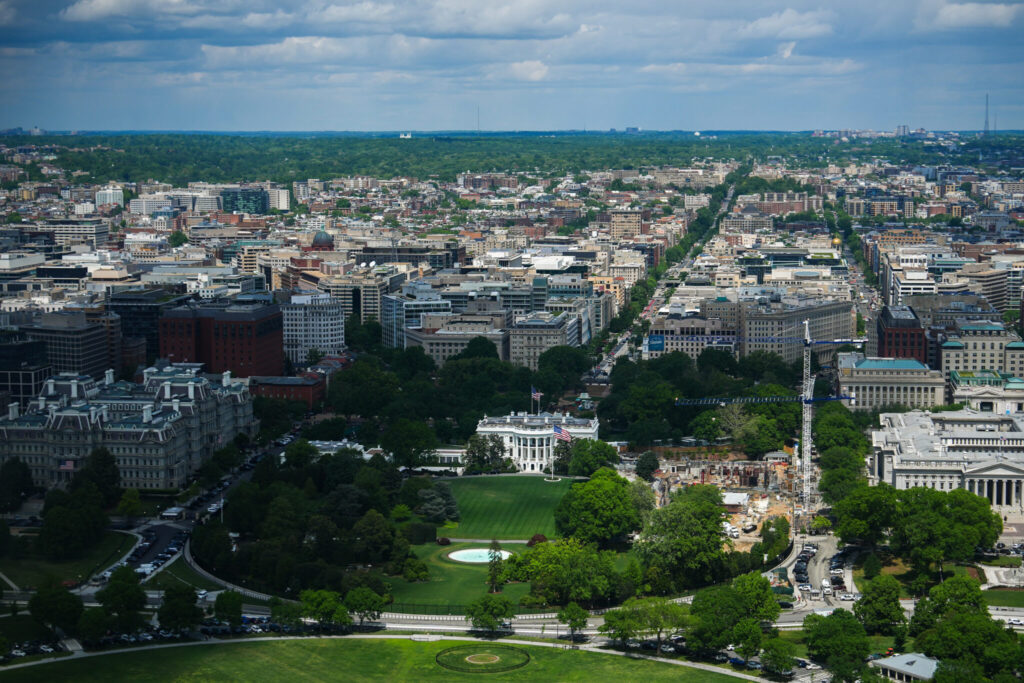
Trump White House Ballroom Quick Looks
- DOJ wants preservationists to drop lawsuit by Monday morning
- Officials say the Washington Hilton is “demonstrably unsafe”
- Trump’s planned ballroom would replace the demolished East Wing
- Project cost is estimated at $400 million
- Trump says the ballroom would hold 999 people
- Republicans and some Democrats now back the project
- Justice officials cite Saturday’s shooting as proof it is needed
- Construction is expected to continue through 2028
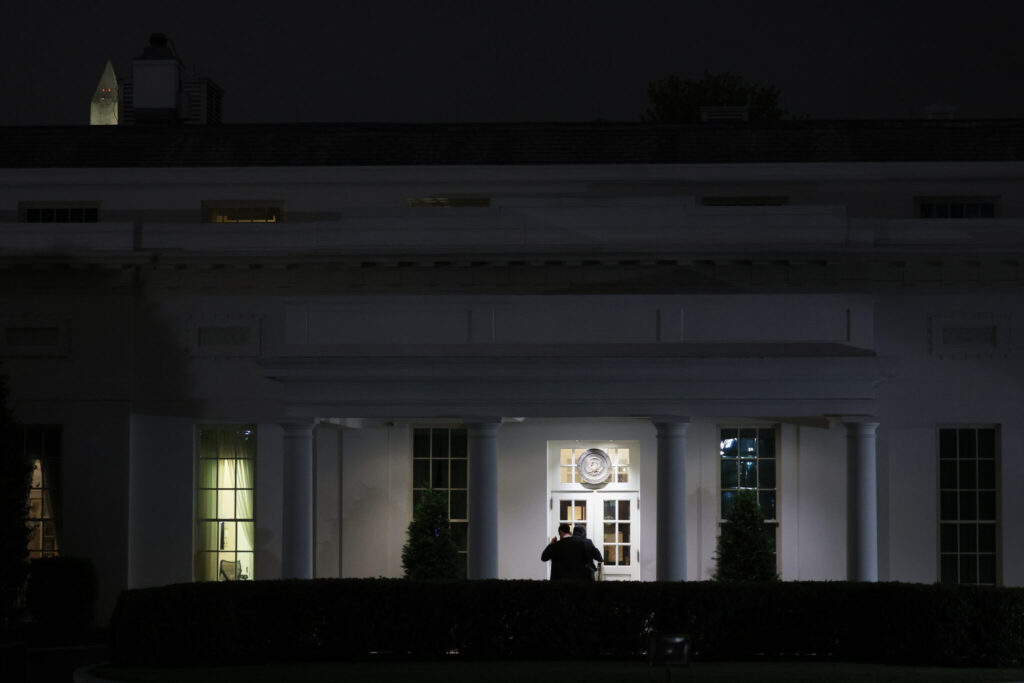
Deep Look
Justice Department Ties Ballroom Fight to Dinner Shooting
President Donald Trump’s Justice Department is now using the dramatic shooting at the White House Correspondents’ Dinner as fresh leverage in the legal fight over his planned $400 million White House ballroom.
Federal officials say the attack at the Washington Hilton proves Trump was right all along: major presidential events should no longer be held in outside venues with difficult security conditions.
Acting Attorney General Todd Blanche made the administration’s position bluntly clear Sunday.
“It’s time to build the ballroom,” he posted on X.
The message came with a formal letter demanding that preservationists immediately drop their lawsuit against the project—or face federal action in court.
DOJ Gives Preservationists a Deadline
Assistant Attorney General Brett Shumate sent a letter to the National Trust for Historic Preservation, the group suing to block construction of the ballroom.
The letter gave the organization until 9 a.m. Monday to dismiss the lawsuit voluntarily.
If it refuses, the Justice Department says it will ask a court to throw the case out “in light of last night’s extraordinary events.”
The government’s argument centers on the White House Correspondents’ Dinner shooting, where a gunman attempted to breach security at the Washington Hilton while Trump and top administration officials were inside.
Officials now say that venue itself proves the need for a permanent White House ballroom.
Why the Washington Hilton Is Now the Example
According to the Justice Department, the Hilton is simply too large and too difficult to secure for events involving the president.
Shumate described it as “demonstrably unsafe” because of its size and the “extraordinary security challenges” it creates for the Secret Service.
The ballroom attack on Saturday night, when a suspect armed with multiple weapons rushed past security barriers, became the strongest example.
Federal officials argue that a secured White House ballroom would prevent similar threats in the future.
The letter stated that the White House ballroom “will ensure the safety and security of the President for decades to come and prevent future assassination attempts on the President at the Washington Hilton.”
That framing shifts the issue from architecture to national security.
Trump Has Been Pushing This for Months
The ballroom project is not new.
Trump has repeatedly talked about it for months, often bringing it up even during unrelated events.
He has argued that the White House needs a large, modern, secure ballroom capable of hosting major events without relying on outside hotels.
He says the planned venue would hold 999 people and serve as both a ceremonial and security upgrade.
Saturday night’s shooting immediately gave him stronger political ammunition.
As reporters fled the Hilton after the attack and later gathered at the White House, Trump once again linked the incident directly to the ballroom.
He said the event proved the need for tougher security and a permanent in-house solution.
The East Wing Was Already Torn Down
The legal controversy began long before the shooting.
Trump ordered the demolition of the White House East Wing last fall to make room for the massive ballroom.
The National Trust for Historic Preservation sued in December, arguing that the president overstepped his authority by moving forward without approval from Congress and key federal agencies.
The group says the East Wing held major historic significance and should not have been removed for a personal construction project.
Trump argues the project is funded through private donations, although taxpayers are covering the costs of the bunker and major security upgrades tied to the construction.
That legal fight is still ongoing.
Republicans Quickly Rally Behind the Project
Following the shooting, Republicans rapidly turned the ballroom into a national security argument.
Rep. Jim Jordan of Ohio said he agreed with Trump “100%.”
On Fox News, Jordan said the White House ballroom would “obviously” be a much safer place for events like the correspondents’ dinner.
Sen. Lindsey Graham also publicly backed the plan.
He called the ballroom “a national security necessity” and said it would give the Secret Service “immense control over the security environment of future events with a very hardened facility.”
The political message became clear: this is no longer just a construction fight—it is about presidential protection.
Even Democrats Showed Support
Perhaps more surprising, some Democrats also supported Trump’s argument after the shooting.
Sen. John Fetterman of Pennsylvania attended the correspondents’ dinner and later said the White House ballroom should be used “for events exactly like these.”
On CNN, Fetterman said the event revealed how vulnerable Washington had become, especially with so many senior leaders gathered in one place.
He pointed out that multiple people in the presidential line of succession were inside the Hilton ballroom during the attack.
When asked whether the incident would increase support for the project, he responded:
“I certainly hope so.”
That rare bipartisan agreement gave Trump’s proposal new momentum.
White House Security Has Been Tested Before
Supporters of the project argue the White House has always had security risks—even inside its own gates.
There is a long history of serious breaches.
In 2014, a disturbed Army veteran carrying a knife jumped the White House fence and made it deep inside the building before being stopped.
The security failure led to major embarrassment for the Secret Service and the resignation of its director.
In 1994, a stolen small plane crashed into the South Lawn.
In 2009, uninvited guests Tareq and Michaele Salahi famously entered a White House state dinner after passing through security checkpoints and even met President Barack Obama.
These incidents show that even the White House is not perfect.
Still, supporters argue a hardened ballroom inside the presidential complex offers far more control than a crowded hotel.
The Courts Are Still Deciding
The project remains in active litigation.
Earlier this month, a federal appeals court allowed Trump to continue parts of construction.
That ruling came just one day after a lower court judge blocked above-ground construction while allowing below-ground work for a bunker and other national security facilities to continue.
U.S. District Judge Richard Leon’s decision stopped work on the visible ballroom structure but allowed underground security work to proceed.
A major hearing is scheduled for June 5 to review the case further.
Until then, the legal future of the ballroom remains uncertain.
Trump Says It Will Be Done by 2028
Trump remains confident the project will be completed before the end of his current term.
Speaking on Fox News Sunday, he predicted the finished ballroom would be ready by 2028.
“In the year ’28 you’re going to have something, you’re going to have a ballroom, the top of the line, security,” Trump said.
“You’re not going to have problems.”
For Trump, the project is about legacy as much as security.
He sees it as both a symbol of presidential strength and a permanent solution to what he views as decades of logistical failure.
A Construction Fight Turned Political
What began as a historic preservation lawsuit has now become one of the most politically charged building fights in Washington.
The White House ballroom is no longer just about architecture or aesthetics.
It is now tied to assassination fears, national security, presidential legacy, and a rare moment of bipartisan agreement.
Saturday’s dinner shooting transformed the debate overnight.
Now the administration is using that crisis to try to finish a project Trump has wanted from the start.
Whether the courts allow it may determine one of the most visible physical changes to the White House in modern history.