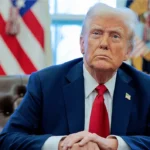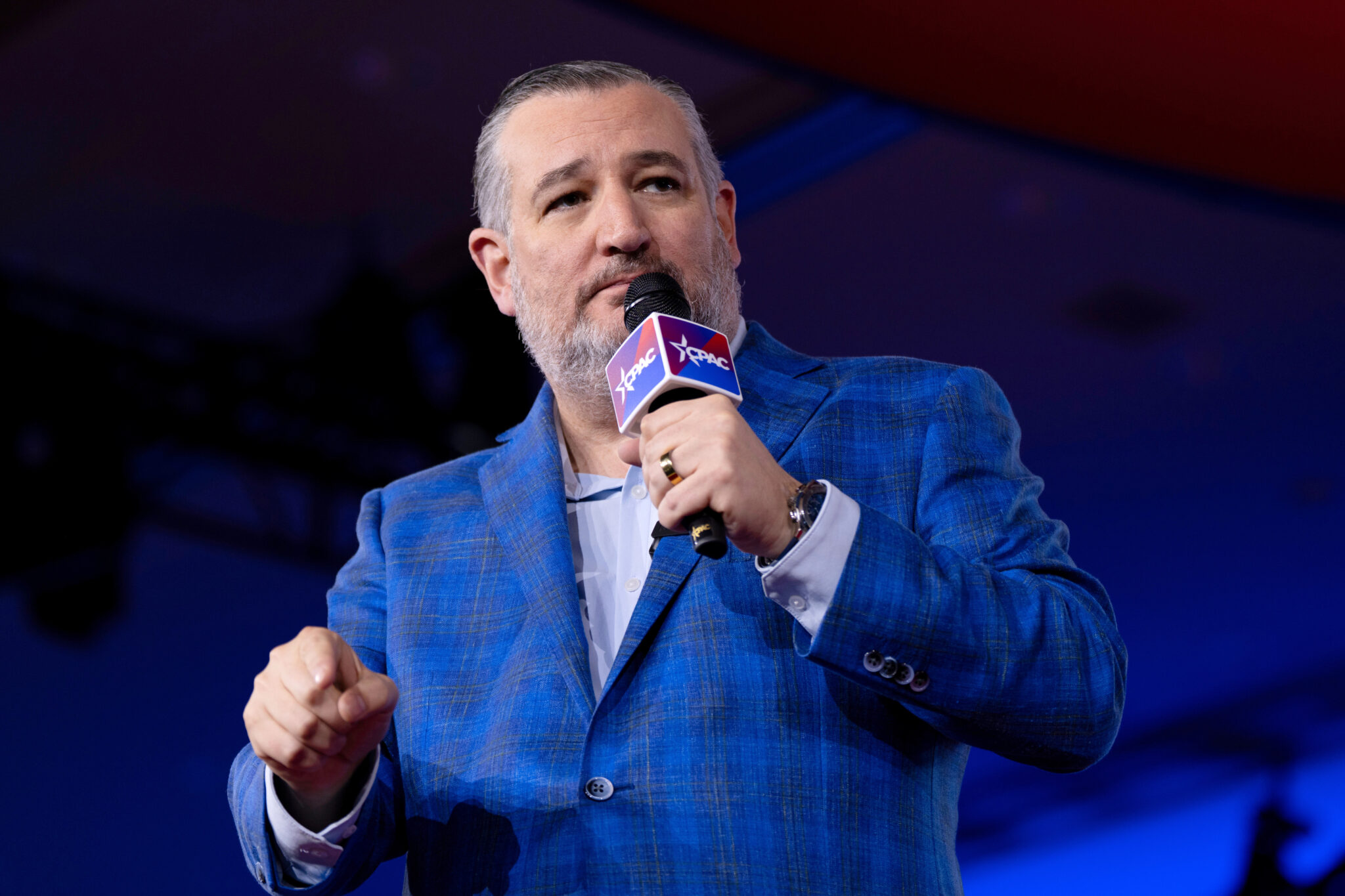
GOP Hawks Slam Trump Proposal to End Iran Conflict/ Newslooks/ WASHINGTON/ J. Mansour/ Morning Edition/ Several prominent Republicans are criticizing Donald Trump over his emerging proposal to end the Iran war. Lawmakers including Ted Cruz and Lindsey Graham argue the deal could leave Iran too powerful. Trump defended the negotiations while insisting any final agreement would prevent Iran from obtaining nuclear weapons.
Trump Iran Deal Backlash Quick Looks
- Republicans are split over Trump’s Iran negotiations.
- Ted Cruz called the potential deal “a disastrous mistake.”
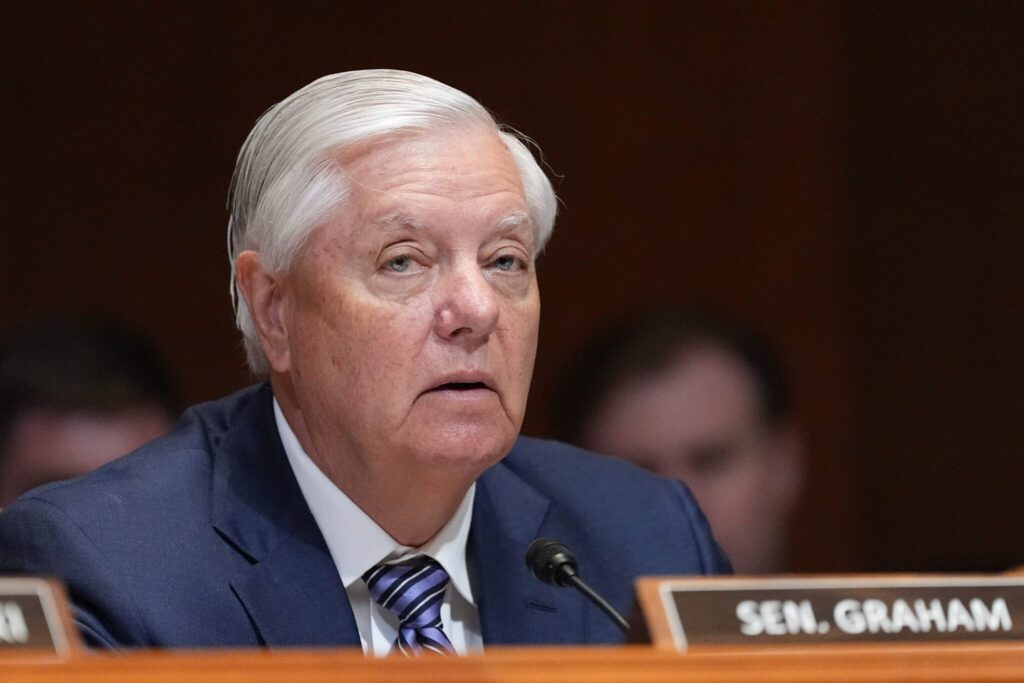
- Lindsey Graham criticized any deal preserving Iran’s influence.
- Roger Wicker opposed a proposed 60-day ceasefire.
- Trump said critics “know nothing” about negotiations.
- Iran would reportedly reopen the Strait of Hormuz.
- The proposal includes surrendering enriched uranium stockpiles.
- Rand Paul defended Trump’s diplomacy efforts.
- Marco Rubio insisted Iran will never get nuclear weapons.
- Polls show the war remains unpopular with Americans.
Deep Look
Republicans Turn Against Trump’s Emerging Iran Proposal
Donald Trump is facing mounting criticism from several influential Republicans as details emerge about a proposed agreement aimed at ending the Iran war.
Conservative lawmakers and foreign policy hawks worry the negotiations could allow Iran to maintain significant regional power despite months of military conflict and economic pressure.
The criticism marks one of the most significant public foreign policy disagreements inside Trump’s Republican coalition during his second term.
Ted Cruz Warns Against Weak Agreement
Ted Cruz strongly criticized the developing proposal, arguing Trump’s military strikes against Iran would lose meaning if Tehran retains nuclear capabilities or regional leverage.
Cruz said the president’s decision to strike Iran was the “most consequential” of his second term and that he should not let up now.
“If the result of all that is to be an Iranian regime — still run by Islamists who chant ‘death to America’ — now receiving billions of dollars, being able to enrich uranium & develop nuclear weapons, and having effective control over the Strait of Hormuz, then that outcome would be a disastrous mistake,” Cruz wrote Saturday on the social media platform X. It was in reaction to Trump’s update after he had spoken with the leaders of Israel and other U.S. allies in the region.
Cruz warned against any outcome where Iran:
- Continues enriching uranium
- Maintains influence over the Strait of Hormuz
- Receives sanctions relief or financial benefits
- Preserves its Islamist leadership structure
Cruz described the possibility as “a disastrous mistake.”
Lindsey Graham and Roger Wicker Join Criticism
Lindsey Graham also criticized the proposal, arguing Iran should not emerge from negotiations appearing stronger in the region.
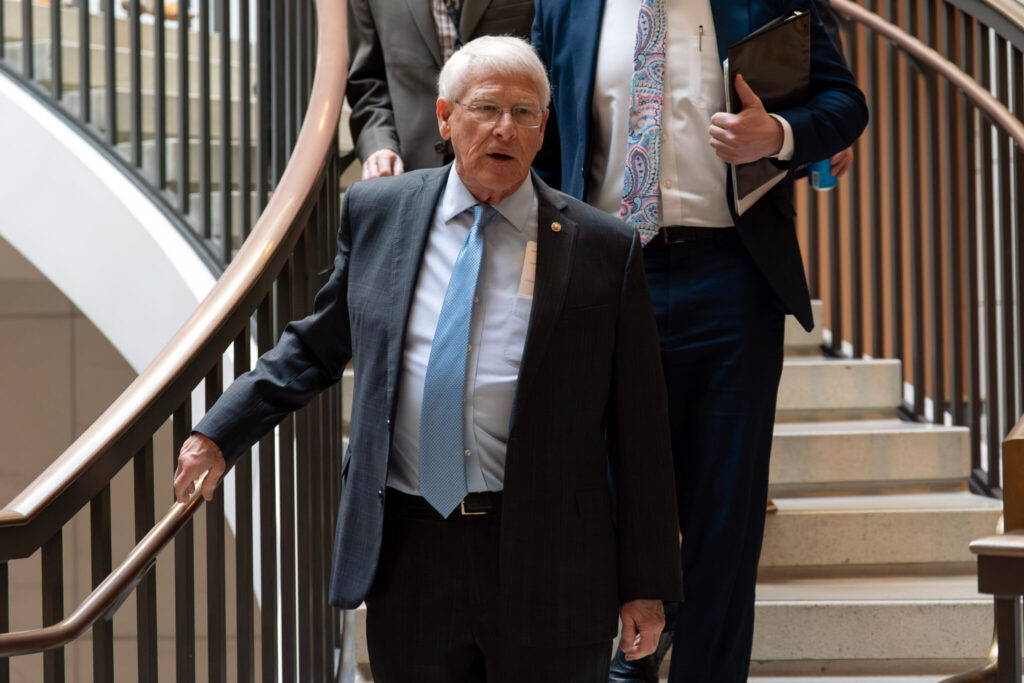
Meanwhile, Roger Wicker questioned the wisdom of a reported 60-day ceasefire framework tied to the negotiations.
“Everything accomplished by Operation Epic Fury would be for naught!” said Wicker, R-Miss.
Trump Defends Negotiations
Trump pushed back aggressively against critics on social media, insisting the agreement remains unfinished and warning Republicans not to undermine the process prematurely.
The president said the proposal differs completely from the Obama-era nuclear deal that he withdrew from during his first term.
Trump argued:
- Negotiations require patience
- Military pressure remains active
- The naval blockade against Iran continues
- No final concessions have been approved
“So don’t listen to the losers, who are critical about something they know nothing about,” Trump wrote regarding critics of the negotiations.
“Both sides must take their time and get it right. There can be no mistakes!” Trump said.
Proposed Terms Begin Emerging
According to regional officials cited in reports, the developing framework could include:
- An end to military hostilities
- Reopening the Strait of Hormuz
- Iran surrendering highly enriched uranium stockpiles
- A 60-day period to finalize details and timelines
The Strait of Hormuz remains a central issue because roughly 20% of the world’s energy supply passes through the waterway.
Its closure during the conflict contributed to surging oil and gasoline prices globally.
Rand Paul Backs Diplomacy
Not all Republicans oppose Trump’s approach.
Rand Paul defended the White House negotiations and argued wars historically conclude through diplomacy.
“War virtually always ends with negotiations,” Paul wrote on X. “Critics of President Trump’s peace negotiations should give President Trump the space to find an American First solution.”
Rep. Thomas Massie also suggested that backlash from hawkish Republicans could indicate the deal may actually be favorable.
“if Lindsey Graham and Ted Cuz are crashing out last night, I’d say it’s probably a pretty good deal.”
Pompeo and Bolton Also Sound Alarm
Several former Trump administration officials criticized the reported framework as well.
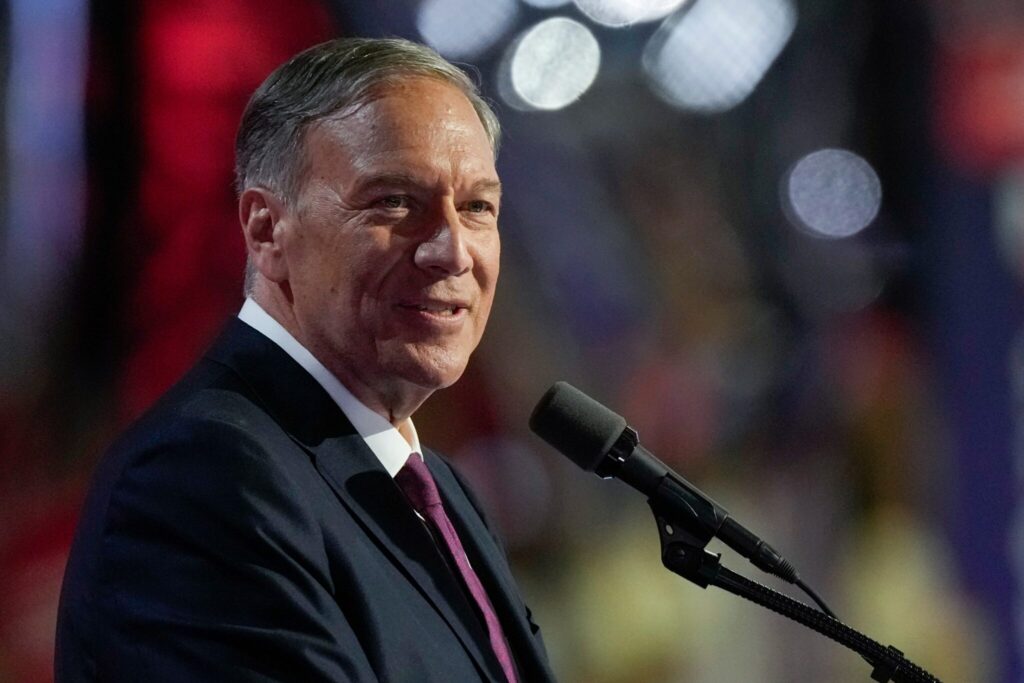
Former Secretary of State Mike Pompeo argued the proposal resembled the Obama-era Iran nuclear agreement Trump once condemned.
Pompeo, one of Trump’s first-term secretaries of state, asserted on Saturday that the emerging deal seemed to him to be the same as the Obama-era one from which Trump withdrew.
“Not remotely America First,” Pompeo said on X, prompting a profanity-laced rejoinder from Steven Cheung, the White House director of communications.
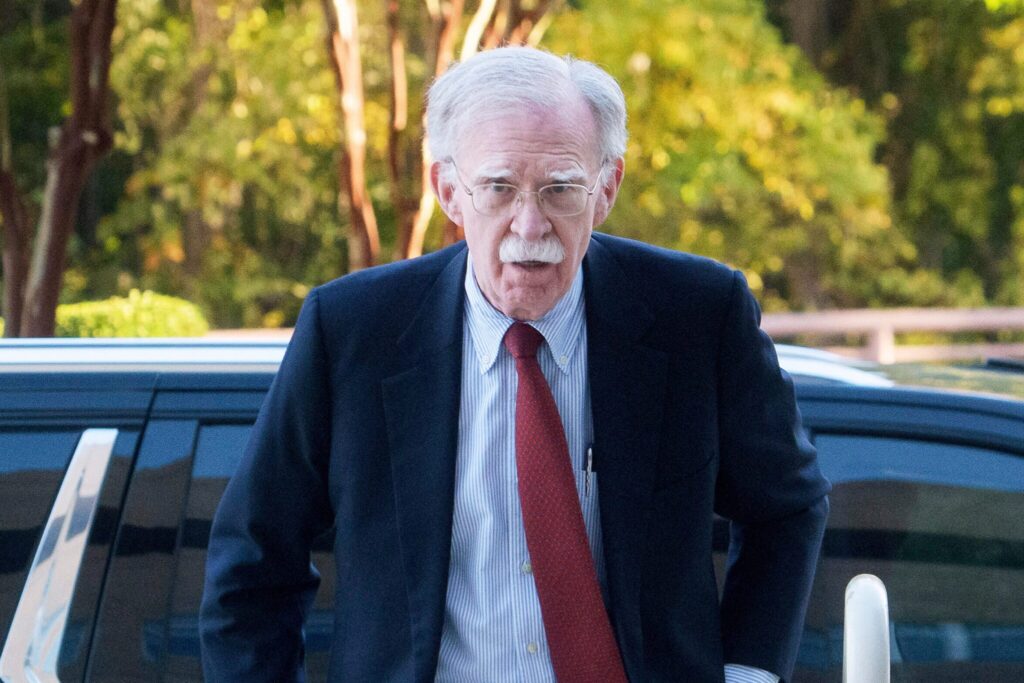
John Bolton, a national security adviser in the first term who has become a critic of the president, said the emerging plan details seemed to favor the Iranian government.
“If news reports about the impending Iran deal are correct, the ayatollahs will have won a significant victory,” Bolton wrote Sunday on X. “They will be back on the road to nuclear weapons, supporting global terrorism and repressing their own people.”
Bolton warned the arrangement could allow Iran to rebuild nuclear capabilities and continue supporting militant groups across the region.
Rubio Reassures Allies
Marco Rubio defended Trump while traveling in India, insisting the administration would never permit Iran to obtain a nuclear weapon.
Rubio rejected suggestions that the White House was preparing to weaken its stance on Tehran.
“His commitment to that principle that they’ll never have a nuclear weapon shouldn’t be questioned by anybody,” Rubio said. “And the idea that somehow this president, given everything he’s already proven he’s willing to do, is going to somehow agree to a deal that ultimately winds up putting Iran in a stronger position when it comes to nuclear ambitions is absurd. That’s just not going to happen.”
He said Trump’s willingness to use force against Iran already demonstrates his commitment to stopping Iranian nuclear ambitions permanently.
War Remains Politically Risky
The war with Iran remains politically sensitive for the White House.
According to polling referenced in the report:
- The conflict is unpopular with many Americans
- U.S. taxpayers have spent at least $29 billion
- Thirteen American service members have died
Trump initially predicted the war would end within six weeks, but the conflict has stretched on for months, increasing pressure on the administration to produce a diplomatic resolution.