


Hegseth Orders Annual Testosterone Screenings for US Troops/ Newslooks/ WASHINGTON/ J. Mansour/ Morning Edition/ Defense Secretary Pete Hegseth announced a new Pentagon policy requiring annual testosterone deficiency screenings for service members age 30 and older. The initiative is designed to improve troop readiness but has sparked debate over medical evidence, hormone therapy and whether similar testing should be offered to female service members.
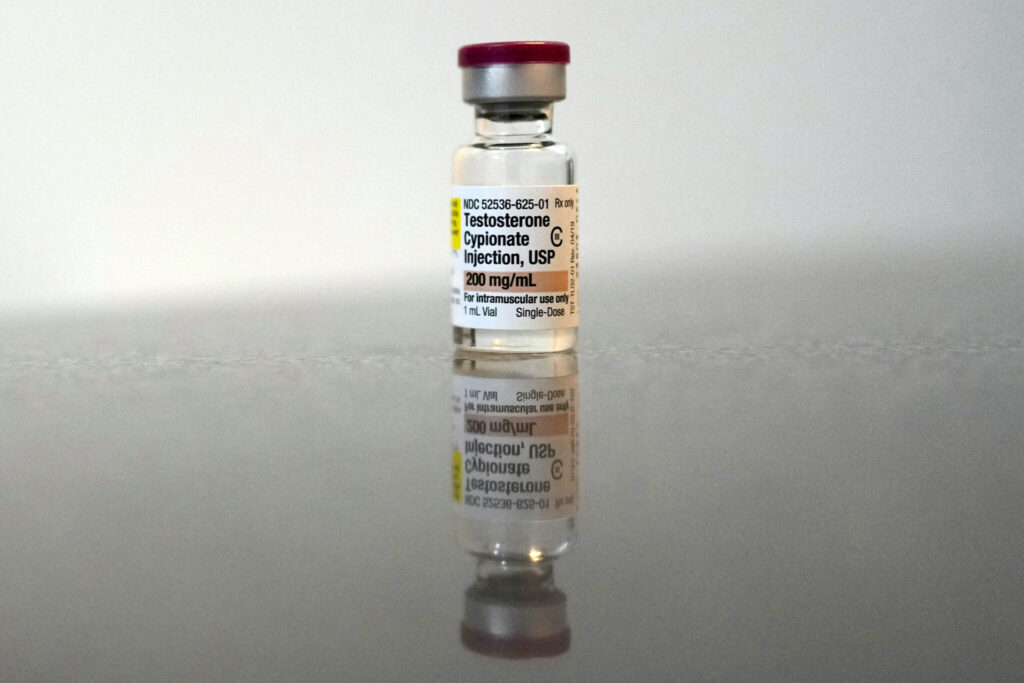
Pentagon Testosterone Policy Quick Looks
- Pentagon will begin annual testosterone screenings.
- Service members age 30 and older will be tested during routine medical exams.
- Troops under 30 may volunteer for testing.
- Testosterone replacement therapy will remain voluntary.
- Hegseth says the policy supports military readiness.
- Pentagon did not detail scientific research supporting the program.
- FDA recently proposed easing restrictions on testosterone prescriptions.
- Medical experts generally recommend testing only for men with symptoms.
- Democratic lawmakers questioned why women are excluded.
- Critics compared the policy to hormone-related treatments Hegseth has opposed.
- Pentagon did not say whether women could receive hormone evaluations.
- Program follows increased scrutiny of testosterone use among Navy SEALs.
Pentagon Launches Testosterone Screening Program for Troops
Hegseth Announces New Military Health Initiative
Defense Secretary Pete Hegseth announced Wednesday that the Pentagon will begin screening troops for testosterone deficiency as part of a new military health initiative aimed at improving force readiness.
Under the policy, annual testosterone screenings will become part of routine medical examinations for service members aged 30 and older.
Military personnel younger than 30 will be able to volunteer for testing.
Hegseth said any testosterone replacement therapy offered through the program would remain voluntary.
The defense secretary described the initiative as an effort to ensure troops remain physically and mentally prepared for military service.
He said the demands of modern warfare require service members to perform at their highest level.
Screenings Focus on Male Troops
Although Hegseth referred broadly to “troops” during his announcement, the policy appears to focus only on male service members.
The Pentagon did not indicate whether female personnel would receive comparable hormone evaluations involving estrogen or menopause-related conditions.
Officials also declined to explain whether similar screening programs for women are under consideration.
The lack of clarity prompted immediate criticism from some lawmakers.
Pentagon Cites Readiness, Not Performance Enhancement
Hegseth emphasized that the program is intended to improve military readiness rather than artificially enhance physical performance.
He said the initiative is designed to keep troops “strong, resilient and capable.”
The Pentagon later referred reporters back to Hegseth’s public remarks when asked what medical conditions the department hopes to identify.
Officials also did not provide scientific studies or research supporting the policy.
The absence of supporting medical data has fueled questions from public health experts.
Testosterone Use Already Under Military Scrutiny
The military has confronted questions involving testosterone use in recent years.
Attention intensified following the death of a Navy SEAL recruit during training in 2022.
Investigators discovered testosterone and other performance-enhancing substances among the recruit’s belongings.
The incident led to broader investigations into hormone use within elite military units.
In response, the Navy established drug testing for hormonal substances related to testosterone that promote muscle growth.
The new Pentagon-wide screening initiative is separate from those drug testing efforts.
Testosterone Debate Extends Beyond Military
The announcement comes as other Trump administration officials advocate expanding access to testosterone replacement therapies.
Health Secretary Robert F. Kennedy Jr. has supported making testosterone treatments more readily available.
Last month, the Food and Drug Administration proposed easing prescribing restrictions for testosterone medications, including injections, gels, patches and pills.
Current FDA guidance generally limits testosterone therapy to men diagnosed with hypogonadism, a medical condition resulting in significantly low testosterone levels.
Outside traditional medical practice, some supporters of Kennedy’s “Make America Healthy Again” movement promote testosterone as a way to increase muscle, improve mental sharpness and slow aging.
Most mainstream medical organizations do not endorse those broader claims.
Medical Evidence Remains Mixed
Medical experts generally agree that testosterone naturally declines as men age.
Lower testosterone has been associated with symptoms including:
- Reduced libido
- Erectile dysfunction
- Mood changes
- Weight gain
Recent research has shown testosterone therapy may benefit certain patients.
Studies have demonstrated improvements in sexual function and modest gains in mood.
Research has also shown possible increases in muscle mass, strength and bone density.
However, evidence remains limited regarding improvements in fatigue, memory and overall quality of life.
Current medical guidelines generally recommend testosterone testing only when patients display symptoms alongside repeated laboratory evidence of low hormone levels.
Because testosterone levels fluctuate throughout the day, physicians typically recommend morning fasting blood tests before making a diagnosis.
FDA Has Updated Safety Guidance
The safety profile of testosterone therapy has also evolved.
Earlier concerns centered on possible links to heart attacks and strokes.
Last year, the FDA removed its boxed warning regarding those cardiovascular risks after reviewing newer evidence.
Researchers continue studying the long-term benefits and risks of hormone replacement therapy.
Medical organizations generally continue to recommend individualized treatment rather than widespread population screening.
Democratic Lawmakers Question Policy
Several Democratic lawmakers criticized the Pentagon’s announcement.
Sen. Tammy Duckworth of Illinois, an Iraq War veteran, questioned whether the program resembles forms of hormone-related medical care that Hegseth has previously opposed.
Duckworth suggested broader hormone screening should be available to all service members.
She pointed to research showing both male and female military personnel experience infertility at higher rates than the general population.
Rep. Chrissy Houlahan, a former Air Force officer, also criticized the initiative.
She argued the policy reflects ideological influences rather than established military medical priorities.
Both lawmakers urged the Pentagon to expand hormone evaluations beyond testosterone testing.
Policy Continues Hegseth’s Military Medical Changes
The testosterone initiative follows several other changes to military medical policy under Hegseth’s leadership.
Earlier this year, the defense secretary ended the military’s long-standing influenza vaccine requirement.
Hegseth cited medical autonomy and religious freedom when announcing the decision.
Several weeks later, an influenza outbreak at Air Force basic training sickened nearly 300 recruits.
Hegseth has also opposed women serving in certain combat positions and has supported maintaining what he calls the military’s highest physical standards.
His latest announcement continues a broader effort to reshape military personnel and health policies during the Trump administration.
Military Readiness Remains Pentagon’s Focus
The Pentagon says the testosterone screening program is designed to strengthen force readiness by identifying treatable hormone deficiencies.
Supporters argue the initiative could improve physical performance, resilience and operational effectiveness among service members with clinically low testosterone.
Critics question whether broad screening is medically justified and why similar hormone evaluations are not being offered to women.
As implementation begins, the policy is likely to remain part of a broader national debate over hormone therapy, military medical standards and the role of science in public health decisions.






You must Register or Login to post a comment.