Israel Strikes Southern Lebanon as Ceasefire Faces New Challenges/ Newslooks/ WASHINGTON/ J. Mansour/ Morning Edition/ Israeli forces launched airstrikes across southern Lebanon after issuing evacuation warnings to multiple villages. The attacks came amid growing uncertainty surrounding a recently announced ceasefire agreement that Hezbollah has rejected. The fighting continues to complicate broader efforts to ease regional tensions and reopen critical global shipping routes.

Israel Lebanon Ceasefire Quick Looks
- Israeli airstrikes targeted several locations in southern Lebanon.
- Lebanese authorities reported nine fatalities.
- Evacuation warnings were issued for nine villages.
- Hundreds of families fled Anqoun and nearby areas.
- Israeli troops withdrew from Dibbine after recent operations.
- Hezbollah continues to reject the latest ceasefire arrangement.
- Lebanese officials demand a complete Israeli withdrawal.
- U.S. forces boarded a sanctioned tanker linked to Iran.
- Southern Lebanon has suffered widespread destruction.
- More than 3,500 people have been killed in Lebanon since the war began.
Israel Lebanon Ceasefire Deep Look
Israeli warplanes carried out a series of airstrikes across southern Lebanon on Friday following evacuation warnings issued to several villages, intensifying concerns that a newly announced ceasefire arrangement may struggle to hold.
The strikes hit multiple areas across southern Lebanon and came as diplomatic efforts continue to seek a broader regional settlement involving Lebanon, Israel, Iran and Hezbollah.
Evacuation Warnings Trigger New Displacement
Earlier Friday, the Israeli military’s Arabic-language spokesperson warned residents in nine villages to evacuate.
The warnings prompted hundreds of families to flee from Anqoun and surrounding communities near the southern city of Sidon.
Anqoun had become a refuge for many civilians displaced by months of fighting elsewhere in southern Lebanon. Local reports indicated that approximately 2,500 displaced residents had been sheltering in the village before the warnings were issued.
Nearly three hours after the evacuation notices, Israeli aircraft launched strikes against several of the designated locations, including Anqoun.
Destruction Across Southern Lebanon
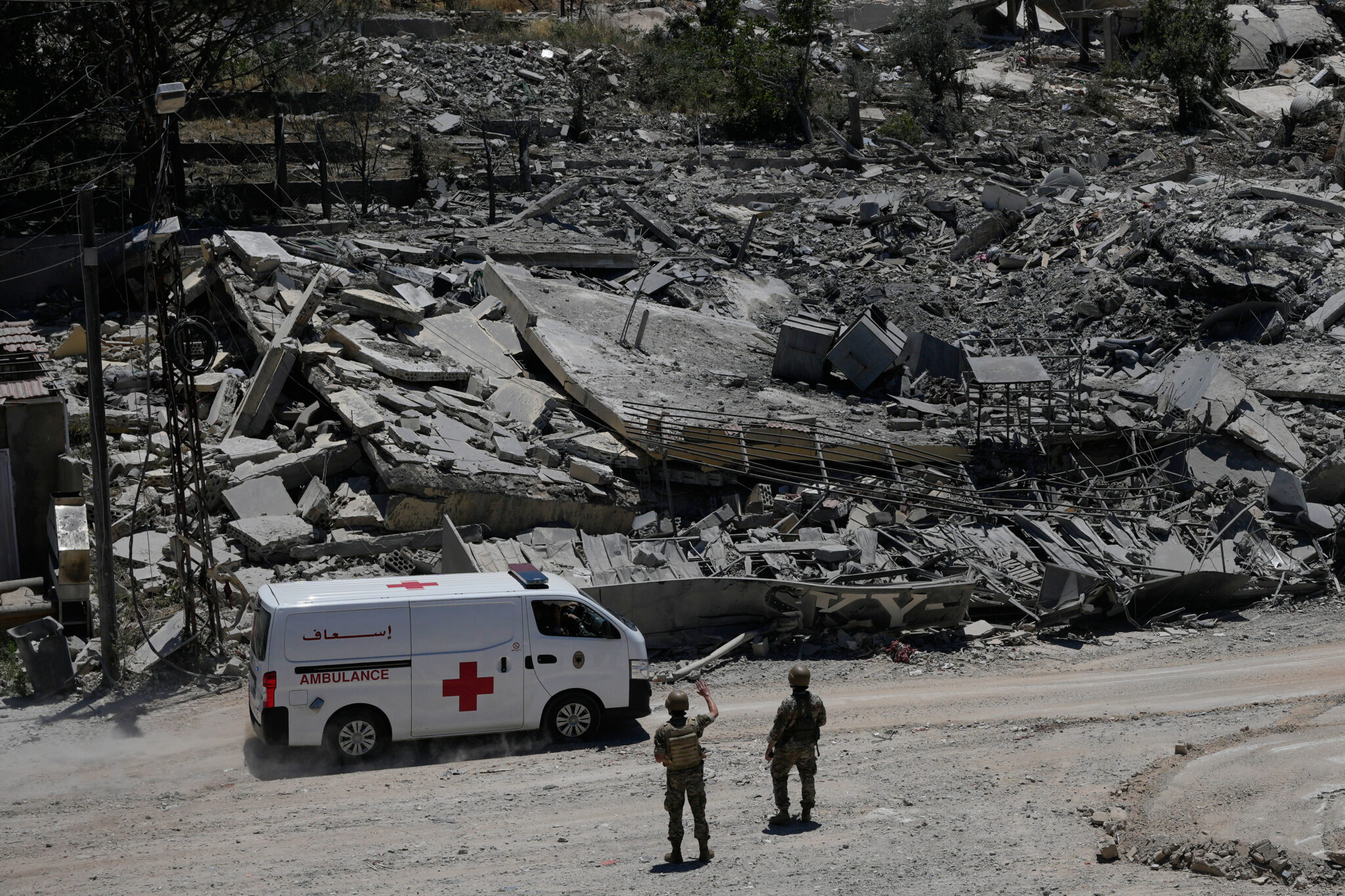
Large sections of southern Lebanon remain heavily damaged after months of conflict.
In the village of Dibbine near Marjayoun, residents continued assessing widespread destruction after Israeli forces withdrew from the area on Thursday.
The withdrawal marked the first known Israeli troop pullback from a captured area since the latest phase of fighting began in early March.
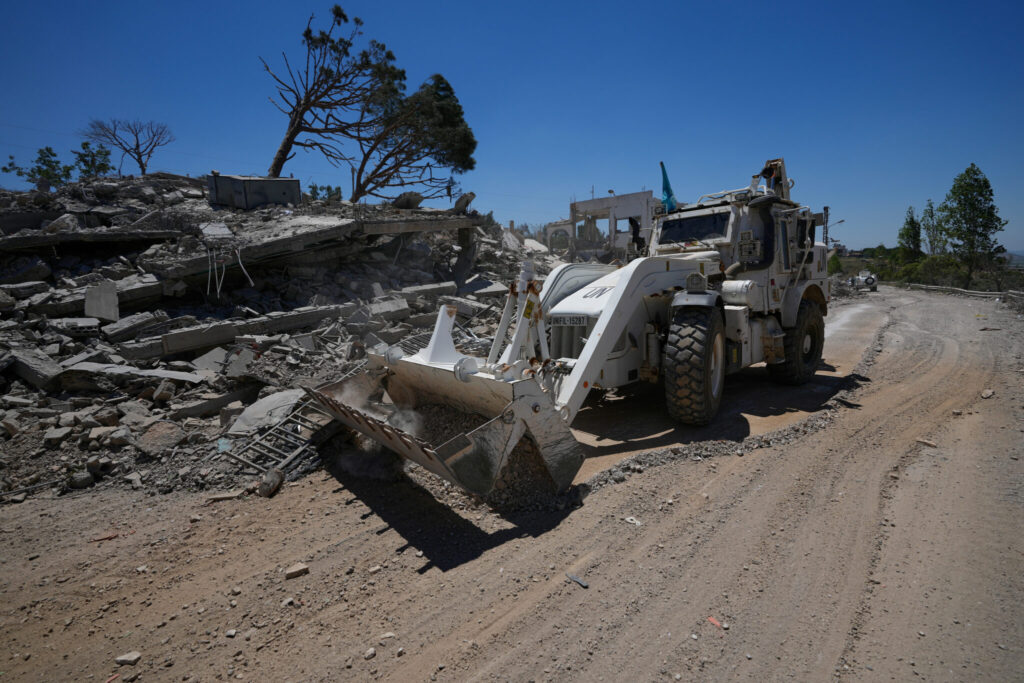
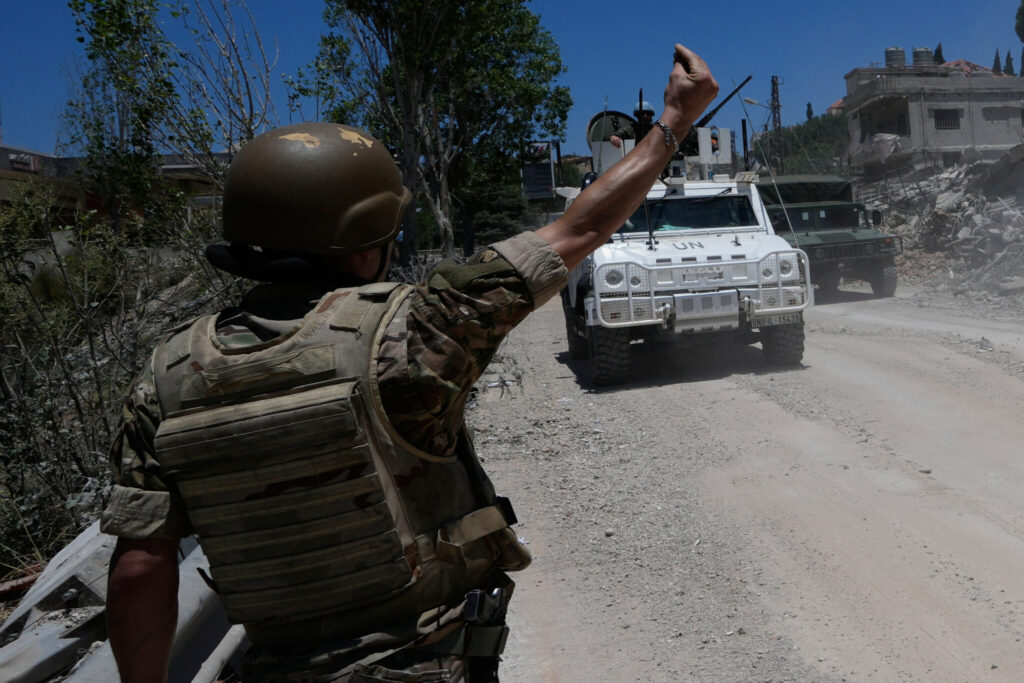
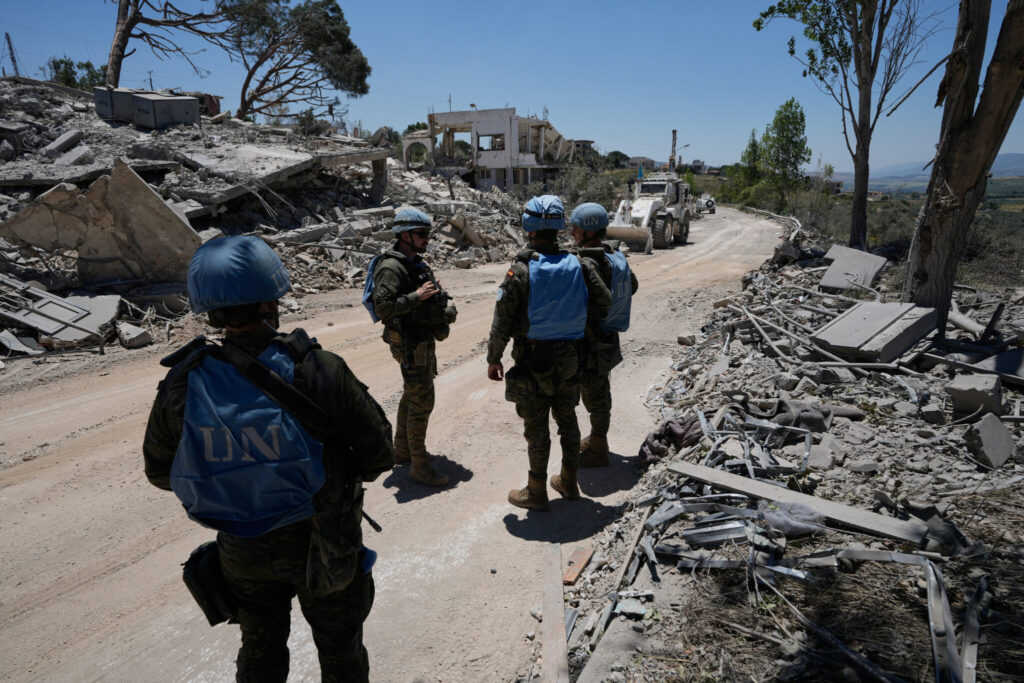
United Nations peacekeepers and Lebanese army personnel were seen clearing roads and removing debris around the village.
However, authorities continued restricting civilian access as engineers and security personnel worked in the area.
Residents arriving at village entrances found destroyed homes, damaged businesses and infrastructure reduced to rubble.
Other nearby communities, including Khiam, showed extensive signs of devastation following repeated military operations.
Hezbollah Rejects Ceasefire Terms
The renewed fighting comes despite a ceasefire framework announced earlier this week following U.S.-brokered discussions between Israel and Lebanon’s government.
The agreement calls for Lebanese armed forces to assume control of designated security zones in southern Lebanon while preventing Hezbollah activity in those areas.
Hezbollah has rejected the proposal.
The group insists that any agreement must include a complete Israeli military withdrawal from Lebanese territory before it considers further concessions.
Lebanese Parliament Speaker Nabih Berri, a key Hezbollah ally and mediator, reinforced that position Friday.
Berri stated that Hezbollah’s withdrawal from areas south of the Litani River should occur only if Israeli forces withdraw simultaneously.
He also called for a ceasefire that is “complete and comprehensive,” extending across land, sea and air operations.
Regional Tensions Remain High
The conflict in Lebanon remains closely connected to the broader confrontation involving Israel, Iran and the United States.
Iran has repeatedly stated that a lasting regional agreement must include a durable ceasefire in Lebanon.
Israeli Prime Minister Benjamin Netanyahu has maintained that military operations will continue until Hezbollah no longer poses a threat to northern Israel.
Meanwhile, diplomatic efforts continue to focus on reopening the Strait of Hormuz, one of the world’s most important shipping routes for oil, natural gas and other commodities.
U.S. Forces Board Iranian-Linked Tanker
In a separate development, the U.S. military announced that American forces boarded a sanctioned oil tanker linked to Iran in the Indian Ocean.
U.S. Indo-Pacific Command confirmed the boarding of the MT Davina but provided limited operational details.
The move reflects continuing efforts by the United States to disrupt Iranian oil exports and increase economic pressure on Tehran.
American forces have also been involved in enforcing measures designed to push Iran toward a broader regional agreement and encourage the reopening of critical maritime trade routes.
Human Cost Continues to Grow
The ongoing conflict has inflicted a severe humanitarian toll across Lebanon.
According to available figures, more than 3,500 people have been killed since fighting intensified earlier this year.
Israeli casualties include at least 29 soldiers and three civilians.
As military operations continue and ceasefire negotiations remain uncertain, many residents in southern Lebanon face ongoing displacement, damaged infrastructure and concerns about future stability.