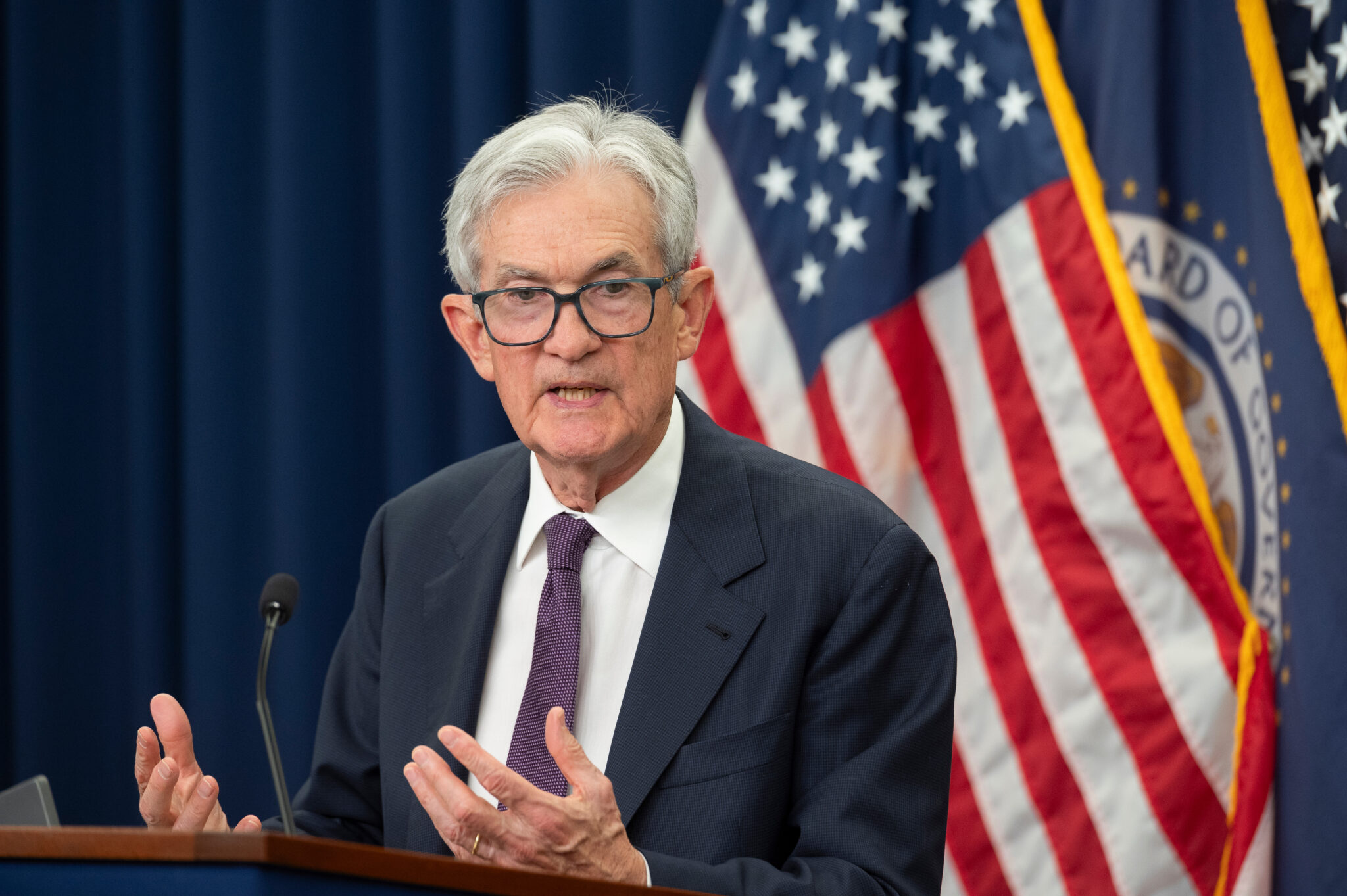
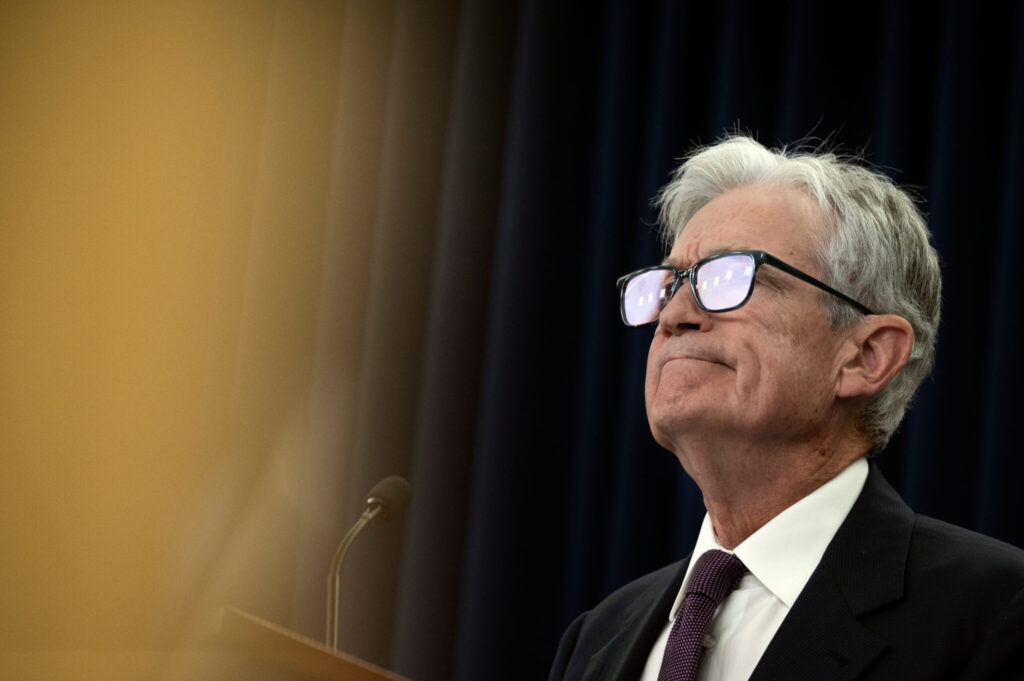
Jerome Powell Leaves Fed After Inflation Fight and Trump Clashes/ Newslooks/ WASHINGTON/ J. Mansour/ Morning Edition/ Jerome Powell is stepping down as Federal Reserve chair after navigating inflation spikes, pandemic turmoil and repeated clashes with President Donald Trump. His tenure reshaped the U.S. economy through historic interest rate hikes and a controversial fight against inflation. Powell’s defense of Federal Reserve independence is expected to remain a defining part of his legacy.
Jerome Powell Legacy Quick Looks
- Jerome Powell steps down after eight years as Fed chair
- Inflation surged to four-decade highs during his tenure
- Fed raised rates to highest levels in two decades
- Powell defended Federal Reserve independence from Trump pressure
- Critics fault Fed for calling inflation “transitory”
- Supporters credit Powell with engineering soft economic landing
- Kevin Warsh preparing to take over as Fed chair
- Powell remaining temporarily as chair pro tempore
Deep Look
Jerome Powell Ends Turbulent Era at the Federal Reserve
Jerome Powell is stepping down as chair of the Federal Reserve after eight years overseeing one of the most turbulent economic periods in modern U.S. history.
Powell’s tenure included:
- The COVID-19 economic collapse
- Historic stimulus efforts
- The worst inflation surge in four decades
- Aggressive interest rate hikes
- Repeated political clashes with President Donald Trump
Though Powell’s record remains debated, economists broadly agree his leadership reshaped the modern Federal Reserve and the U.S. economy.
Inflation Became Central Challenge of Powell Era
When Powell became Fed chair in 2018, economists were more concerned about inflation being too low and unemployment remaining elevated.
That changed dramatically after the pandemic.
Consumer prices eventually surged:
- Inflation peaked at 9.1% in June 2022
- Overall prices rose roughly 27% since before COVID
- Grocery costs climbed about 30% over six years
The rapid rise in costs angered voters and became one of the defining economic issues in American politics.
“Transitory” Inflation Criticism Still Follows Powell
One of the biggest criticisms of Powell’s leadership involves the Federal Reserve’s early handling of post-pandemic inflation.
Powell and many economists initially described inflation as “transitory,” believing supply chain disruptions would fade naturally as the economy reopened.
At the same time, the Fed:
- Kept interest rates near zero
- Injected massive liquidity into financial markets
- Supported emergency economic stabilization efforts
Critics argue the Fed waited too long before raising rates, helping fuel excessive spending and worsening inflation pressures.
Economist Mickey Levy said policymakers “completely misread the tea leaves.”
Fed Launched Aggressive Rate Hikes
As inflation spread beyond supply chain problems into housing, wages and services, Powell reversed course.
The Fed began one of the sharpest interest rate tightening campaigns since the early 1980s.
Key developments included:
- Benchmark interest rates reaching two-decade highs
- Higher mortgage and borrowing costs
- Slower inflation growth without a severe recession
Many economists initially predicted the Fed’s rate hikes would trigger a major economic downturn.
Instead, inflation eased significantly by late 2024 while unemployment remained historically low.
That outcome strengthened arguments that Powell achieved a rare “soft landing” for the economy.
Pandemic Policies Remain Divisive
Powell’s defenders argue the Fed faced an unprecedented global crisis during COVID-19.
The central bank acted aggressively in 2020 to prevent a financial collapse by:
- Slashing interest rates
- Buying Treasury securities
- Supporting credit markets
- Flooding the financial system with liquidity
Supporters say those actions helped stabilize the economy during extraordinary uncertainty.
Critics counter that prolonged ultra-low rates combined with trillions in federal stimulus spending fueled overheating across the economy.
Powell Became Symbol of Fed Independence
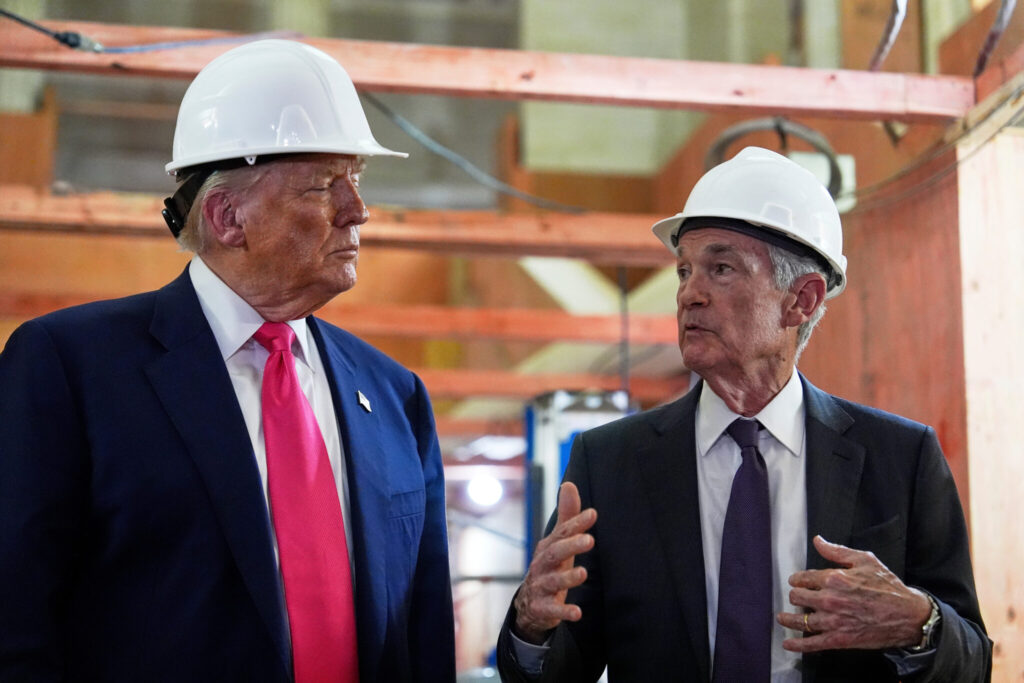
Beyond economic policy, Powell’s willingness to resist political pressure became a defining feature of his tenure.
Trump repeatedly criticized Powell publicly for refusing to cut interest rates more aggressively.
Tensions escalated further after the Justice Department launched an investigation tied to a costly Federal Reserve building renovation project.
Powell pushed back publicly against the probe, which critics viewed as an attempt to pressure the Fed politically.
The investigation was later dropped.
Many economists say Powell’s defense of Federal Reserve independence may become his most important institutional legacy.
Powell Stayed Focused on Employment
Before the inflation crisis, Powell often emphasized the Fed’s responsibility to support maximum employment.
He frequently highlighted how strong labor markets benefited disadvantaged and lower-income workers.
Some economists argue that focus contributed to the Fed’s delayed inflation response.
Others defend Powell’s approach, saying low unemployment before the pandemic created broad economic gains without initially generating major inflation risks.
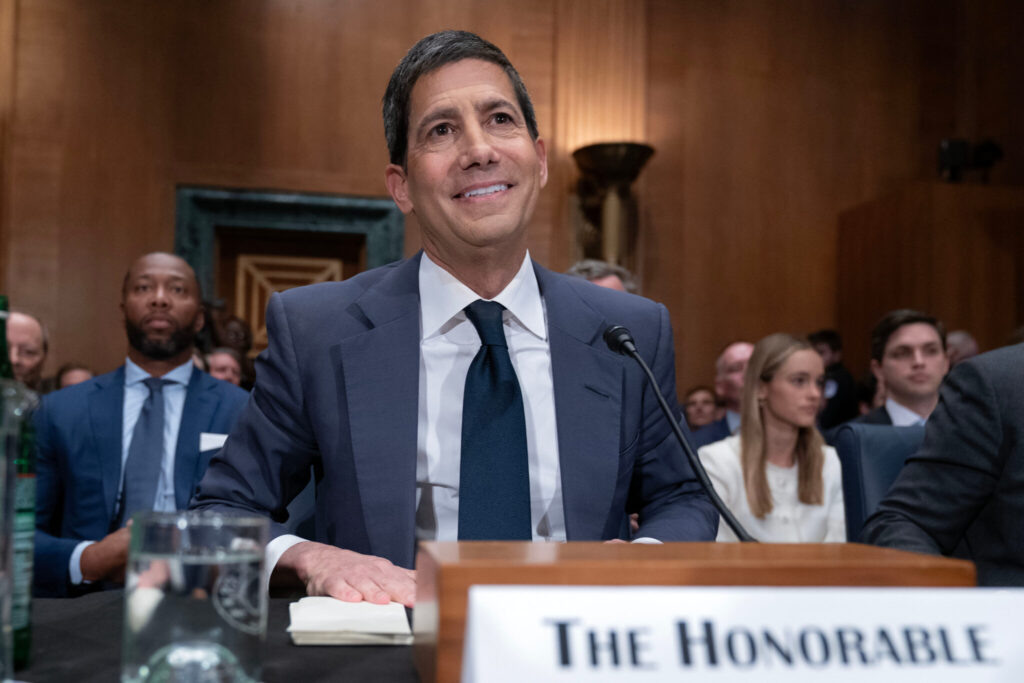
Kevin Warsh Set to Take Over
Powell is currently serving as chair pro tempore until Kevin Warsh is officially sworn in as the next Federal Reserve chair.
Warsh, selected by Trump, is expected to lead the Fed during a period marked by:
- Ongoing inflation concerns
- High oil prices tied to the Iran war
- Political scrutiny over rate decisions
- Questions about central bank independence
Powell has indicated he plans to remain on the Fed’s governing board until he believes the institution’s independence is secure.
Powell’s Legacy Remains Complex
Economists remain divided over specific policy choices made during Powell’s eight years at the Fed.
Still, many agree he guided the central bank through extraordinary crises while preserving financial stability and institutional credibility under intense political pressure.
As Powell himself said during his final news conference:
“You want people to set interest rates to benefit the general public and focus only on that and ignore political considerations.”