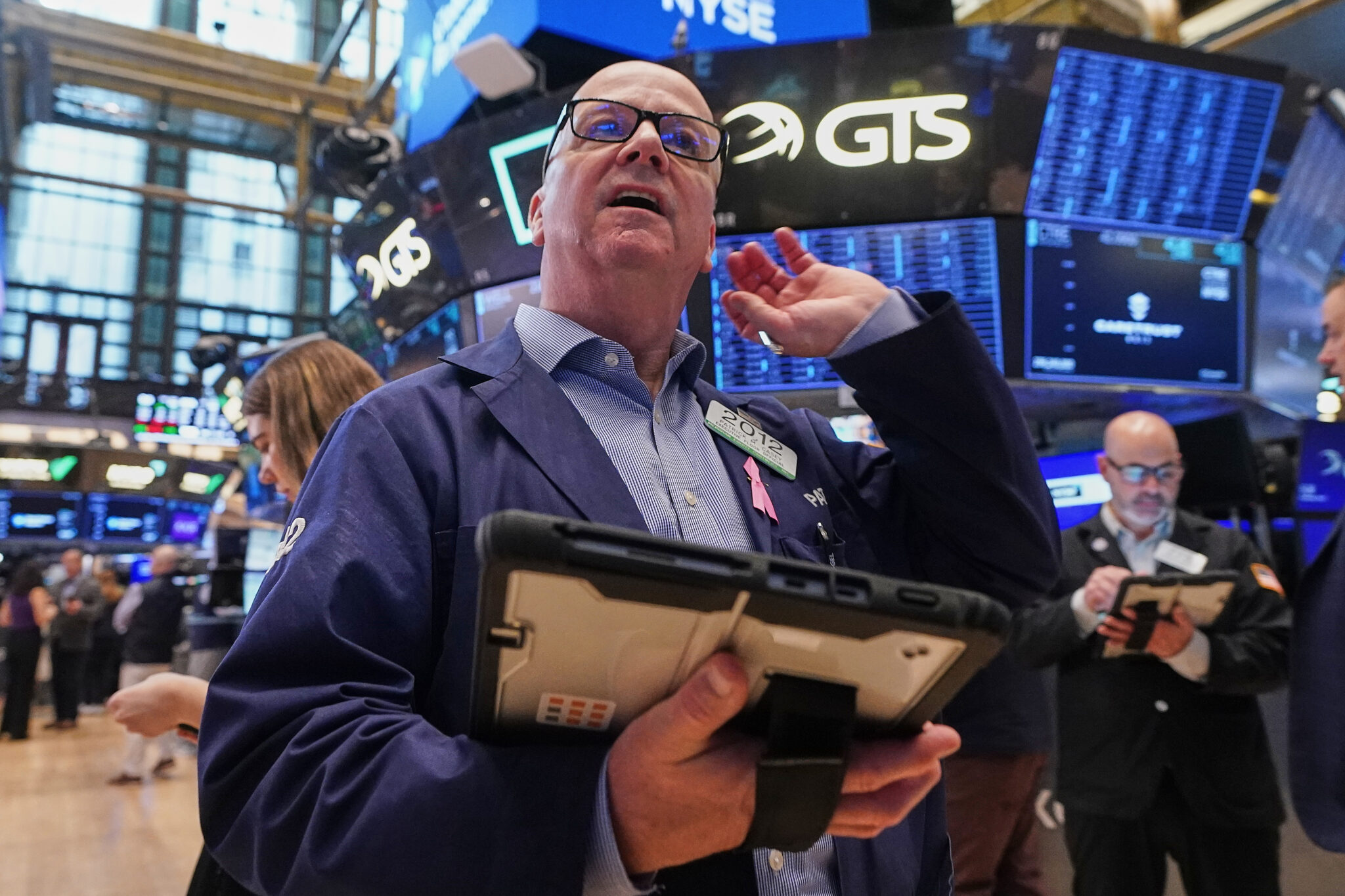
Wall Street Drops as Oil Prices Shake Global Markets, AI Stocks Led Selloff/ Newslooks/ WASHINGTON/ J. Mansour/ Morning Edition/ Global stock markets dropped Friday as surging oil prices rattled investors and pushed bond yields sharply higher. Technology and artificial intelligence stocks led the selloff after months of record-setting gains. Investors remain concerned the Iran war and rising inflation could force the Federal Reserve to keep interest rates elevated.


Wall Street Oil Price Selloff Quick Looks
- S&P 500 fell 1.2% from record highs
- Nasdaq dropped 1.8% as AI stocks sank
- Nvidia slid 4.5% amid tech sector pullback
- Brent crude climbed above $108 per barrel
- Treasury yields surged as inflation worries intensified
- Investors fear Fed may delay rate cuts or hike rates
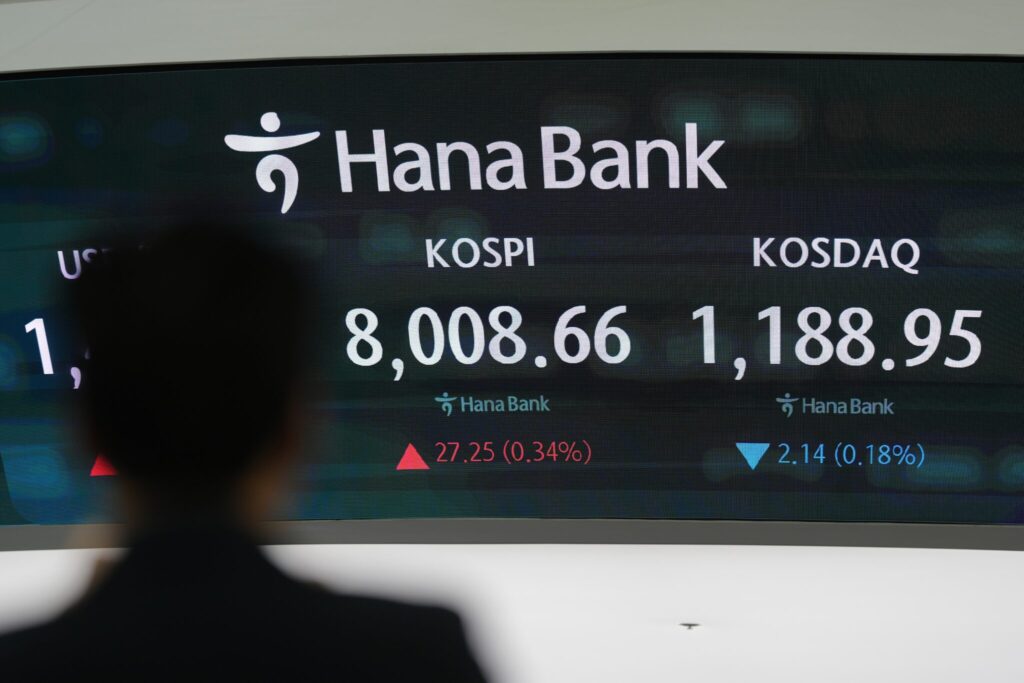
- South Korea’s Kospi plunged 6.1% after AI rally reversal
- Iran war and Strait of Hormuz closure continue disrupting oil markets
Deep Look
Global Markets Retreat as Oil Prices and Bond Yields Surge
Wall Street pulled back sharply Friday as rising oil prices and climbing Treasury yields triggered a broad global selloff in stocks. Markets that had recently surged to record highs on artificial intelligence enthusiasm reversed course as investors worried about inflation, borrowing costs and the ongoing Iran conflict.
The S&P 500 dropped 1.2% from its all-time high, while the Dow Jones Industrial Average fell more than 426 points during morning trading. The Nasdaq composite, heavily weighted toward technology companies, tumbled 1.8% as investors sold off many of the market’s hottest AI-related names.
The decline spread worldwide, with major indexes across Europe and Asia also finishing lower.
AI Stocks Lead the Market Decline
Technology companies that had fueled much of the stock market’s rally throughout 2026 suffered some of the steepest losses Friday.
Nvidia, widely considered the face of the artificial intelligence boom, fell 4.5%. The chipmaker had entered the session up more than 26% for the year despite Friday’s drop.
Applied Materials also slipped 2.3%, even after posting stronger quarterly profits than analysts expected due to continued global investment in AI infrastructure and semiconductor manufacturing.
Analysts warned that markets may have become overheated following months of rapid gains.
Brian Jacobsen, chief economic strategist at Annex Wealth Management, said investors should expect more volatility moving forward.
“To us, it looks like markets have pushed into overbought territory,” Jacobsen said. “The path is unlikely to be smooth.”
Oil Prices Continue Climbing Amid Iran War
The biggest concern weighing on investors remains the ongoing war involving Iran and the continued closure of the Strait of Hormuz.
The strategic waterway handles roughly one-fifth of the world’s oil shipments, and its shutdown has significantly disrupted global energy supplies.
Brent crude oil rose another 2.7% Friday to $108.57 per barrel. Before the war began, oil traded near $70 per barrel.
Higher energy costs have already fueled inflation across the global economy, raising prices for gasoline, transportation and consumer goods.
While many large corporations say consumers are still spending despite higher fuel costs, surveys show growing anxiety among households dealing with rising expenses and economic uncertainty.
Bond Market Sends Strong Warning Signals
Friday’s most notable moves occurred in the bond market, where Treasury yields climbed rapidly.
The yield on the benchmark 10-year Treasury rose to 4.57%, up sharply from 4.47% a day earlier and far above the 3.97% level seen before the Iran war erupted.
Meanwhile, the 30-year Treasury yield climbed near its highest point since 2023, breaking above 5%.
Rising yields matter because they increase borrowing costs across the economy. Mortgage rates, business loans and consumer credit become more expensive, which can slow economic growth and reduce corporate profits.
Higher bond yields also make stocks less attractive relative to safer fixed-income investments.
Federal Reserve Faces Growing Inflation Pressure
The market turbulence reflects growing fears that the Federal Reserve may be forced to keep interest rates elevated for longer than expected.
Before the Iran war and energy price surge, investors widely expected the Fed to resume cutting interest rates later in 2026.
Now, many traders have abandoned those expectations entirely. Some investors are even betting the Fed may need to raise interest rates next year if inflation worsens further.
Recent economic data has reinforced those concerns.
Reports released Friday showed stronger-than-expected industrial production and expanding manufacturing activity in New York state. While positive for economic growth, the stronger data also suggests inflationary pressures could persist.
The Fed has already expressed concern about balancing inflation control with economic stability as rising oil prices continue flowing through the economy.
Smaller Companies Hit Hard by Rising Rates
Stocks of smaller companies suffered even bigger declines than the broader market.
The Russell 2000 index of small-cap stocks dropped 2.3%.
Smaller businesses are often more dependent on borrowing to finance expansion and operations. As interest rates rise, their financing costs increase more sharply than those of larger corporations with stronger balance sheets.
That dynamic intensified investor concerns Friday as bond yields surged higher.
Global Selloff Extends Across Europe and Asia
The market weakness was not limited to the United States.
European indexes posted broad declines, while several Asian markets experienced especially sharp drops.
South Korea’s Kospi index plunged 6.1%, one of the day’s largest global declines. The market had previously surged to record highs earlier this year due to enthusiasm surrounding artificial intelligence companies such as SK Hynix.
Analysts warned that Friday’s selloff may represent a broader reset for tech and AI-related investments after an extended rally.
Jonathan Krinsky, chief market technician at BTIG, described the market reversal as a warning to investors.
“If nothing else this should be a shot across the bow for how volatility works both ways,” Krinsky said.
Investors Brace for More Market Volatility
Despite Friday’s selloff, many analysts note that corporate profits remain strong and the U.S. economy continues to show resilience.
However, the combination of elevated oil prices, persistent inflation, rising interest rates and geopolitical uncertainty is creating a far more difficult environment for investors.
With the Iran conflict unresolved and energy markets remaining unstable, traders are preparing for continued volatility across global financial markets in the weeks ahead.