Melania Trump Expands White House Honey Program With New Beehive/ Newslooks/ WASHINGTON/ J. Mansour/ Morning Edition/ First Lady Melania Trump announced the expansion of the White House honey program with a new beehive shaped like the White House. The hive joins two existing hives on the South Lawn that already produce more than 200 pounds of honey each year. The announcement comes just before King Charles III and Queen Camilla arrive in Washington for a state visit, both known supporters of beekeeping.
White House Beehive Quick Looks
- Melania Trump added a new White House-shaped beehive
- The new hive joins two existing beehives from 2009
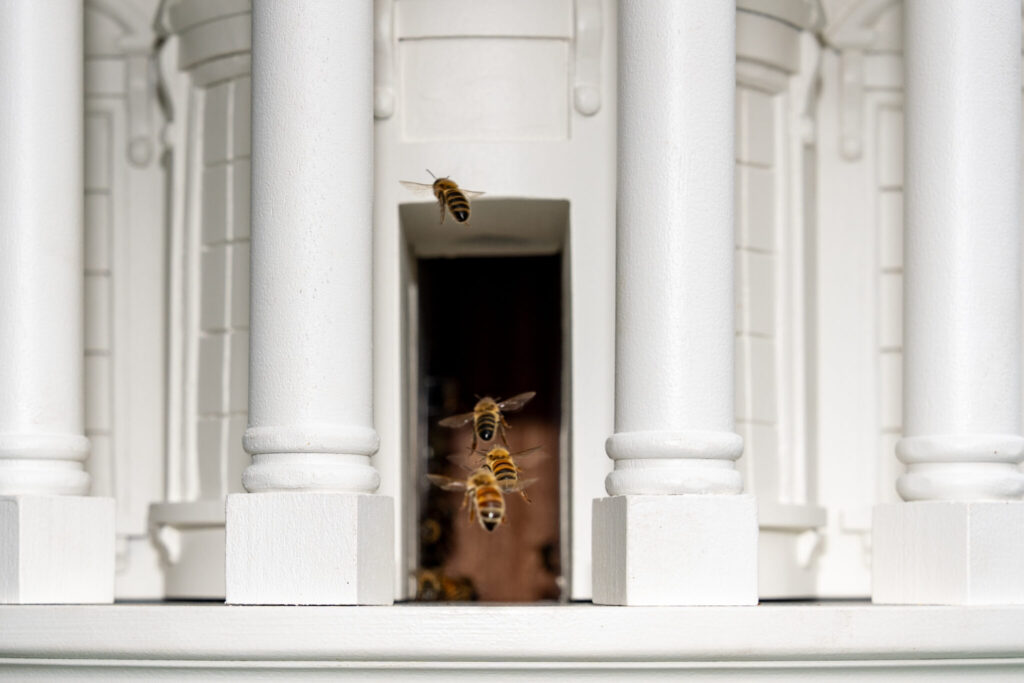
- Current hives can hold up to 70,000 bees in summer
- The new hive may increase honey production by 30 pounds yearly
- White House honey is used for meals, gifts, and food donations
- King Charles III and Queen Camilla support beekeeping
- The hive was handmade by a Virginia artisan
Deep Look
Melania Trump Expands White House Honey Program
WASHINGTON — First Lady Melania Trump is adding a fresh touch to one of the White House’s quieter traditions by expanding its honey-making program with a new decorative beehive.
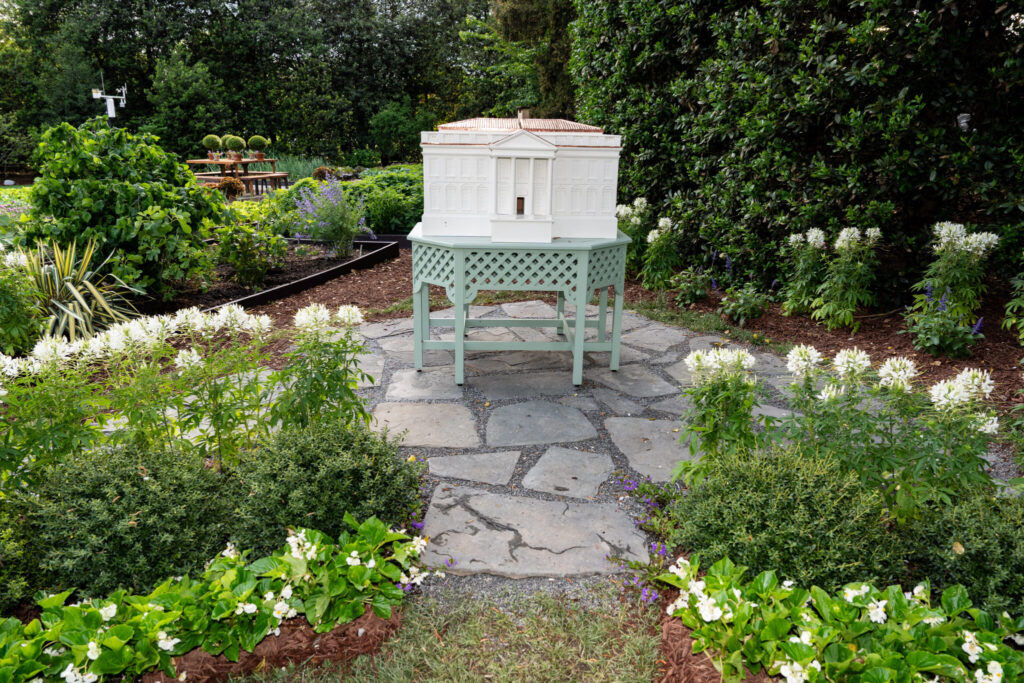
On Friday, Melania announced that a third beehive — designed in the shape of the White House itself — has been added to the South Grounds, joining two existing hives that have been there since 2009.
The White House said the new hive is expected to increase annual honey production by about 30 pounds, adding to the already successful beekeeping effort that supports food service, official gifts, and charitable donations.
The timing of the announcement also adds symbolic value, coming just before Britain’s King Charles III and Queen Camilla arrive in Washington for a four-day state visit.
Both members of the royal family are known supporters of beekeeping and environmental sustainability.
Existing White House Hives Already Produce Hundreds of Pounds
The two original beehives were first placed on the White House South Lawn in 2009 during the Obama administration.
At peak summer months, those hives can hold as many as 70,000 bees and produce between 200 and 225 pounds of honey annually.
That honey is not simply decorative.
The White House uses the clover honey in meals prepared by the executive residence kitchen, as official gifts from the president and first lady, and in donations to local food kitchens.
The bees also serve an important environmental role by pollinating nearby gardens and plant life across the White House grounds.
The new hive is expected to strengthen both honey production and pollination efforts.
Bees Help Support the White House Garden
Beyond producing honey, the bees play a valuable role in maintaining the White House produce garden and flower beds.
They help pollinate the vegetable garden first planted by former First Lady Michelle Obama in 2009.
That garden became nationally known for promoting healthy eating and fresh produce.
The bees also support the nearby flower cutting garden and surrounding vegetation near the National Mall.
This makes the beekeeping effort part of a larger sustainability project inside the White House grounds.
It blends environmental care with practical use — and now, a little added style.
New Hive Designed to Look Like the White House
The newest addition stands out because of its design.
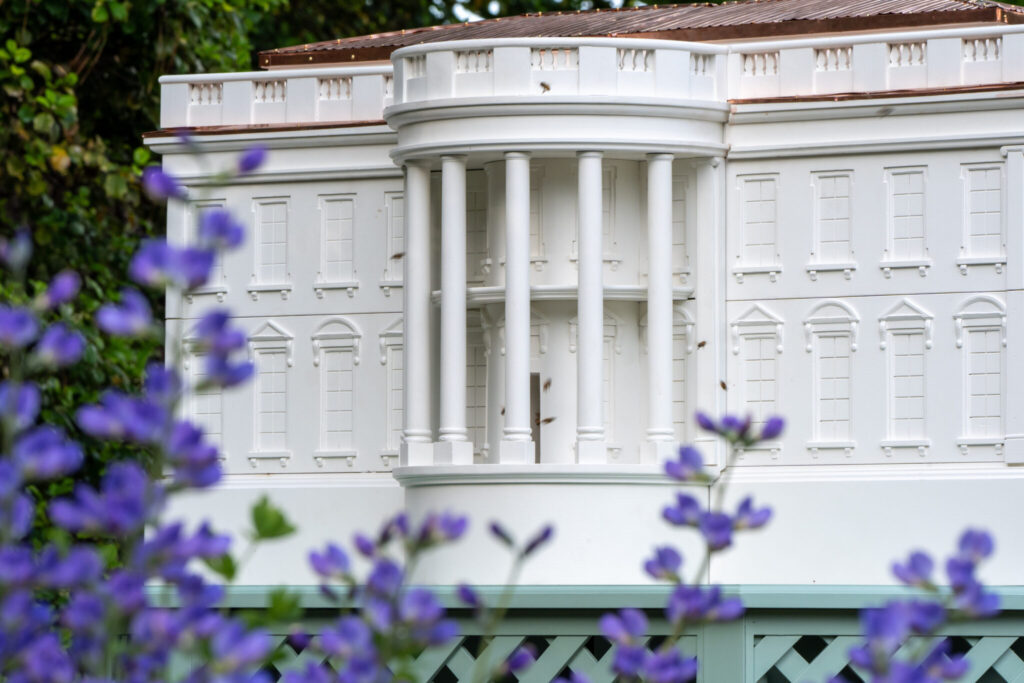
Unlike traditional wooden beehives, this one is built in the shape of the White House itself.
The structure and base were designed by White House residence staff and then handmade by a Virginia artisan.
The project was funded through the Trust for the National Mall, according to the White House.
Its custom design adds a ceremonial and symbolic element to the beekeeping program while still serving its practical purpose for honey production.
The hive reflects the White House’s effort to combine tradition, craftsmanship, and environmental awareness.
King Charles and Queen Camilla Share Love of Beekeeping
The announcement comes just before the arrival of King Charles III and Queen Camilla for a major state visit hosted by President Donald Trump and Melania Trump.
The royal visit will include an elaborate White House state dinner on Tuesday.
Charles is known for his long-standing support of environmental conservation and sustainability.
He keeps at least three beehives at Highgrove House, his private residence in Gloucestershire, England.
Beekeeping is part of his broader commitment to biodiversity and sustainable farming.
Queen Camilla also supports bee conservation and serves as a patron of Bees for Development, a charity focused on promoting bees in sustainable development projects around the world.
That shared interest makes the timing of the new White House hive especially notable.
Beekeeping Started From a Hobby
The White House honey program began in an unexpected way.
According to officials, the original idea came from a White House carpenter who started beekeeping as a personal hobby on the property.
That small project eventually grew into a permanent part of White House operations.
Since then, the hives have become both a working food source and a symbol of environmental stewardship.
They are rarely in the spotlight, but they quietly support daily life inside the executive residence.
Melania Trump’s decision to expand the program shows that the tradition continues to grow.
A Small Project With Big Symbolism
While adding a beehive may seem like a small White House story, it reflects broader themes of sustainability, food production, and tradition.
It also offers a softer moment amid the often intense political atmosphere in Washington.
The White House honey program connects multiple administrations, from Michelle Obama’s garden to Melania Trump’s new hive.
It also links the White House to global conversations about declining bee populations and the importance of pollinators in food systems.
With the arrival of King Charles and Queen Camilla, the new hive also becomes part of a diplomatic moment built around shared values of environmental care.
More Than Just Honey
For visitors, the beehives may seem like a charming detail hidden on the South Lawn.
But for White House staff, chefs, gardeners, and local charities, they serve a real purpose.
They produce food, support gardens, and contribute to gifts and community outreach.
Now, with a handcrafted White House-shaped hive joining the collection, the program has also gained a visual symbol of continuity.
It is a reminder that even small traditions can carry meaning.
And in this case, that meaning comes with a little extra buzz.