Musk, Cook, Huang and Top CEOs Join Trump for China Summit/ Newslooks/ WASHINGTON/ J. Mansour/ Morning Edition/ President Donald Trump is bringing a powerful group of American business leaders to Beijing for talks with Chinese President Xi Jinping. The delegation includes executives from technology, finance, aerospace, agriculture, and semiconductor industries. Trade, artificial intelligence, tariffs, and supply-chain tensions are expected to dominate summit discussions.
Trump China CEOs Trip Quick Looks
- Trump invited major US CEOs to join his China visit
- Elon Musk, Tim Cook, and Jensen Huang are among attendees
- Trade and artificial intelligence are major summit topics
- China remains critical for many American corporations
- Semiconductor exports and tariffs remain key tensions
- Boeing seeks major aircraft deals with China
- Apple continues shifting some manufacturing to India
- The summit reflects growing economic competition with Beijing
Deep Look
Trump Brings Corporate Powerhouses to Beijing
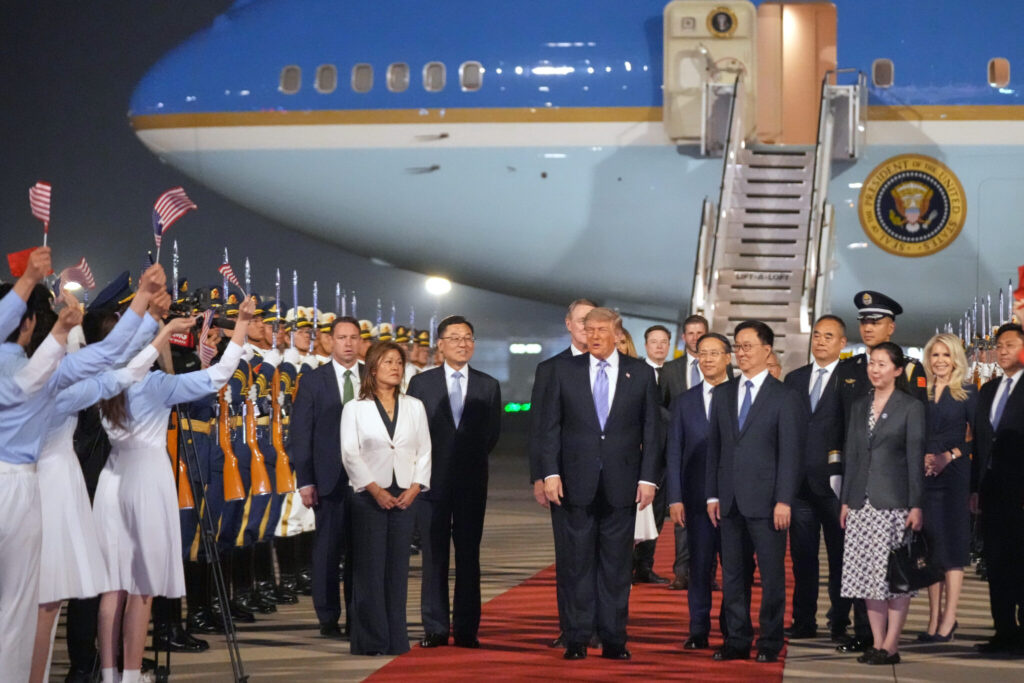
President Donald Trump is traveling to China this week alongside some of America’s most influential business executives as Washington and Beijing attempt to stabilize economic relations during a period of intense geopolitical tension.
The delegation accompanying Trump includes leaders from major technology companies, Wall Street firms, aerospace manufacturers, semiconductor giants, and agricultural corporations.
The trip underscores how deeply intertwined the U.S. and Chinese economies remain despite years of tariffs, export restrictions, trade disputes, and growing national security concerns.
Trump is expected to meet Chinese President Xi Jinping in Beijing for discussions focused on trade, artificial intelligence, Taiwan, and the broader global economy.
Elon Musk Returns to China Spotlight
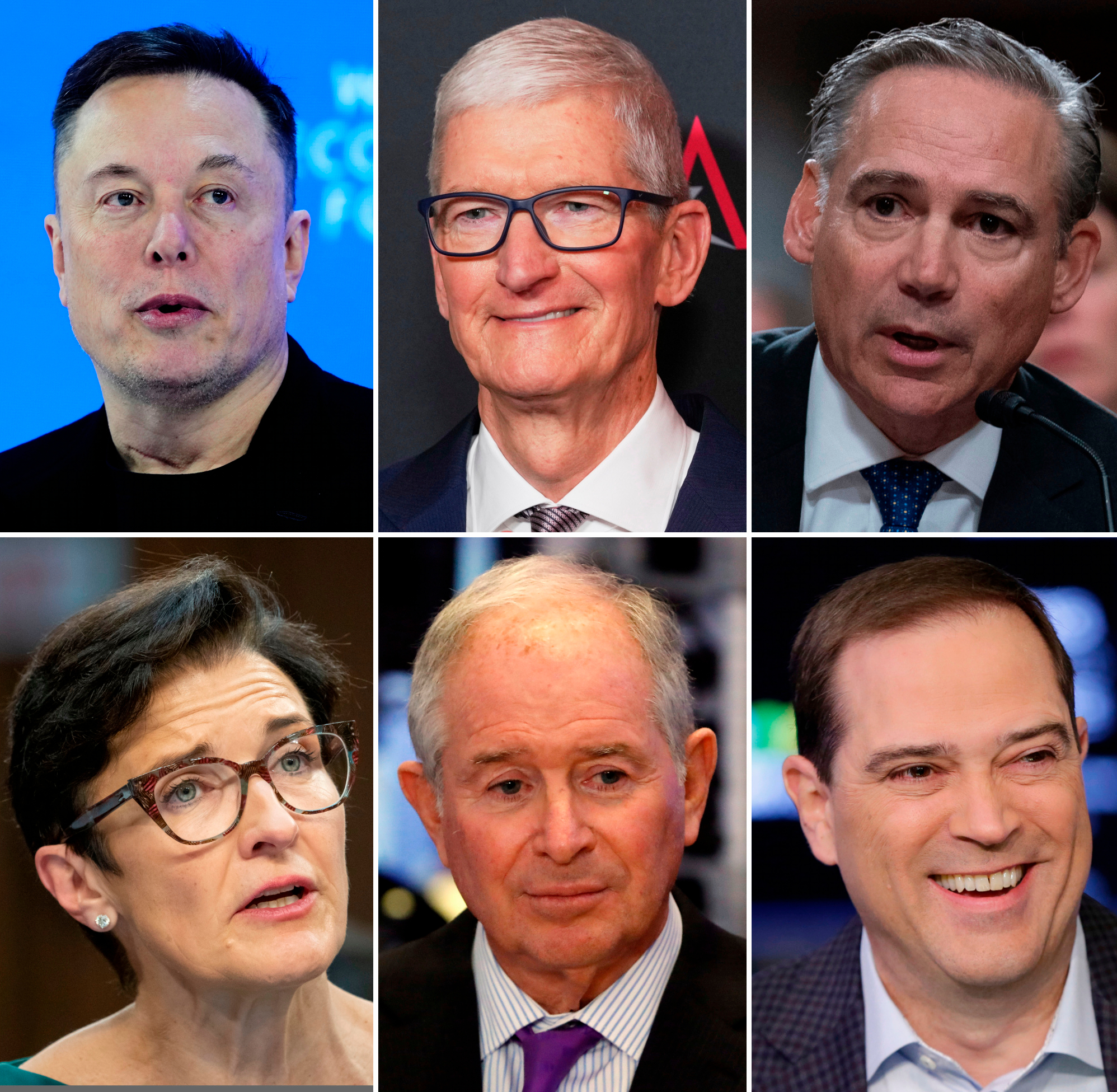
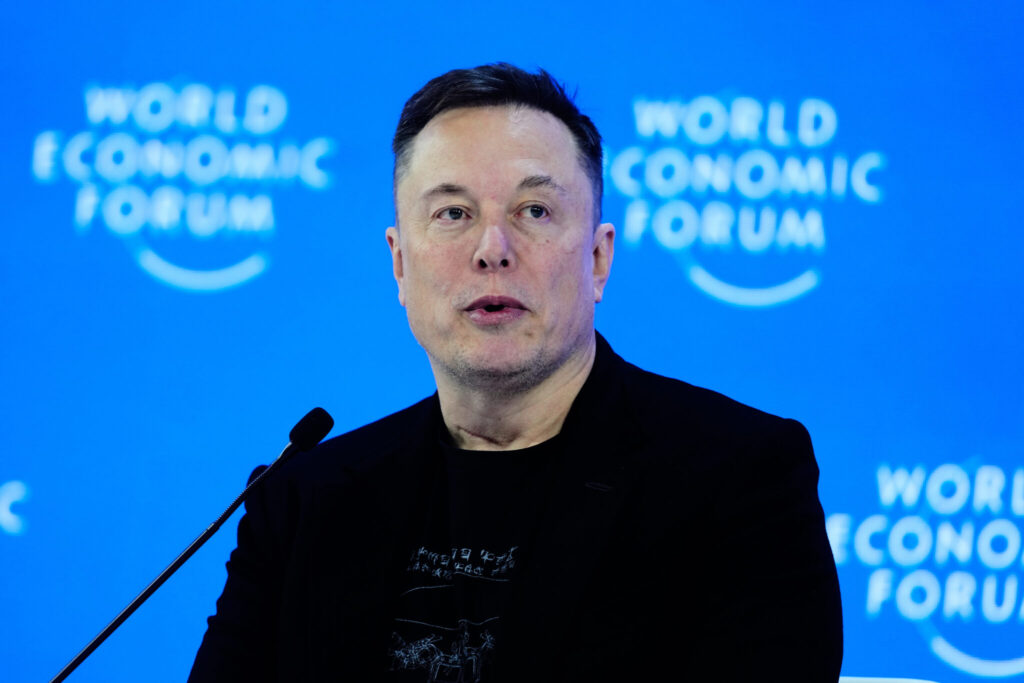
Tesla and SpaceX CEO Elon Musk is among the highest-profile executives joining the trip.
Musk previously led Trump’s Department of Government Efficiency before departing in 2025, and his relationship with the president has gone through periods of public tension and reconciliation.
The billionaire had a highly publicized falling out with Trump last year after accusing the administration of concealing information tied to Jeffrey Epstein, though Musk later said he regretted some of his social media posts.
Since then, Musk has largely refocused attention on Tesla, SpaceX, X, and artificial intelligence projects.
China remains critically important to Tesla’s business operations because of its manufacturing presence and electric vehicle market dominance.
Musk also faces mounting international legal pressure involving X, including investigations in France related to disinformation, deepfakes, and child exploitation content.
Tim Cook Navigates Final Chapter at Apple
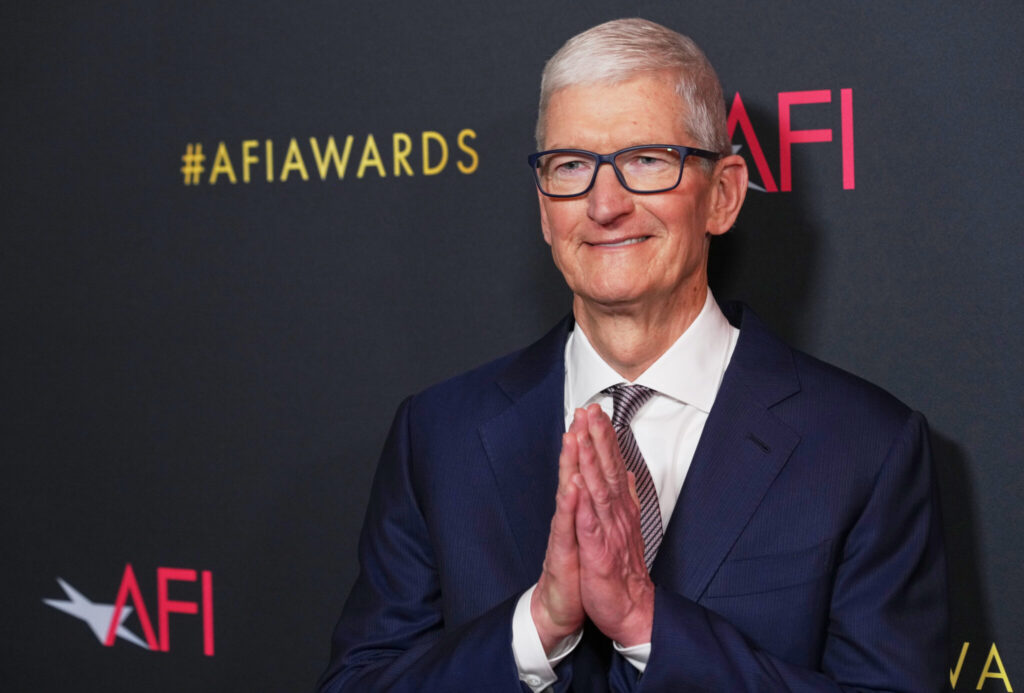
Apple CEO Tim Cook is also part of Trump’s Beijing delegation as he prepares to step down later this year after 15 years leading the company.
Cook recently announced he will hand over CEO responsibilities to Apple hardware chief John Ternus in September while remaining executive chairman.
Under Cook’s leadership, Apple became one of the world’s most valuable companies during a period fueled largely by iPhone growth and global manufacturing expansion.
China has remained central to Apple’s production strategy for years, placing Cook in the middle of repeated U.S.-China trade disputes during both Trump administrations.
While Trump pushed Apple to move manufacturing back to the United States, Cook worked to reduce tariff exposure by shifting some production to India and securing exemptions for key products.
Apple also pledged major domestic investment plans during Trump’s second term to ease political pressure.
Nvidia and AI Competition Take Center Stage
Artificial intelligence and semiconductor policy are expected to become major themes of the summit.
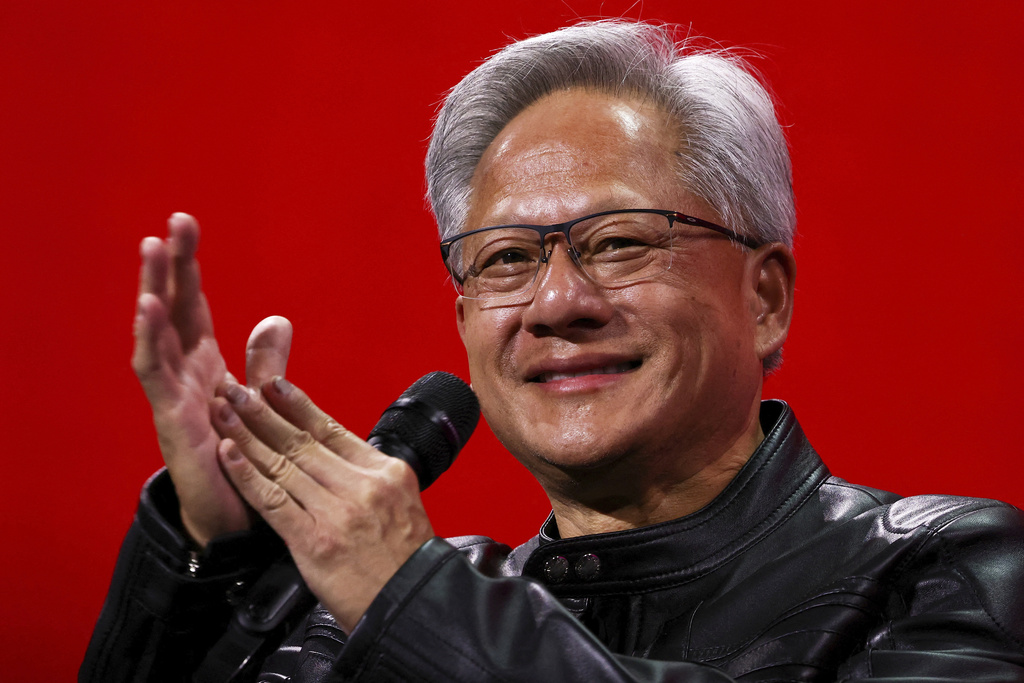
Nvidia CEO Jensen Huang joins the trip just months after the Trump administration approved conditional exports of certain AI chips to China.
Earlier this year, the administration authorized Nvidia to export H200 AI chips under strict conditions involving supply monitoring and third-party reviews.
However, the most advanced Nvidia chips — including Blackwell and Rubin models — remain restricted.
The semiconductor battle has become one of the most strategically important fronts in the broader U.S.-China rivalry.
Washington is attempting to limit China’s access to cutting-edge AI technology while Beijing seeks to maintain progress in artificial intelligence development and chip manufacturing.
China is also increasingly dependent on imported advanced semiconductors as global AI competition accelerates.
Boeing Seeks Major China Aircraft Deals
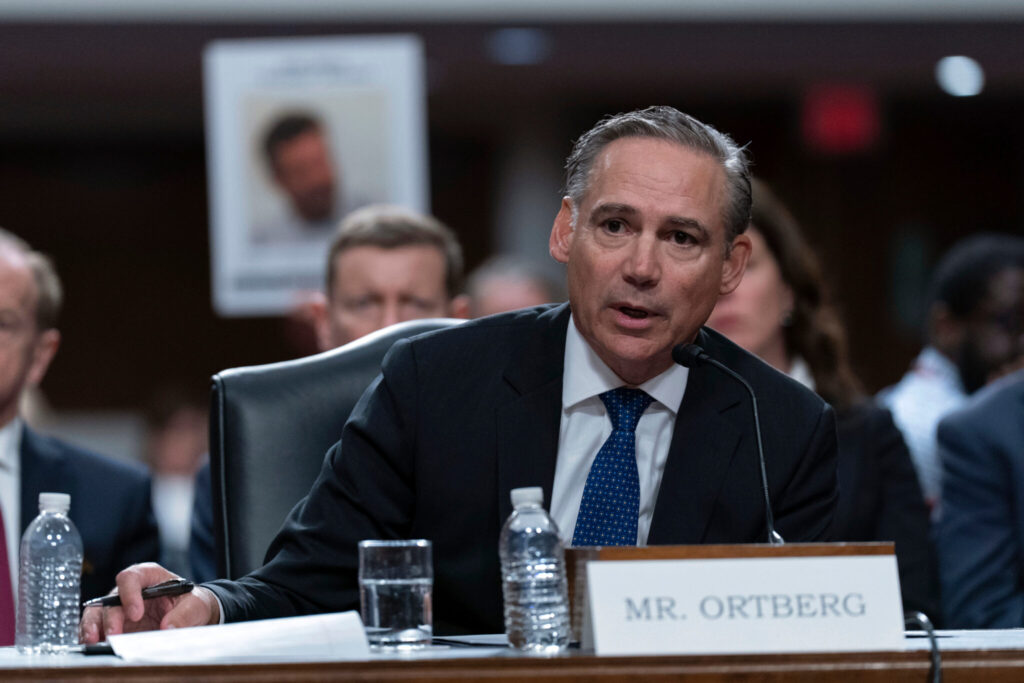
Boeing CEO Kelly Ortberg is also joining Trump in Beijing as the aerospace giant continues negotiating potential aircraft sales with China.
Boeing has faced years of challenges involving safety concerns, production delays, financial strain, and geopolitical trade tensions.
China previously imposed retaliatory tariffs exceeding 100% on American products after Trump escalated trade measures in 2025.
Those tariffs significantly increased the cost of Boeing aircraft for Chinese airlines.
Despite the tensions, Boeing remains eager to restore stronger commercial ties with Chinese buyers because China continues representing one of the world’s largest aviation markets.
Ortberg has previously argued that Boeing’s long-term recovery can continue even amid trade uncertainty.
Wall Street and Financial Giants Join Delegation
Among those participating are:
- BlackRock CEO Larry Fink
- Blackstone CEO Stephen Schwarzman
- Goldman Sachs CEO David Solomon
- Citi CEO Jane Fraser
- Mastercard CEO Michael Miebach
- Visa CEO Ryan McInerney
Their inclusion highlights the importance of financial market stability and investment access in ongoing U.S.-China negotiations.
Many global financial firms continue seeking expanded opportunities inside Chinese markets despite rising political tensions between the two countries.
Agriculture and Industry Also Represented
The delegation extends beyond technology and finance.
Agriculture giant Cargill, aerospace manufacturer GE Aerospace, biotech company Illumina, semiconductor firm Micron, and Qualcomm are also participating.
The wide range of industries represented reflects how deeply U.S.-China relations affect multiple sectors of the global economy.
Trump is expected to push China to increase purchases of American agricultural goods including soybeans and beef while also discussing broader trade coordination efforts.
Summit Reflects High Economic Stakes
The Beijing summit comes during one of the most consequential periods in modern U.S.-China relations.
Trade disputes, AI competition, tariffs, supply-chain battles, Taiwan tensions, and energy instability linked to the Iran war are all placing enormous pressure on global markets.
For many executives attending the trip, maintaining stable access to China remains essential for long-term business growth.
At the same time, companies are increasingly caught between Washington’s national security priorities and Beijing’s growing economic leverage.
The presence of so many major corporate leaders alongside Trump underscores how closely intertwined geopolitics and global business have become.