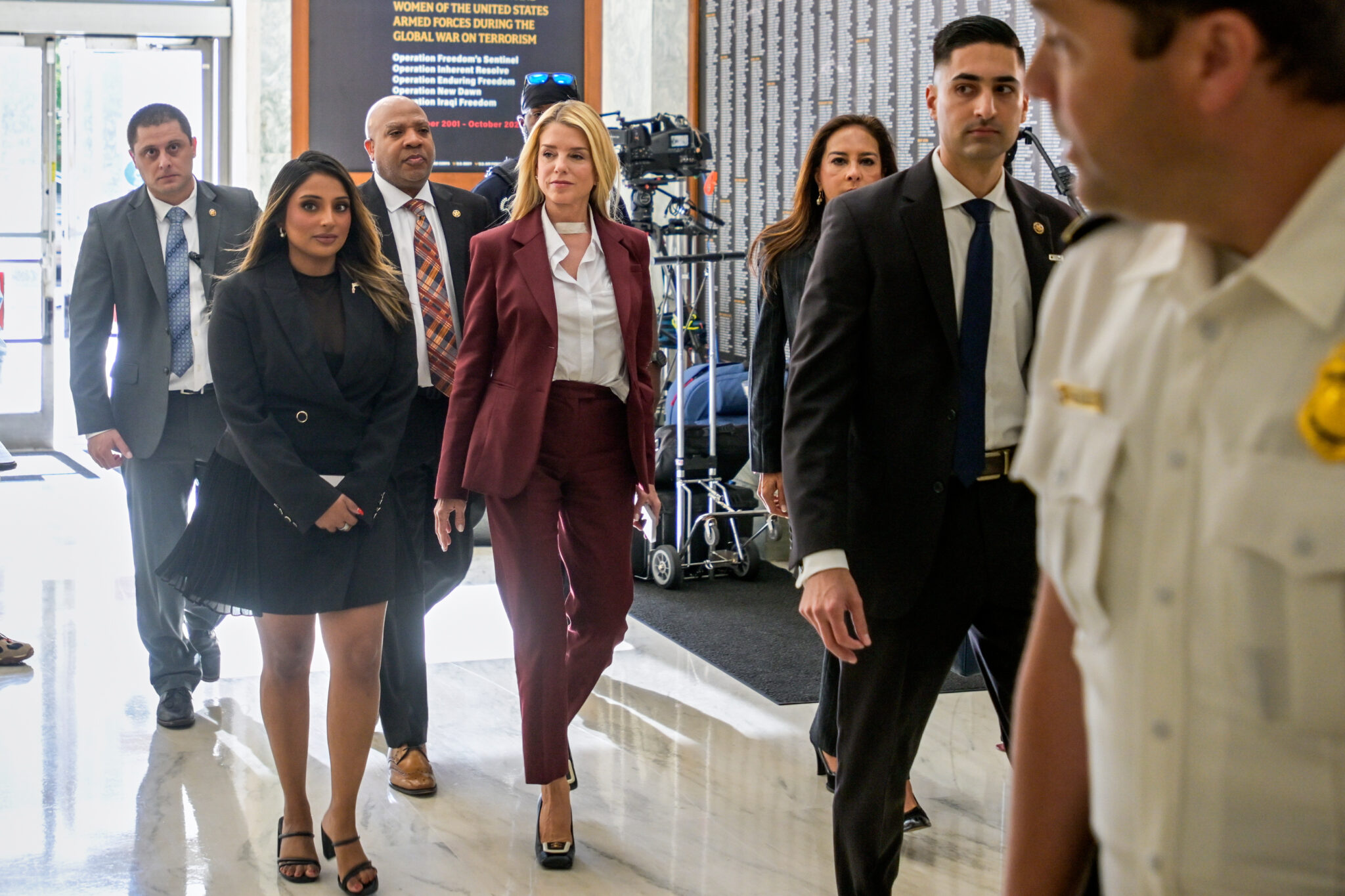
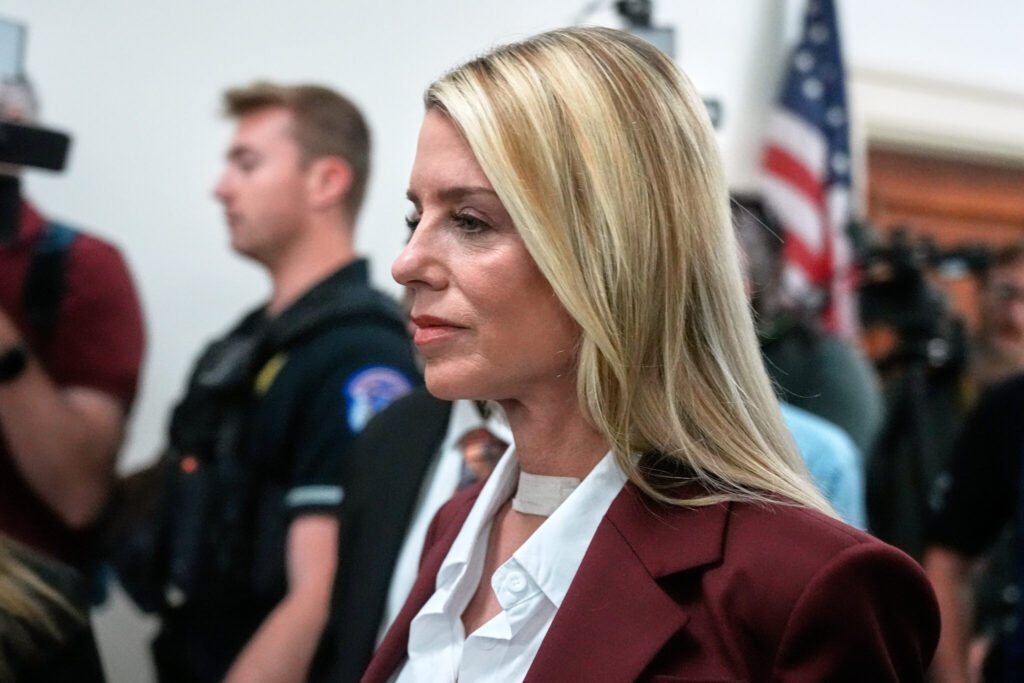
Pam Bondi Faces House Questioning Over Epstein Files Investigation/ Newslooks/ WASHINGTON/ J. Mansour/ Morning Edition/ Pam Bondi appeared before House lawmakers for a closed-door interview regarding the handling of Jeffrey Epstein-related records. The House Oversight Committee is seeking answers about Justice Department decisions, transparency, and the release of Epstein case files. The interview highlights ongoing congressional scrutiny of the Epstein investigation and related records disclosures.
Pam Bondi Epstein Files Investigation Quick Looks
- Pam Bondi appeared before the House Oversight Committee.
- Interview conducted behind closed doors.
- Lawmakers questioned decisions involving Epstein-related records.
- Committee examining Justice Department transparency.
- Ghislaine Maxwell-related matters remain part of the broader inquiry.
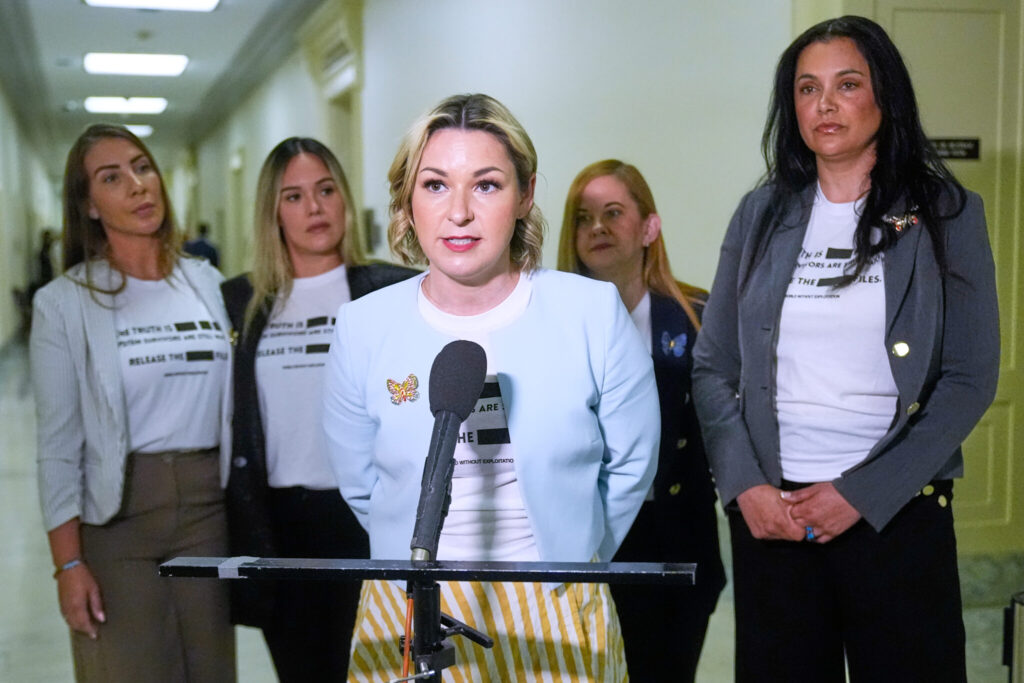
- Democrats continue pushing for greater public disclosure.
- Republicans and Democrats remain divided over investigative procedures.
- Interview transcript is expected to be released publicly.
- Bondi recently disclosed thyroid cancer treatment.
- Congressional scrutiny of Epstein records continues years after Epstein’s death.
Deep Look
House Committee Questions Bondi on Epstein Records
WASHINGTON — Former Attorney General Pam Bondi appeared before House lawmakers Friday for a closely watched closed-door interview focused on the federal government’s handling of records connected to convicted sex offender Jeffrey Epstein. The session represents a significant step in Congress’ ongoing effort to examine how Epstein-related documents were managed and released by federal officials.
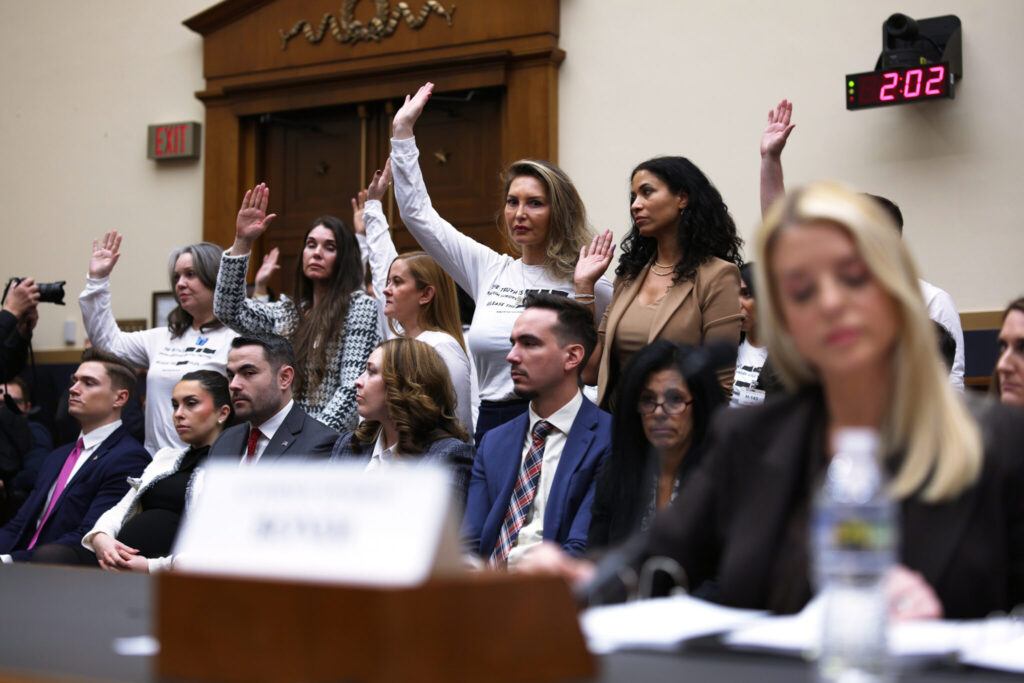
Members of the House Oversight Committee have been investigating decisions surrounding the release of case materials and other actions taken by Justice Department officials. Lawmakers from both parties are seeking additional information about how federal authorities handled key aspects of the Epstein matter and whether all available records have been properly disclosed.
Democrats Seek Greater Transparency
Bondi entered the interview facing questions from lawmakers who have argued that she may possess important information regarding the government’s handling of Epstein-related investigations. The private format allowed committee members to pursue detailed questioning beyond what has been discussed during previous public appearances.
Democratic lawmakers have repeatedly argued that more transparency is needed regarding the government’s actions and decisions.
“I think she absolutely could clear up many missing pieces if she wanted to,” said Rep. Yassamin Ansari, an Arizona Democrat on the House Oversight Committee. “Now it’s a question of whether or not she is willing to be transparent.”
Committee members are particularly interested in understanding how records were released, what investigative decisions were made, and whether additional information remains unavailable to the public.
Continued Interest in the Epstein Case
The renewed congressional attention underscores the lasting public interest in the Jeffrey Epstein case. Epstein died in a New York jail cell in 2019 while awaiting trial on federal sex trafficking charges. Authorities ruled his death a suicide. His longtime associate, Ghislaine Maxwell, was later convicted for recruiting and grooming underage girls for Epstein and remains incarcerated in federal prison.
Years after Epstein’s death, lawmakers continue to examine questions surrounding the investigation, the handling of evidence, and decisions involving individuals connected to Epstein. The case remains one of the most scrutinized criminal investigations in recent American political history.
Questions About Justice Department Decisions
Congressional investigators are reviewing several issues tied to the Justice Department’s handling of Epstein-related matters. Among the key topics are prosecutorial decisions, compliance with congressional requests for records, and the process used to determine which documents could be publicly released.
The inquiry also seeks to establish whether political considerations influenced any aspect of the government’s actions. Lawmakers are expected to continue examining records and testimony as part of the broader investigation.
Bondi’s Continued Role in Public Life
Although Bondi no longer serves as attorney general, she remains a prominent figure within Republican political circles and continues to maintain close ties to President Donald Trump. Her influence was highlighted again this week when Trump selected her to serve on a White House advisory panel focused on artificial intelligence policy.
Her congressional appearance also comes shortly after she publicly disclosed that she is undergoing treatment for thyroid cancer, adding another dimension to an already high-profile period in her public career.
Dispute Over Justice Department Participation
During the interview, Bondi was accompanied by Justice Department officials, including Harmeet Dhillon, who currently heads the department’s Civil Rights Division and participated as legal counsel during the proceedings.
Some Democratic lawmakers criticized the arrangement, arguing that department officials could face conflicts of interest because the agency remains connected to matters being reviewed by Congress. Justice Department representatives rejected those concerns, stating that their involvement was intended to help lawmakers better understand departmental procedures and legal responsibilities regarding investigative records.
Debate Over Record Releases
Bondi has remained at the center of controversy regarding the release of Epstein-related records. Critics argue that expectations surrounding the scope of the disclosures changed over time, leading to frustration among lawmakers and members of the public seeking additional information.
Further criticism emerged after delays affected portions of the document release and reports surfaced that some materials included personal information related to potential victims. Bondi has consistently defended her actions, stating that the process sought to comply with legal requirements while protecting privacy rights.
Controversy Surrounds Interview Format
The structure of Bondi’s appearance became a subject of debate before the interview even began. Although she was initially subpoenaed, she ultimately agreed to participate in a transcribed interview rather than a sworn deposition. Critics argued that the arrangement provided greater flexibility in responding to questions.
Rep. Robert Garcia of California, the committee’s top Democrat, advocated for recording and publicly releasing the proceedings.
“A failure to film and release a video of Ms. Bondi’s testimony would present a grave injustice to the American people and survivors of Epstein’s crimes,” Garcia wrote.
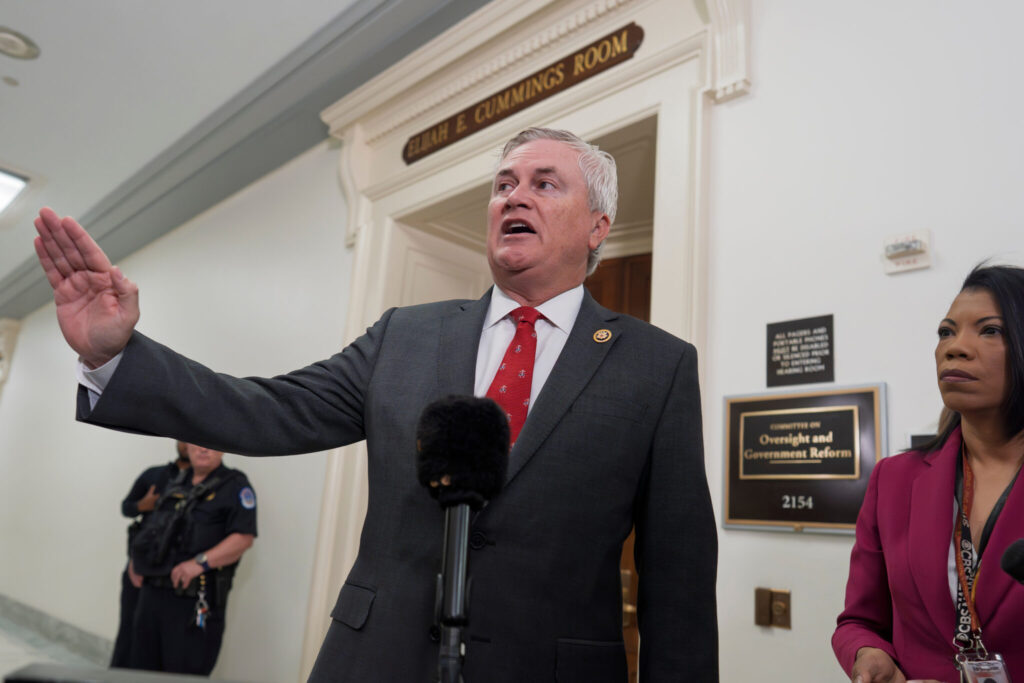
Committee Chairman James Comer defended the decision to proceed with a transcribed interview and emphasized that congressional oversight powers remain fully intact.
“Hopefully that will be good enough,” he said.
Investigation Continues
The interview is expected to provide lawmakers with additional information as Congress continues examining the Epstein case and the government’s handling of related records. As investigators review testimony and documents, questions surrounding transparency, accountability, and disclosure remain central to the ongoing inquiry. The issue continues to attract significant public attention and political debate years after Epstein’s death.