Pope Leo XIV Issues Historic Vatican Slavery Apology/ Newslooks/ WASHINGTON/ J. Mansour/ Morning Edition/ Pope Leo XIV issued a historic apology for the Vatican’s role in legitimizing slavery through centuries-old papal decrees. The apology appeared in his first encyclical, which focused on artificial intelligence, human dignity and modern forms of exploitation. Historians and Black Catholic scholars called the acknowledgment unprecedented and long overdue.
Pope Leo XIV Slavery Apology Quick Looks
- Pope Leo XIV apologized for the Vatican’s role in slavery.
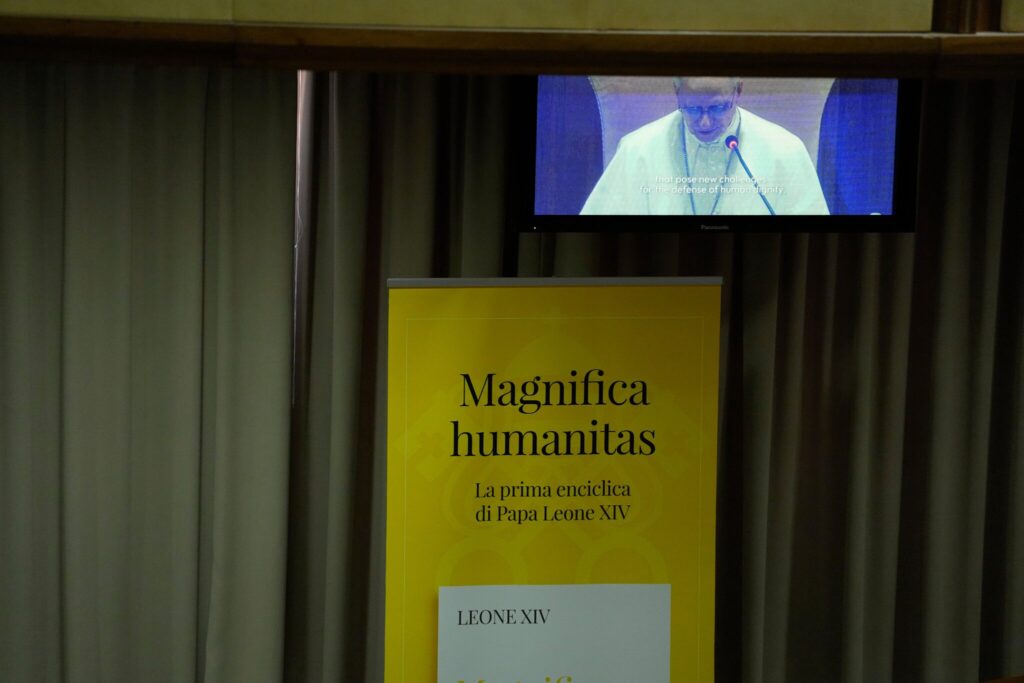
- The apology appeared in his first encyclical, “Magnifica Humanitas.”
- Leo called slavery a “wound in Christian memory.”
- He acknowledged papal decrees legitimized enslavement of non-Christians.
- The Vatican had never before formally apologized for this role.
- The encyclical linked slavery history to AI-era labor exploitation.
- Scholars praised the apology as historically significant.
- The Vatican repudiated the Doctrine of Discovery in 2023.
- Leo’s family history includes both enslaved people and slaveholders.
- Experts say further acknowledgment and reparative action may still be needed.
Deep Look
Pope Leo XIV Makes Historic Vatican Slavery Apology
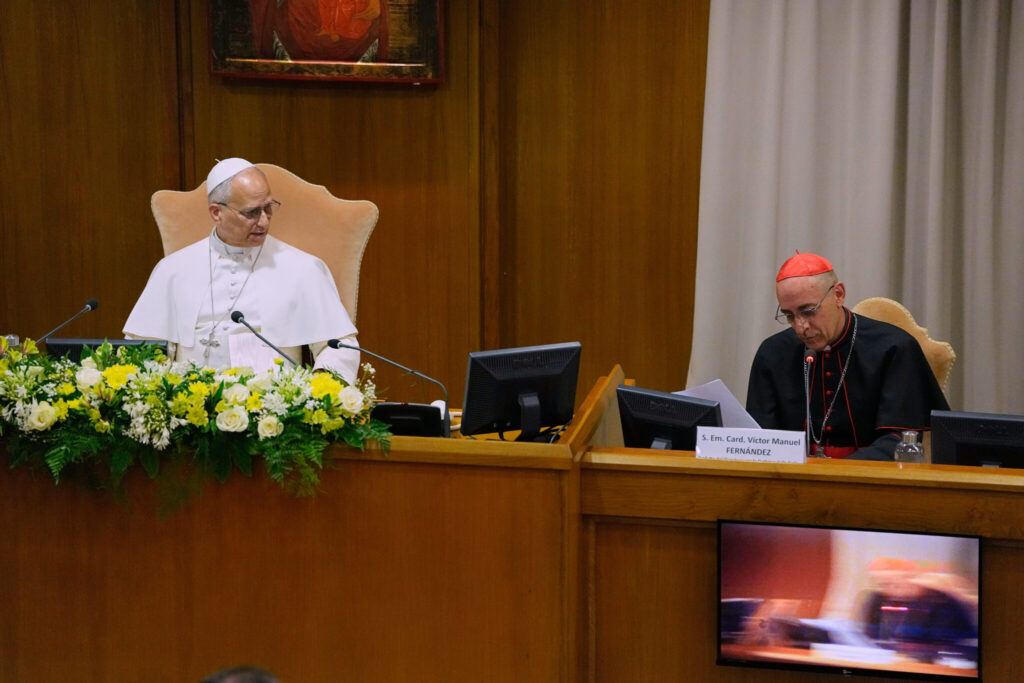
Pope Leo XIV delivered a landmark apology Monday for the Catholic Church’s historic role in legitimizing slavery, marking the first time a pope has explicitly acknowledged and apologized for Vatican policies that empowered European colonial powers to enslave non-Christians.
The statement came in Leo’s first encyclical, Magnifica Humanitas (“Magnificent Humanity”), a sweeping document focused on the ethical dangers posed by artificial intelligence and modern technological exploitation.
In the encyclical, Leo described the church’s history surrounding slavery as “a wound in Christian memory.”
“For this, in the name of the church, I sincerely ask for pardon,” Leo wrote.
Vatican Confronts Centuries of Colonial-Era Doctrine
The apology specifically addressed a series of 15th-century papal decrees that authorized European rulers to conquer lands, subjugate non-Christians and enslave populations across Africa and the Americas.
One of the most significant decrees was the 1452 papal bull Dum Diversas, issued by Pope Nicholas V, which granted Portugal authority to:
- “Invade” and “subjugate” non-Christians
- Seize land and property
- Reduce people to “perpetual slavery”
These decrees later became part of what historians call the “Doctrine of Discovery,” which helped justify colonial expansion and land seizures throughout the Americas and Africa.
Although the Vatican formally repudiated the Doctrine of Discovery in 2023, critics noted that the church had never directly rescinded the original papal bulls or fully apologized for them until now.
Slavery and AI Linked in New Encyclical
Leo connected the historical failures of the church to modern concerns surrounding artificial intelligence and global labor exploitation.
The pope warned that technological development could create “new forms of slavery and colonialism,” particularly involving labor conditions tied to rare mineral extraction and AI chip manufacturing.
He argued that failing to defend human dignity today could force future generations to once again apologize for institutional silence and complicity.
“Neither can we deny or diminish the delay with which both society and the church came to denounce the scourge of slavery,” Leo wrote.
Scholars Praise the Historic Admission
Historians and Black Catholic scholars described the apology as unprecedented.
Anthea Butler, senior fellow at Oxford University’s Koch History Center, said the acknowledgment was necessary if the Vatican wanted moral credibility while discussing modern exploitation.
“For descendants of enslaved persons, this is once again a much needed apology from the pope,” Butler said.
Jesuit scholar Rev. Christopher J. Kellerman also praised the statement, calling it a “truly remarkable moment,” while adding that more detailed acknowledgment of the church’s historical role may still be necessary.
Leo’s Personal Family History Adds Weight
The apology carries additional significance because of Leo’s own ancestry.
Genealogical research by historian Henry Louis Gates Jr. found that 17 of Leo’s American ancestors were identified in historical records as Black, Creole, mulatto or free people of color. His family tree also reportedly includes both enslaved individuals and slaveholders.
Leo, the first U.S.-born pope in history, has increasingly emphasized themes of reconciliation, historical accountability and human dignity during the opening months of his papacy.
Vatican Slowly Evolved on Slavery
The Catholic Church historically condemned some abuses tied to slavery while simultaneously tolerating or legitimizing the institution for centuries.
Leo noted in the encyclical that it was not until Pope Leo XIII explicitly condemned slavery in 1888 that the church formally recognized slavery’s incompatibility with Christian teaching.
Previous popes, including Pope John Paul II, apologized for Christians participating in the slave trade. However, none had directly acknowledged the Vatican’s own role in authorizing colonial slavery systems.