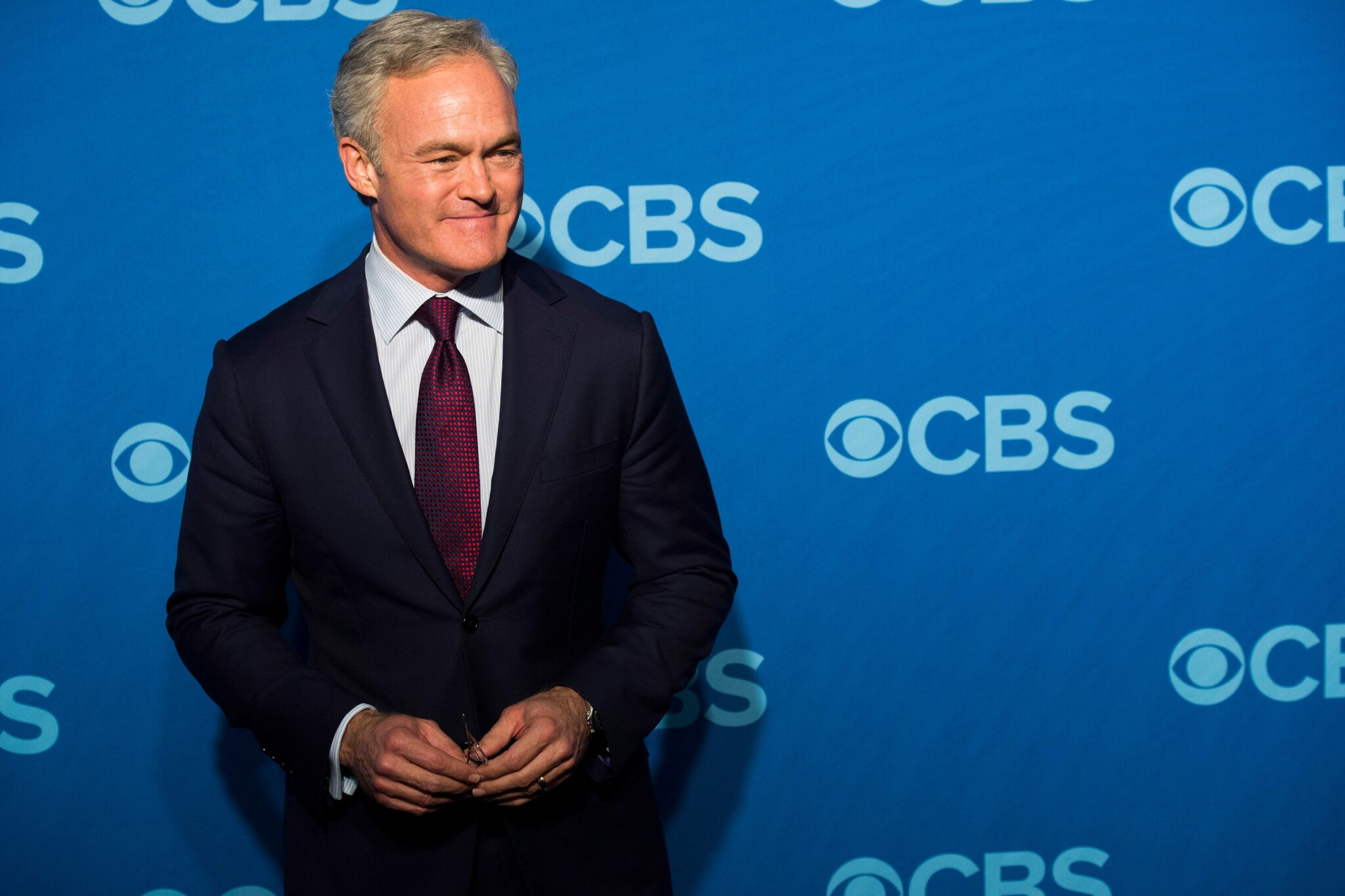
Scott Pelley of ’60 Minutes’ Accuses CBS News Head Bari Weiss of ‘Murdering’ the Show/ Newslooks/ WASHINGTON/ J. Mansour/ Morning Edition/ Veteran “60 Minutes” correspondent Scott Pelley reportedly confronted CBS News chief Bari Weiss and newly appointed executive producer Nick Bilton during a tense staff meeting. Pelley accused Weiss of undermining the iconic news program and questioned Bilton’s qualifications following recent firings and leadership changes. The confrontation highlights growing turmoil inside CBS News as management pushes a new vision for the long-running broadcast.
Scott Pelley CBS News Clash Quick Looks
- Scott Pelley reportedly criticized CBS News leadership during a staff meeting.
- Pelley accused Bari Weiss of damaging “60 Minutes.”
- He questioned new executive producer Nick Bilton’s qualifications.
- The confrontation followed recent staffing changes.
- Tanya Simon, Sharyn Alfonsi and Cecilia Vega were removed from their roles.
- Bilton defended Weiss and the network’s direction.
- CBS leadership reportedly attempted to contact Pelley before the meeting.
- Management says it wants to modernize the program.
- Staff reportedly applauded Pelley during the exchange.
- The dispute reflects broader tensions inside CBS News.
Deep Look
Tensions Erupt Inside ‘60 Minutes’
NEW YORK — Internal tensions at 60 Minutes spilled into public view after veteran correspondent Scott Pelley reportedly delivered a sharp criticism of network leadership during a staff meeting.
According to multiple media reports, Pelley confronted newly appointed executive producer Nick Bilton and criticized CBS News chief Bari Weiss following a series of controversial personnel decisions.
The reported exchange underscores growing uncertainty surrounding the future direction of one of television’s most influential news programs.
Pelley Challenges New Leadership
The confrontation reportedly occurred during an introductory meeting between Bilton and staff members.
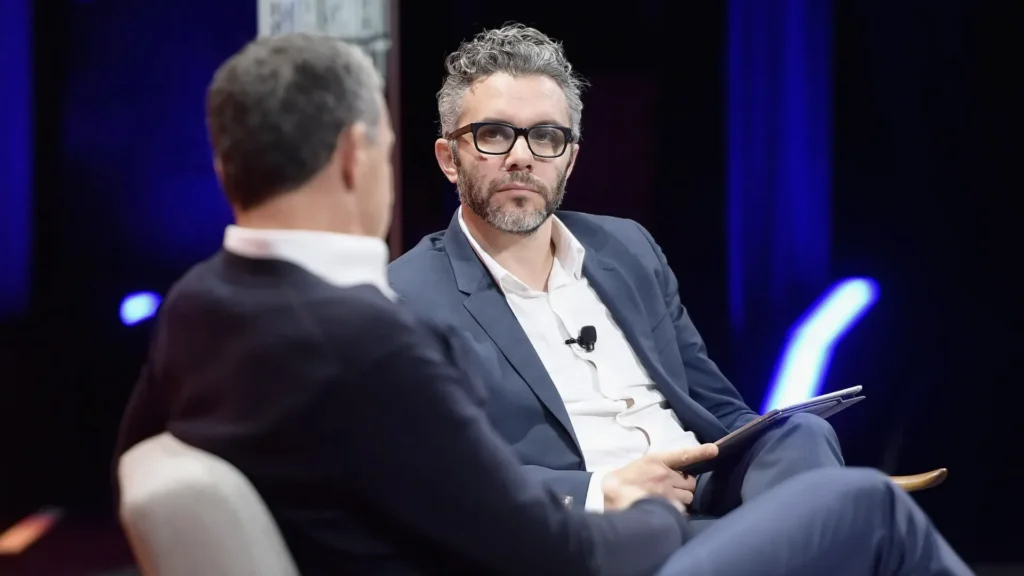
Bilton was recently appointed executive producer following significant changes within the show’s leadership structure.
During the meeting, Pelley reportedly questioned Bilton’s credentials and suitability for the role.
According to reports, Pelley described Bilton’s qualifications as:
“slender.”
Bilton previously built his career as a technology journalist and filmmaker rather than through traditional broadcast news leadership roles.
Sharp Criticism Directed At Bari Weiss
Pelley’s criticism extended beyond Bilton.
He reportedly challenged Weiss’ qualifications to lead CBS News and criticized changes she has implemented since taking charge of the division.
According to reports from the meeting, Pelley stated:
“She’s murdering ‘60 Minutes.’ She does not love this place. She was brought in to kill it and she’s doing exactly that.”
The comments represent one of the strongest public criticisms yet from a prominent CBS News figure regarding Weiss’ leadership.
Leadership Changes Spark Backlash
The dispute comes shortly after significant personnel moves at the network.
Recent departures included:
- Tanya Simon as executive producer.
- Correspondent Sharyn Alfonsi.
- Correspondent Cecilia Vega.
Those changes surprised many inside the organization and generated widespread discussion throughout the journalism industry.
Pelley reportedly described the dismissals as cruel and questioned the rationale behind them.
Bilton Pushes Back
Bilton reportedly defended both himself and Weiss during the meeting.
According to accounts of the exchange, he rejected suggestions that he was unqualified and insisted that Weiss supports the program.
Bilton reportedly told staff:
“Bari loves this institution.”
He also added:
“she loves ’60 Minutes.’”
The comments reflected management’s effort to reassure employees following the recent upheaval.
Heated Exchange Captures Staff Attention
Reports indicate the confrontation became one of the most dramatic internal meetings in recent memory at CBS News.
Staff members reportedly applauded Pelley multiple times throughout the discussion.
Observers described an emotionally charged atmosphere as employees confronted uncertainty about the future of the program.
The meeting highlighted divisions between longtime newsroom veterans and new leadership.
CBS Leadership Sought Private Outreach
According to individuals familiar with the situation, Weiss and Bilton attempted to contact Pelley before the meeting.
They reportedly wanted to reassure him that he remained an important part of the organization and that leadership valued his contributions.
Sources indicated that network executives were disappointed the disagreement became public despite those outreach efforts.
Neither CBS News nor its spokespeople immediately issued detailed public responses regarding the reported comments.
New Vision For ‘60 Minutes’
The dispute follows a recent memo outlining management’s plans for the future of the newsmagazine.
In that communication, Weiss and CBS News President Tom Cibrowski argued that the program must evolve to remain competitive in a changing media landscape.
The memo stated:
“building a show that thrives in the 21st century.”
Leadership described the goal as expanding the program beyond a traditional one-hour television format and strengthening its presence across multiple platforms.
Bilton Positioned As Modernization Choice
Management presented Bilton as a leader capable of guiding that transformation.
The memo praised his creativity, energy, and ambition while arguing that he was uniquely positioned to help modernize the brand.
Executives believe adapting to changing audience habits is essential for long-term success.
Supporters of the changes argue that legacy news organizations must evolve to remain relevant in a rapidly shifting media environment.
A Defining Moment For CBS News
The controversy reflects broader debates occurring across the media industry.
News organizations continue grappling with:
- Digital transformation.
- Audience fragmentation.
- Changing viewing habits.
- Financial pressures.
- Evolving newsroom cultures.
The tensions at “60 Minutes” illustrate how difficult those transitions can become when they affect longstanding traditions and established editorial structures.
Uncertain Future For A Television Institution
For decades, “60 Minutes” has remained one of television’s most respected and successful news programs.
Its reputation has been built on investigative journalism, in-depth interviews, and veteran correspondents like Pelley.
The current conflict raises questions about how the program will balance modernization efforts with the traditions that made it successful.
As leadership changes continue and staff reactions become more public, the future direction of “60 Minutes” will likely remain under intense scrutiny.