Senate Advances ICE Funding Bill After Trump Fund Dropped/ Newslooks/ WASHINGTON/ J. Mansour/ Morning Edition/ The Senate is set to begin voting on a $70 billion immigration enforcement funding bill after the Trump administration abandoned its controversial settlement fund proposal. Republican lawmakers removed several disputed provisions, including White House security funding tied to President Trump’s ballroom project. The legislation now faces a lengthy amendment process that will test Republican unity before final passage.
Immigration Enforcement Funding Bill Quick Looks
- Senate begins voting on a $70 billion funding package.
- The bill funds ICE and the Border Patrol.
- Republicans are using budget reconciliation to bypass Democratic support.
- Trump’s $1.776 billion settlement fund has been scrapped.
- Democrats want a permanent legal ban on the fund.
- A separate $1 billion White House security proposal was removed.
- Senate leaders seek to maintain GOP unity during amendment votes.
- Sen. Thom Tillis may introduce an amendment blocking future revival of the fund.
- Republicans hold a 53-47 Senate majority.
- Final passage remains dependent on support in both chambers.
Deep Look
Senate Moves Ahead With Immigration Funding Legislation
WASHINGTON — Senate Republicans are moving forward with a major immigration enforcement funding package after weeks of internal disputes that forced significant revisions to the legislation.
The roughly $70 billion bill would provide funding for federal immigration agencies, including U.S. Immigration and Customs Enforcement (ICE) and the U.S. Border Patrol.
The measure had been delayed by disagreements over several controversial additions supported by the Trump administration, but Republican leaders now say the legislation has been streamlined and is ready for consideration.
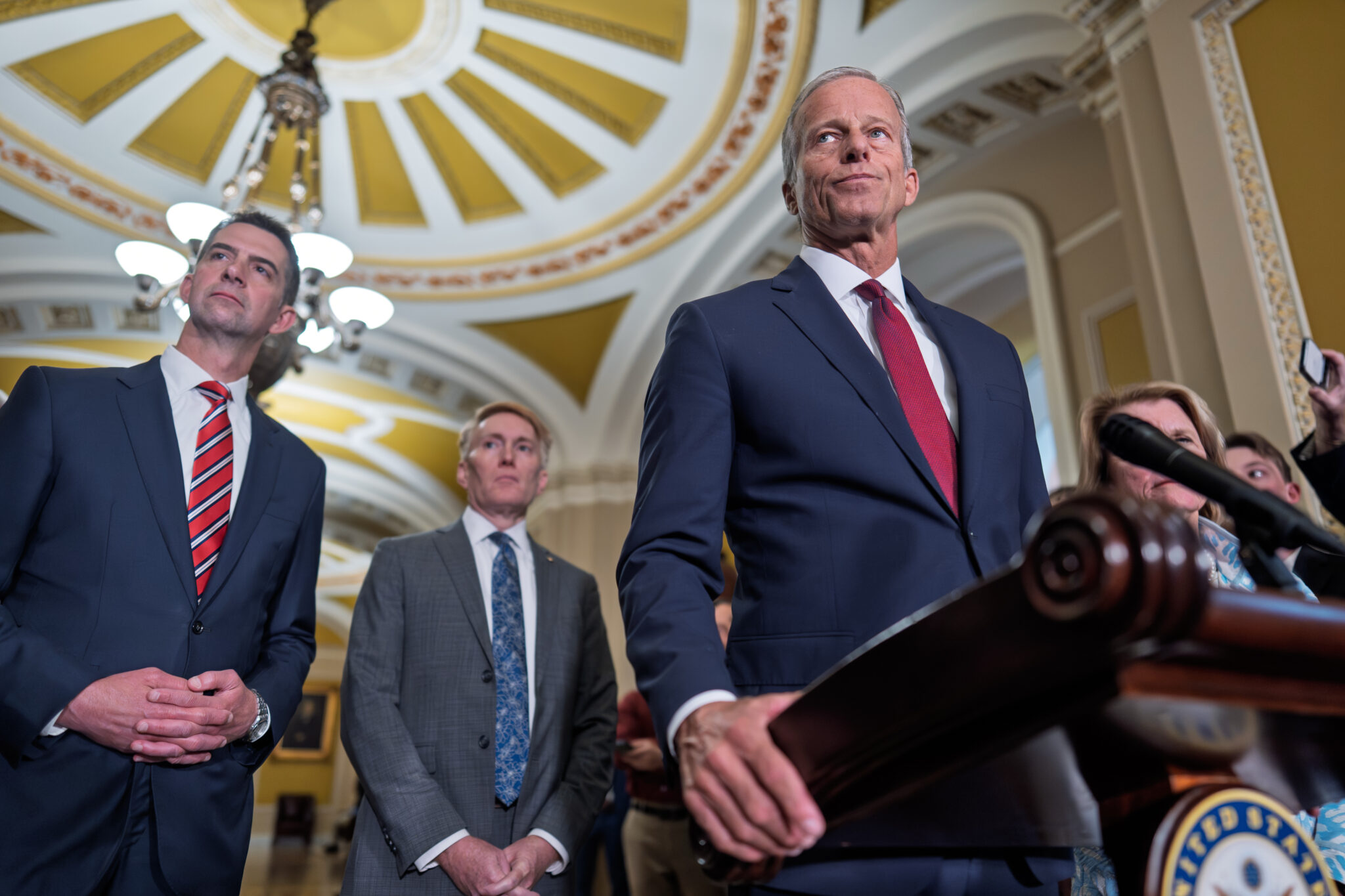
“Right now, the goal is to get the base bill across the finish line,” said Senate Majority Leader John Thune.
Settlement Fund Controversy Reshaped The Debate
One of the biggest obstacles involved the administration’s proposed $1.776 billion settlement fund.
The fund was originally linked to a settlement resolving President Donald Trump’s lawsuit against the Internal Revenue Service over the disclosure of his tax returns.
The proposal generated significant opposition from lawmakers in both parties.
Critics raised concerns about oversight and questioned whether political allies of the president could receive compensation.
On Tuesday, Acting Attorney General Todd Blanche announced the administration would abandon the plan.
“We are not moving forward with the fund, period.”
The announcement cleared a major hurdle for Senate Republicans who had been reluctant to advance the broader legislation while questions about the fund remained unresolved.
Democrats Seek Additional Safeguards
Despite the administration’s reversal, Democratic lawmakers remain skeptical.
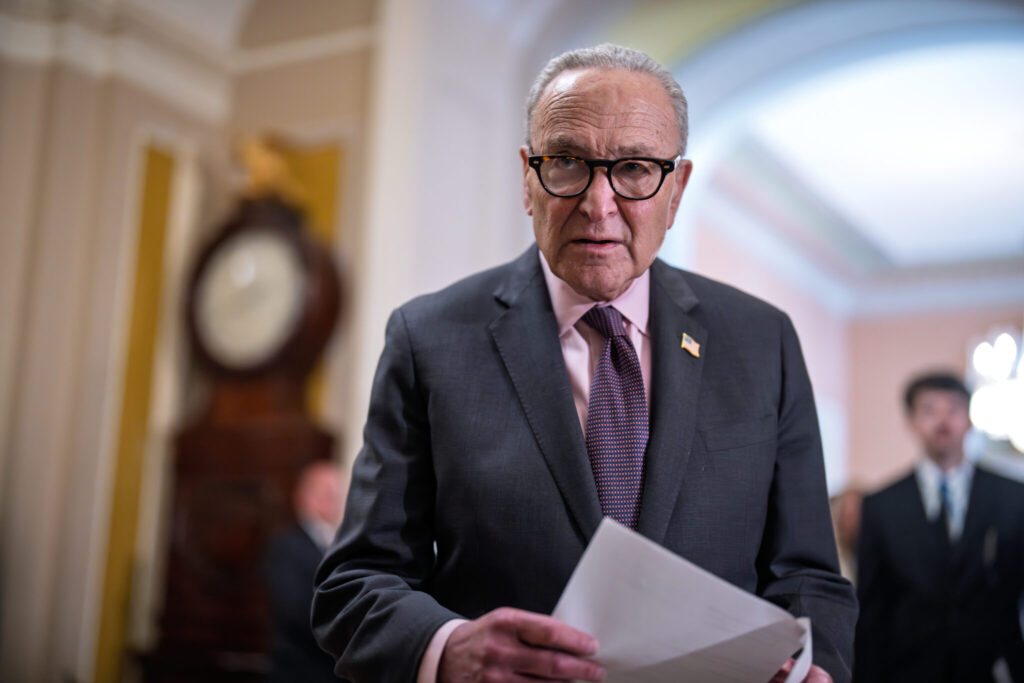
Senate Minority Leader Chuck Schumer argued that Congress should codify restrictions preventing any future effort to revive the fund.
“It is only a matter of time before Blanche and Trump go back on their word.”
Democrats are expected to introduce amendments addressing the issue during floor consideration.
Republicans must now decide whether to accept any additional language or rely on the administration’s public commitment.
GOP Senators Consider Their Own Amendments
The amendment process could prove challenging even within Republican ranks.
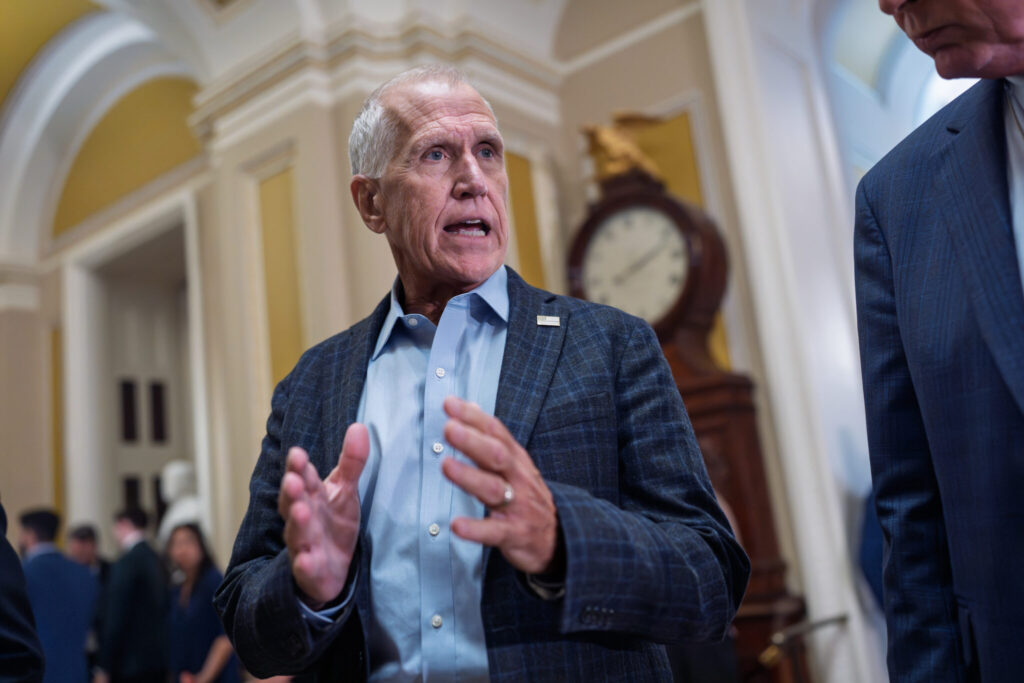
Sen. Thom Tillis has indicated he may introduce an amendment that would explicitly prohibit future attempts to recreate the settlement fund.
Republican leaders are working to avoid defections as they navigate the amendment process.
Thune acknowledged the delicate balancing act.
“Keep in mind, we’ve got to keep them all together, make sure we’ve got 50 votes for it.”
Because Republicans hold a narrow 53-47 majority, leadership can afford only a small number of defections.
White House Security Funding Removed
Another controversial provision removed from the bill involved approximately $1 billion in White House security funding.
Part of that proposal was connected to security requirements associated with President Trump’s planned ballroom project.
The funding generated criticism from Democrats and some Republicans who questioned the use of taxpayer resources for such expenditures during a period of economic uncertainty.
Removing the provision helped reduce opposition and allowed Senate leaders to refocus attention on immigration enforcement funding.
Budget Reconciliation Gives Republicans A Path
Republicans are advancing the legislation through the budget reconciliation process.
That procedure allows certain fiscal measures to pass the Senate with a simple majority rather than the 60 votes typically required to overcome a filibuster.
As a result, Republicans do not need Democratic support for final passage if they maintain unity within their caucus.
However, reconciliation also triggers a lengthy amendment process known as a “vote-a-rama,” during which senators can offer numerous amendments that may force politically difficult votes.
Funding ICE And Border Patrol Remains GOP Priority
Republican lawmakers have repeatedly emphasized that their primary objective is securing additional resources for immigration enforcement agencies.
Supporters argue that ICE and Border Patrol require expanded funding to carry out the administration’s immigration policies and border security initiatives.
Democrats, meanwhile, have criticized aspects of the administration’s immigration enforcement strategy and have resisted providing additional resources without policy changes or restrictions.
The dispute has contributed to months of legislative gridlock.
What Happens Next
The Senate is expected to spend significant time considering amendments before a final vote on the legislation.
If Republicans successfully maintain support within their conference, the bill would then move to the House for consideration before reaching President Trump’s desk.
The outcome will test whether Senate Republicans can remain united after weeks of internal disagreements over the settlement fund, White House spending proposals and broader immigration policy priorities.