Trump Admin Targets Iran Shipping Authority With New Sanctions/ Newslooks/ WASHINGTON/ J. Mansour/ Morning Edition/ Donald Trump imposed new sanctions targeting Iran’s agency overseeing shipping through the Strait of Hormuz. The move came hours after U.S. forces launched additional strikes against Iranian military targets near the vital waterway. The sanctions campaign highlights growing economic and political pressure surrounding stalled negotiations and global energy disruptions.
US Iran Sanctions Quick Looks
- US sanctions Iran’s Persian Gulf Strait Authority.
- Agency accused of controlling shipping through Hormuz.
- U.S. military launched additional strikes Wednesday.
- Iran charging major tolls for vessel transit.
- Oil and gas markets remain under pressure.
- Trump says Iran is “negotiating on fumes.”
- Strait of Hormuz remains partially restricted.
- Treasury says Iran is using “economic extortion.”
- Global energy costs continue rising.
- Talks between Washington and Tehran remain unresolved.
Deep Look
Trump Administration Expands Iran Sanctions Campaign
Donald Trump escalated economic pressure on Iran Wednesday by imposing sanctions on the country’s newly formed shipping authority overseeing transit through the Strait of Hormuz.
The sanctions target Iran’s Persian Gulf Strait Authority and any entities cooperating with it. The agency was created earlier this month as Tehran tightened control over one of the world’s most important energy corridors.
The action came shortly after U.S. forces conducted another round of strikes against Iranian military targets following the interception of Iranian drones near the strait.
The sanctions were first reported by The Associated Press.
Iran Shipping Controls Spark Global Concern
According to U.S. officials, the Iranian authority has attempted to regulate and profit from all vessel movement through the Strait of Hormuz.
The agency reportedly:
- Approves transit routes
- Assigns shipping corridors
- Charges tolls that may reach $2 million per vessel
Iran’s Islamic Revolutionary Guard Corps has defended the policy, warning ships that deviate from designated routes could face attacks or security risks.
The Strait of Hormuz handles roughly one-fifth of global oil and natural gas shipments under normal conditions, making disruptions especially damaging to world markets.
Treasury Calls Iran “Desperate for Cash”
Scott Bessent framed the sanctions as a response to what he called Iran’s economic coercion campaign.
“The Iranian military’s latest attempt to extort global maritime trade is proof that Economic Fury has left the regime desperate for cash,” Bessent said in a statement.
The sanctions represent the latest layer in a broader pressure strategy combining:
- Military deterrence
- Economic sanctions
- Port blockades
- Diplomatic negotiations
US Military Pressure Continues
The new sanctions followed another round of U.S. military action Wednesday.
According to U.S. officials:
- American forces downed Iranian attack drones
- A military facility tied to drone operations was struck
- Operations focused on threats near Bandar Abbas
The Pentagon has described recent strikes as “defensive” and says the U.S. continues exercising restraint despite growing tensions.
The military actions come alongside ongoing ceasefire negotiations and attempts to reopen the Strait of Hormuz fully.
Iran Closure Continues Impacting Global Economy
Iran’s restrictions on shipping through the strait have triggered major economic consequences worldwide.
Energy prices remain elevated because:
- Oil shipments remain limited
- Natural gas exports are disrupted
- Insurance and shipping costs have surged
- Fuel prices continue rising globally
Analysts say it may take weeks or months for global shipping traffic and energy prices to normalize even if a ceasefire agreement is reached quickly.
Meanwhile, the United States continues maintaining a blockade of Iranian ports.
Trump said the blockade “will remain in full force and effect until an agreement is reached, certified, and signed.”
Trump Says Iran Wants a Deal
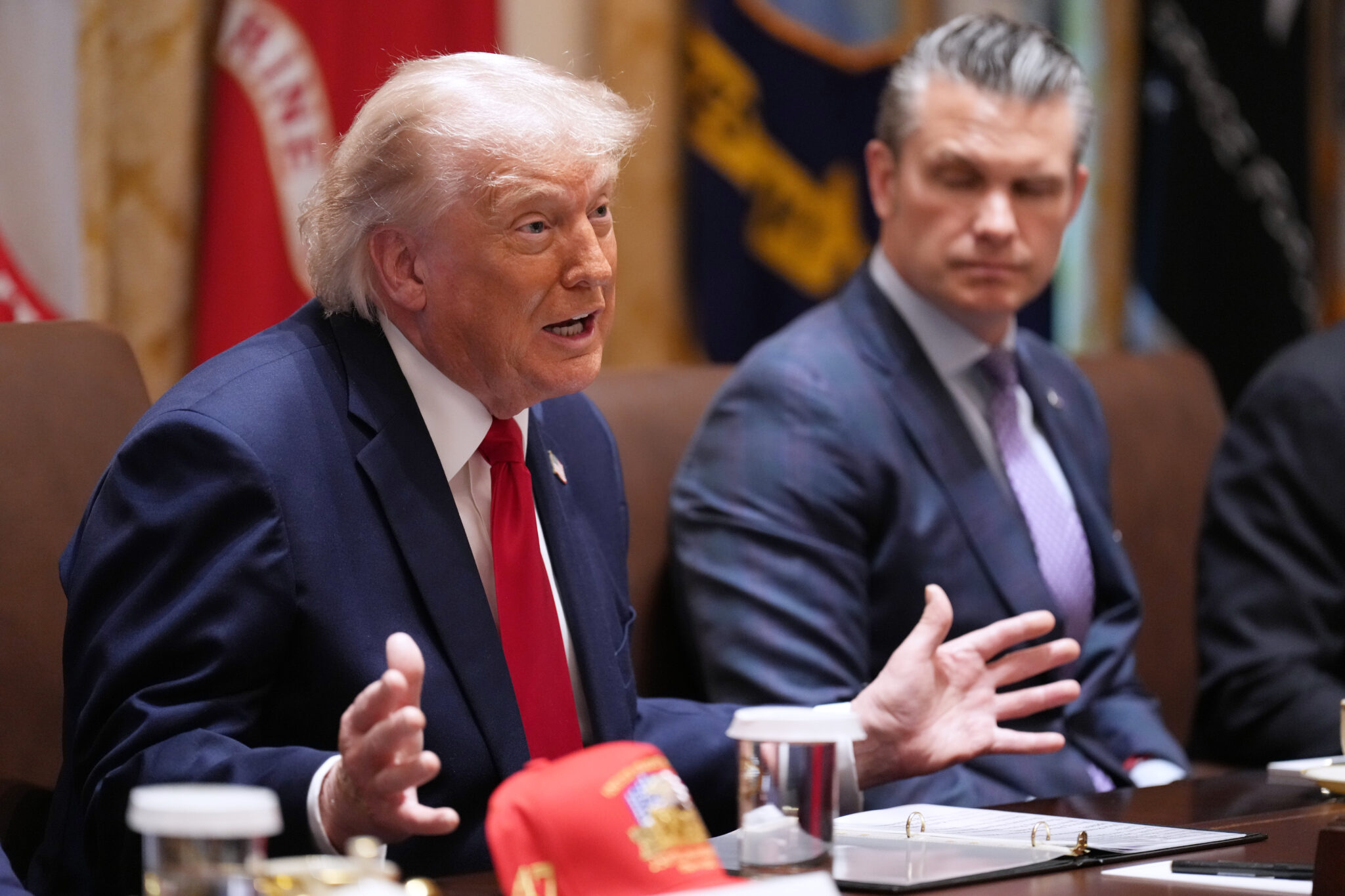
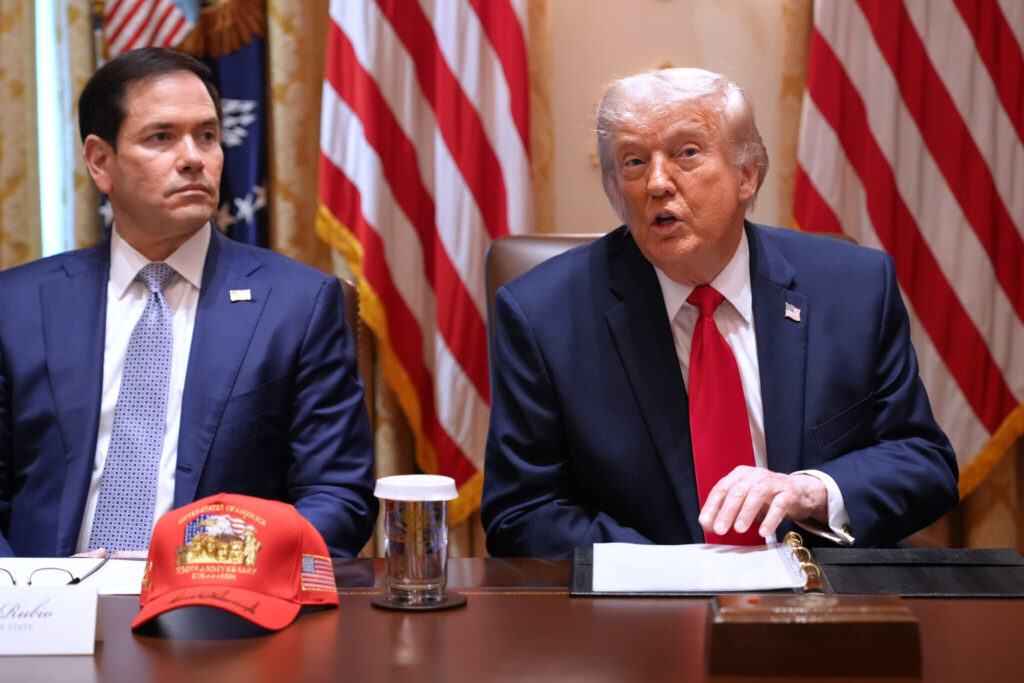
Despite the military and economic escalation, Trump continued signaling optimism about diplomacy during Wednesday’s Cabinet meeting.
“They want very much to make a deal,” Trump said.
“So far, they haven’t gotten there. We’re not satisfied with it, but we will be — either that or we’ll have to just finish the job.”
Trump has repeatedly argued Iran is under growing pressure from:
- Economic isolation
- Fuel shortages
- Military strikes
- Internal instability
He also said Iran is “negotiating on fumes,” while warning military action could resume if talks collapse.
Talks Remain Fragile
The negotiations between Washington and Tehran remain among the most intense diplomatic engagements between the longtime adversaries in years.
Key unresolved issues include:
- Uranium stockpile disposal
- Sanctions relief
- Strait of Hormuz access
- Proxy conflicts involving Hezbollah
- Long-term nuclear restrictions
Republican critics and some regional allies continue expressing concern that the emerging framework could leave Iran weakened only temporarily while allowing it to rebuild influence later.
At the same time, political pressure continues mounting on Trump and Republicans as:
- Gas prices remain elevated
- Inflation concerns persist
- Midterm elections approach
- Energy markets remain unstable