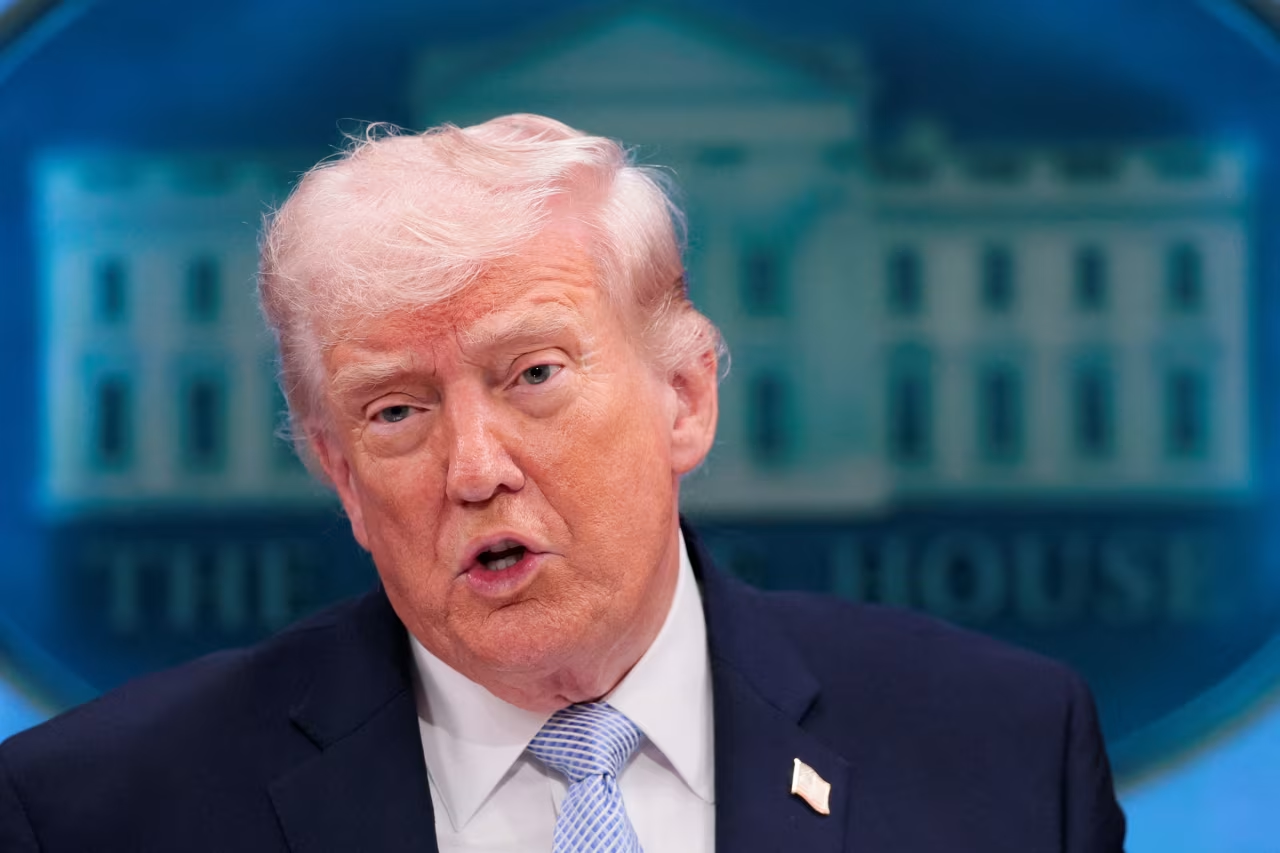
Trump and Iranian Foreign Minister Say Strait of Hormuz Is Fully Open/ Newslooks/ WASHINGTON/ J. Mansour/ Morning Edition/ The Strait of Hormuz has reopened amid a fragile Lebanon ceasefire. President Donald Trump and Iran confirm shipping access resumes. Regional tensions persist despite optimism for a broader peace deal.
Strait of Hormuz Reopens Quick Looks
- Strait of Hormuz declared fully open to commercial vessels
- 10-day Lebanon ceasefire appears to be holding
- Trump says U.S. blockade remains despite reopening
- Hezbollah’s stance on ceasefire remains uncertain
- Oil prices drop amid easing supply concerns
- Israel maintains military presence in southern Lebanon
- Diplomatic efforts intensify between U.S., Iran, and allies
Deep Look
Strait of Hormuz Reopens Amid Fragile Ceasefire
The strategically critical Strait of Hormuz has been declared fully open to commercial shipping, marking a significant development in the ongoing tensions involving the United States, Iran, and regional actors. The announcement came as a 10-day ceasefire in Lebanon appeared to stabilize a volatile front in the broader conflict.
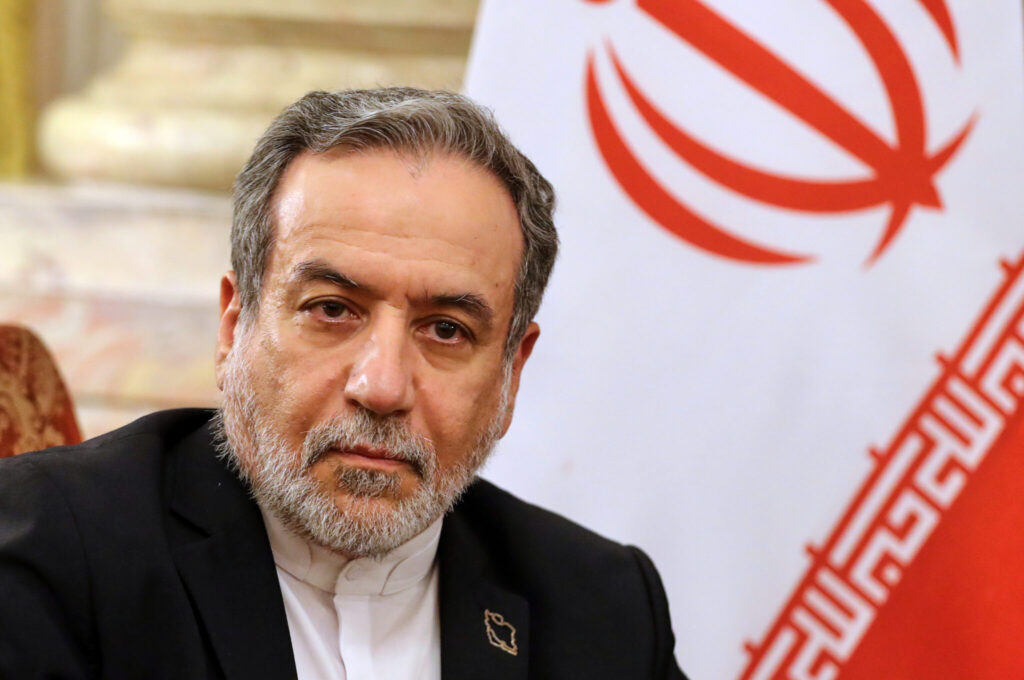
U.S. President Donald Trump confirmed the development, stating on social media that Iran had announced the waterway “is fully open and ready for full passage.” Minutes earlier, Iran’s Foreign Minister Abbas Araghchi echoed the sentiment, declaring that transit through the strait “is declared completely open” for all commercial vessels during the ceasefire period.
Despite this progress, uncertainty remains. Trump emphasized that U.S. restrictions would continue, saying the blockade would “remain in full force” until a broader agreement is reached with Iran to formally end hostilities.
Celebrations and Caution in Lebanon
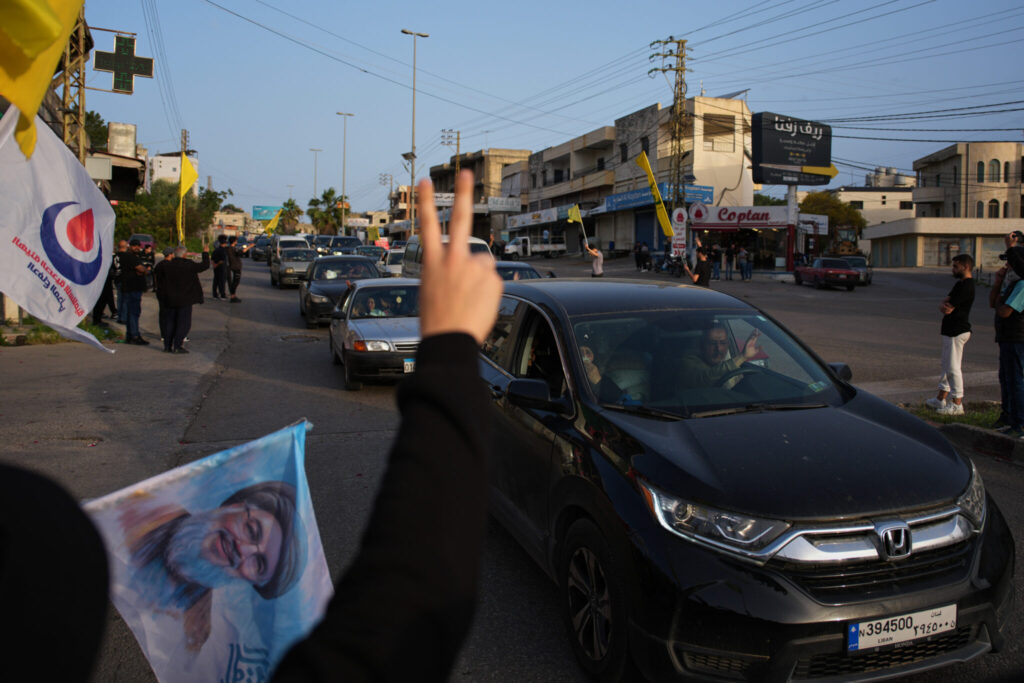
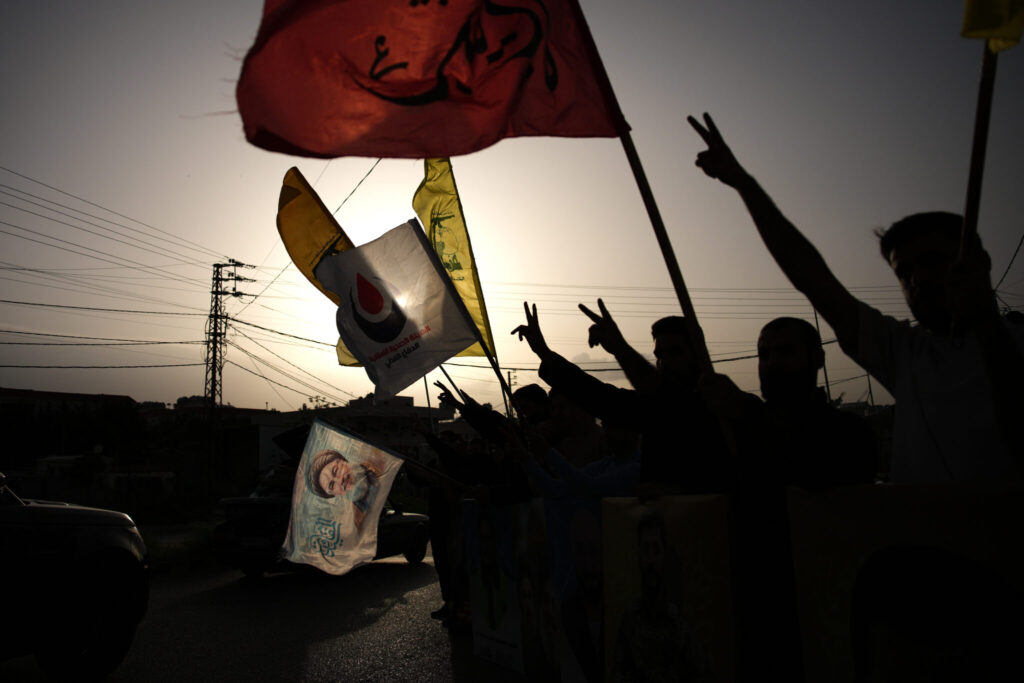
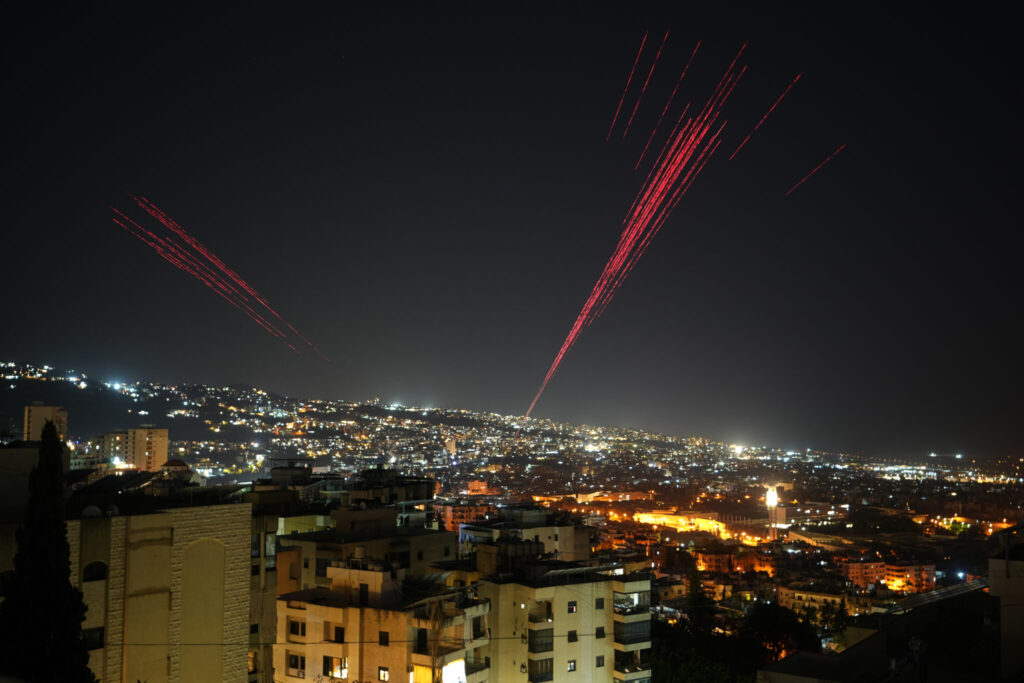
In Beirut, the ceasefire sparked cautious optimism. Residents marked the truce with celebratory gunfire, while displaced families began returning to southern Lebanon and the capital’s suburbs. However, officials urged restraint, warning that the situation could quickly deteriorate.
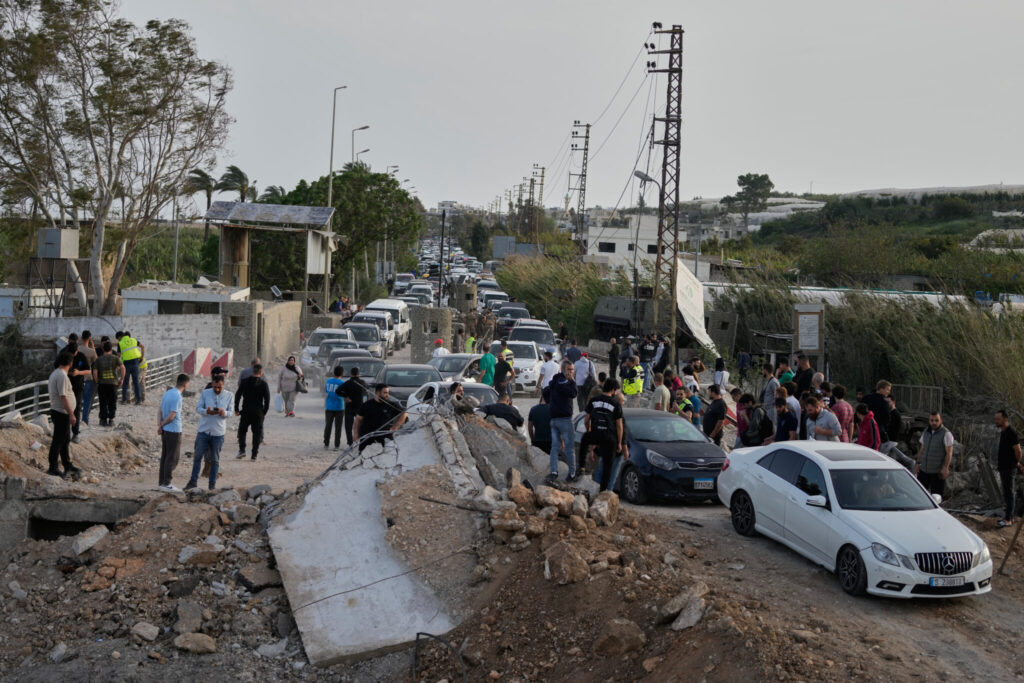
According to a spokesperson for U.N. peacekeeping forces, no airstrikes were observed after midnight, though accusations emerged that Israeli forces violated Lebanese airspace and conducted artillery shelling. Israel has yet to respond to those claims.
Under the reported terms of the agreement, Israel retains the right to act in self-defense against imminent threats but is restricted from launching offensive operations in southern Lebanon.
Trump praised the development as a “historic day for Lebanon” and suggested broader progress in the region. “I will say the war in Iran is going along swimmingly,” he said during a speech. “It should be ending pretty soon.”
Israel Signals Continued Military Presence
Despite the ceasefire, Israel made clear it has no immediate plans to withdraw troops from southern Lebanon. Defense Minister Israel Katz stated that while Israel intends to respect the ceasefire, disarming Hezbollah remains incomplete.
Katz confirmed Israeli forces would maintain their positions, including a buffer zone extending roughly 10 kilometers into Lebanese territory. He added that many homes in the area would be destroyed and residents would not be allowed to return.
Prime Minister Benjamin Netanyahu reinforced that stance, saying the ceasefire was agreed to “to advance” peace efforts but stressing that Israeli troops would stay. “That is where we are, and we are not leaving,” he said.
Hezbollah, meanwhile, signaled potential resistance. The group stated that Lebanese citizens have “the right to resist” occupation and that its actions would depend on how the situation evolves.
Global Energy Concerns and Economic Impact
The reopening of the Strait of Hormuz carries major implications for global energy markets. The waterway typically handles about one-fifth of the world’s oil supply, making its accessibility critical to economic stability.
Following the announcement, oil prices declined as markets reacted to the reduced risk of supply disruption. However, concerns remain. International Energy Agency Executive Director Fatih Birol warned that prolonged instability could still trigger significant energy shocks.
He noted that Europe has “maybe six weeks or so” of jet fuel reserves remaining, underscoring the urgency of maintaining open shipping routes.
Diplomatic Push Gains Momentum
The ceasefire follows an intense wave of diplomatic activity. U.S. officials confirmed that the agreement emerged after meetings in Washington involving Israeli and Lebanese representatives, along with multiple calls led by Trump and Secretary of State Marco Rubio.
These discussions marked the first direct diplomatic engagement between Israel and Lebanon in decades, despite opposition from Hezbollah.
Further regional involvement included Pakistan’s army chief meeting with Iran’s parliament speaker to support extending the ceasefire. Officials indicated that the United States and Iran have reached an “in-principle agreement” to prolong the truce and allow more time for negotiations.
Key sticking points remain, including Iran’s nuclear program, control of the Strait of Hormuz, and compensation for wartime damages.
Trump signaled openness to extending the ceasefire, stating, “If we’re close to a deal, would I extend? Yeah, I would do that.”
Human Cost of the Conflict
The broader conflict has taken a devastating toll. Reports indicate that at least 3,000 people have been killed in Iran, more than 2,100 in Lebanon, and dozens across Israel and Gulf Arab states. Additionally, 13 U.S. service members have lost their lives.
While the ceasefire offers a temporary reprieve, the humanitarian impact continues to weigh heavily on the region.