Israel Orders Beirut Strikes As Hezbollah Rockets Hit Northern Israel/ Newslooks/ WASHINGTON/ J. Mansour/ Morning Edition/ Israel ordered strikes on Beirut’s southern suburbs after Hezbollah launched rockets toward northern Israel, including areas near Haifa. The escalation comes despite an April ceasefire and just before Israeli and Lebanese officials are scheduled to hold talks in Washington. Diplomatic efforts continue as both sides exchange attacks and tensions threaten broader regional negotiations.
Israel Hezbollah Conflict Quick Looks
- Israel ordered strikes on Beirut’s southern suburbs.
- Hezbollah fired rockets toward northern Israel.
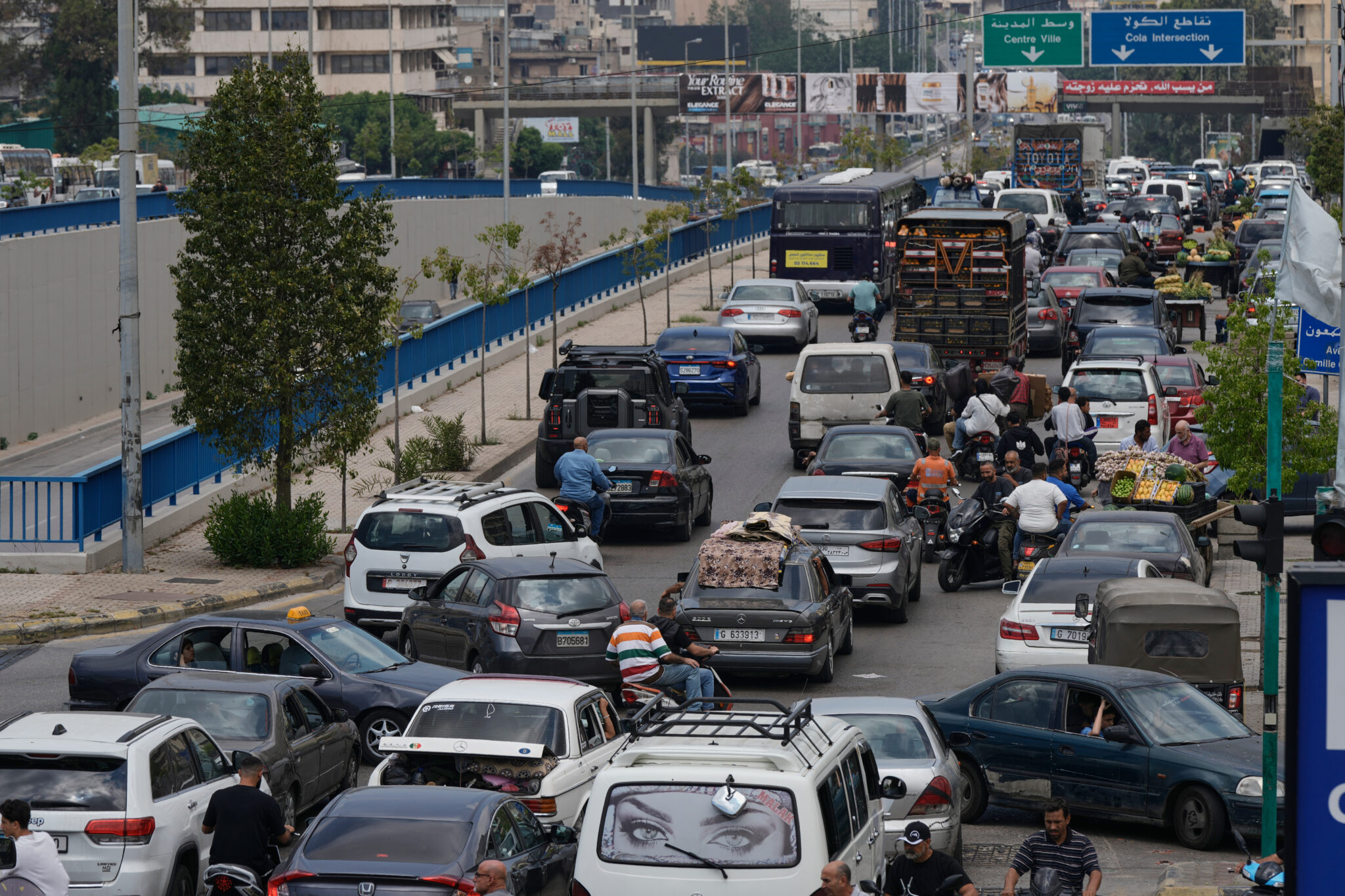
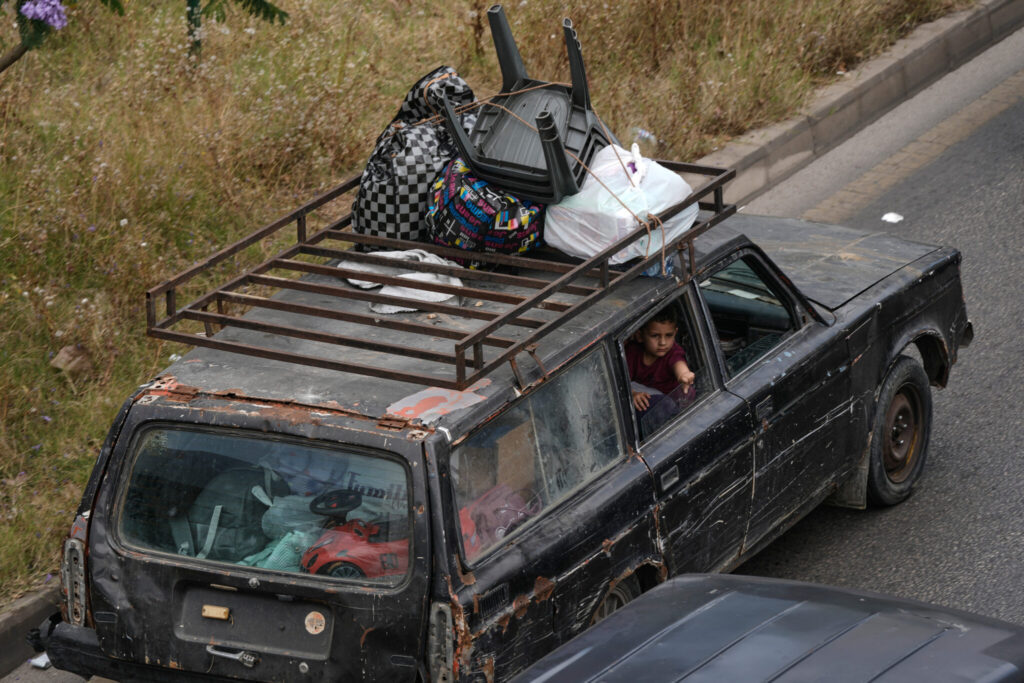
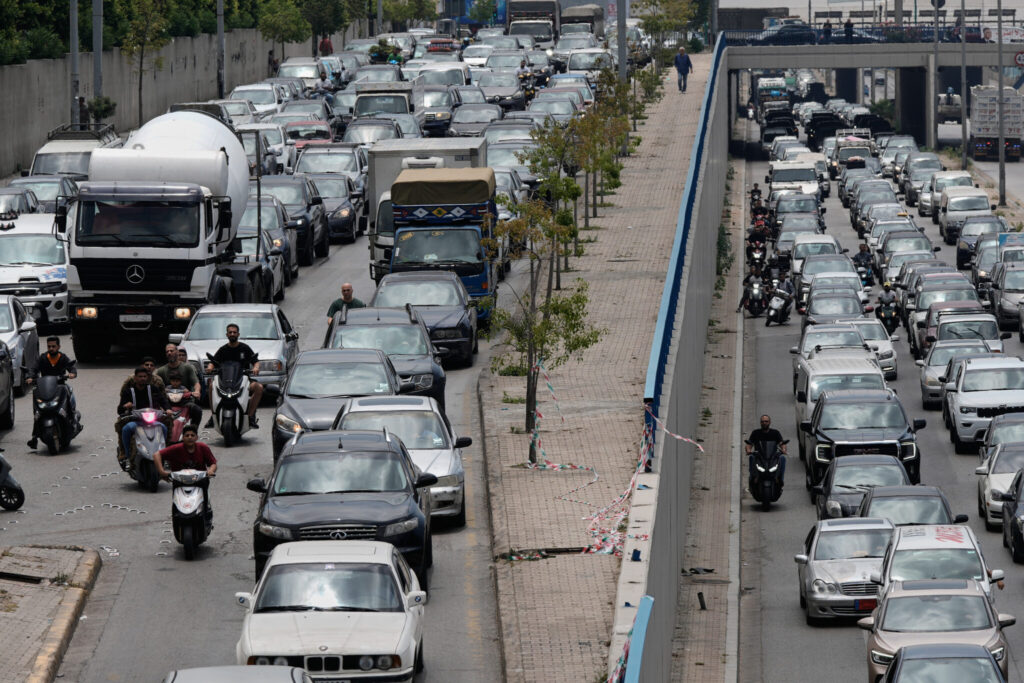
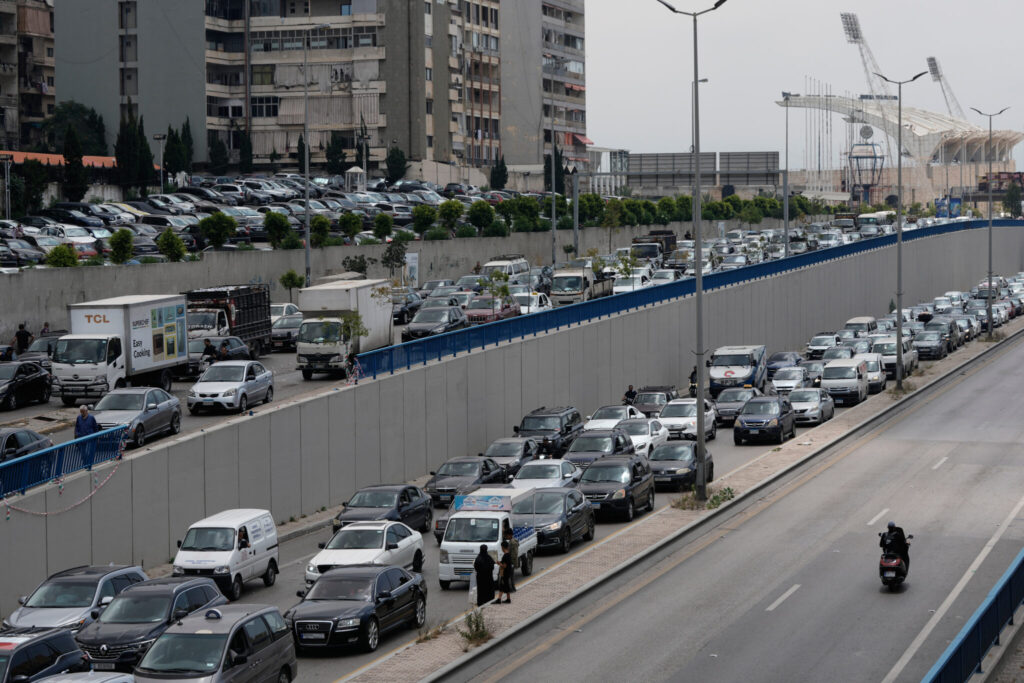
- Large numbers of residents fled Beirut’s Dahiyeh district.
- Israeli airstrikes killed six people in southern Lebanon.
- A ceasefire has technically been in place since April 17.
- Israeli and Lebanese officials are scheduled for talks in Washington.
- Iran says any ceasefire must apply to all fronts.
- Marco Rubio has proposed a new diplomatic framework.
- Hezbollah says it targeted Israeli troops and infrastructure.
- More than one million people have been displaced in Lebanon.
Deep Look
Israel Orders New Strikes On Beirut Suburbs
BEIRUT — Israel ordered military strikes against Beirut’s southern suburbs on Monday after Hezbollah launched rockets toward northern Israel, marking another major escalation in a conflict that continues despite a fragile ceasefire.
The decision followed Hezbollah attacks that reached areas near the coastal city of Haifa and came one day after Israeli ground forces advanced deeper into Lebanon than at any point in more than two decades.
The renewed violence has raised concerns that diplomatic efforts to stabilize the region could be undermined just as Israeli and Lebanese officials prepare for a new round of talks in Washington.
Netanyahu And Katz Authorize Response
In a joint statement, Israeli Prime Minister Benjamin Netanyahu and Defense Minister Israel Katz said the military was instructed to target Hezbollah positions in Beirut’s southern suburbs, commonly known as Dahiyeh.
The Israeli government cited what it described as repeated Hezbollah violations of the ceasefire and attacks on Israeli population centers.
The warning prompted a rapid evacuation from parts of Dahiyeh, a district widely regarded as a Hezbollah stronghold.
Residents were seen fleeing the area, creating heavy traffic on roads leading out of the suburb as concerns grew over impending airstrikes.
Overnight Fighting Intensifies
Military activity expanded significantly overnight.
Lebanese state media reported that Israeli airstrikes in southern Lebanon killed six people, including a Syrian national near the city of Nabatiyeh.
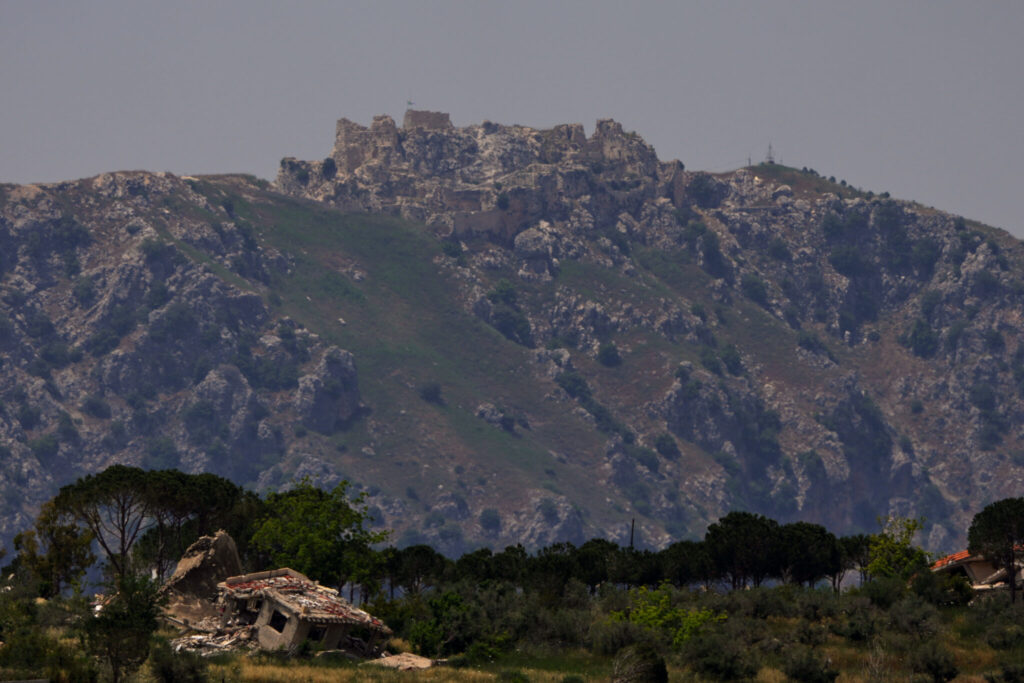
Additional strikes reportedly targeted towns and villages close to strategic areas recently occupied by Israeli forces, including locations near Beaufort Castle.
Meanwhile, the Israeli military said its air defenses intercepted two projectiles launched from Lebanon and destroyed a suspicious aerial target near Israeli positions in southern Lebanon.
No injuries were reported from those incidents.
Hezbollah Claims Multiple Attacks
Hezbollah acknowledged conducting several operations against Israeli targets.
The group said it launched rockets and missiles toward northern Israel on Sunday and carried out attacks early Monday against Israeli troops near Zawtar al-Sharqieh, north of the Litani River.
Hezbollah also claimed responsibility for strikes targeting what it described as Israeli military infrastructure in Tiberius.
The attacks underscore the growing strain on the ceasefire agreement reached earlier this year.
Washington Talks Set To Resume
The escalation comes at a sensitive diplomatic moment.
Israeli and Lebanese officials are scheduled to begin another round of talks in Washington on Tuesday.
The discussions are particularly significant because they represent the first direct negotiations between the two countries in more than three decades.
Israel and Lebanon do not maintain formal diplomatic relations, making the talks a rare channel for direct communication.
Despite the latest violence, Lebanese officials say they remain committed to participating in the negotiations.
Hezbollah Rejects Direct Negotiations
While the Lebanese government supports continued diplomacy, Hezbollah has rejected direct talks with Israel.
The organization instead relies on pressure from Iran, its principal regional ally and supporter.
Tehran has repeatedly demanded an end to military operations in Lebanon as part of broader discussions involving the United States and regional security issues.
The differing approaches illustrate the complex network of actors involved in efforts to stabilize the conflict.
Iran Links Lebanon To Broader Ceasefire
Iranian Foreign Minister Abbas Araghchi emphasized Monday that any agreement involving Washington and Tehran must apply across the region.
“Its violation on one front is a violation of the ceasefire on all fronts,” Araghchi said.
His comments suggest Iran views developments in Lebanon as directly connected to wider negotiations involving the United States and the ongoing regional crisis.
Rubio Proposes New Diplomatic Path
The United States continues attempting to prevent further escalation.
According to a U.S. official, Secretary of State Marco Rubio recently spoke with both Lebanese President Joseph Aoun and Netanyahu.
Rubio reportedly proposed a framework under which Hezbollah would halt attacks against Israel while Israel would refrain from expanding military operations in Beirut.
The proposal is part of broader diplomatic efforts occurring as President Donald Trump considers a possible extension of ceasefire arrangements involving Iran.
Lebanese Leaders Remain Divided
Lebanese officials have expressed differing views regarding the proposal.
President Joseph Aoun indicated openness to continued negotiations and reiterated that diplomacy remains the best available option.
“It is safer” than war, Aoun said.
“It will not solve the problem within moments, but it is a process that needs time. And we have no other choice.”
Human Cost Continues To Rise
The conflict continues to impose a heavy toll on civilians and military personnel.
According to figures cited in the report:
- 3,412 people have been killed in Lebanon.
- More than 1 million people have been displaced.
- At least 26 Israeli soldiers and one defense contractor have been killed in or near southern Lebanon.
- Two civilians have been killed in northern Israel.
The displacement crisis remains one of the largest humanitarian consequences of the conflict.
Hezbollah Drones Challenge Israeli Forces
Israeli military officials also reported the death of a soldier during a Hezbollah drone attack in southern Lebanon.
The group has increasingly deployed fiber-optic drones, which are more difficult to detect and intercept using traditional electronic warfare systems.
Those drones have emerged as one of Hezbollah’s most effective tactical tools and continue to present challenges for Israeli forces operating inside Lebanon.
Ceasefire Faces Growing Pressure
Although a ceasefire has officially been in place since April 17, repeated violations by both sides have steadily weakened confidence in the agreement.
The renewed strikes in Beirut, Hezbollah rocket launches, and continued military operations on both sides of the border demonstrate how fragile the truce has become.
With diplomatic talks scheduled to begin in Washington, negotiators now face the difficult task of preventing the latest escalation from derailing broader efforts to achieve a more durable peace.