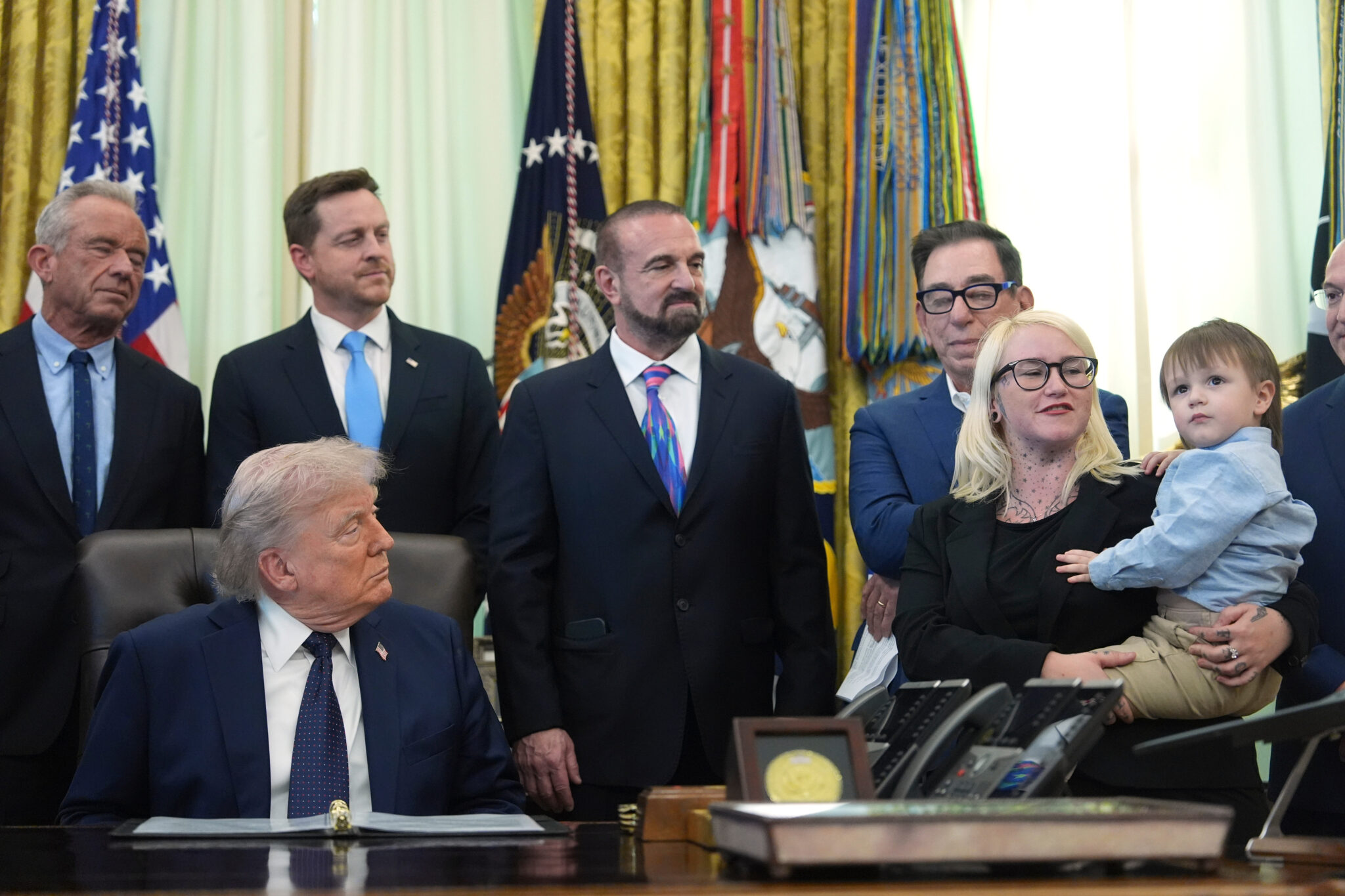
Trump Announces Regeneron Deal to Cut Drug Prices/ Newslooks/ WASHINGTON/ J. Mansour/ Morning Edition/ President Donald Trump announced a new agreement with Regeneron to lower prescription drug prices as part of his administration’s “most-favored-nation” pricing initiative. The deal includes lower Medicaid prices for all current and future Regeneron drugs and discounted access to Praluent through TrumpRx. The White House says Regeneron will also invest $27 billion in U.S. research, development, and manufacturing.
Trump Regeneron Drug Price Deal Quick Looks
- Trump announced a pricing agreement with Regeneron on Thursday
- Regeneron will lower Medicaid prices for all current and future drugs
- Cholesterol drug Praluent will be sold for $225 through TrumpRx
- The deal is part of Trump’s “most-favored-nation” drug pricing plan
- Regeneron is the final company among 17 major drugmakers to strike a deal
- The company also pledged $27 billion for U.S. research and manufacturing
- Trump says voters should reward Republicans for lowering drug costs
Deep Look
Trump Unveils New Drug Price Deal With Regeneron
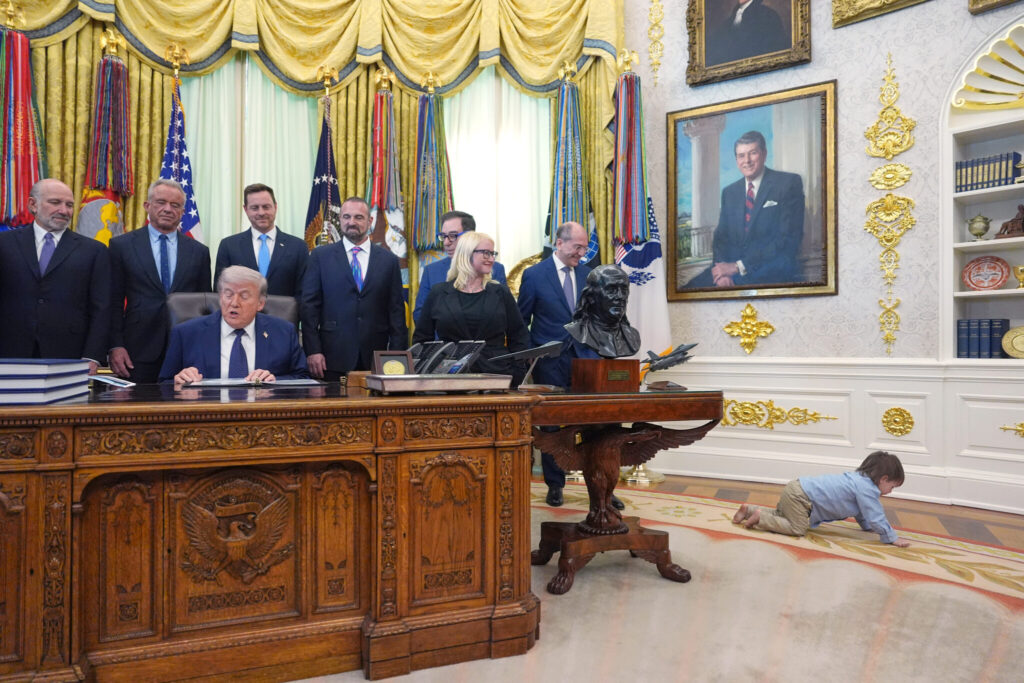
President Donald Trump announced Thursday that his administration has reached a major agreement with pharmaceutical giant Regeneron to reduce prescription drug costs for Americans.
The deal is part of the White House’s signature “most-favored-nation” initiative, which aims to bring U.S. drug prices closer to the lower prices paid in other developed countries.
Trump said the agreement will lower the prices of all Regeneron’s current and future medications for Medicaid patients.
It also includes a major discount on Regeneron’s cholesterol drug Praluent, which will now be offered for $225 through the White House’s discounted prescription platform, TrumpRx.
The agreement was first outlined by NOTUS and later confirmed through a White House fact sheet.
The announcement comes as the administration pushes economic relief measures ahead of the November midterm elections, with high healthcare costs remaining a major concern for voters.
Trump Calls Drug Discounts a Major Political Win
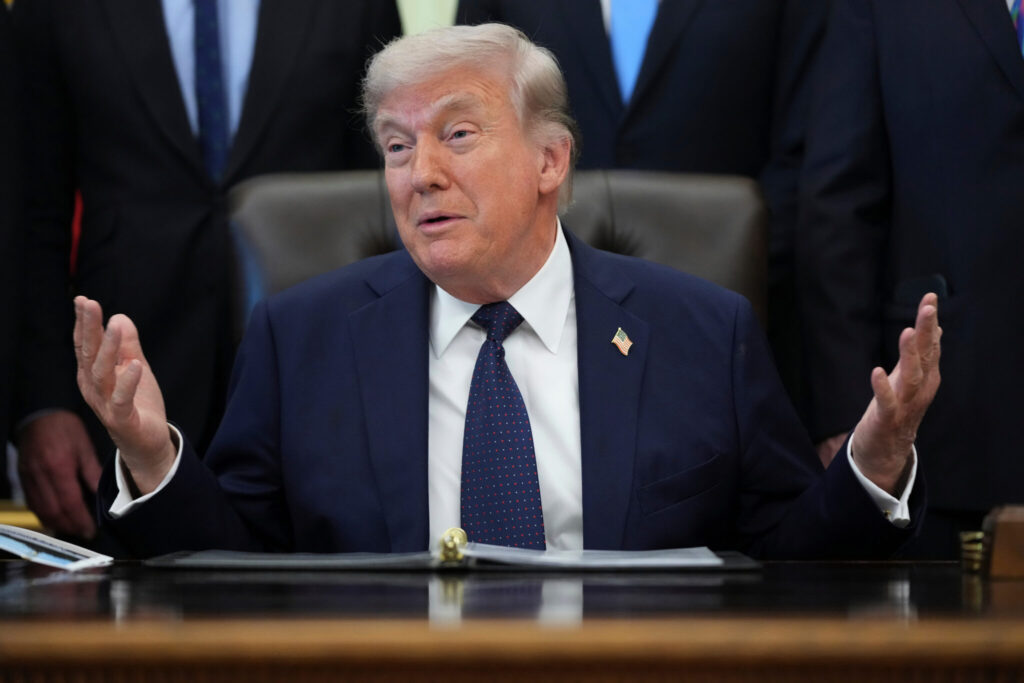
Speaking at the White House, Trump praised the agreement and argued that lower prescription costs should be a major national headline.
“It should be front page news,” Trump said while announcing the Regeneron deal.
He also linked the issue directly to the upcoming midterm elections, saying Republicans deserve political credit for the savings.
“We should win the midterms, but it doesn’t work that way, unfortunately,” Trump said.
The administration has increasingly focused on healthcare costs, along with gas prices and grocery bills, as Americans continue facing inflation pressure and rising household expenses.
Trump’s team believes these drug pricing agreements could become a major campaign message heading into November.
Regeneron Becomes Final Drugmaker to Join Program
The Regeneron agreement marks the final deal among 17 major pharmaceutical companies that Trump publicly pressured last July.
At the time, Trump sent letters to top drug company executives demanding action to lower U.S. prices and align them more closely with international pricing standards.
These arrangements have become known as “most-favored-nation” deals because they are designed to prevent Americans from paying more than patients in comparable developed countries.
Regeneron is now the last of those targeted companies to reach an agreement with the administration.
The White House has presented the deals as a major breakthrough in prescription drug reform.
However, many details of the agreements have not yet been made public.
Regeneron Pledges $27 Billion in U.S. Investment
As part of the new deal, Regeneron has also committed to investing $27 billion in research, development, and manufacturing inside the United States.
According to the White House fact sheet, the funding will support expanded domestic production and pharmaceutical innovation.
Trump has often linked corporate investment commitments like this to broader trade and tariff policy.
His administration has historically offered some companies tariff relief when they commit to large-scale U.S. investment projects.
The White House is using the Regeneron deal to highlight both lower drug prices and increased domestic manufacturing at the same time.
Trump’s Long History With Regeneron
Trump also has a personal connection to the company.
During his first term in 2020, when he was hospitalized with COVID-19, he received an experimental Regeneron antibody treatment that was being tested to help support immune system response.
After leaving the hospital, Trump publicly praised the company and repeatedly highlighted its treatment in public statements and videos.
That history has made Regeneron one of the most visible pharmaceutical names associated with Trump’s presidency.
Now, the company is once again at the center of a major White House healthcare announcement.
New Gene Therapy Approved by FDA
On the same day as the pricing agreement, Regeneron also announced that its new gene therapy called Otarmeni had received approval from the Food and Drug Administration.
The treatment targets a rare form of congenital hearing loss and will be made available at no charge to clinically eligible patients in the United States.
That program has drawn heavy criticism from congressional Democrats because it was not formally authorized by Congress.
Lawmakers have raised concerns that these special FDA vouchers have repeatedly gone to companies that also agree to White House pricing concessions.
This has fueled questions about whether political influence is affecting federal drug approval priorities.
Congress Presses for Transparency
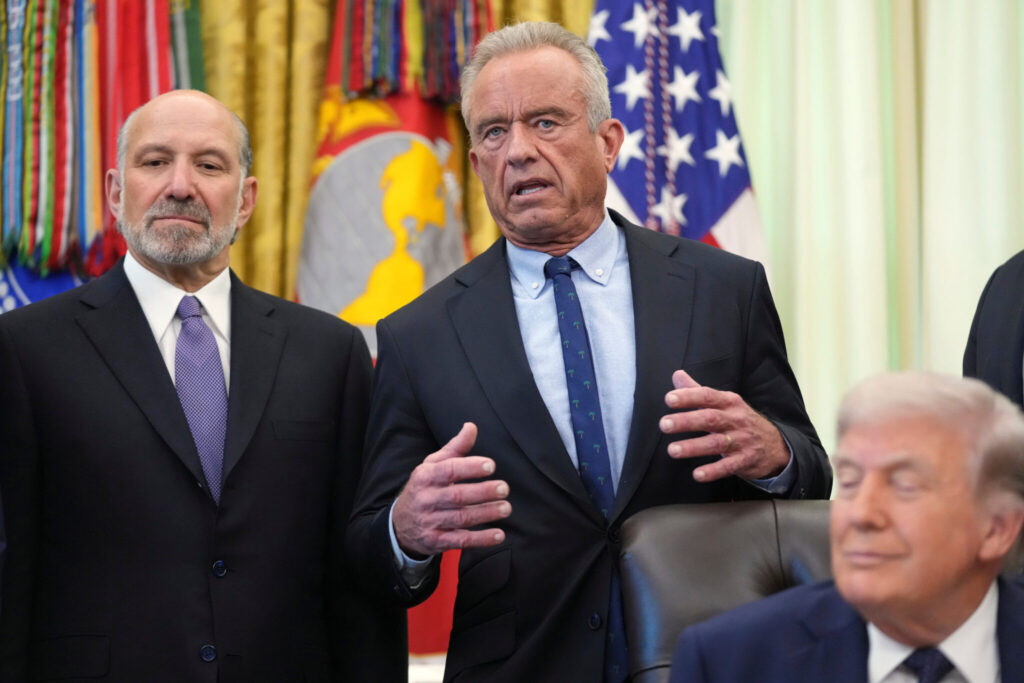
Even as Trump and Health and Human Services Secretary Robert F. Kennedy Jr. describe these drug pricing deals as transformative, lawmakers continue asking for more transparency.
Members of Congress recently pressed the administration to release the full contracts and details behind the agreements.
Kennedy said this week that his department would provide whatever information it could without violating trade secrets or proprietary protections.
Both Trump and Kennedy have urged Congress to formally codify these agreements into federal law.
Without legislation, critics argue the deals could face legal or administrative challenges later.
Some Drug Pricing Plans Already Facing Problems
Not every part of Trump’s broader drug pricing strategy has worked smoothly.
Earlier this week, a major part of agreements involving weight-loss drugmakers Eli Lilly and Novo Nordisk ran into trouble.
Medicare delayed implementation of a plan that would have helped insurers cover GLP-1 weight-loss drugs, weakening a key part of that pricing effort.
That setback raised new questions about how durable some of these pharmaceutical agreements may be.
What Lower Prices Mean for Patients
Prescription drug costs in the United States vary depending on insurance coverage, competition, and the type of treatment involved.
Most Americans receive prescription coverage through employers, private insurance, Medicare, or Medicaid.
Patients on Medicaid already pay only small co-payments for prescriptions, often just a few dollars.
However, lower drug prices can still provide major relief to state governments that help fund Medicaid programs.
That means the Regeneron agreement could reduce both direct patient costs and broader public healthcare spending.
For Trump, the deal is both a healthcare policy victory and a political message aimed at voters focused on affordability and rising living expenses.