Trump: Lebanon, Israel Agree to Extend Israel-Hezbollah Ceasefire 3 Weeks/ Newslooks/ WASHINGTON/ J. Mansour/ Morning Edition/ President Donald Trump announced that Israel and Lebanon have agreed to extend the ceasefire with Hezbollah by three more weeks following rare direct talks in Washington. The breakthrough came after the first direct diplomatic meetings between Lebanon and Israel in decades, despite Hezbollah strongly opposing the negotiations. Trump said the U.S. will help Lebanon protect itself from Hezbollah while broader talks continue over troop withdrawals, reconstruction, and long-term peace.
Israel Lebanon Ceasefire Extension Quick Looks
- Trump says Israel and Lebanon agreed to extend the ceasefire by three weeks
- The original 10-day ceasefire was set to expire Monday
- These are the first direct Israel-Lebanon talks since 1993
- Hezbollah opposes the talks and says it will not honor agreements made
- Trump expects to meet soon with Benjamin Netanyahu and Joseph Aoun
- Lebanon wants Israeli troop withdrawal and reconstruction to begin
- The latest war has killed around 2,300 people in Lebanon and displaced over 1 million
Deep Look
Trump Announces New Ceasefire Extension Between Israel and Lebanon
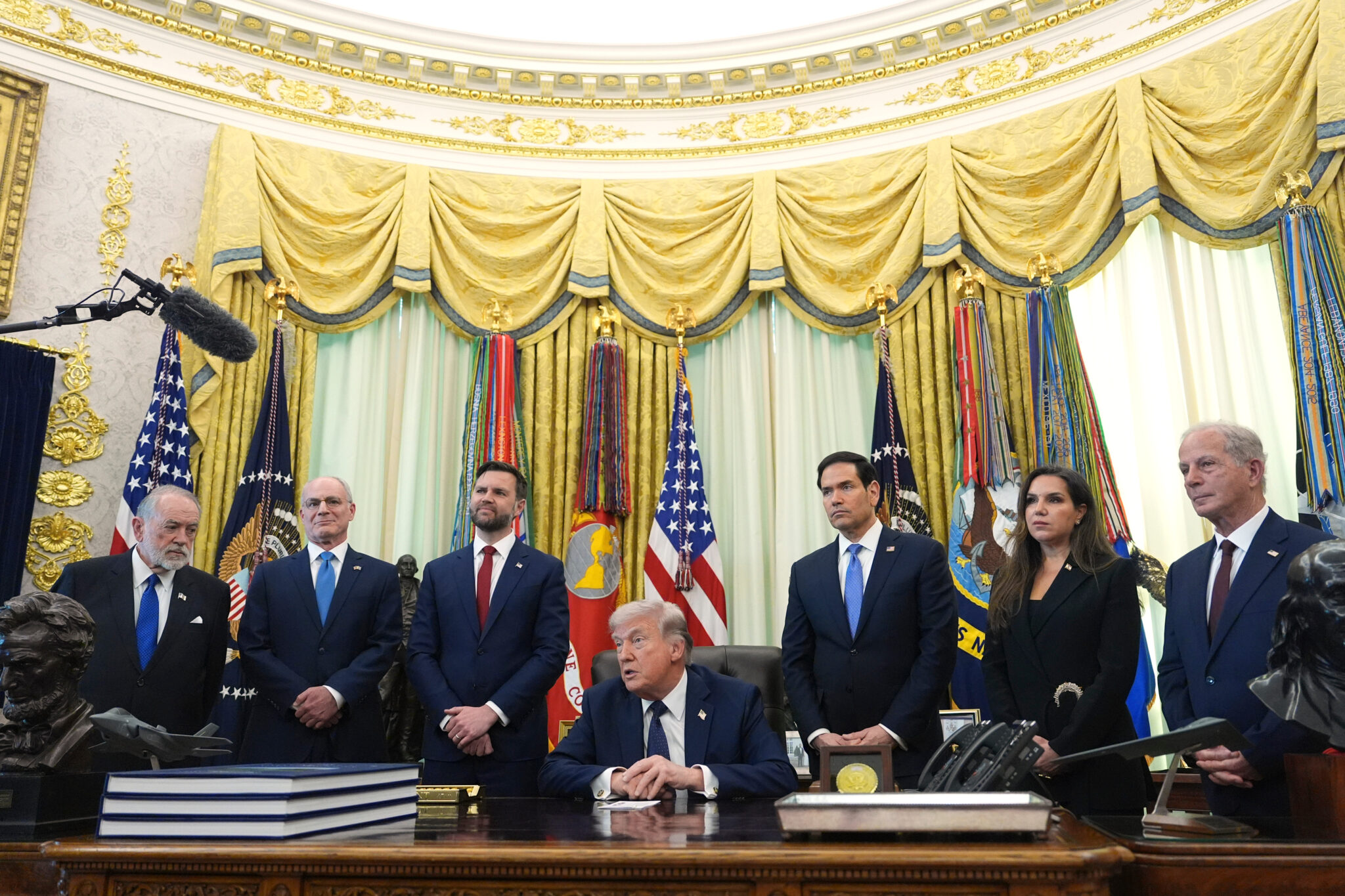
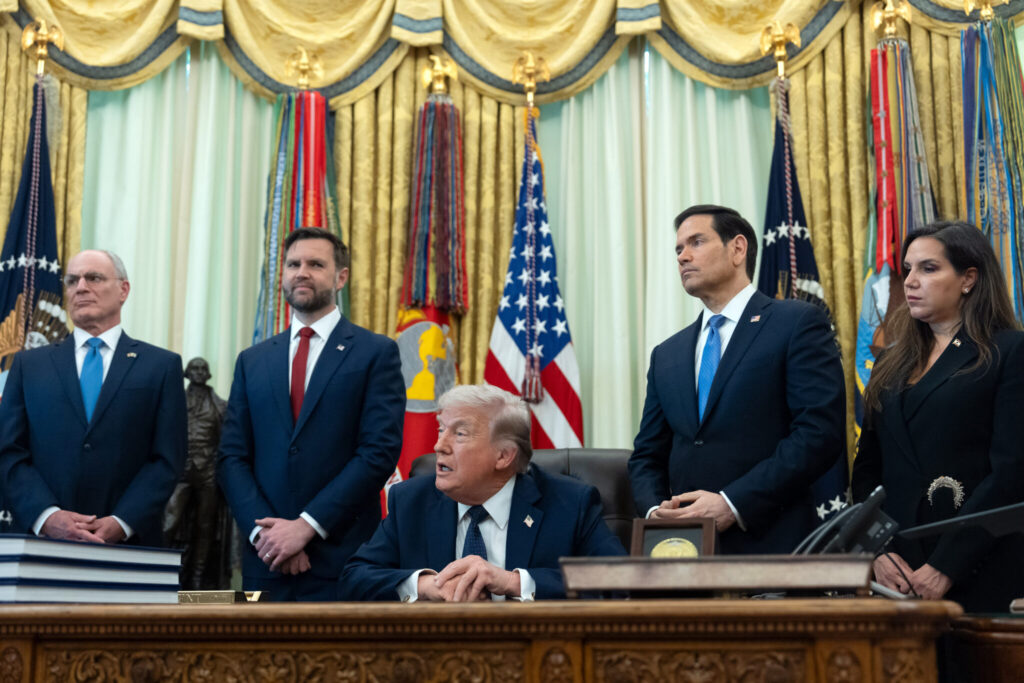
WASHINGTON — President Donald Trump said Thursday that Israel and Lebanon have agreed to extend the ceasefire between Israel and the Hezbollah militant group by an additional three weeks following rare direct diplomatic talks at the White House.
The announcement came after the Israeli and Lebanese ambassadors to the United States met for the second time in one week — the first direct diplomatic talks between the two countries in decades.
Trump described the meeting as productive but acknowledged that Hezbollah remains a major obstacle.
“They do have Hezbollah to think about,” Trump said during an Oval Office gathering.
The original 10-day ceasefire, which began last Friday, had been set to expire Monday.
Despite multiple violations by both sides since the truce began, the extension signals a major diplomatic step between two neighboring countries that have officially been at war since Israel’s founding in 1948.
Trump Says US Will Help Lebanon Against Hezbollah
Trump used the White House event to stress that the United States would continue supporting Lebanon’s efforts to stabilize the country and reduce Hezbollah’s influence.
“The United States is going to work with Lebanon in order to help it protect itself from Hezbollah,” Trump said in a social media post.
Later in the Oval Office, he also said he expects to host Israeli Prime Minister Benjamin Netanyahu and Lebanese President Joseph Aoun in Washington within the next few weeks.
Trump made clear that Israel would still be allowed to defend itself if attacked.
He told reporters that Israel has the right to respond “if they’re shot at, and they will.”
Vice President JD Vance and Secretary of State Marco Rubio were also present during the White House announcement.
The meeting underscored how central the ceasefire has become to broader U.S. diplomacy in the Middle East.
Ambassadors Signal Support for Broader Peace Effort
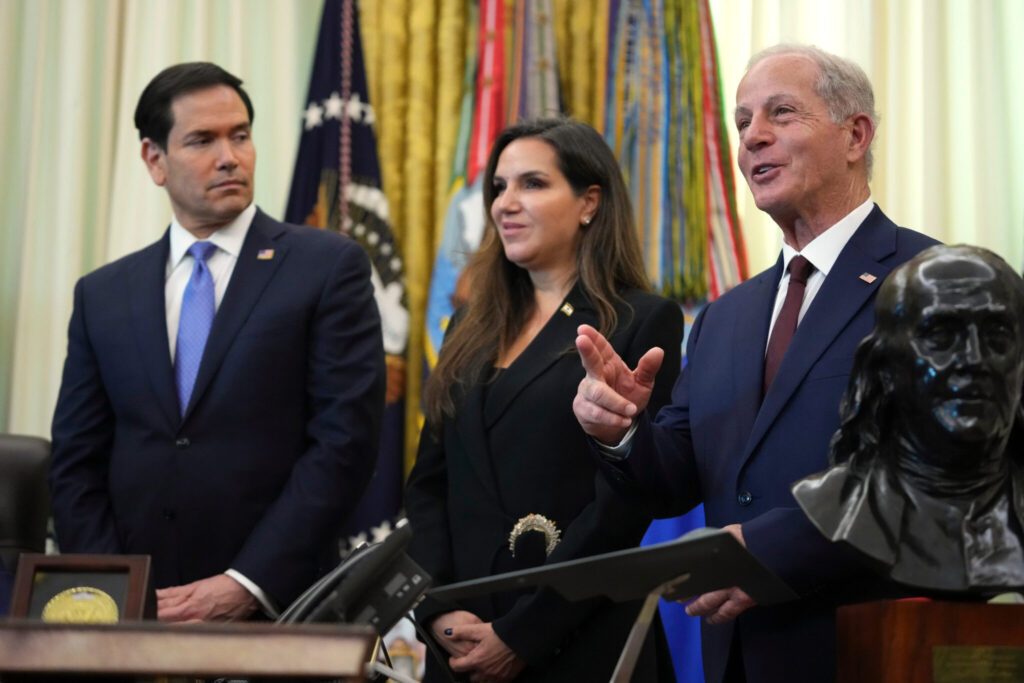
Israeli Ambassador Yechiel Leiter praised Trump’s involvement and suggested hopes for a more permanent breakthrough.
“We hope that together, under your leadership, we can formalize peace between Israel and Lebanon in the very near future,” Leiter said.
Lebanese Ambassador Nada Hamadeh Moawad also thanked Trump for his support and used his signature campaign slogan to make her point.
“And I think with your help, with your support, we can make Lebanon great again,” she said.
The remarks reflected growing momentum behind broader diplomatic talks, even as deep political and military challenges remain unresolved.
Lebanon Pushes for Wider Negotiations
Lebanese President Joseph Aoun had already signaled that Beirut wants talks to move beyond a temporary ceasefire and toward a long-term settlement.
He said Lebanon’s ambassador would press for an end to Israeli home demolitions in villages and towns occupied after the latest war began on March 2.
Aoun said the broader goals of future negotiations include a full stop to Israeli attacks, withdrawal of Israeli troops from Lebanon, release of Lebanese prisoners held in Israel, deployment of Lebanese troops along the border, and the start of reconstruction efforts.
These demands are seen by Beirut as essential for restoring stability and rebuilding southern Lebanon after months of conflict.
The Lebanese government hopes the direct talks can lead to a permanent end to the war.
Israel Says Hezbollah Remains the Main Obstacle
Israel continues to insist that Hezbollah is the central issue preventing normalization between the two countries.
Foreign Minister Gideon Saar called on Lebanon to work with Israel to disarm the Iranian-backed militant group before broader peace efforts can move forward.
“We don’t have any serious disagreements with Lebanon. There are a few minor border disputes that can be solved,” Saar said.
“The obstacle to peace and normalization between the countries is one: Hezbollah.”
He also described Lebanon as a “failed state” and said it could have “a future of sovereignty, independence and freedom from the Iranian occupation.”
His comments reflect Israel’s strategy of tying peace negotiations directly to Hezbollah’s military power.
How the Latest War Began
The current conflict started after Hezbollah launched rockets into northern Israel, two days after Israel and the United States launched attacks on Iran.
Hezbollah said the strikes were carried out in solidarity with Iran.
Israel responded with widespread bombardment across Lebanon and a ground invasion that captured dozens of border towns and villages.
Israeli forces currently occupy a buffer zone stretching as far as 6 miles, or 10 kilometers, into southern Lebanon.
Israel says the goal is to eliminate the threat of Hezbollah’s short-range rockets and anti-tank missiles targeting northern Israeli communities.
Hezbollah Rejects the Talks
Hezbollah has not participated in the diplomacy and has openly rejected the negotiations.
Wafiq Safa, a senior member of the group’s political council, told The Associated Press that Hezbollah would not follow any agreements made during the direct talks.
That creates a major challenge for any long-term peace arrangement, since Hezbollah remains one of the most powerful armed and political forces inside Lebanon.
Still, Lebanon insists it will represent itself and not allow Iran to control the negotiations.
Iran has reportedly made ending the wars in Lebanon and the wider region a condition for restarting broader talks with the United States.
Violence and Anger Continue Despite Ceasefire
Even with the ceasefire extension, violence has not fully stopped.
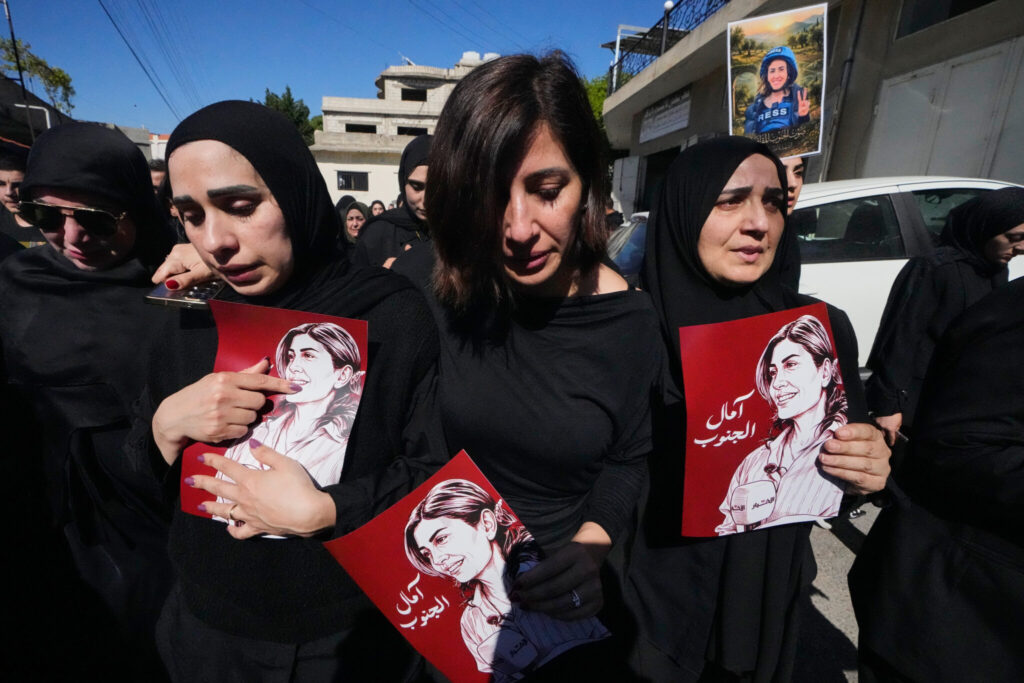
Lebanese health officials said Israeli forces also opened fire on an ambulance responding to the strike, delaying rescue efforts.
Her body was later pulled from the rubble of a collapsed building.
The Israeli military denied deliberately targeting journalists or firing on rescuers, but the incident sparked major anger across Lebanon just before the Washington talks.
Lebanon’s Deputy Prime Minister Tarek Mitri said the government is now preparing a report documenting alleged Israeli war crimes and ministers have discussed joining the International Criminal Court.
Human Cost of the War Remains Severe
The latest Israel-Hezbollah war has caused enormous humanitarian damage.
Around 2,300 people have been killed in Lebanon, including hundreds of women and children.
More than 1 million people have been displaced from their homes.
Entire communities in southern Lebanon remain heavily damaged, making reconstruction one of the country’s most urgent national priorities.
The ceasefire extension offers temporary relief, but both sides know that long-term peace will require far more than a few additional weeks of calm.
For now, diplomacy has opened a rare window — and the region is watching closely to see if it can hold.