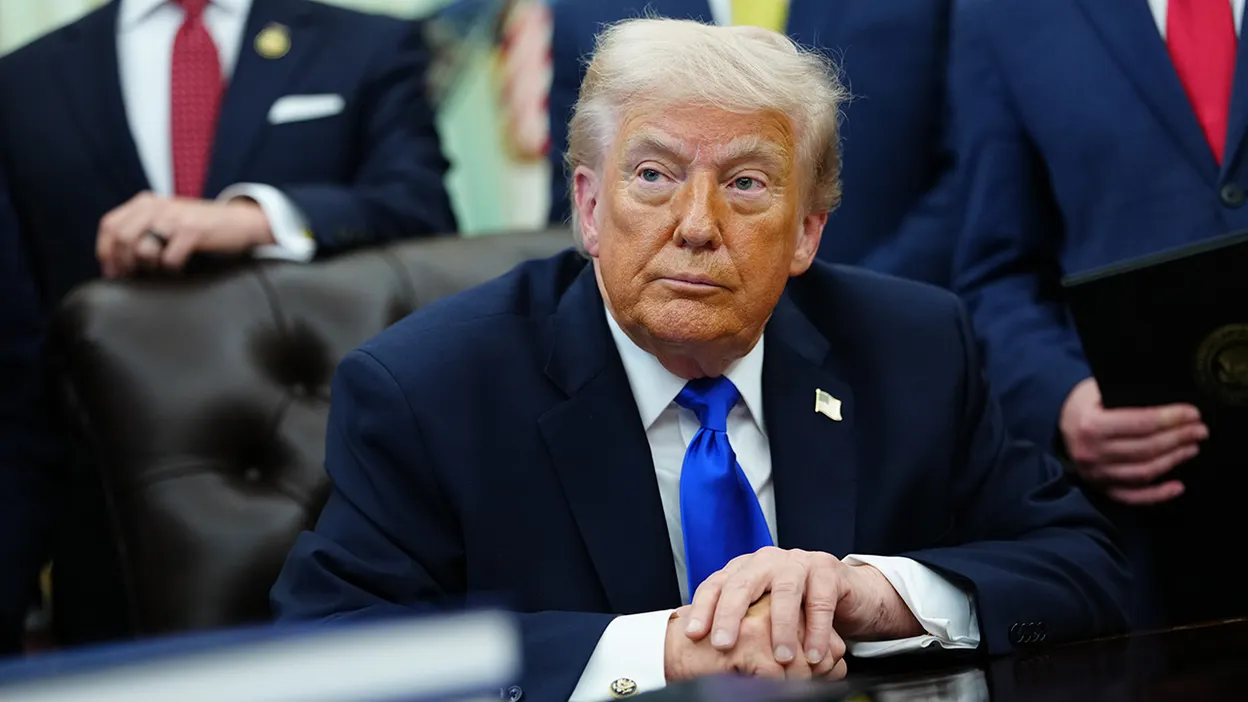
Trump Rejects Iran Proposal as Ceasefire Grows Increasingly Shaky/ Newslooks/ WASHINGTON/ J. Mansour/ Morning Edition/ President Donald Trump rejected Tehran’s latest proposal as the fragile ceasefire between the United States and Iran is increasingly unstable after. Fighting has intensified across the Middle East, including renewed clashes involving Hezbollah and Israel. The standoff continues disrupting global energy markets as negotiations remain deadlocked.
Iran Ceasefire Crisis Quick Looks
- Trump rejects Iran’s latest peace proposal
- Strait of Hormuz tensions continue disrupting oil markets
- Israel warns military action could resume
- Iran demands sanctions relief before negotiations
- Hezbollah-Israel violence escalates despite ceasefire
- China expected to play larger diplomatic role
Deep Look
US And Iran Ceasefire Faces Renewed Collapse
The fragile ceasefire between the United States and Iran appeared increasingly unstable Monday after President Donald Trump rejected Tehran’s latest proposal to end the war.
Recent days have seen renewed exchanges of fire, attacks involving ships in the Strait of Hormuz, and growing violence between Hezbollah and Israel.
The worsening instability threatens to pull the Middle East back into broader warfare while prolonging the global energy crisis fueled by disruptions to oil shipments through the Persian Gulf.
Trump is expected to raise the issue during his upcoming summit with Chinese President Xi Jinping in Beijing later this week.
China remains Iran’s largest buyer of sanctioned crude oil, giving Beijing significant influence over Tehran’s economy and diplomatic calculations.
Trump Rejects Iran’s Latest Negotiation Terms
The latest diplomatic breakdown followed a new proposal Iran reportedly sent Sunday through Pakistan.
According to Iranian state media, Tehran demanded:
- An end to the American blockade
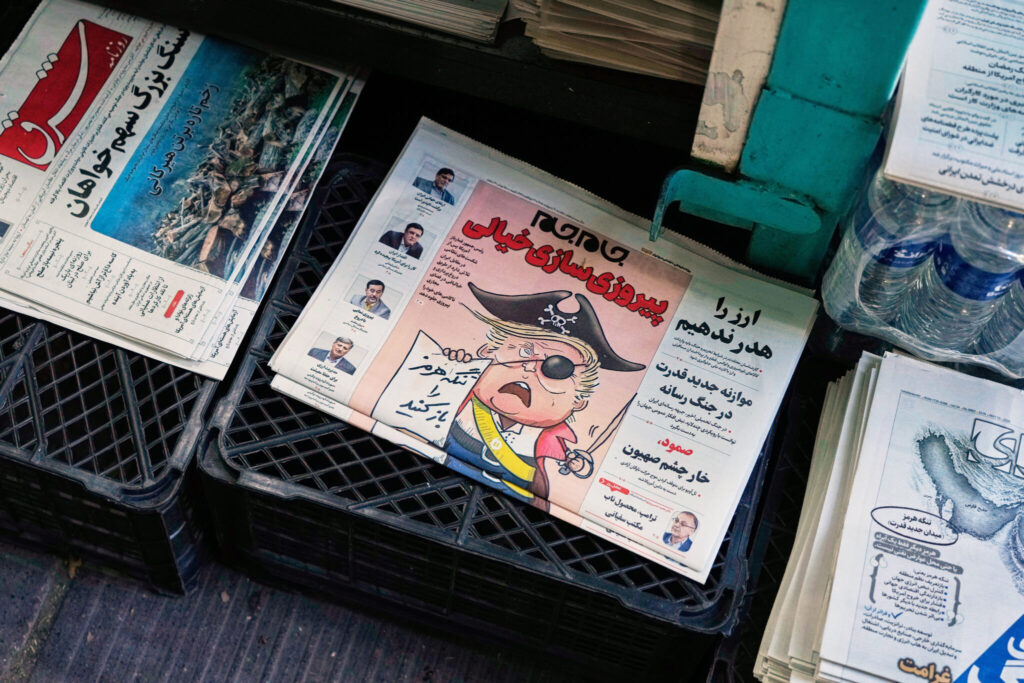
- Full sovereignty over the Strait of Hormuz
- Removal of sanctions
- Release of frozen Iranian assets abroad
- War reparations from the United States
Trump quickly rejected the proposal.
“TOTALLY UNACCEPTABLE!” Trump wrote Sunday regarding Iran’s response.
The White House has maintained that lifting the blockade before addressing Iran’s nuclear program would remove Washington’s strongest leverage point.
Iran insists sanctions and the blockade must end before negotiations over its stockpile of highly enriched uranium can move forward.
The United States and Israel continue demanding that Iran surrender or remove uranium enriched beyond civilian-use levels, warning the material could eventually support nuclear weapons development.
Tehran maintains its nuclear program remains peaceful.
Netanyahu Warns War Could Resume
Israeli Prime Minister Benjamin Netanyahu warned Sunday that the conflict is far from over.
In an interview with CBS News program “60 Minutes,” Netanyahu said one of Israel’s primary goals remains removing Iran’s enriched uranium stockpile.
“If that can’t be accomplished with negotiations,” Netanyahu said, Israel and the United States agree “we can reengage them militarily.”
Netanyahu also predicted the current Iranian leadership could eventually collapse.
“The current Iranian government’s days are numbered — but it could take a lot of days,” he said.
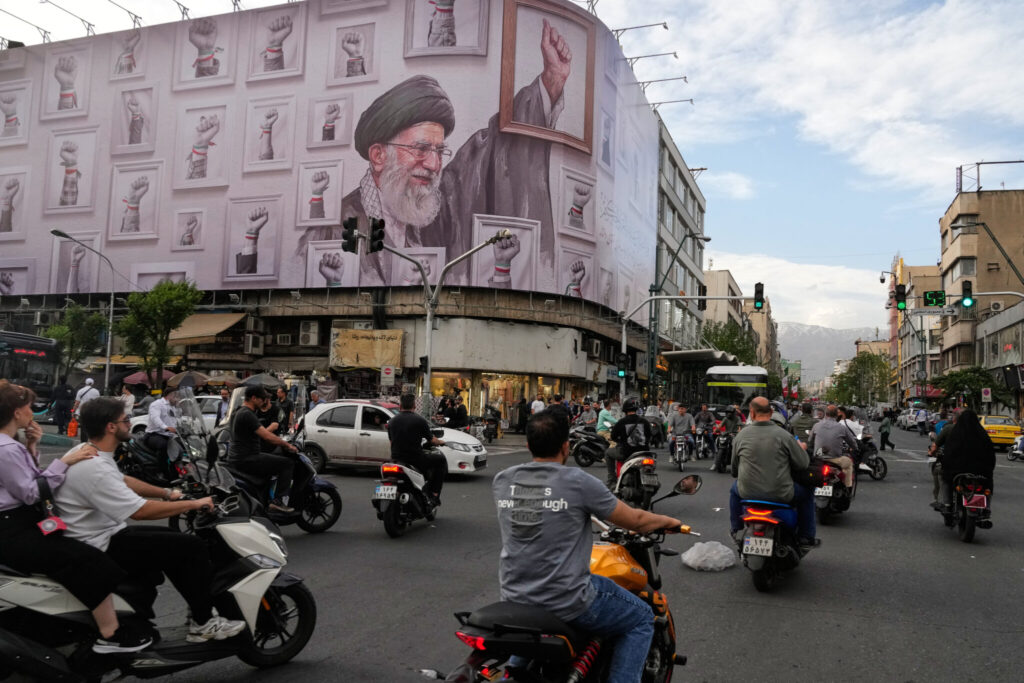
Since the war began on Feb. 28, U.S. and Israeli strikes have killed numerous senior Iranian officials, including Iran’s supreme leader, while severely damaging Iran’s economy and military infrastructure.
Despite those losses, Iran’s ruling system has maintained control domestically.
Strait Of Hormuz Crisis Continues Impacting Global Economy
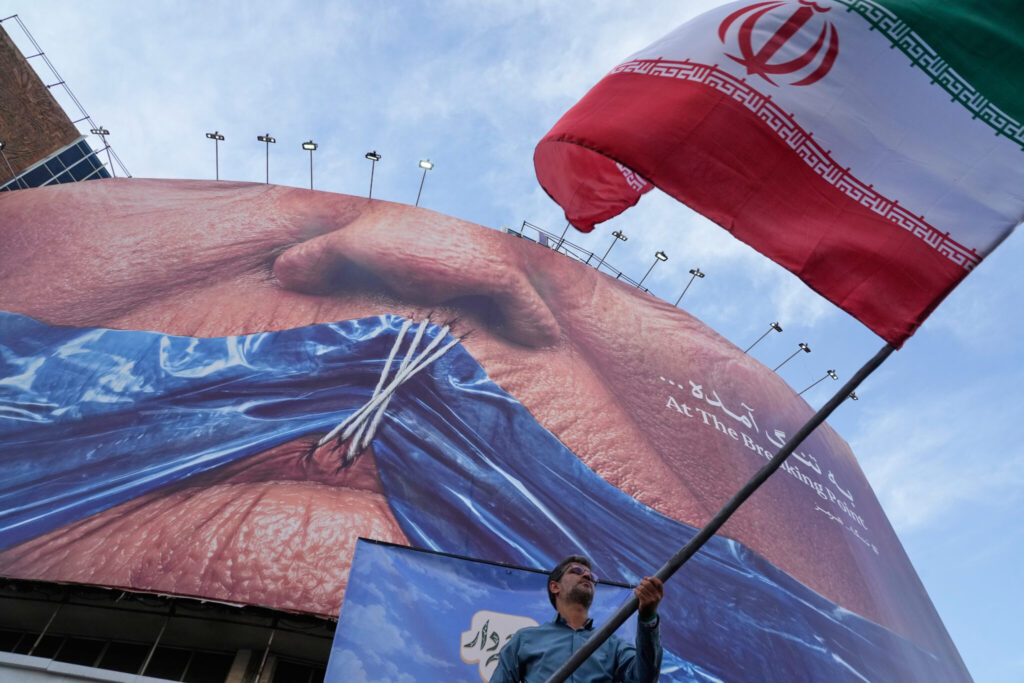
The ongoing standoff surrounding the Strait of Hormuz remains one of the world’s biggest economic concerns.
Iran’s control over the narrow shipping lane — combined with the ongoing U.S. blockade of Iranian ports — continues disrupting global oil and natural gas exports.
Fuel prices have surged worldwide as traders fear additional military escalation or prolonged supply disruptions.
The instability has also rattled financial markets and intensified inflation concerns in several major economies.
Iran reportedly offered a partial compromise by proposing to dilute part of its enriched uranium stockpile and transfer the remainder to a third country during a 30-day negotiation process.
Two regional officials involved in negotiations told The Associated Press that Russia had offered to store Iran’s uranium supplies temporarily.
Vladimir Putin previously oversaw similar arrangements during Iran’s 2015 nuclear agreement with world powers.
However, Iranian officials indicated ending the war remains their immediate priority.
“At the current stage, our focus is on ending the war,” Iranian Foreign Ministry spokesman Esmail Baghaei said Monday.
Violence Expands Across The Region
The broader regional conflict continues spreading despite ceasefire efforts.
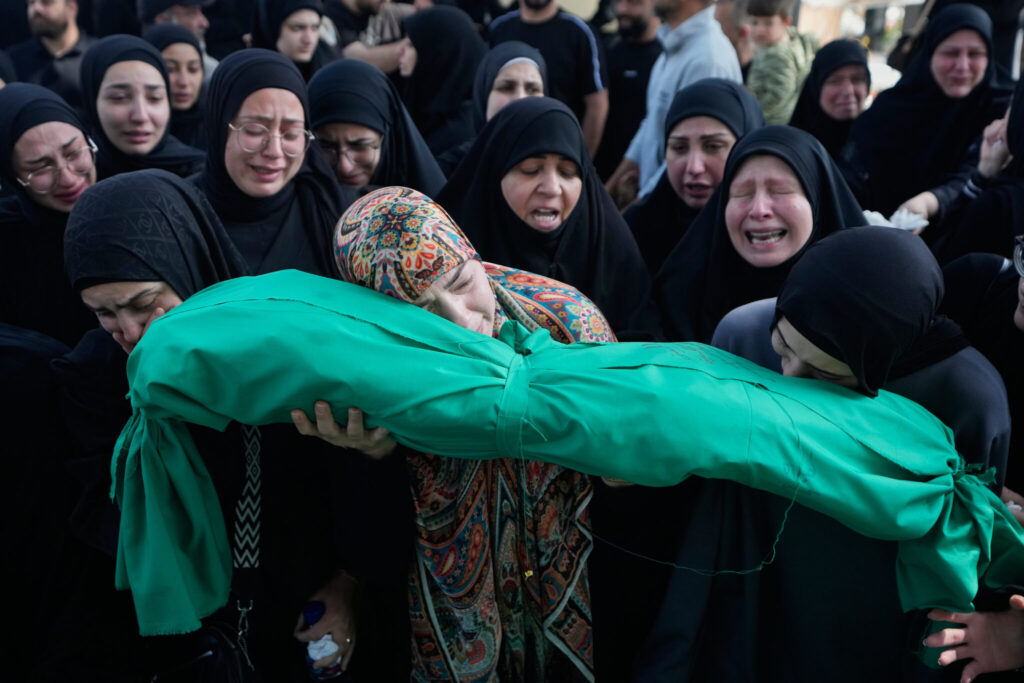
Israel and Hezbollah exchanged additional attacks in recent days, including deadly Israeli airstrikes in Lebanon and Hezbollah operations that reportedly killed another Israeli soldier.
The violence persists even though both sides technically remain under a ceasefire arrangement.
Meanwhile, Iran continues domestic crackdowns amid mounting political pressure.
Iranian authorities executed another man Monday accused of spying for both the Central Intelligence Agency and Israel’s Mossad intelligence service.
State media identified the prisoner as Erfan Shakourzadeh, alleging he transmitted classified satellite communications data to foreign intelligence agencies.
Human rights organizations have repeatedly criticized Iran’s judiciary for conducting closed-door trials and accelerating executions during periods of political unrest.
Diplomatic Window Narrowing
Analysts warn that the opportunity for a negotiated settlement may be shrinking rapidly as military tensions rise across multiple fronts.
With the U.S., Iran, Israel, Hezbollah and regional powers all maneuvering strategically, diplomatic efforts now depend heavily on whether Washington and Tehran can bridge deep disagreements over sanctions, nuclear controls and maritime access.
Trump’s upcoming talks with Xi could become a critical turning point if China chooses to pressure Iran toward compromise.
For now, however, the ceasefire appears increasingly fragile as both sides prepare for the possibility of renewed large-scale conflict.