Trump Signals A Second Round of Direct US-Iran Talks This Weekend/ Newslooks/ WASHINGTON/ J. Mansour/ Morning Edition/ Trump says new U.S.-Iran talks could happen this weekend. Disputes remain over nuclear program and Strait of Hormuz. Global leaders push for lasting stability in key oil route.
US Iran Talks Strait Hormuz Quick Looks
- Trump expects new talks with Iran soon
- Strait of Hormuz reopening impacts global markets
- Disputes remain over enriched uranium and sanctions
- U.S. and Iran reportedly clearing sea mines
- Global leaders call for permanent shipping security
- Pakistan plays key role in mediation efforts
- Oil supply disruptions drove recent inflation surge
Deep Look
Trump Signals New Round of U.S.-Iran Talks
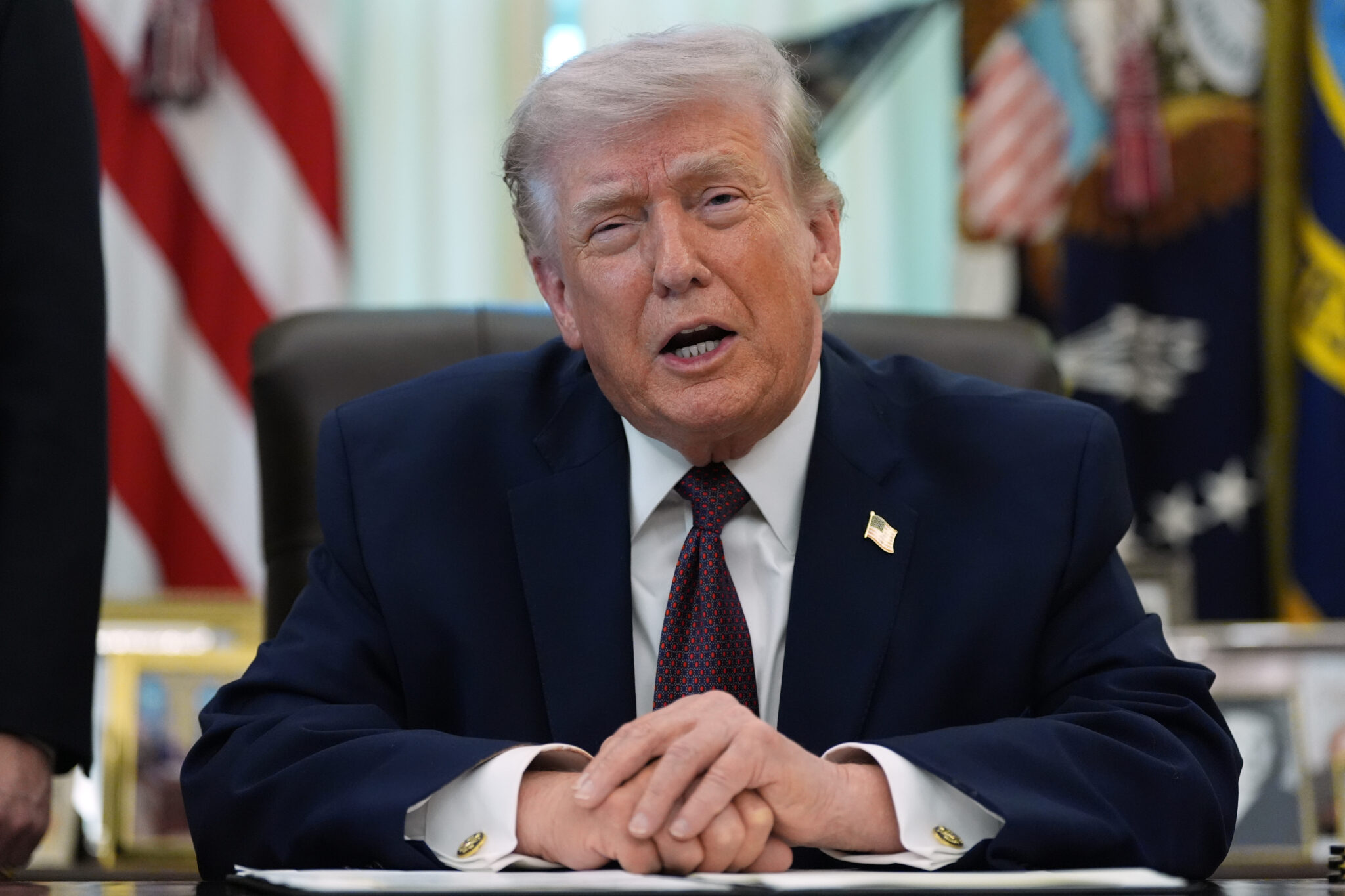
President Donald Trump indicated that direct negotiations between the United States and Iran could resume as early as this weekend, raising hopes for a potential breakthrough in ongoing diplomatic efforts.
“The Iranians want to meet,” Trump said in a brief telephone interview with the news outlet Axios. “They want to make a deal. I think a meeting will probably take place over the weekend.”
While Trump has expressed confidence, Iran has not publicly confirmed plans for a new round of talks or any agreement tied to the discussions.
Strait of Hormuz Remains Central to Negotiations
A key issue in the talks is the Strait of Hormuz, one of the world’s most critical oil shipping routes. Trump has suggested that Iran has made significant concessions regarding the waterway.
However, Iran has not made any public comment suggesting it has offered such assurances.
The temporary disruption of tanker traffic through the strait—responsible for about 20% of global crude oil flows—triggered sharp increases in fuel prices and broader economic ripple effects worldwide.
Although the United States is less dependent on Persian Gulf energy than Europe and Asia, the disruption still contributed to a notable rise in inflation domestically, marking the largest monthly increase in four years.
Disputes Over Nuclear Program Continue
Another major sticking point remains Iran’s nuclear program. Trump has repeatedly claimed that Tehran is prepared to give up its enriched uranium stockpile.
“The U.S.A. will get all Nuclear ‘Dust,’ created by our great B2 Bombers – No money will exchange hands in any way, shape, or form,” Trump said in a social media post.
He further asserted that Iran has “agreed to give us back the nuclear dust.”
“Nuclear dust” is shorthand that Trump frequently uses to refer to the highly-enriched uranium believed to be buried under nuclear sites that the U.S. bombed during last year’s 12-day war between Israel and Iran.
If accurate, such a concession would represent a major step toward ending the conflict. However, neither Iran nor international mediators have confirmed that such an agreement has been reached.
Efforts to Secure Strait Include Mine Removal
Trump also indicated that efforts are underway to secure safe passage through the Strait of Hormuz, including the removal of naval mines.
“Iran, with the help of the U.S.A., has removed, or is removing, all sea mines!” Trump said in one of a barrage of social media postings announcing that Iran has agreed to reopen the strait.
Mine removal is seen as essential for restoring confidence among commercial shipping operators navigating the vital waterway.
Reports indicate that Iranian forces had deployed sea mines in the strait, while the U.S. Navy has mobilized specialized ships and additional resources to assist in clearing operations.
International Diplomacy Gains Momentum
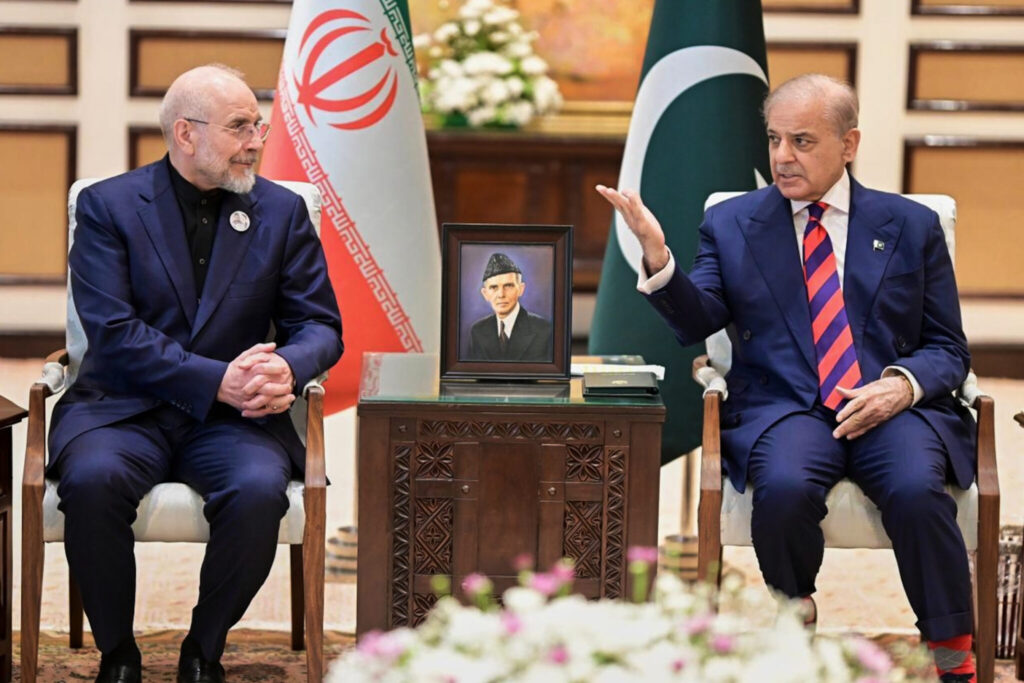
Diplomatic efforts are expanding beyond U.S.-Iran talks, with multiple countries playing key roles in mediation and security planning.
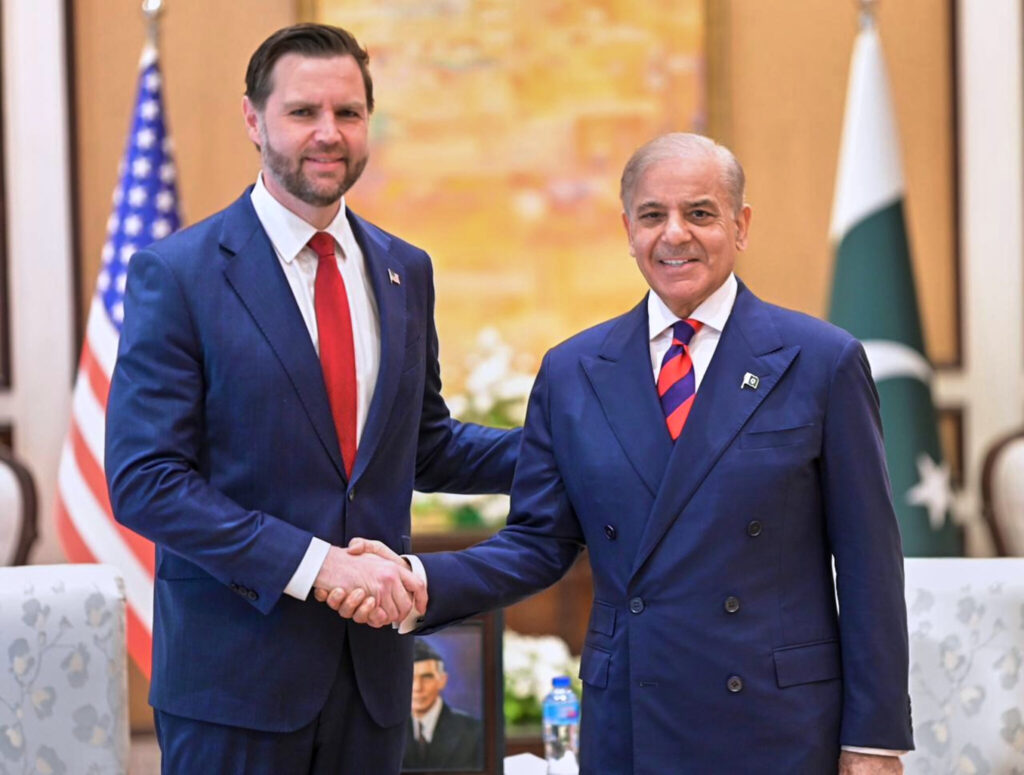
A senior Trump adviser recently met with Pakistan’s Prime Minister Shehbaz Sharif in Turkey, where discussions focused on regional stability and peace efforts.
According to Pakistan’s government, the adviser “appreciated Pakistan’s constructive contributions to regional stability.”
“The two sides also discussed current regional developments, including Pakistan’s peace efforts that led to the ceasefire, as well as the historic Islamabad talks,” the statement said.
Global Leaders Call for Lasting Solution
European leaders have welcomed the reopening of the Strait of Hormuz but stressed that any solution must be permanent.
French President Emmanuel Macron emphasized the need for sustained action, stating, “We all demand the full, immediate and unconditional reopening of the Strait of Hormuz by all parties.”
U.K. Prime Minister Keir Starmer echoed that view, saying the current arrangement must become “both lasting and a workable proposal.”
France and the United Kingdom are now planning a multinational mission to ensure maritime security, with military planners set to meet in London in the coming days.
Uncertain Path Ahead Despite Optimism
While Trump’s comments reflect growing optimism, significant gaps remain in negotiations, particularly on nuclear issues and long-term security arrangements.
With global markets, regional stability, and energy supplies at stake, the coming days could prove critical in determining whether diplomacy can deliver a lasting resolution.