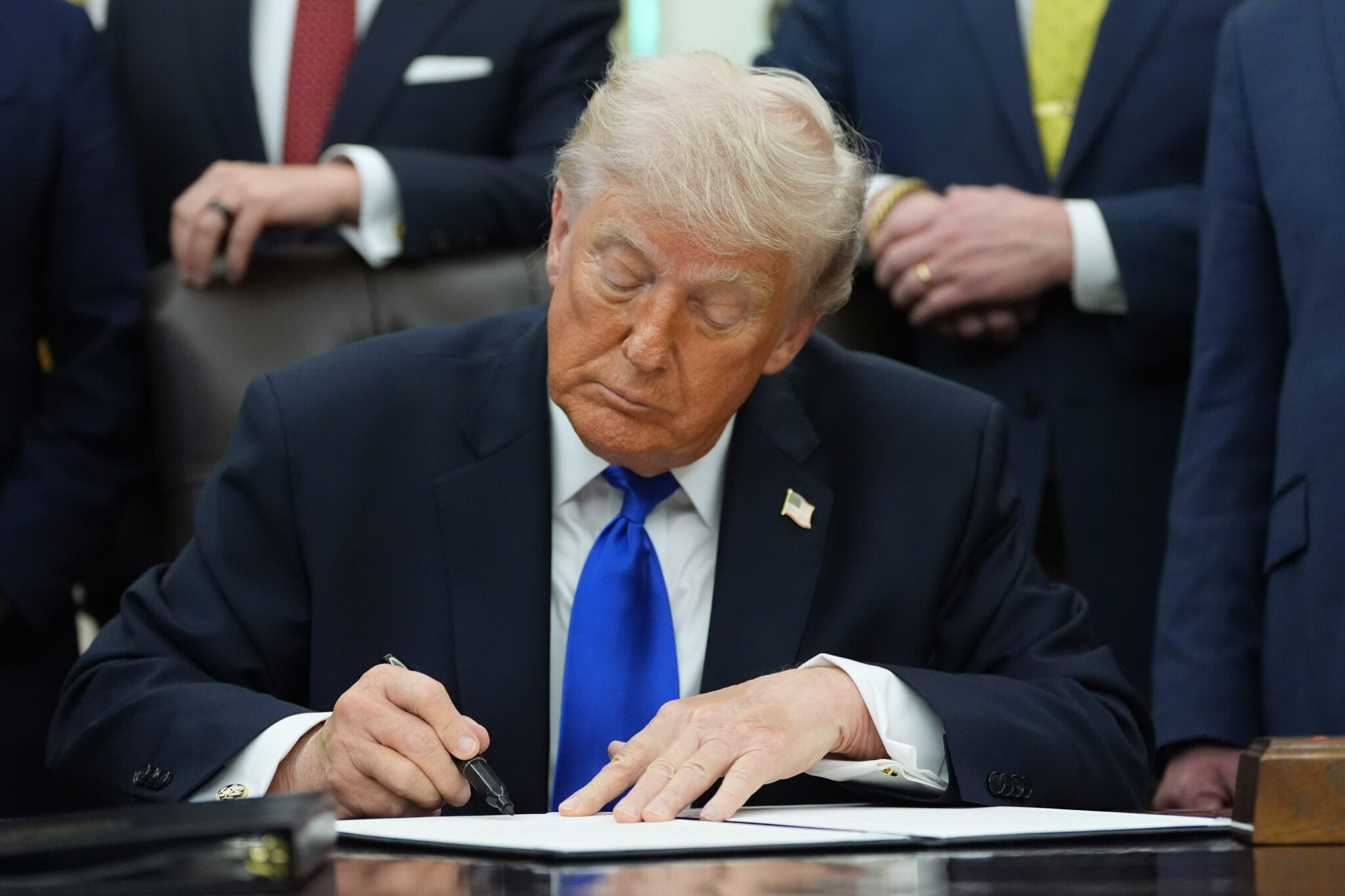
Trump Signs DHS Funding Bill Ending Historic Shutdown/ Newslooks/ WASHINGTON/ J. Mansour/ Morning Edition/ President Donald Trump signed a bipartisan bill funding most of the Department of Homeland Security, ending a record-long shutdown. The legislation excludes immigration enforcement funding, leaving that fight unresolved. The move follows weeks of political deadlock and mounting pressure over pay and security concerns.
DHS Shutdown Ends Quick Looks
- Trump signed bill funding most DHS operations
- Ends longest shutdown in agency history (since Feb. 14)
- Immigration enforcement funding excluded from package
- TSA and other workers faced risk of missed paychecks
- Over 1,000 TSA officers quit during shutdown
- House passed bill after weeks of GOP internal disputes
- Senate had approved measure earlier unanimously
- Separate plan underway to fund ICE and Border Patrol
Deep Look
Trump Signs Bill to End DHS Shutdown
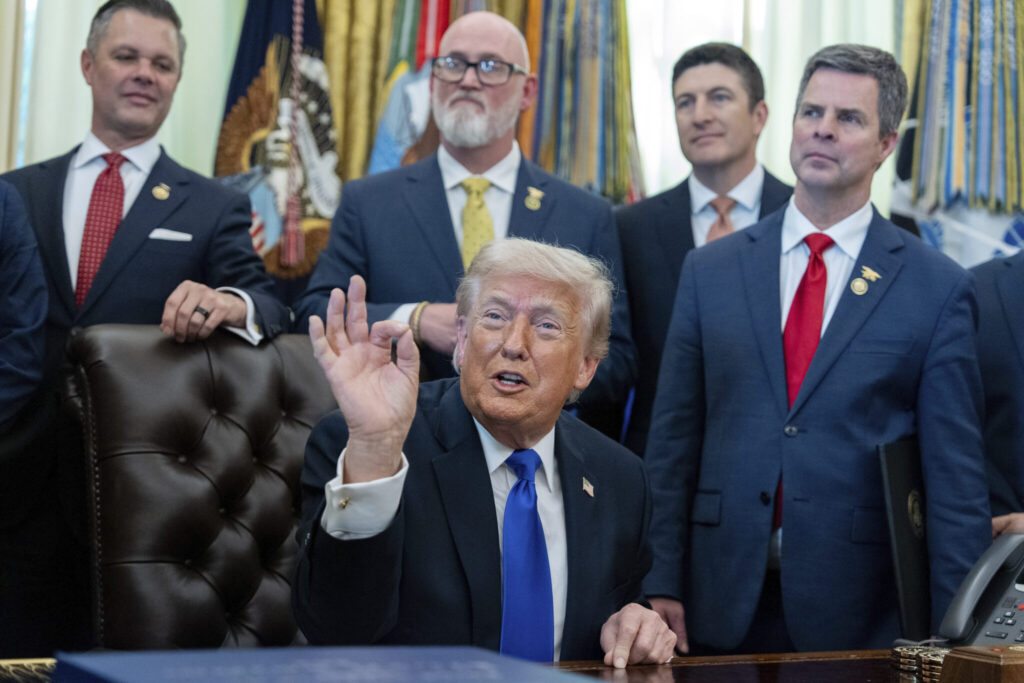
WASHINGTON — President Donald Trump has signed bipartisan legislation to fund much of the Department of Homeland Security (DHS), bringing an end to the longest shutdown in the agency’s history.
The bill was approved by the House earlier in the day and quickly signed into law, ending a prolonged standoff that left key parts of the agency without routine funding for more than two months.
The agreement restores funding for major DHS functions, including the Transportation Security Administration (TSA), FEMA, and the Coast Guard.
Shutdown Strained Workers and Operations
The funding lapse, which began on Feb. 14, created significant hardship for DHS employees.
Many workers faced uncertainty over pay, with some at risk of missing paychecks as emergency funds used by the administration were running out.
With payroll costs exceeding $1.6 billion every two weeks, officials warned that the situation was becoming unsustainable.
More than 1,000 TSA officers left their jobs during the shutdown, reflecting growing frustration and instability within the workforce.
Immigration Funding Dispute Drove Stalemate
At the core of the shutdown was a fierce political dispute over immigration enforcement funding.
Democrats refused to support funding for agencies like Immigration and Customs Enforcement (ICE) and Border Patrol without policy changes, particularly following controversial enforcement actions.
Republicans, meanwhile, insisted that immigration operations must be funded and resisted efforts to separate them from the broader DHS budget.
The eventual compromise funded most of the department but excluded immigration enforcement, breaking the deadlock.
Political Tensions and Leadership Challenges
The standoff exposed deep divisions within Congress, particularly among House Republicans.
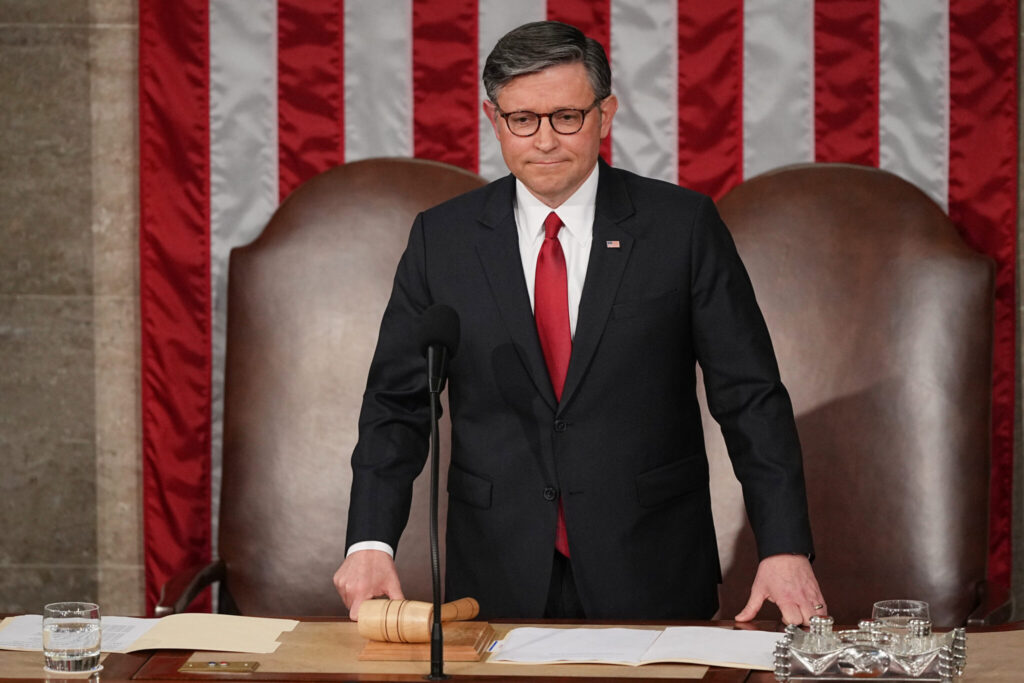
Speaker Mike Johnson initially opposed the bipartisan bill but later allowed it to move forward after launching a separate strategy to secure immigration funding through the budget reconciliation process.
“We threw a fit,” Johnson said, acknowledging the internal party conflict that delayed action.
Not all Republicans supported the approach, with some criticizing the decision to separate immigration funding from the broader DHS budget.
Senate Action and Final Breakthrough
The Senate had approved the funding package weeks earlier, but it stalled in the House amid ongoing disagreements.
Mounting pressure — including warnings from the White House and growing disruptions at airports — ultimately forced lawmakers to act.
The House passed the bill by voice vote, avoiding a recorded tally on the politically sensitive measure.
What Comes Next: Immigration Funding Battle
While the shutdown has ended, the broader fight over immigration enforcement funding is far from resolved.
Republicans are pursuing a separate $70 billion funding plan for ICE and Border Patrol through the budget reconciliation process, which would allow passage without Democratic support.
Lawmakers are expected to begin drafting that legislation soon, with a goal of final approval in the coming weeks.
Impact on Workers and Public Services
The resolution provides immediate relief to DHS employees and restores stability to essential services.
Union leaders welcomed the funding but criticized the delay, emphasizing that federal workers should not be caught in political battles.
“Federal employees are not political pawns,” said Everett Kelley, president of the American Federation of Government Employees.
A Costly Political Standoff
The shutdown underscores the challenges of governing amid deep political divisions, particularly on issues like immigration.
It also highlights the real-world consequences of legislative gridlock, from disrupted services to financial strain on workers.
For now, DHS operations are back on stable footing — but the underlying political disputes remain unresolved.