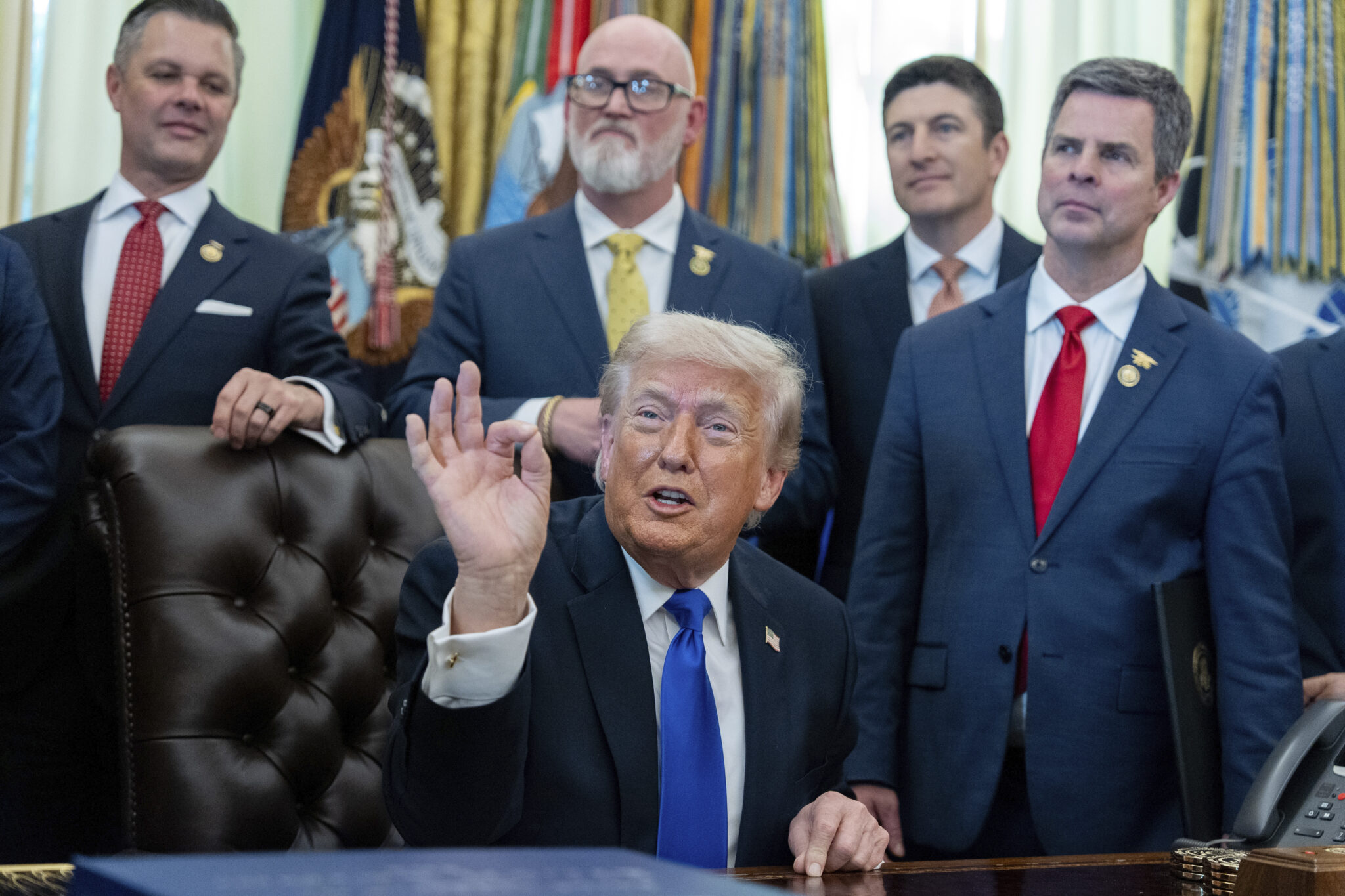
Trump Admin: Iran War ‘Terminated’ Before 60-Day Deadline to Avoid Congress Vote/ Newslooks/ WASHINGTON/ J. Mansour/ Morning Edition/ The Trump administration says the Iran war has effectively ended due to a ceasefire, avoiding a key congressional approval deadline. Officials argue hostilities stopped in April, pausing legal requirements under the War Powers Resolution. Critics say the interpretation lacks legal basis and could expand presidential war powers.
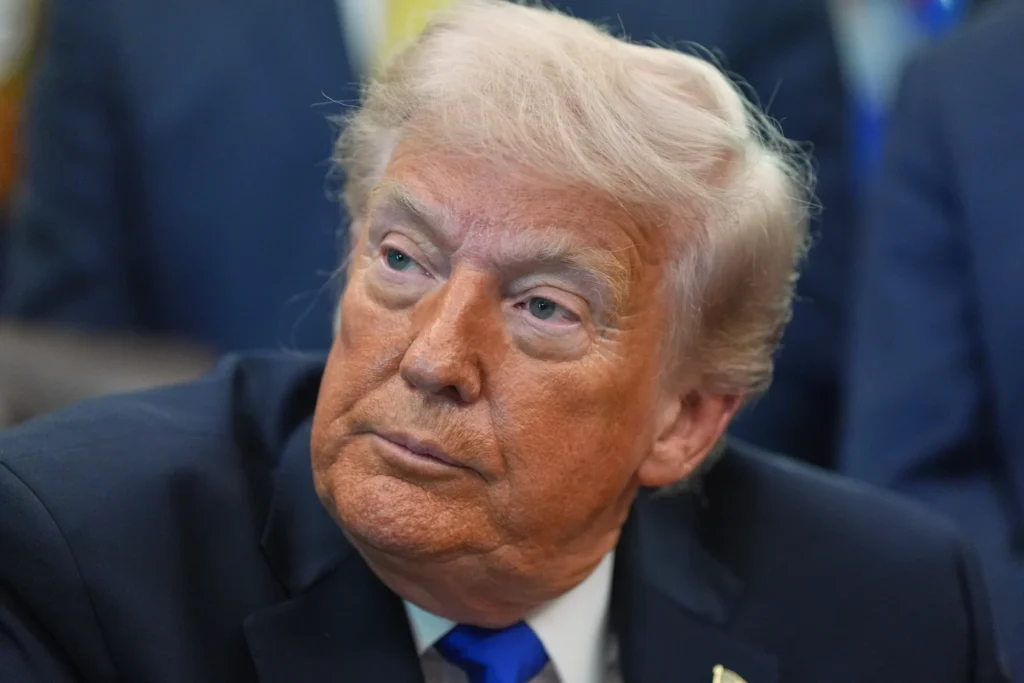
Trump Iran War Deadline Quick Looks
- White House says Iran war “terminated” due to ceasefire
- Argument aims to bypass 60-day War Powers deadline
- Ceasefire began April 7 with no direct fighting since
- U.S. blockade and Iran Strait of Hormuz closure continue
- Democrats demand congressional authorization
- Some Republicans also question legal interpretation
- Experts say claim has little legal support
- Debate intensifies over presidential war powers

Deep Look
White House Says Iran War Has Ended
WASHINGTON — The Trump administration is arguing that the war with Iran has effectively ended, citing a ceasefire that began in early April as justification for avoiding a looming congressional approval deadline.
Officials say that because active hostilities have stopped, the legal requirement to seek authorization from Congress under the War Powers Resolution does not apply.
A senior administration official stated that “the hostilities that began on Saturday, Feb. 28 have terminated,” noting that no direct military exchanges have occurred since the ceasefire took effect.
War Powers Deadline at Center of Dispute
Under the War Powers Resolution of 1973, presidents must seek congressional approval for military action lasting longer than 60 days.
That deadline was approaching Friday, raising pressure on the administration to either obtain authorization or halt military operations.
The law also allows for a 30-day extension under certain circumstances.
By declaring the conflict effectively over, the administration is attempting to sidestep the requirement altogether.
Ceasefire Complicates Legal Interpretation
The administration’s argument hinges on the idea that the ceasefire pauses or ends the legal clock.
Defense Secretary Pete Hegseth advanced a similar position during Senate testimony, suggesting that the ceasefire effectively halted the timeline for required congressional approval.
However, the situation on the ground remains complex.
While direct fighting has stopped, Iran continues to control access through the Strait of Hormuz, and the U.S. Navy maintains a blockade targeting Iranian oil shipments.
These ongoing actions raise questions about whether the conflict can truly be considered over.
Lawmakers Push Back
Democrats have strongly criticized the administration’s position, insisting that congressional approval is still required.
Some Republicans have also expressed concern.
Sen. Susan Collins emphasized that the legal deadline is binding.
“That deadline is not a suggestion; it is a requirement,” she said, adding that any continued military involvement must have clear goals and congressional backing.
Legal Experts Reject Argument
Legal scholars have largely dismissed the administration’s claim.
Katherine Yon Ebright, an expert on war powers law, said the interpretation represents a significant stretch of existing legal precedent.
“To be very, very clear and unambiguous, nothing in the text or design of the War Powers Resolution suggests that the 60-day clock can be paused or terminated,” she said.
Experts argue that the law was specifically designed to prevent prolonged military engagements without congressional oversight.
Alternative Strategies Considered
Some advisers have suggested reframing the mission rather than declaring the war over.
Richard Goldberg, a former National Security Council official, proposed transitioning to a new operation focused on reopening the Strait of Hormuz and ensuring freedom of navigation.
Such a move could potentially reset the legal framework while maintaining U.S. strategic objectives.
Broader Debate Over Presidential Powers
The dispute highlights ongoing tensions between the executive branch and Congress over war powers.
Presidents from both parties have historically tested the limits of the War Powers Resolution, often arguing that certain military actions do not meet the threshold requiring approval.
However, critics say the Iran conflict clearly qualifies due to its scale and intensity.
What Happens Next
With the deadline approaching, the administration’s legal stance may face further scrutiny in Congress and potentially in the courts.
Lawmakers could push for votes to either authorize or restrict military action, while advocacy groups may challenge the administration’s interpretation.
The outcome could have lasting implications for how future conflicts are managed and how war powers are interpreted.