Trump Weighs Pulling Forces From Key NATO Allies: Germany, Italy & Spain/ Newslooks/ WASHINGTON/ J. Mansour/ Morning Edition/ President Donald Trump said he may consider reducing U.S. troop levels in Italy and Spain as part of a broader review of military presence in Europe. The comments follow renewed threats to cut forces in Germany, raising concerns among NATO allies. European leaders are bracing for potential changes as the Iran war reshapes U.S. defense priorities.
Trump Troop Cuts Europe Quick Looks
- Trump says he may pull troops from Italy and Spain
- Review of U.S. military presence in Europe underway
- Comes after renewed threat to reduce troops in Germany
- Around 80,000–100,000 U.S. personnel stationed in Europe
- NATO allies concerned about shifting U.S. commitments
- Germany hosts major U.S. bases and infrastructure
- Experts say large-scale withdrawal would be costly
- Iran war influencing U.S. military strategy decisions
Deep Look
Trump Signals Possible Troop Reductions
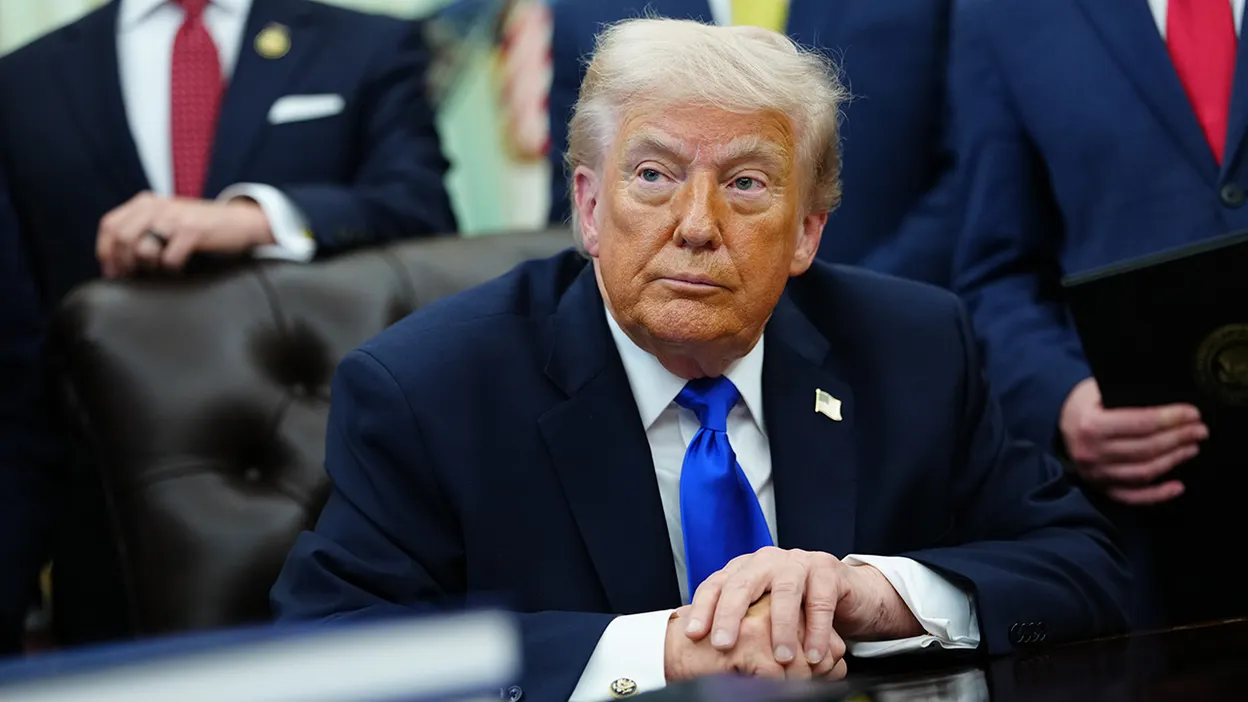
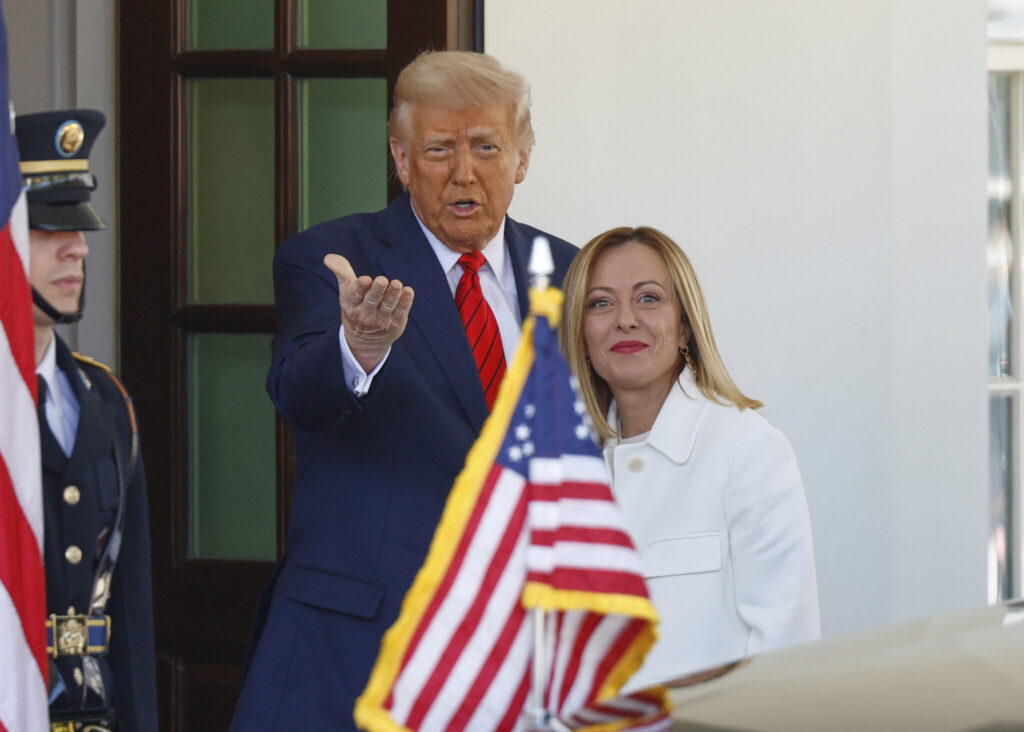
WASHINGTON — President Donald Trump indicated he is considering pulling U.S. troops from Italy and Spain, expanding a broader review of America’s military footprint in Europe.
“Yeah, probably,” Trump said when asked about the possibility. “Why shouldn’t I?” he added, while criticizing both countries’ support for U.S. policies.
The remarks came shortly after Trump confirmed his administration is evaluating troop levels in Germany, a central hub for U.S. operations overseas.
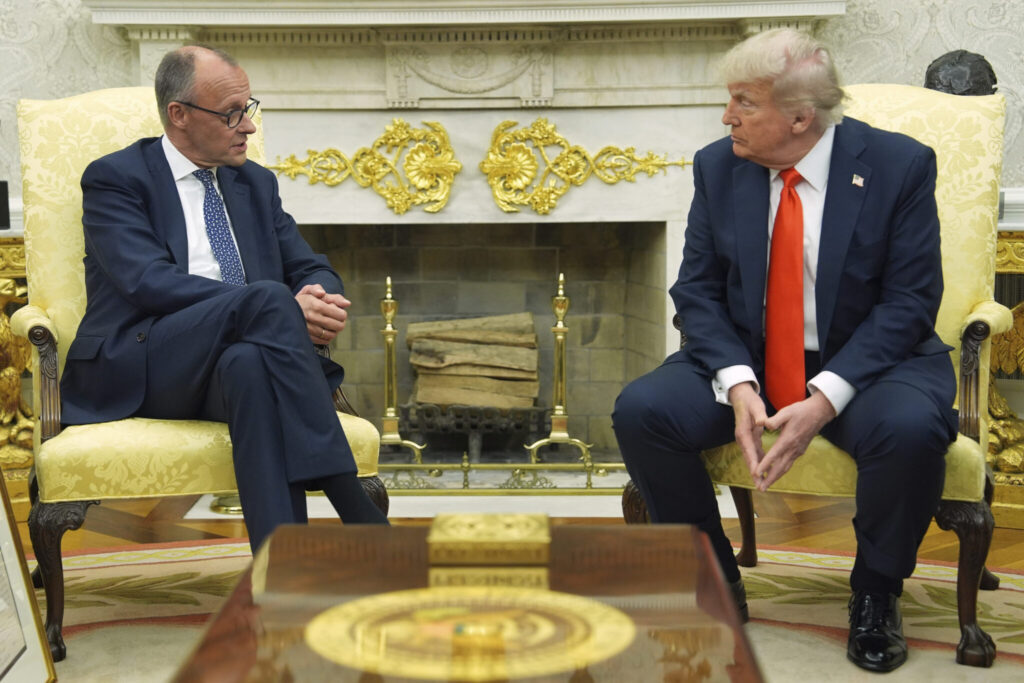
Trump’s threats came after German Chancellor Friedrich Merz said in comments this week that the U.S. was being “humiliated” by Tehran in negotiations to end the Iran war.
The mercurial U.S. leader has mused for years about reducing the American military presence in Germany, and has railed against NATO for its refusal to assist Washington in the war, which began on Feb. 28 with U.S.-Israeli strikes on Iran.
Trump wrote Wednesday on social media that the U.S. was reviewing possible troop reductions in Germany, with a “determination” to be made soon. On Thursday, he was still thinking about Merz, posting that the German leader should “spend more time on ending the war with Russia/Ukraine” and “fixing his broken Country” than concerning himself with Iran.
Europe Braces for Potential Changes
The comments have raised concerns among NATO allies, who have grown increasingly accustomed to Trump’s repeated threats to reduce U.S. military commitments in Europe.
American forces in Europe typically range between 80,000 and 100,000 personnel, supporting operations across multiple regions, including the Middle East.
Germany in particular hosts key facilities such as Ramstein Air Base and serves as a logistical backbone for U.S. military operations.
Strategic Importance of European Bases
Experts say the U.S. military presence in Europe serves critical strategic purposes beyond defending host countries.
Bases in Germany and elsewhere support global power projection, logistics, and medical operations, including care for troops deployed in conflict zones.
Analysts argue that relocating these capabilities would be costly and time-consuming, requiring congressional approval and significant investment.
Iran War Shapes Military Posture
The ongoing Iran conflict has intensified discussions about U.S. military positioning worldwide.
With resources being redirected toward the Middle East, the administration has signaled that Europe may need to take on greater responsibility for its own security.
European leaders have already been preparing for this shift, particularly since the escalation of tensions following Russia’s invasion of Ukraine in 2022.
Allies Push for Stability
European officials have emphasized the importance of maintaining transatlantic cooperation.
German Chancellor Friedrich Merz, while not directly addressing Trump’s latest remarks, highlighted the need for continued collaboration between the U.S. and its allies.
Behind the scenes, NATO members are seeking assurances that any troop reductions will not create security gaps.
Experts Question Likelihood of Major Withdrawal
Despite Trump’s statements, some defense experts believe a large-scale withdrawal is unlikely in the near term.
They point to the extensive infrastructure already in place and the strategic advantages the U.S. gains from its European presence.
“There is a difference between the military view and the political view,” one analyst noted, suggesting that operational realities may limit drastic changes.
NATO Adjusts to Uncertainty
NATO allies have become increasingly accustomed to uncertainty surrounding U.S. policy.
Recent discussions have included potential redeployment of missile systems and delays in weapons deliveries as the U.S. prioritizes other conflicts.
The Iran war has added urgency to these concerns, prompting a series of high-level meetings between U.S. officials and European leaders.
What Comes Next
The administration’s review of troop levels is ongoing, and no final decisions have been announced.
Any significant changes would likely require coordination with allies and approval from Congress, particularly if they involve major funding shifts.
For now, Trump’s remarks signal a possible shift in U.S. defense strategy — one that could reshape the balance of military power in Europe.