Trump Signs Order Expanding Psychedelic Drug Research for Ibogaine/ Newslooks/ WASHINGTON/ J. Mansour/ Morning Edition/ President Donald Trump signed an executive order to accelerate federal reviews of psychedelic drugs, including ibogaine, despite concerns over serious safety risks. The move aims to expand research and possible treatment access for conditions like PTSD, depression, and opioid addiction. Veterans groups, conservative lawmakers, and health officials have pushed for broader access to psychedelic therapies.
Trump Psychedelic Drug Order Quick Looks
- Trump signed an executive order to speed psychedelic drug reviews
- Ibogaine is the main focus despite known heart safety risks
- The FDA will issue national priority vouchers for three psychedelics
- Ibogaine remains a federally banned Schedule I drug
- Veterans groups strongly support access to ibogaine treatment
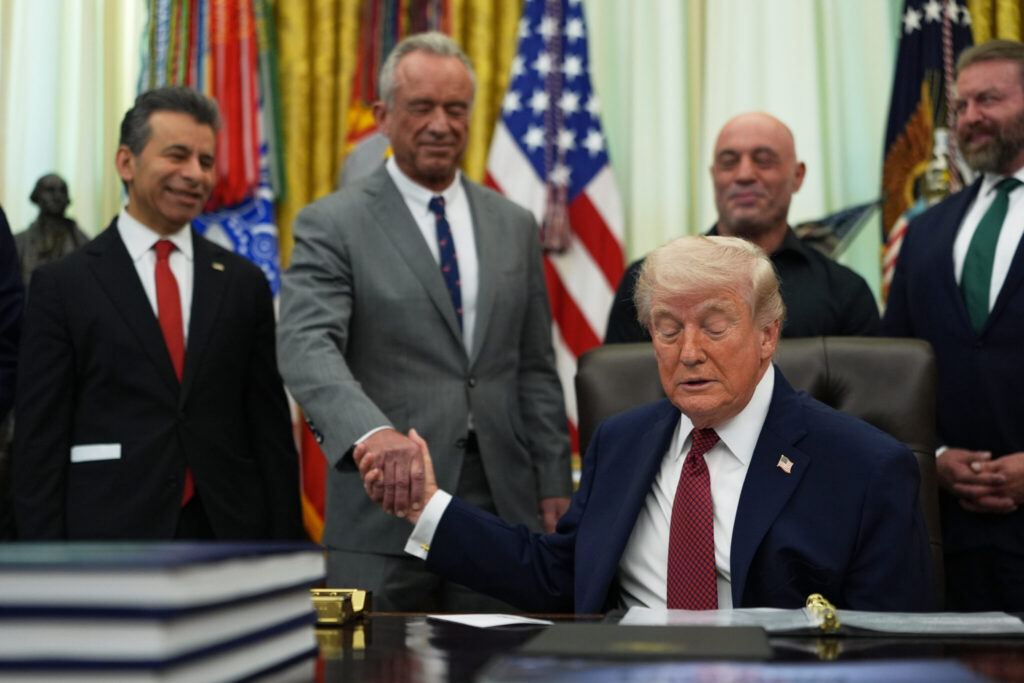
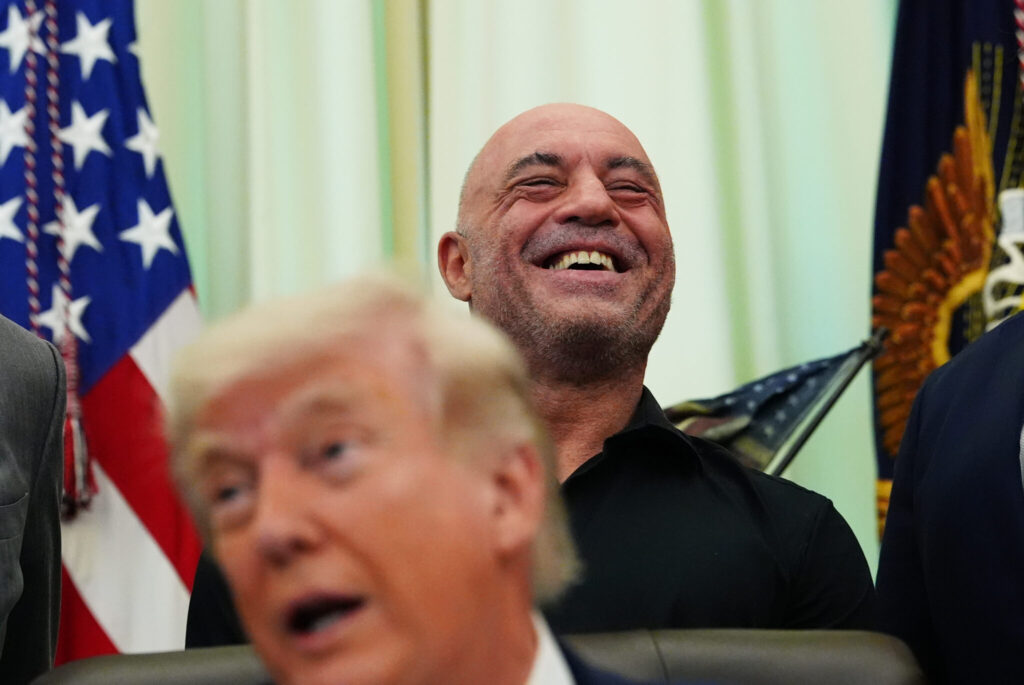
- Joe Rogan and Marcus Luttrell joined Trump during the signing
- Texas previously approved $50 million for ibogaine research
- HHS will direct at least $50 million to state psychedelic programs
Deep Look
Trump Signs Executive Order on Psychedelic Drugs
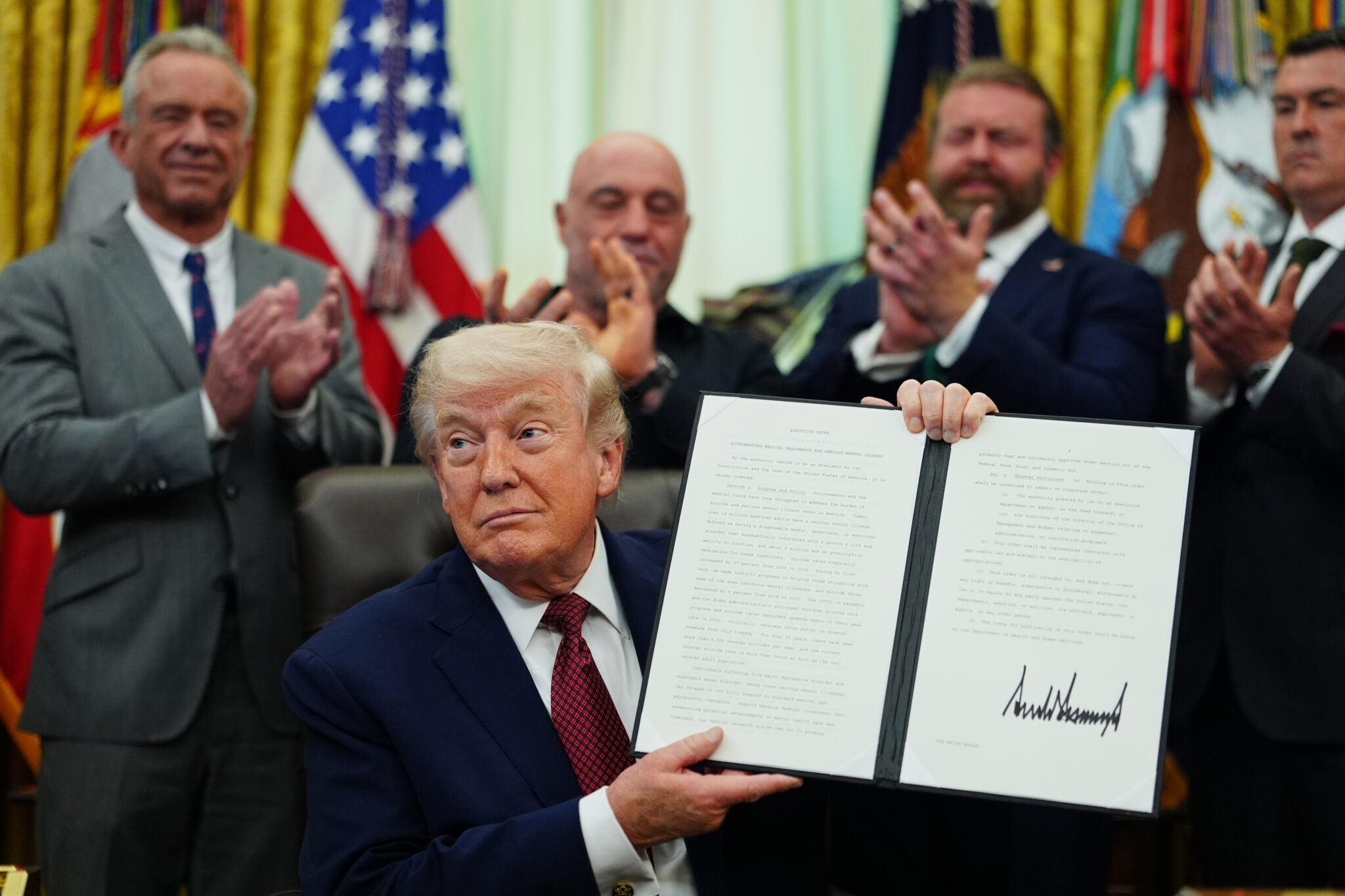
President Donald Trump on Saturday directed his administration to speed up federal reviews of psychedelic drugs, including ibogaine, a controversial substance that has gained support from combat veterans and conservative lawmakers despite significant health risks.
The executive order marks one of the strongest federal actions yet to expand research and possible medical access for psychedelic therapies in the United States.
Ibogaine and other psychedelics remain banned under the federal government’s most restrictive classification for illegal drugs, known as Schedule I substances. However, Trump’s administration is now taking formal steps to ease barriers for research and treatment development.
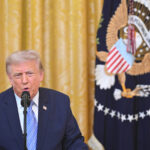
“Today’s order will ensure that people suffering from debilitating symptoms might finally have a chance to reclaim their lives and lead a happier life,” Trump said as he signed the executive order.
The Republican president added that the directive would help “dramatically accelerate” access to potential treatments.
“If these turn out to be as good as people are saying, it’s going to have a tremendous impact,” he said.
Ibogaine Gains Support from Veterans
Ibogaine is made from a shrub native to West Africa and has long been promoted by advocates as a possible treatment for severe mental health conditions, including post-traumatic stress disorder, opioid addiction, traumatic brain injury, depression, and anxiety.
Veteran organizations have been among the strongest supporters of expanding access to the drug.
Many U.S. veterans have traveled to clinics in Mexico, where ibogaine is administered legally, reporting significant improvements in mental health and trauma recovery.
Trump’s announcement follows months of support from Health Secretary Robert F. Kennedy Jr. and other administration officials who have argued for reducing restrictions on psychedelic treatments.
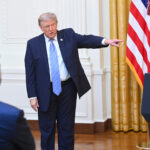
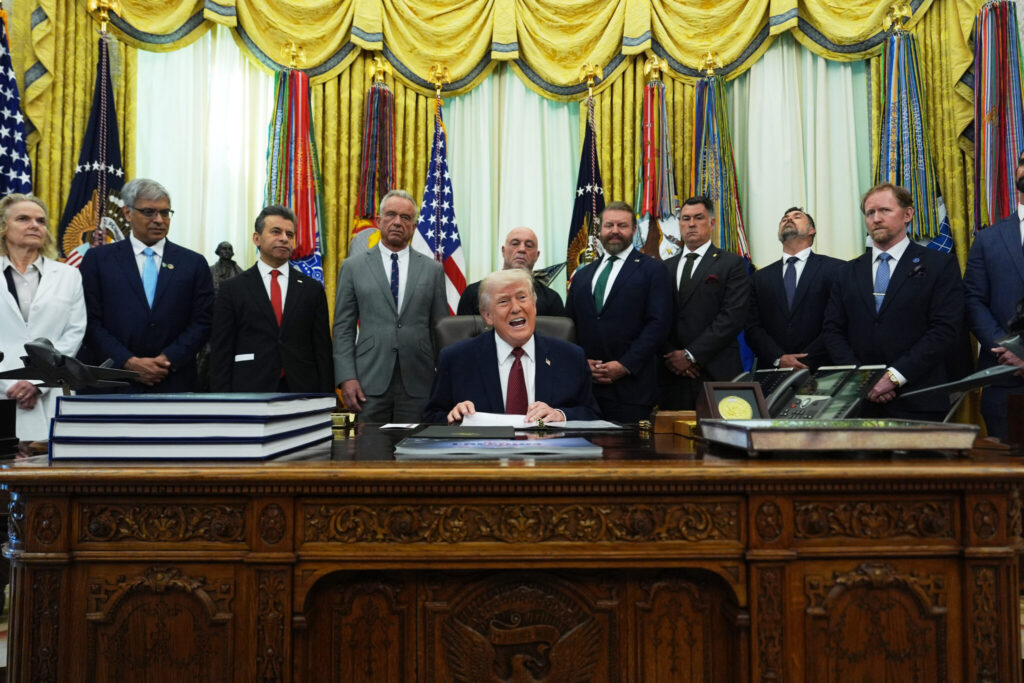
Joining Trump during the Oval Office signing ceremony were top health officials, conservative podcaster Joe Rogan, and Marcus Luttrell, the former Navy SEAL whose memoir inspired the film Lone Survivor.
Rogan said he personally texted Trump information about ibogaine and received a quick response.
“Sounds great. Do you want FDA approval? Let’s do it.”
Luttrell also strongly endorsed the drug during the event.
“You’re going to save a lot of lives through it,” Luttrell told Trump. “It absolutely changed my life for the better.”
FDA to Fast-Track Psychedelic Reviews
The Food and Drug Administration will next week issue national priority vouchers for three psychedelic drugs, creating a fast-track process rarely seen for substances still classified as illegal.
FDA Commissioner Marty Makary said the vouchers would allow certain drugs to be approved quickly “if they are in line with our national priorities.”
The priority vouchers could reduce review timelines from several months to only a few weeks.
This marks the first time the FDA has offered accelerated review status to psychedelic drugs.
The agency is also moving forward with efforts to allow the first-ever human clinical trials of ibogaine inside the United States.
This could become a major turning point for researchers who have struggled for decades to study the drug under federal restrictions.
Serious Safety Concerns Remain
Despite growing support, ibogaine remains highly controversial because of serious medical risks.
The drug is known to cause irregular heart rhythms and has been linked to more than 30 deaths documented in medical literature.
The National Institutes of Health briefly funded ibogaine research in the 1990s but later ended the program due to what it described as the drug’s “cardiovascular toxicity.”
Researchers say the drug’s heart-related risks have made scientific study extremely difficult.
“It’s been incredibly difficult to study ibogaine in the U.S. because of its known cardiotoxicity,” said Frederick Barrett, director of the Johns Hopkins Center for Psychedelic and Consciousness Research.
“If the executive order can pave the way for doing objective, scientific research with this compound, it would help us understand whether it is truly a better psychedelic therapy than others.”
Experts argue that expanded clinical trials are essential before ibogaine can be considered safe or effective for mainstream medical treatment.
No Psychedelic Approved Yet in the U.S.
Currently, no psychedelic drug has been approved for medical use in the United States.
However, several substances are being studied in major clinical trials for mental health treatment, including psilocybin, MDMA, and LSD.
All remain classified as Schedule I substances alongside drugs such as heroin.
Only two states — Oregon and Colorado — have legalized psychedelic therapy involving psilocybin.
Ibogaine itself has deeper historical roots, first used by followers of the Bwiti religion in African countries such as Gabon during religious ceremonies.
Its medical use in modern Western treatment settings remains highly experimental.
Texas and Republican Support Grow
Support for ibogaine has grown strongly among Republicans, especially in Texas.
Backing from veterans groups and former Texas Gov. Rick Perry helped lead to a state law last year that provided $50 million for ibogaine research.
Perry co-founded Americans for Ibogaine and has repeatedly promoted the treatment publicly, including appearances on Rogan’s podcast where he argued for reducing federal restrictions.
Trump’s new executive order calls on the Department of Health and Human Services to direct at least $50 million to states that have created or are developing psychedelic treatment programs for serious mental illness.
The federal-state partnership would provide funding, technical assistance, and shared research data.
“The stigma around Schedule I drugs is significant,” said Ismail Lourido Ali of the Multidisciplinary Association for Psychedelic Studies.
“It feels like this would give pretty substantial cover for Republican governors and legislatures to step into the ring in terms of funding research programs at their universities.”
Clinics Say Impact Will Take Time
Owners of ibogaine treatment clinics say the executive order is important symbolically, but major practical changes will take time.
“There will be no insurance coverage, it will still be considered unapproved and non-covered care,” said Tom Feegel of Beond Ibogaine, which operates a clinic in Cancun, Mexico.
“But what it does mean is that ibogaine shifts from being fringe and underground to being federally acknowledged.”
Feegel said his clinic treated 2,000 people with ibogaine last year, charging between $15,000 and $20,000 per patient.
The clinic also provided free treatment to about 100 veterans.
Clinics using ibogaine typically monitor heart activity closely and keep emergency medical equipment nearby due to the drug’s known cardiac risks.
A recent small Stanford University study involving 30 veterans treated in Mexico found improvements in symptoms of traumatic brain injury, PTSD, depression, and anxiety.
However, the study did not include a placebo group, which researchers consider essential for strong scientific evidence.
Even so, Trump’s order signals that psychedelic medicine — once dismissed as politically impossible — is now moving closer to the center of national healthcare policy.