

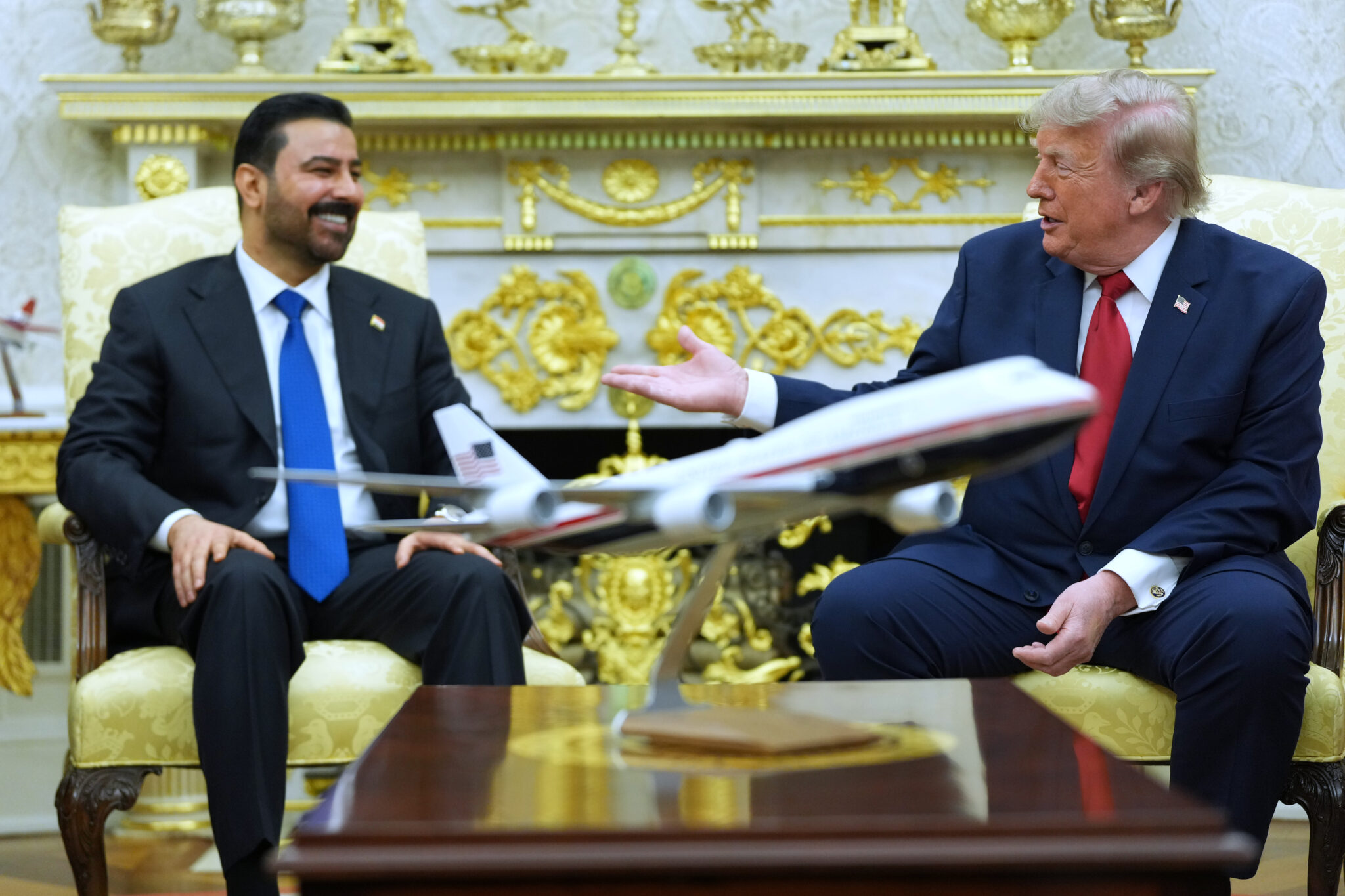
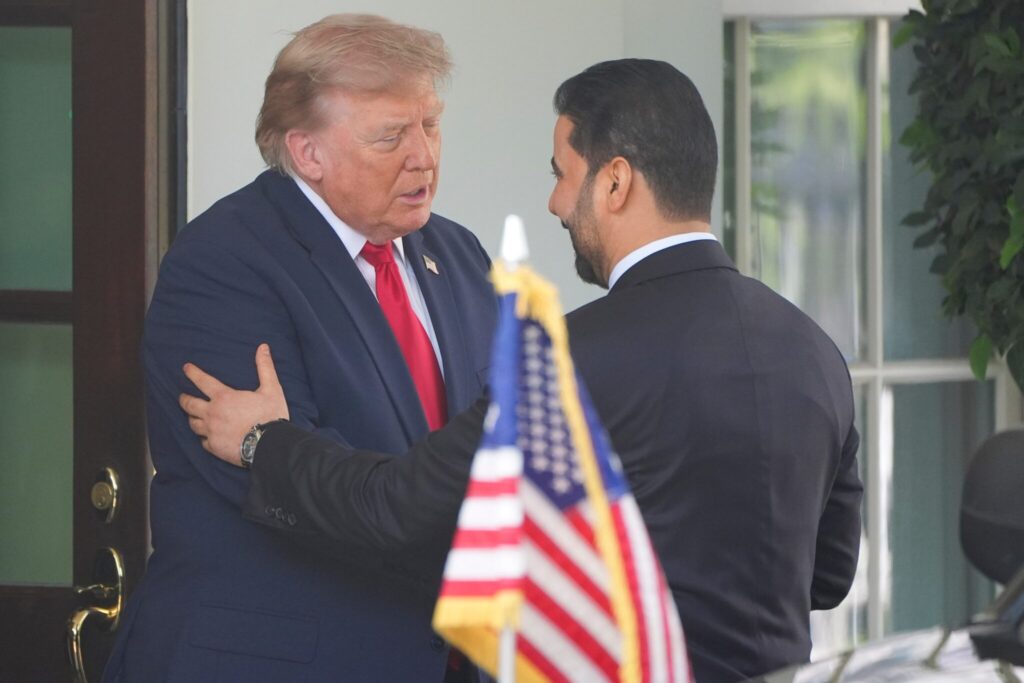
Trump Welcomes Iraq PM Ali al-Zaidi for White House Talks/ Newslooks/ WASHINGTON/ J. Mansour/ Morning Edition/ President Donald Trump welcomed Iraqi Prime Minister Ali al-Zaidi to the White House as both nations seek stronger security and economic ties. Talks focused on curbing Iran-backed militias, expanding energy cooperation and strengthening investment between the United States and Iraq.
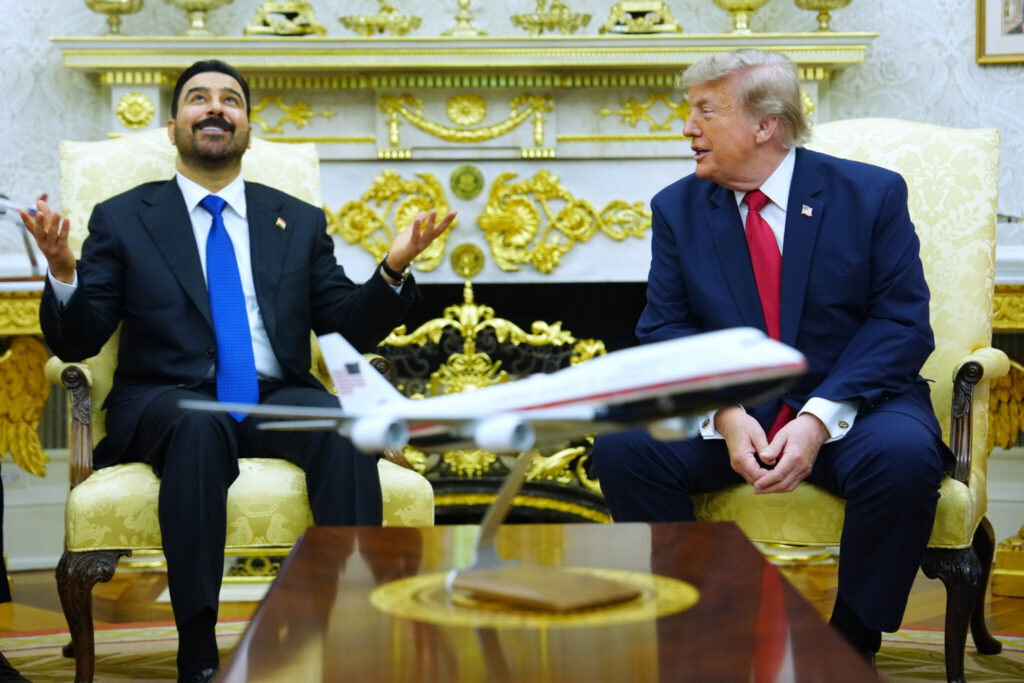
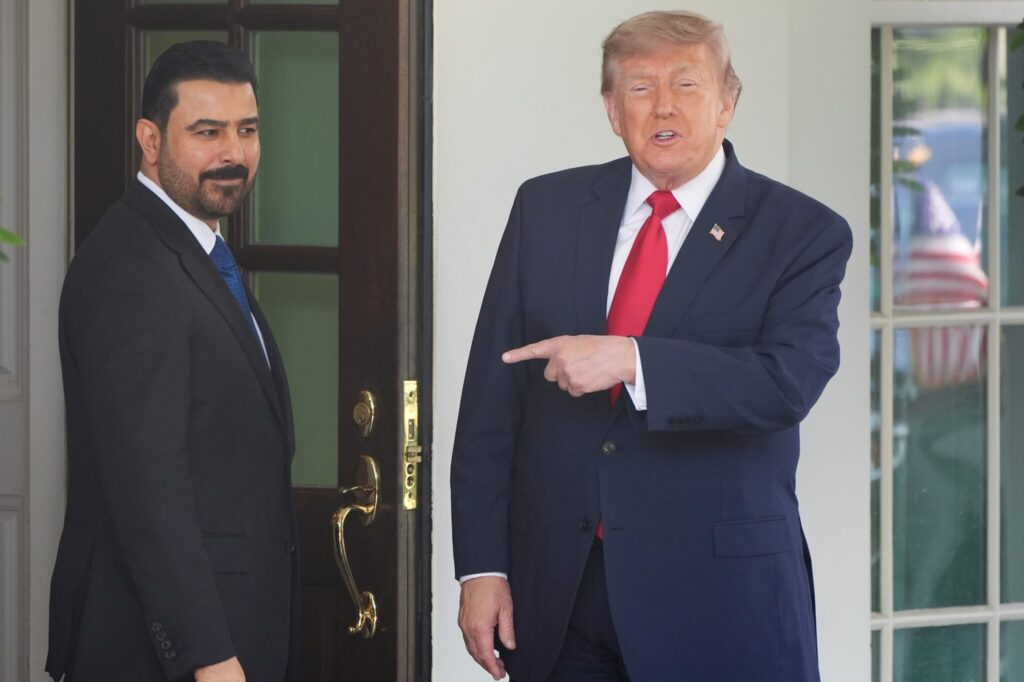
Trump Iraq Meeting Quick Looks
- Trump hosted Iraqi Prime Minister Ali al-Zaidi at the White House.
- Trump strongly supported al-Zaidi’s rise to Iraq’s top office.
- Iran-backed militias and regional security dominated discussions.
- The U.S. will assess Iraq’s progress in disarming armed groups.
- Iraq plans a major oil pipeline project involving U.S. and Qatari companies.
- Al-Zaidi is seeking expanded American investment and infrastructure partnerships.
- Analysts say the Iraqi leader faces major domestic political challenges.
Deep Look
Trump Welcomes Iraq’s New Prime Minister to Washington
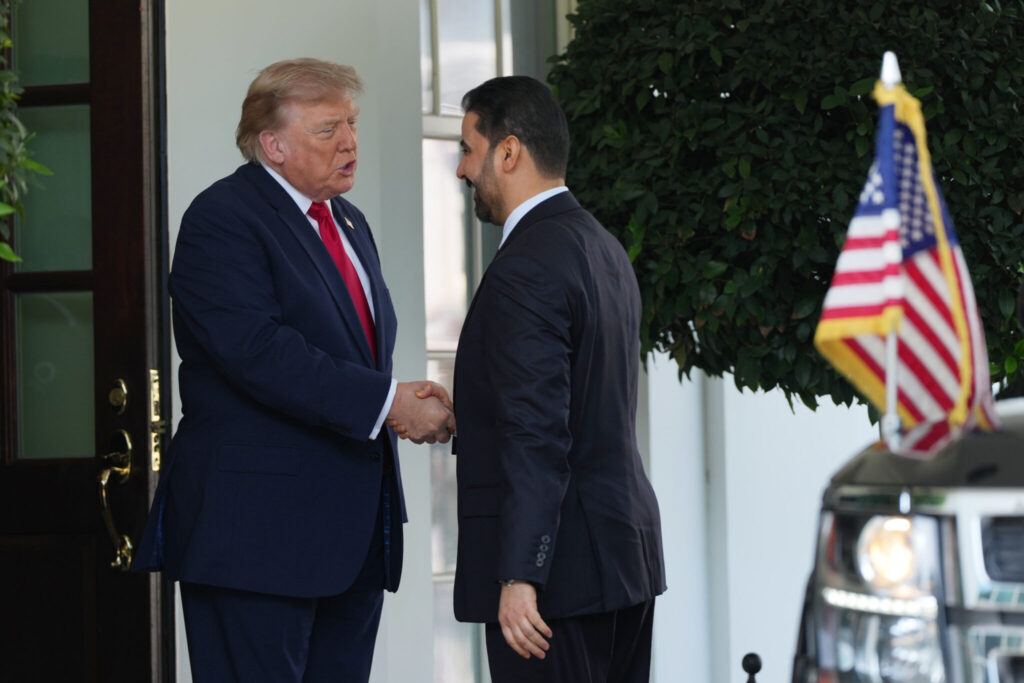
President Donald Trump welcomed Iraq’s new Prime Minister Ali al-Zaidi to the White House on Tuesday, marking the Iraqi leader’s first official visit since taking office after months of political deadlock in Baghdad.
Al-Zaidi, a businessman with no previous political experience, emerged as Iraq’s compromise candidate following prolonged negotiations after last year’s parliamentary elections.
When he was named prime minister-designate in April, Trump praised the appointment on social media, calling it the “beginning of a tremendous new chapter between our Nations — Prosperity, Stability, and Success like never seen before.”
Trump Played a Key Role Before al-Zaidi Took Office
Trump’s involvement in Iraq’s leadership transition began well before al-Zaidi officially assumed office.
The president publicly opposed former Prime Minister Nouri al-Maliki’s potential return, arguing that the longtime Iraqi politician maintained overly close ties with Iran.
Trump warned that Iraq risked losing American support if al-Maliki returned to power, writing that “if we are not there to help, Iraq has ZERO chance of Success, Prosperity, or Freedom.”
His backing of al-Zaidi helped reinforce Washington’s preference for a leader viewed as more independent from Tehran.
Iran-Backed Militias Remain Central Issue
Security concerns surrounding Iran-backed militias are expected to remain the most significant topic of discussion between the two leaders.
Iraq continues facing pressure to dismantle armed groups linked to Iran that have launched attacks against U.S. military bases and diplomatic facilities since fighting erupted between the United States, Israel and Iran earlier this year.
Although Baghdad has ordered non-state armed groups to disarm by the end of September, several of the most influential militias have rejected that demand.
A Trump administration official said the United States would make “informed” decisions based on Iraq’s efforts to disarm the Iranian-backed groups operating within its borders.
Business Background Draws Comparisons to Trump
Analysts note that al-Zaidi’s business career and outsider status have drawn comparisons to President Trump.
Victoria Taylor, director of the Iraq Initiative at the Atlantic Council, said the Iraqi leader has even been described as the “Trump of the Middle East” because of his private-sector background and lack of political experience.
However, she cautioned that Iraq’s political realities remain complex.
“When you value business success, I think then it’s very appealing to look at an Iraqi prime minister who is likely a billionaire and can be really pointed to as a political outsider,” she said.
Taylor added:
“the reality is much more complicated,”
She noted that al-Zaidi was selected by Iraq’s existing political system and will “beholden in some way to that system.”
She also questioned how much freedom the prime minister will have to challenge corruption and confront powerful militia groups.
“I’m not always sure that there’s a full appreciation of the challenge that this prime minister will face in actually trying to really dismantle core parts of the political system,” she said.
Experts Expect U.S. Pressure on Security Reforms
Renad Mansour, director of the Iraq Initiative at Chatham House, expects Washington to press al-Zaidi aggressively on militia disarmament.
“the U.S. will put significant pressure on al-Zaidi” to advance disarmament efforts during his Washington visit, “and Zaidi will respond by saying, ‘But I need support — intelligence support, technical support, armed support.’”
Mansour warned that confronting the militias carries significant risks.
“There is a scenario in which, if the Iraqi government starts going after these groups, they will also go after the government,” Mansour said.
“And this is a scenario that I think that the Iraqi government is apprehensive about.”
Major Energy Partnership Nears Completion
Beyond security issues, the two governments are preparing to strengthen economic cooperation through a major energy infrastructure project.
According to Iraqi officials, Iraq, Chevron, TI Capital and Qatar’s UCC are expected to finalize an agreement later this week to build a major oil pipeline.
The project would transport approximately two million barrels of oil per day from Iraq’s southern Basra region through Haditha before reaching Turkey’s Ceyhan port and Syria’s Mediterranean port of Baniyas.
Officials say the agreement could become one of Iraq’s largest energy investments in recent years.
Anti-Corruption Campaign Continues
Despite previously serving as chairman of Al-Janoob Islamic Bank—a financial institution barred by Iraq’s central bank from conducting dollar transactions in 2024 amid U.S. concerns over money laundering and financial transfers to Iran—al-Zaidi has sought to present himself as a reformer.
Since taking office, his administration has launched anti-corruption investigations that resulted in raids and arrests involving dozens of current and former government officials, including individuals connected to former Prime Minister Mohammed Shia al-Sudani.
Focus on Investment and Economic Growth
Al-Zaidi arrived in Washington accompanied by senior Iraqi government officials and business leaders.
According to his office, the visit aims to “strengthen economic and development partnerships, attract investment, and expand the role of U.S. companies in implementing infrastructure projects” while accelerating development of Iraq’s energy sector.
The White House meeting signals both governments’ interest in deepening cooperation on security, energy development and economic investment as Iraq navigates ongoing political and regional challenges.



You must Register or Login to post a comment.