

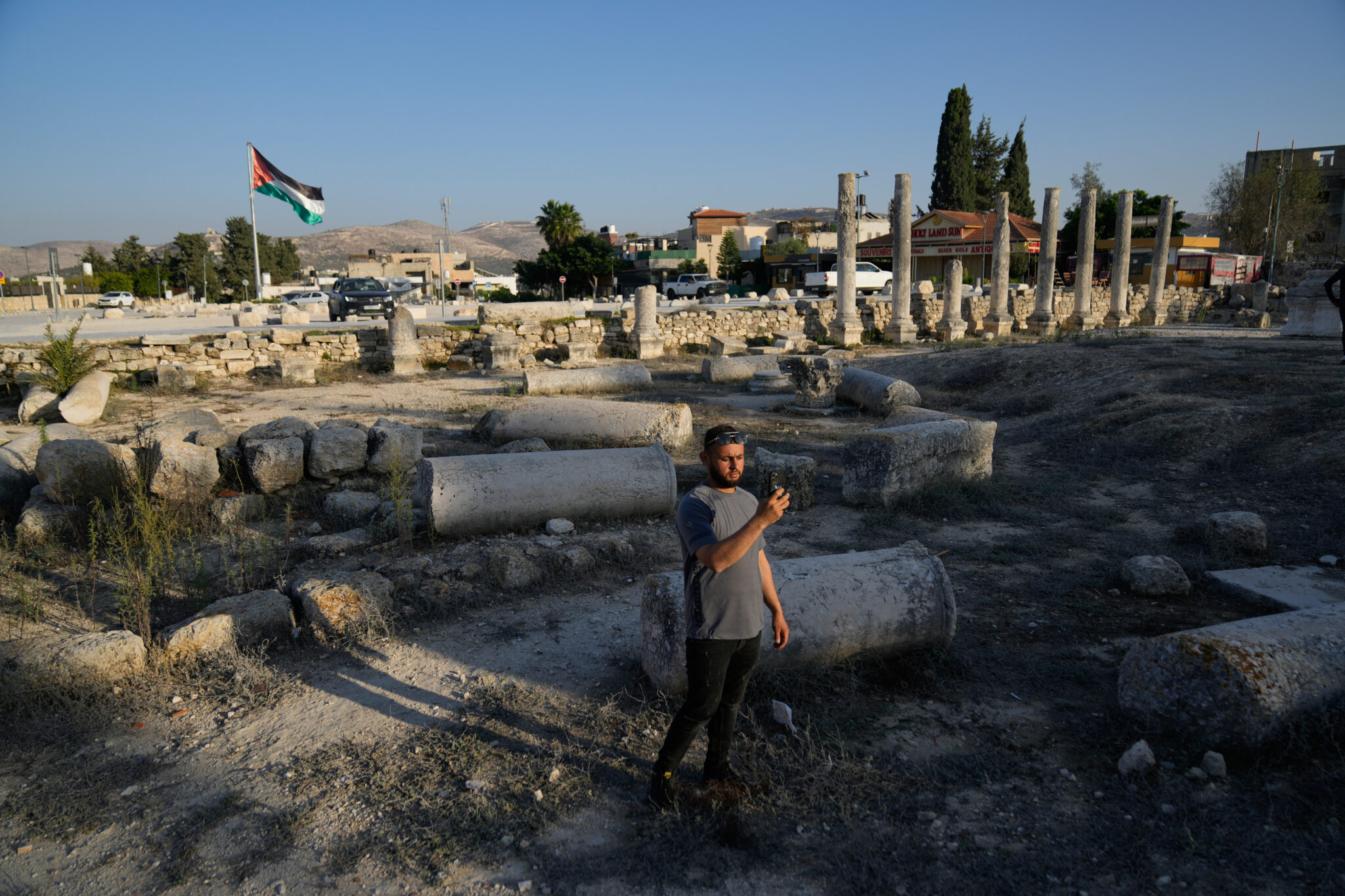
UNESCO Adds West Bank’s Sebastia and Lebanese Castles to World Heritage List Over Israeli Objections/ Newslooks/ WASHINGTON/ J. Mansour/ UNESCO added the West Bank archaeological town of Sebastia and five southern Lebanese castles to its World Heritage List despite objections from Israel. The sites were also designated as endangered after an emergency review prompted by continuing Middle East conflicts. Palestinian and Lebanese representatives welcomed the decision, while Israel accused UNESCO of politicizing cultural heritage and overlooking security concerns.
Quick Look
- UNESCO granted World Heritage status to Sebastia in the occupied West Bank.
- Five castles in Lebanon’s Mount Amel region also received designation.
- All six sites were placed on the List of World Heritage in Danger.
- The committee reviewed the nominations through an emergency procedure.
- Israel urged UNESCO to reject both submissions.
- Sebastia is associated with ancient Samaria, capital of the biblical Kingdom of Israel.
- Its archaeological history includes Iron Age, Roman, Byzantine and Islamic periods.
- Palestinian officials first submitted Sebastia’s nomination in 2012.
- The Lebanese castles reflect Crusader, Ayyubid, Mamluk and local architecture.
- Israel raised specific concerns about alleged Hezbollah activity at Beaufort Castle.
- Lebanon rejected those claims and said the castles are used for culture and tourism.
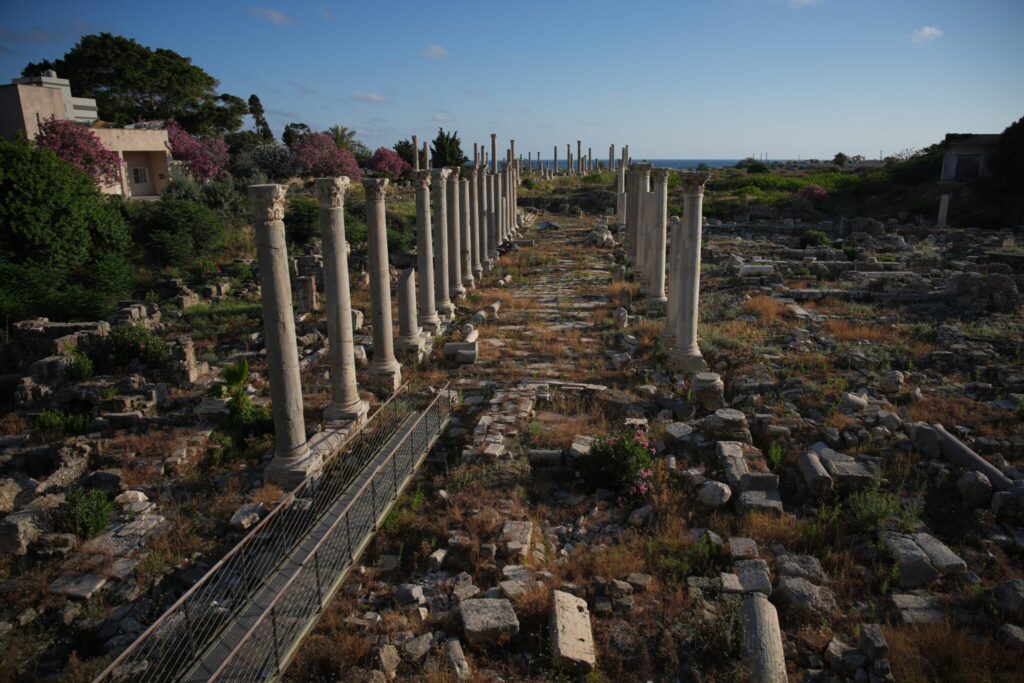
- UNESCO previously added the ancient Lebanese city of Tyre to its endangered list.
Deep Look
UNESCO Adds Six Middle Eastern Sites
SEOUL, South Korea — A UNESCO committee voted Friday to add a major archaeological site in the West Bank and five castles in southern Lebanon to the World Heritage List.
The committee made the decision during a meeting in Busan, South Korea, despite objections from Israel.
Sebastia and the five Mount Amel castles were also added to the List of World Heritage in Danger because of the continuing conflicts affecting the region.
Sites Receive Emergency Review
The U.N. Educational, Scientific and Cultural Organization reviewed the nominations on an emergency basis.
Such procedures can be used when war, development, environmental damage or other immediate threats place significant cultural sites at risk.
Israel’s Foreign Ministry had urged the committee to reject the nominations, describing them as a “weaponization of cultural heritage.”
Sebastia Identified With Ancient Samaria
Scholars identify it with ancient Samaria, the capital of the biblical Kingdom of Israel.
The site contains archaeological remains from numerous periods, including:
- The Iron Age
- The Roman period
- The Byzantine era
- Several Islamic periods
Christian and Islamic traditions also identify Sebastia as the burial place of John the Baptist, according to UNESCO.
Palestinians First Submitted Bid in 2012
The Palestinian delegation first nominated Sebastia for World Heritage status in 2012.
Its submission argued that international recognition would help preserve an archaeological area that remains largely undeveloped and requires additional conservation.
The town attracts tourists but is under Israeli control, limiting Palestinian authority over preservation and development at the site.
Designation Comes Amid Israeli Land Actions
The World Heritage decision comes as Israel moves to expropriate substantial areas of land surrounding Sebastia.
The Israeli government is also facing international pressure to address violence by Israeli settlers against Palestinians in the occupied territory.
Israel does not recognize an independent Palestinian state.
Palestinian Delegate Praises Residents
Adel Naim Daoud Atieh, a member of the Palestinian UNESCO delegation, said the designation recognized the efforts of Sebastia’s residents.
He praised those “who have protected this extraordinary site through generations, despite occupation, restrictions, and repeated attempts to separate them from their own heritage.”
Palestinian officials view UNESCO recognition as an important tool for preserving and affirming their cultural history.
Mount Amel Castles Gain Recognition
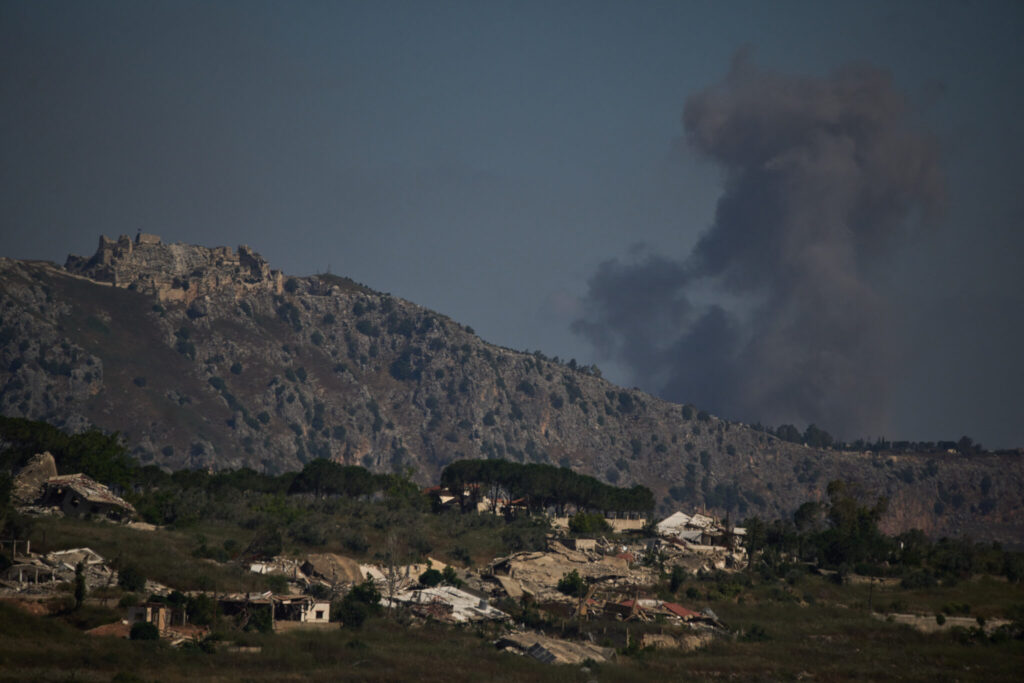
The five Lebanese castles are located in the Mount Amel region in the country’s south.
UNESCO said they demonstrate nearly nine centuries of changes in fortified architecture.
Their construction and modification reflect a mixture of Crusader, Ayyubid, Mamluk and local influences.
Beaufort Castle is among the five sites covered by Lebanon’s nomination.
Israel Accuses UNESCO of Political Bias
Israel left UNESCO in 2019, accusing the organization of bias and of minimizing Jewish historical connections to the Holy Land.
Israeli representatives attended the Busan meeting as observers.
One member of the delegation called it a “shame politicization has ruined UNESCO and led to mockery of history.”
Israel’s Foreign Ministry accused Palestinians of conducting a “hostile, one-sided campaign” by describing Sebastia as facing an emergency.
It said the nomination was an effort to “erase the site’s profound, well-documented Jewish and Christian history.”
Israel Raises Hezbollah Allegations
Israel also objected to the inclusion of Beaufort Castle.
Its Foreign Ministry alleged that the Iran-backed Hezbollah group had transformed the castle into a military position by constructing tunnels beneath it and launching rockets from the surrounding area.
The ministry accused UNESCO of overlooking those alleged military activities.
UNESCO and Lebanon’s embassy in South Korea declined to comment on Israel’s claims.
Lebanon Rejects Military-Use Claims
A Lebanese representative told the committee that the Mount Amel castles have been used “only for cultural and tourism purposes” since Israeli forces withdrew from southern Lebanon in 2000.
The delegate accused Israeli media outlets of misrepresenting images of tourist facilities as military tunnels.
No independent conclusion concerning the competing claims was included in UNESCO’s decision as described in the original report.
Tyre Also Added to Danger List
The UNESCO committee placed another Lebanese site on the endangered heritage list Wednesday.
Tyre, an ancient Phoenician city in southern Lebanon, was designated as being in danger because of threats connected to the region’s continuing conflict.
The additions are intended to draw international attention and support for conservation, although World Heritage status does not by itself guarantee physical protection.





You must Register or Login to post a comment.