
US Accuses Iran of Ceasefire Violation After Kuwait Missile Attack/ Newslooks/ WASHINGTON/ J. Mansour/ Morning Edition/ Iran and the United States exchanged fresh accusations of ceasefire violations after missiles targeted Kuwait. The attack followed new U.S. strikes near the Strait of Hormuz targeting Iranian drone operations. Despite escalating tensions, both sides continue negotiations aimed at ending the regional conflict.
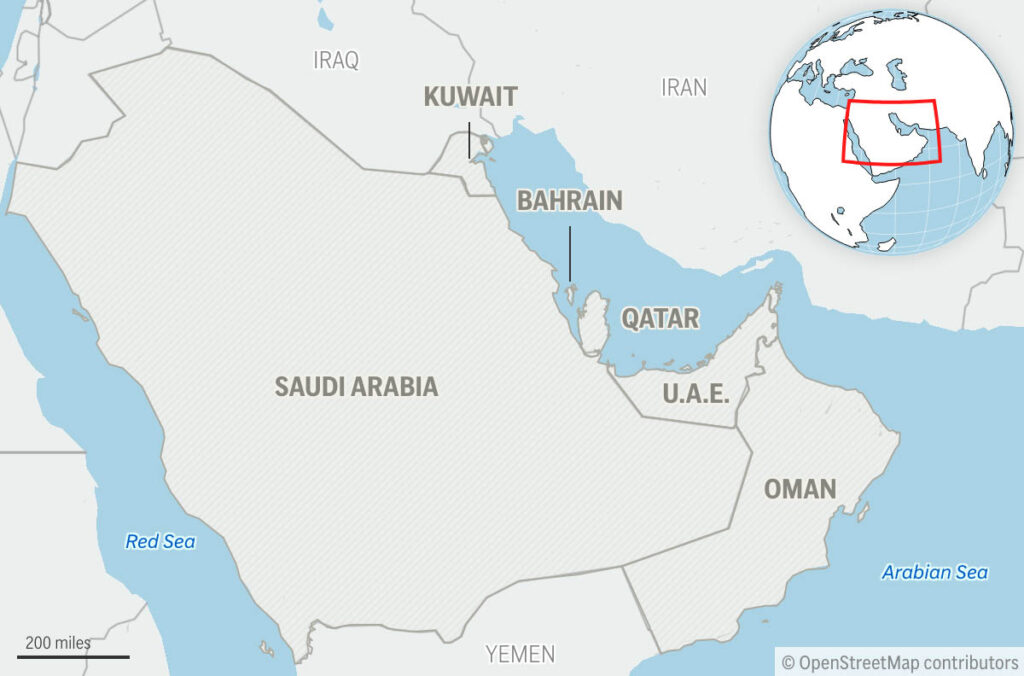
Iran Kuwait Missile Attack Quick Looks
- U.S. accuses Iran of violating ceasefire.
- Kuwait intercepted incoming missiles and drones.
- CENTCOM calls attack “egregious ceasefire violation.”
- Iran says retaliation targeted U.S. regional base.
- New U.S. strikes hit Iranian drone facilities.
- Strait of Hormuz tensions remain central issue.
- Oil market fears continue amid regional instability.
- Lebanon ceasefire also under increasing pressure.
- Israel strikes Beirut suburb and Tyre.
- Washington negotiations continue despite flare-ups.

Deep Look
US Accuses Iran of Breaking Fragile Ceasefire
U.S. Central Command on Thursday accused Iran of violating the fragile seven-week ceasefire after missiles were launched toward Kuwait, one of America’s closest Gulf allies.
According to military officials, Kuwait intercepted missiles fired late Wednesday.
CENTCOM described the incident as an “egregious ceasefire violation.”
The accusations came amid continued military exchanges and diplomatic negotiations aimed at preventing a return to full-scale regional war.
Kuwait Reports Incoming Missile and Drone Attack
Kuwait’s military announced that its air-defense systems intercepted incoming missiles and drones Thursday morning.
Officials did not specify the exact targets.
The Kuwaiti Foreign Ministry condemned Iran’s actions, calling the strike “blatant aggression.”
Iran acknowledged retaliatory action following recent American military strikes but did not directly confirm Kuwait as the target.
Instead, Iran said it had attacked a U.S. military base in a Gulf country without naming the location.
Kuwait hosts several key American military installations, including:
- U.S. Army Central’s forward headquarters
- Major air bases
- Naval facilities
The country previously faced attacks from Iranian-backed militias before the ceasefire began in April.
US Launches Additional Strikes Near Strait of Hormuz
The latest escalation followed new American military operations near the Strait of Hormuz.
U.S. officials said American forces:
- Shot down four Iranian attack drones
- Targeted a drone ground-control station
- Conducted strikes near Bandar Abbas
Officials claimed the drones posed immediate threats to U.S. naval and air operations.
Iran’s Revolutionary Guard later acknowledged attacks near Bandar Abbas International Airport through statements carried by the state-run IRNA news agency.
The Iranian military described its response as retaliation against the base involved in the American operations.
Ceasefire Holds Despite Ongoing Attacks
Although both Washington and Tehran continue accusing each other of violating the ceasefire, neither side has resumed full-scale hostilities.
Donald Trump has repeatedly insisted negotiations are still moving forward despite the military flare-ups.
The United States says its primary objectives remain:
- Reopening the Strait of Hormuz
- Ending threats to maritime shipping
- Securing Iran’s highly enriched uranium stockpile
Iran continues demanding:
- Sanctions relief
- Release of frozen financial assets
- An end to Israeli military operations in Lebanon
Strait of Hormuz Remains Central Pressure Point
The Strait of Hormuz remains the core issue in negotiations.
Before the war, roughly one-fifth of globally traded oil and natural gas passed through the narrow waterway.
Iran’s effective chokehold on the route has caused:
- Surging oil prices
- Rising global fuel costs
- Increased inflation pressures worldwide
The economic fallout has intensified political pressure on the Trump administration ahead of the midterm elections.
Lebanon Conflict Continues Escalating
Regional tensions also deepened Thursday in Lebanon.
Israel launched new airstrikes on a southern suburb of Beirut and in the southern coastal city of Tyre.
At least 14 people were reportedly killed in southern Lebanon.
Israeli Prime Minister Benjamin Netanyahu earlier warned that military operations against Hezbollah would intensify following drone attacks on Israeli troops and border towns.
Israeli and Lebanese military officials are still expected to hold security talks Friday in Washington despite the renewed violence.
Regional Diplomacy Faces Mounting Challenges
The ongoing violence highlights how fragile the broader diplomatic process has become.
Current negotiations now involve interconnected issues including:
- Iran’s nuclear program
- Shipping through the Strait of Hormuz
- Lebanon ceasefire enforcement
- Hezbollah military activity
- Economic sanctions
- Frozen Iranian assets
Even with active diplomacy underway, repeated military exchanges continue threatening to derail progress toward a wider agreement.