US And China Escalate Journalist Expulsion Dispute/ Newslooks/ WASHINGTON/ J. Mansour/ Morning Edition/ The Trump administration revoked the visa of a Xinhua journalist after China expelled a New York Times correspondent. The move marks a rare direct U.S. retaliation against Beijing over journalist expulsions. The dispute highlights worsening media access and press freedom tensions between the world’s two largest powers.
US China Journalist Expulsions Quick Looks
- U.S. revoked a visa for a Xinhua employee.
- The action followed China’s expulsion of New York Times reporter Vivian Wang.
- Washington described the move as a reciprocal response.
- The New York Times criticized both governments’ actions.
- China’s foreign media environment continues to tighten.
- U.S. media staffing levels in China remain historically low.
- Taiwan-related coverage reportedly contributed to the dispute.
- Beijing closely monitors foreign journalist accreditation.
- Previous journalist expulsions occurred during the COVID-19 pandemic.
- Press freedom concerns continue affecting U.S.-China relations.
Deep Look
U.S. And China Exchange Journalist Expulsions
WASHINGTON — Tensions between the United States and China have expanded beyond trade, military competition, and diplomacy, now spilling once again into the realm of journalism.
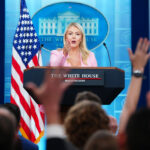
The Trump administration has revoked the visa of a Chinese national working for the state-run Xinhua News Agency in what officials described as a reciprocal response to Beijing’s recent expulsion of New York Times correspondent Vivian Wang.
The decision marks one of the rare instances in which Washington has directly retaliated against China for removing an American journalist from the country. The action reflects the increasingly strained relationship between the two nations and growing concerns over media access and press freedom.
Trump Administration Responds To China’s Action
A person familiar with the matter confirmed that the visa revocation targeted a Chinese journalist employed by Xinhua, China’s official state news agency.
A State Department official also confirmed that plans were underway to revoke the visa.
The administration’s decision followed Beijing’s move to expel Vivian Wang, a veteran China correspondent for The New York Times.
Observers view the action as a clear tit-for-tat response designed to demonstrate that Washington is willing to answer restrictions on American journalists with similar measures.
New York Times Defends Reporter
The New York Times strongly criticized China’s decision and called for Wang’s reinstatement.
The newspaper emphasized that Wang had no involvement in the event that reportedly triggered Beijing’s action.
“The Chinese government’s decision to expel Vivian Wang is wrong,” executive editor Joseph Kahn said.
“Her expulsion will make it even harder for our global audience to get accurate, independent and in-depth reporting about the world’s second largest economy at a critical time.”
The newspaper also stressed that it does not support governments interfering with journalists or revoking media credentials.
Instead, the Times urged both Washington and Beijing to reverse actions that further restrict reporting access.
Taiwan Event Appears To Trigger Dispute
According to reports, Beijing’s decision stemmed from a DealBook Summit event hosted by The New York Times in 2025.
The conference included a recorded interview with Taiwanese President Lai Ching-te conducted by journalist Andrew Ross Sorkin.
During the discussion, Taiwan was referred to as a country, and Lai criticized Beijing’s behavior in the Taiwan Strait while pledging to defend the self-governing island.
Although Wang played no role in organizing or participating in the interview, Chinese authorities reportedly linked the newspaper’s broader activities to the incident.
Taiwan Remains A Sensitive Issue
The dispute underscores how Taiwan continues to be one of the most sensitive topics in U.S.-China relations.
China views Taiwan as part of its territory and has repeatedly objected to foreign governments, organizations, and media outlets treating the island as an independent nation.
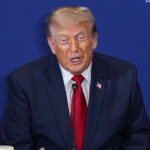
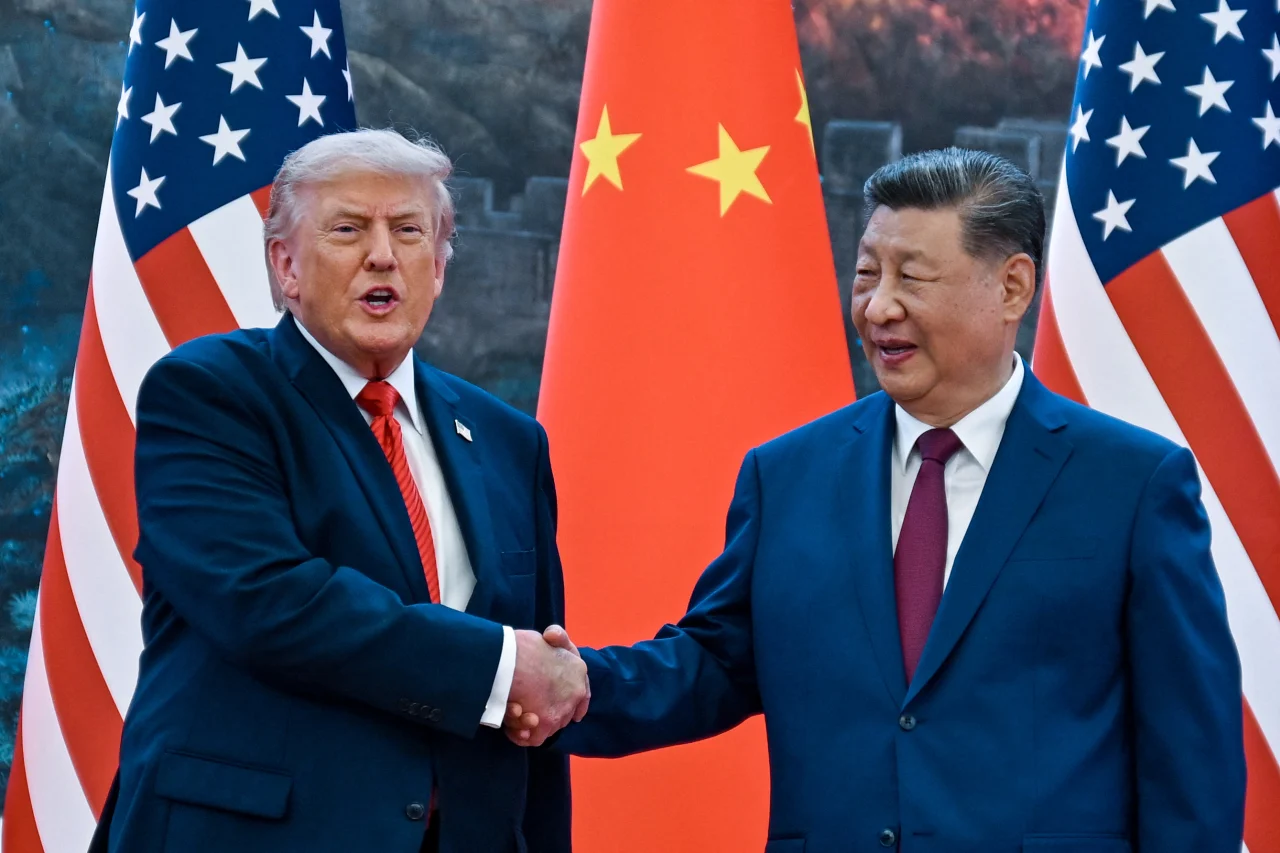
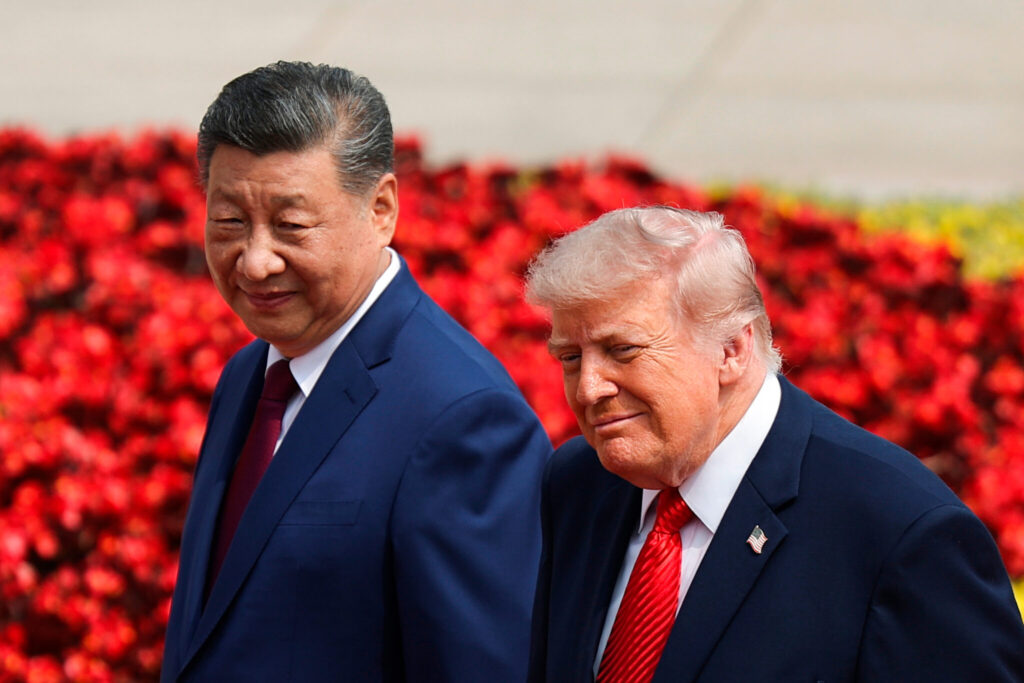
The issue gained additional prominence during President Donald Trump’s recent summit with Chinese President Xi Jinping in Beijing.
During those discussions, Xi reportedly warned that China and the United States could “collide or even clash” if Taiwan-related issues are mishandled.
The latest media dispute illustrates how tensions over Taiwan extend beyond diplomacy and security matters into journalism and public discourse.
Foreign Media Presence Continues To Shrink
Wang’s departure further reduces an already diminished American media presence in China.
In recent years, a series of disputes involving journalist visas and accreditation have significantly reduced the number of foreign correspondents operating inside the country.
“The number of correspondents from American media outlets allowed to work in China has now fallen to an alarmingly low level, at a time when the need for people everywhere to understand China is greater than ever,” Kahn wrote.
Media organizations increasingly warn that reduced access makes independent reporting more difficult and limits international understanding of developments inside China.
Accreditation Rules Give Beijing Broad Authority
China requires all foreign journalists to obtain accreditation from the Ministry of Foreign Affairs before reporting within the country.
The government has frequently used accreditation and visa regulations to remove journalists or deny access to reporters whose work officials consider unfavorable.
Critics argue the policy provides Beijing with substantial leverage over international media coverage.
Supporters of the system contend that sovereign nations have the right to regulate foreign journalists operating within their borders.
Earlier Expulsions Set Precedent
The latest dispute is not the first time journalist expulsions have affected U.S.-China relations.
In 2020, China expelled three Wall Street Journal correspondents following publication of an opinion article titled “China is the Real Sick Man of Asia” during the early stages of the COVID-19 pandemic.
That incident triggered a broader deterioration in media relations between the two countries.
As tensions increased, the United States designated several major Chinese state-run media organizations as foreign missions, arguing they functioned as arms of the Chinese government rather than independent news organizations.
Xinhua’s Role Draws Scrutiny
Among the organizations affected by U.S. restrictions was Xinhua.
The Chinese Communist Party tasks Xinhua with distributing official government information and serving as a primary communications outlet for state policies and messaging.
American officials have long argued that Chinese state media organizations operate differently from independent news outlets and therefore warrant different treatment under U.S. regulations.
China rejects that characterization and accuses Washington of politicizing media operations.
2020 Media Crackdown Had Lasting Impact
The deterioration in media relations reached a peak during 2020.
According to the Foreign Correspondents’ Club of China, at least 18 journalists working for The Washington Post, The New York Times, and The Wall Street Journal were expelled from China during the first half of that year.
Others received only short-term visas, creating uncertainty for news organizations attempting to maintain reporting operations inside the country.
The restrictions dramatically reduced foreign media coverage and altered how international outlets report on China.
Limited Progress Followed
The two governments eventually reached a limited agreement that allowed a small number of American journalists to return to mainland China.
Vivian Wang was among the reporters who entered China under that arrangement.
Her expulsion now raises new concerns about whether the fragile understanding between the two governments is unraveling.
With both Washington and Beijing taking reciprocal actions, media organizations fear the dispute could further restrict reporting access and deepen one of the least-discussed but most consequential areas of U.S.-China tensions.