US Disables Sixth Ship Accused Of Breaching Iran Blockade/ Newslooks/ WASHINGTON/ J. Mansour/ Morning Edition/ The U.S. military says it disabled another commercial vessel attempting to reach an Iranian port in violation of its blockade. The incident comes as Washington and Tehran continue negotiations over a possible ceasefire extension and the reopening of the Strait of Hormuz. Growing tensions in the vital shipping corridor continue to impact global energy markets and international trade.
US Iran Blockade Quick Looks
- U.S. forces disabled the bulk carrier Lian Star.
- The vessel reportedly ignored multiple warnings.
- The ship was stopped in the Gulf of Oman.
- It is the sixth vessel halted under the blockade.
- The blockade began on April 17.
- A ceasefire has remained in place since April 7.
- Negotiations continue over a possible 60-day extension.
- Iran continues asserting control over Strait of Hormuz transit.
- Tehran has reportedly charged transit fees to vessels.
- Global energy and shipping markets remain affected.
Deep Look
U.S. Stops Another Vessel Near Iranian Waters
WASHINGTON — The United States military has reportedly disabled another commercial ship accused of attempting to breach the American blockade of Iranian ports, marking the latest escalation in ongoing maritime tensions surrounding Iran.
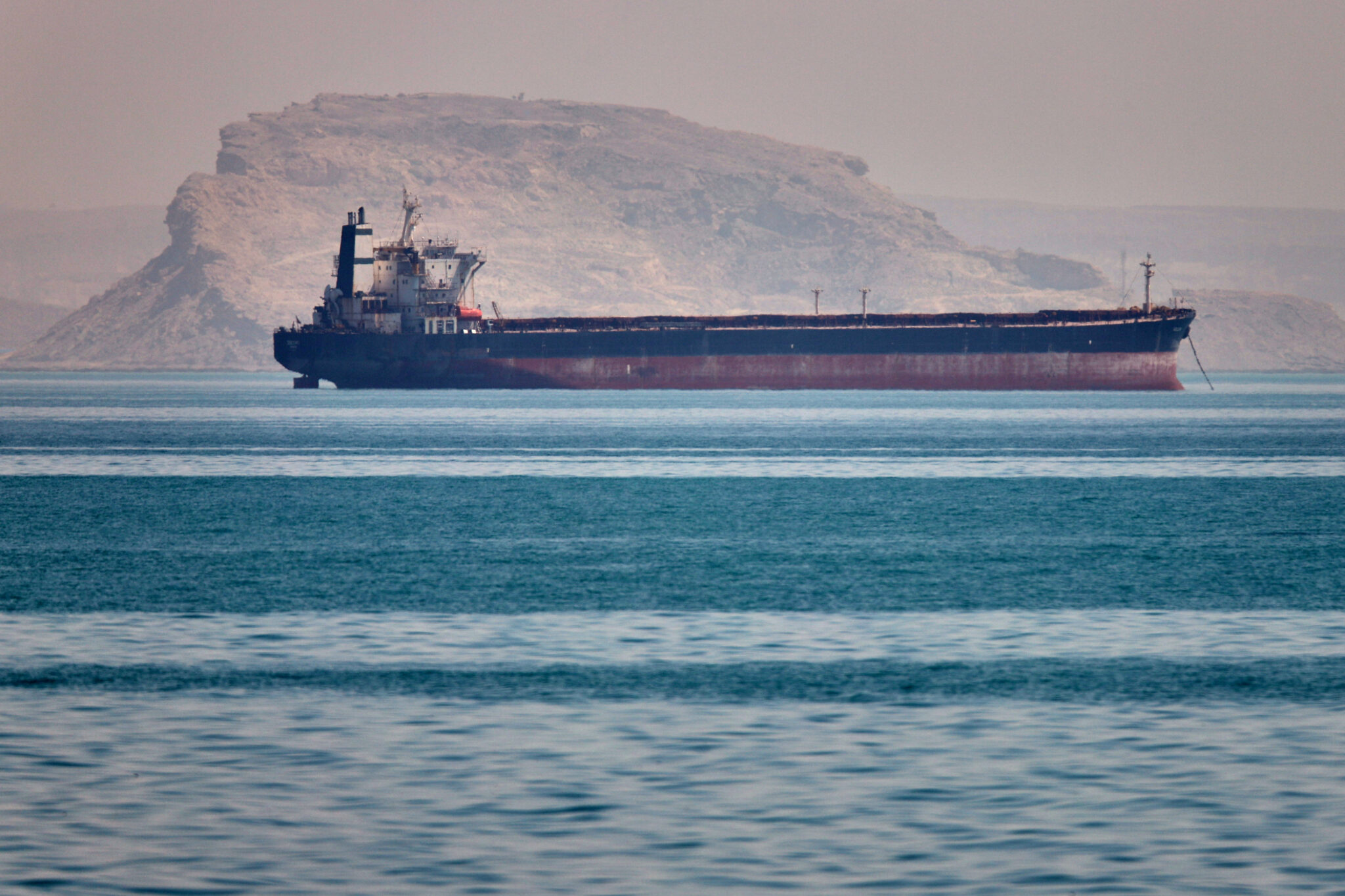
According to a U.S. official familiar with the operation, the Gambia-flagged bulk carrier Lian Star ignored repeated warnings from American forces while attempting to enter an Iranian port.
The vessel was ultimately disabled by U.S. aircraft in the Gulf of Oman and remains adrift. Officials said American forces have not boarded the ship. The incident represents the sixth vessel stopped since the blockade began. One other ship was previously allowed to continue its voyage.
Blockade Remains Central Pressure Tool
The blockade was launched on April 17 after Iran effectively restricted access through the Strait of Hormuz following the outbreak of hostilities that began with U.S. and Israeli strikes on February 28.
American officials have argued that limiting maritime access to Iranian ports is intended to reduce Tehran’s ability to generate revenue and finance activities viewed as destabilizing by Washington.
The blockade has become one of the administration’s most significant tools of economic pressure as negotiations continue over Iran’s nuclear program and regional security issues.
Ceasefire Talks Continue
The latest maritime confrontation comes at a sensitive moment diplomatically.
A fragile ceasefire has remained in place since April 7, and negotiators are attempting to finalize an agreement that would extend the truce for an additional 60 days.
President Donald Trump met with national security advisers Friday but has not yet approved the proposed framework.
The tentative agreement would reopen the Strait of Hormuz, ease some economic restrictions, and create a pathway for further talks on Iran’s nuclear activities.
Iranian officials, however, continue to insist that no final agreement has been reached.
Strait Of Hormuz Remains Global Flashpoint
The Strait of Hormuz remains one of the world’s most strategically important waterways.
The narrow shipping lane between Iran and Oman serves as a critical route for global oil, natural gas, and fertilizer exports.
Since the conflict began, disruptions in shipping traffic have contributed to higher energy prices, increased transportation costs, and inflationary pressures in multiple regions around the world.
Although commercial traffic continues moving through the strait, shipping volumes remain well below pre-conflict levels.
The uncertainty surrounding maritime access has become a major concern for governments, energy companies, and global markets.
Iran Warns Against Interference
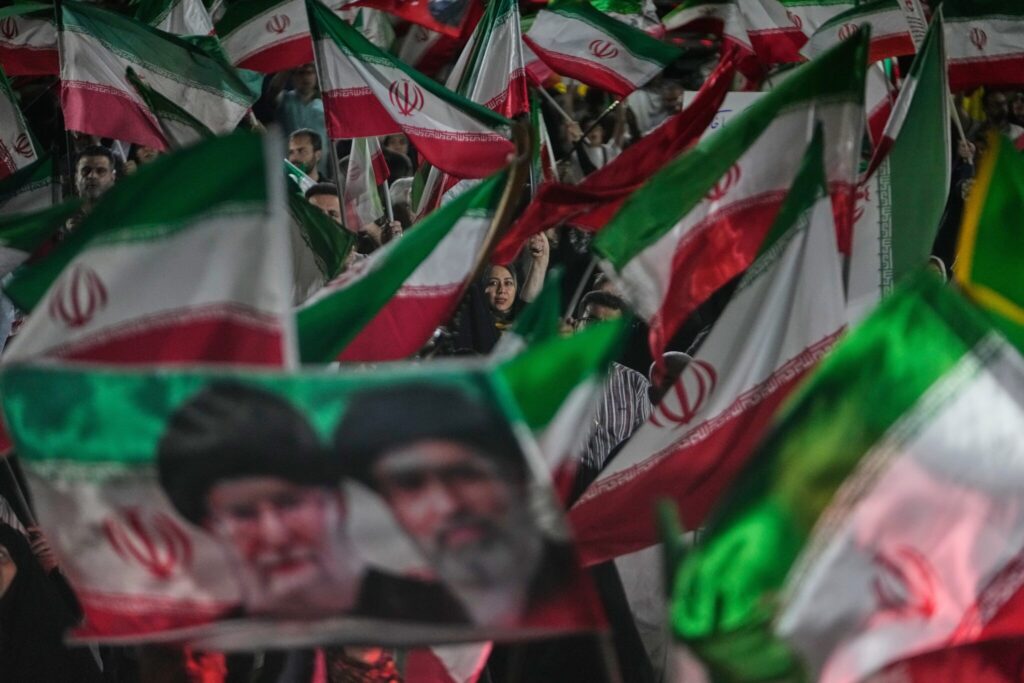
Iran continues to assert that vessels transiting the Strait of Hormuz must comply with regulations established by Tehran.
In a statement carried by Iranian state television, the country’s joint military command warned that any interference with its transit rules could create serious security risks.
“Any violation of these regulations will place the security of their passage at serious risk.”
The statement also warned that military vessels attempting to interfere with Iran’s enforcement efforts could become targets.
The comments underscore the continuing disagreement between Washington and Tehran over control of maritime traffic in the region.
Dispute Over Transit Fees
One of the most controversial developments involves reports that Iran has imposed transit fees on vessels using the strait.
According to maritime experts, some ships have reportedly been charged as much as $2 million to pass through the waterway.
Critics argue that such charges violate long-established principles of international maritime law, particularly the concept of freedom of navigation through international waterways.
The issue has become a significant point of contention in ongoing negotiations.
Qatar Suggests Compromise
Officials in Qatar have indicated that some form of temporary fee arrangement could be negotiable under specific circumstances.
Qatar’s Deputy Prime Minister, Sheikh Saoud bin Abdulrahman bin Hassan bin Ali Al Thani, said his country generally opposes transit charges but acknowledged that limited fees tied to operational activities could be discussed.
“…for certain times when they say they are going to use it for mine clearing or some usage of the fees for a temporary time, this is something that is negotiable.”
His comments suggest that regional governments may be exploring compromise solutions designed to restore normal shipping activity while addressing security concerns.
Mine-Clearing Claims Remain Unclear
Iran has cited security concerns and mine-clearing operations as part of its justification for certain maritime measures.
However, U.S. officials continue to dispute aspects of those claims.
The same U.S. official familiar with blockade operations stated that American forces have not discovered or destroyed any naval mines in the Strait of Hormuz.
The conflicting narratives illustrate the broader challenge facing negotiators as they attempt to rebuild trust and establish clear rules governing maritime traffic.
Economic Stakes Remain High
The ongoing standoff carries significant economic consequences.
Energy markets remain highly sensitive to developments involving the Strait of Hormuz because approximately one-fifth of global oil shipments typically move through the corridor.
Any prolonged disruption threatens to raise fuel costs, increase inflation pressures, and complicate economic recovery efforts in multiple countries.
Agricultural markets have also been affected because fertilizer shipments rely heavily on the same maritime routes.
As a result, governments around the world continue monitoring negotiations closely.
Future Hinges On Ceasefire Decision
The fate of both the blockade and broader regional stability may depend on whether the United States and Iran can finalize a ceasefire extension.
If approved, the proposed agreement could lead to the reopening of the Strait of Hormuz, a reduction in shipping restrictions, and renewed diplomatic engagement over Iran’s nuclear program.
Until then, incidents like the disabling of the Lian Star demonstrate how quickly tensions can escalate in one of the world’s most important maritime chokepoints.