

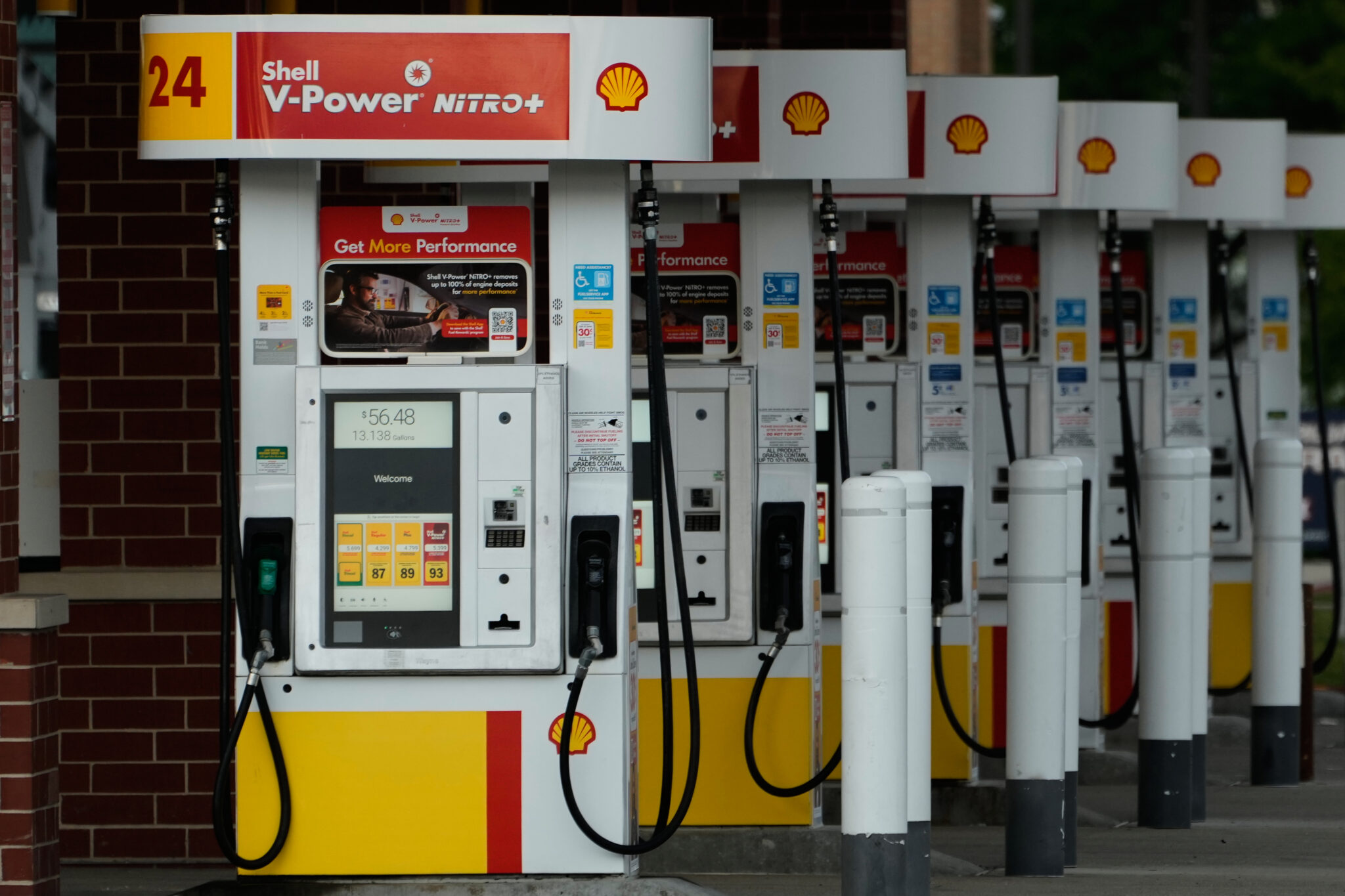
US Gas Prices Return to $4 a Gallon as Iran Conflict Escalates/ Newslooks/ WASHINGTON/ J. Mansour/ The national average price of regular gasoline returned to $4 per gallon Monday as the United States and Iran launched additional attacks. Gasoline averaged $3.14 per gallon a year earlier, according to motor club federation AAA. The renewed increase could add pressure to household budgets and become a major issue in the upcoming US midterm elections.
Quick Look
- Regular gasoline reached a national average of $4 per gallon Monday.
- The average price was $3.14 per gallon one year earlier.
- The year-over-year increase amounts to 86 cents, or about 27%.
- Prices vary significantly among states because of taxes, supply and other factors.
- Some motorists have already been paying well above $4 per gallon.
- The national average first exceeded $4 at the end of March.
- Gas prices fell below that level in mid-June.
- The decline followed an interim agreement between the United States and Iran.
- Prices began rising again as both countries resumed attacks.
- Higher transportation costs can increase grocery and consumer-goods prices.
- Affordability is expected to be a major issue in the US midterm elections.
- Brent crude fell $1.64 Monday morning to $86.46 per barrel.
- US benchmark crude dropped $1.87 to $79.91.
- Oil remains well above its prewar level of approximately $70 per barrel.
Deep Look
US Gas Prices Return to $4
NEW YORK — The national average price of regular gasoline returned to $4 per gallon Monday as renewed attacks by the United States and Iran placed additional pressure on global energy markets.
Motor club federation AAA reported that the nationwide average had climbed back to the politically and economically significant $4 threshold.
A year earlier, regular gasoline averaged $3.14 per gallon.
The 86-cent increase represents a rise of approximately 27% over the previous year.
Drivers Pay Different Prices Across States
The $4 figure represents a national average rather than a uniform price paid by every American driver.
Motorists in some states have been paying considerably more than $4 per gallon, while those in other regions continue to pay less.
State gasoline prices vary based on several factors, including local taxes, refinery access, transportation costs, environmental requirements and proximity to available supplies.
Iran War Drives Global Fuel Costs
Consumers outside the United States are also facing elevated fuel prices because of the conflict.
Oil markets have reacted to continuing attacks and the threat of wider disruptions to Middle Eastern production and shipping.
The United States and Iran moved closer to resuming an all-out war after a temporary reduction in fighting under an interim agreement.
The latest escalation increased concerns about the availability and transportation of crude oil from the region.
Gas Prices First Crossed $4 in March
The national gasoline average initially exceeded $4 per gallon at the end of March.
Prices fell below that level in mid-June and continued declining as crude oil became less expensive.
The drop followed an interim agreement between the United States and Iran that reduced fears of immediate supply disruptions.
President Donald Trump nevertheless expressed frustration at the time that gasoline prices were not declining as quickly as crude oil.
Higher Fuel Costs Pressure Household Budgets
Rising gasoline prices directly increase transportation expenses for households, commuters and businesses.
They can also contribute to broader inflation because companies often pass higher delivery and production costs to consumers.
Groceries and other goods can become more expensive when farmers, manufacturers and retailers pay more for fuel and transportation.
Households with long commutes or limited access to public transportation are especially vulnerable to gasoline price increases.
Gas Prices Could Affect Midterm Elections
Affordability is expected to be an important issue for voters in the US midterm elections.
Higher prices for gasoline, groceries and other essentials can influence perceptions of the economy even when other indicators remain strong.
The renewed increase creates a political challenge for the Trump administration as voters prepare to decide control of Congress.
Oil Declines Monday but Remains Elevated
Oil prices moved lower during Monday morning trading in the United States but remained well above their prewar levels.
Brent crude, the international benchmark, declined $1.64 to $86.46 per barrel.
Benchmark US crude fell $1.87 to $79.91 per barrel.
Before the conflict, crude oil traded close to $70 per barrel.
The elevated level means consumers could continue facing high gasoline prices even when crude records modest daily declines.






You must Register or Login to post a comment.