US Shoots Down Iranian Missiles Near Gulf Allies/ Newslooks/ WASHINTON/ J. Mansour/ Morning Edition/ The U.S. military intercepted Iranian missiles and drones targeting Gulf allies and the Strait of Hormuz, then struck Iranian radar installations in response. The latest exchange escalates tensions despite ongoing ceasefire negotiations between Washington and Tehran aimed at ending the conflict. President Trump expressed confidence that a resolution with Iran remains within reach, while regional violence continued in Lebanon.
US Shoots Down Iranian Missiles Near Gulf Allies Quick Looks
- U.S. forces intercepted Iranian ballistic missiles aimed at Kuwait and Bahrain.
- Four Iranian drones targeting the Strait of Hormuz were also shot down.
- American forces struck Iranian coastal radar sites in response.
- Iran claimed it targeted U.S. military facilities in Kuwait and Bahrain.
- Bahrain activated air raid sirens while Kuwait responded to missile threats.
- Trump said the situation with Iran is progressing despite renewed hostilities.
- U.S.-Iran negotiations remain stalled over terms of a ceasefire extension.
- Israeli military operations continued in southern Lebanon.
- Hezbollah rejected the latest U.S.-brokered ceasefire arrangement.
- New U.S. sanctions targeted Iran’s energy sector and shipping network.
Deep Look
US Intercepts Iranian Missiles and Drones
The United States military said Friday that it successfully intercepted Iranian ballistic missiles and drones launched toward Gulf Arab allies and the strategically important Strait of Hormuz, marking another dangerous escalation in the ongoing conflict between Washington and Tehran.
According to U.S. Central Command, Iran fired seven ballistic missiles toward Kuwait and Bahrain. American defense systems intercepted six of the missiles, while the seventh failed before reaching its intended target. Military officials reported no injuries or damage involving U.S. personnel.
Earlier in the day, U.S. forces also shot down four Iranian drones that officials said were heading toward the Strait of Hormuz.
“The attack drones posed an immediate threat to regional maritime traffic,” U.S. Central Command said on social media.
US Strikes Iranian Radar Installations
Following the interceptions, the United States launched retaliatory strikes against several Iranian coastal surveillance radar sites.
Military officials said the radar facilities, including one positioned on an island within the Strait of Hormuz, were targeted to prevent future attacks and enhance regional security.
“Iran fired seven ballistic missiles toward Kuwait and Bahrain, with U.S. forces intercepting six of the missiles and a seventh failing to reach its target,” U.S. Central Command stated.
Iran’s Revolutionary Guard later announced that it had targeted the Ali Al Salem Air Base in Kuwait and the U.S. Navy’s Fifth Fleet headquarters in Bahrain, according to reports from state-run Iranian media.
Gulf States Respond to Growing Threats
The missile launches triggered emergency responses across the Gulf region.
Kuwait’s military reported active efforts to intercept incoming missiles and drones, while Bahrain activated air raid sirens and instructed residents to seek shelter immediately and follow government safety guidance.
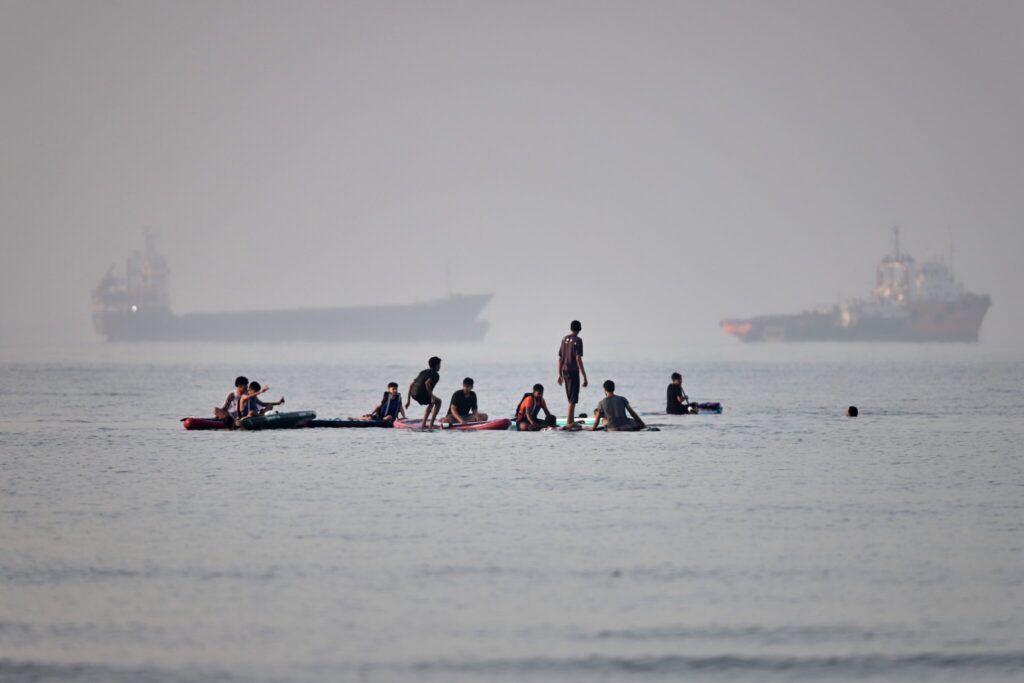
The latest attacks come amid heightened tensions surrounding Iran’s restrictions on maritime traffic through the Strait of Hormuz, one of the world’s most important energy transit routes.
The United States has responded by enforcing a blockade on Iranian ports, a move designed to pressure Tehran into reopening the strategic waterway.
Trump Says Resolution Could Come Soon
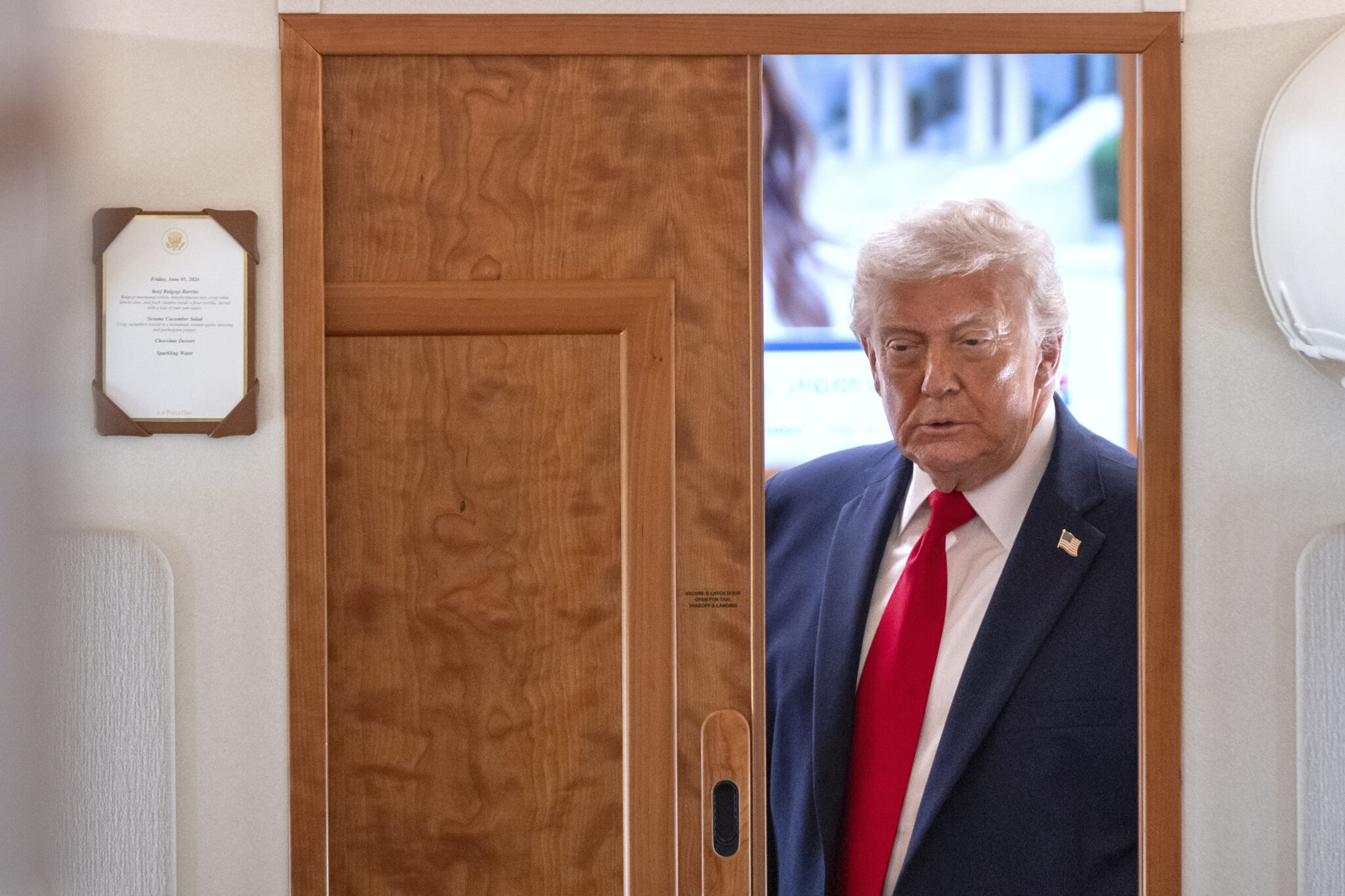
Despite the latest military exchange, President Donald Trump projected confidence that a broader agreement with Iran remains possible.
Speaking during an event with farmers in Wisconsin, Trump suggested the conflict could be resolved in the near future.
“We’re going to come out of Iran very quickly and it’s going to be very strong one way or the other, whether it’s a piece of paper or the very tough way,” Trump said.
“The very tough way is maybe the easier way, but we’re going to come out, and your fertilizer prices are going to go way down, just like they were four months ago.”
Trump acknowledged that negotiations remain difficult but insisted progress is being made.
Asked why discussions have been moving slowly, Trump told NBC’s “Meet the Press”:
“it’s a very hard thing for them,” citing their “great independence” and the fact that “they’re strong, they’re proud.”
“There are things they never thought they’d be doing that they’re going to have to do. They’ve got no choice, and it takes a little while,” he added.
The president also claimed Iran still retains a significant portion of its missile arsenal.
“Trump said the Iranians still have 21% to 22% of their missiles.”
Ceasefire Talks Remain Uncertain
The military exchange comes just days after American and Iranian negotiators reportedly reached a tentative framework to extend the current ceasefire for an additional 60 days and begin fresh discussions regarding Iran’s nuclear program.
However, negotiations remain fragile.
Trump has publicly called for modifications to the draft agreement, while Iranian officials have not formally endorsed the proposed extension.
The latest attacks have raised concerns that the already fragile ceasefire could collapse entirely if further military incidents occur.
Lebanon Fighting Threatens Regional Stability
Meanwhile, violence continued on another front connected to the broader conflict.
Israeli forces launched multiple airstrikes across southern Lebanon on Friday while issuing evacuation warnings for nine villages. Lebanese state media reported that nine people were killed across six separate strike locations.
The Israeli military also reported that two soldiers were wounded, including one seriously, during clashes with militants in southern Lebanon.
The situation in Lebanon remains closely tied to broader ceasefire efforts involving Iran. Tehran has repeatedly insisted that any lasting agreement must include developments on the Lebanese front.
US Expands Pressure Campaign on Iran
In addition to military operations, Washington intensified its economic pressure campaign.
Earlier Friday, U.S. forces boarded a sanctioned oil tanker linked to Iran in the Indian Ocean as part of ongoing efforts to limit Iranian oil revenues.
The Treasury Department also announced new sanctions targeting individuals, shipping companies, vessels, and entities connected to Iran’s energy sector.
Officials say the combined military and economic measures are intended to increase pressure on Tehran while encouraging a negotiated settlement to the conflict.