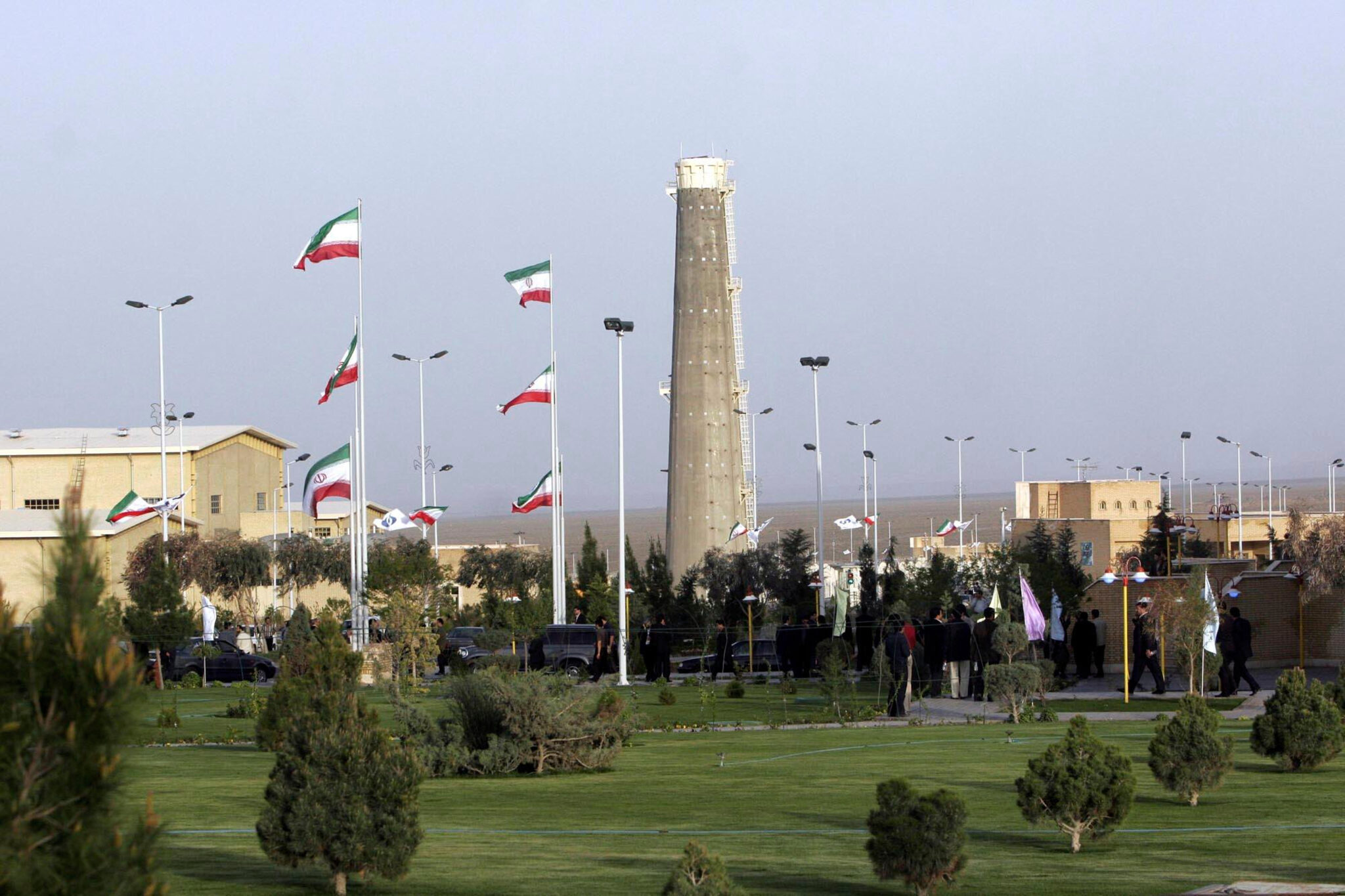
Iran’s Nuclear Aambassador: US-Israeli Airstrikes Targeted Natanz Enrichment Facility/ Newslooks/ WASHINGTON/ J. Mansour/ Morning Edition/ Iran’s ambassador to the International Atomic Energy Agency alleged that U.S.-Israeli airstrikes targeted the Natanz enrichment facility. IAEA chief Rafael Grossi said there is “no indication” nuclear sites have been hit so far. The dispute unfolds amid escalating regional conflict and heightened nuclear safety concerns.
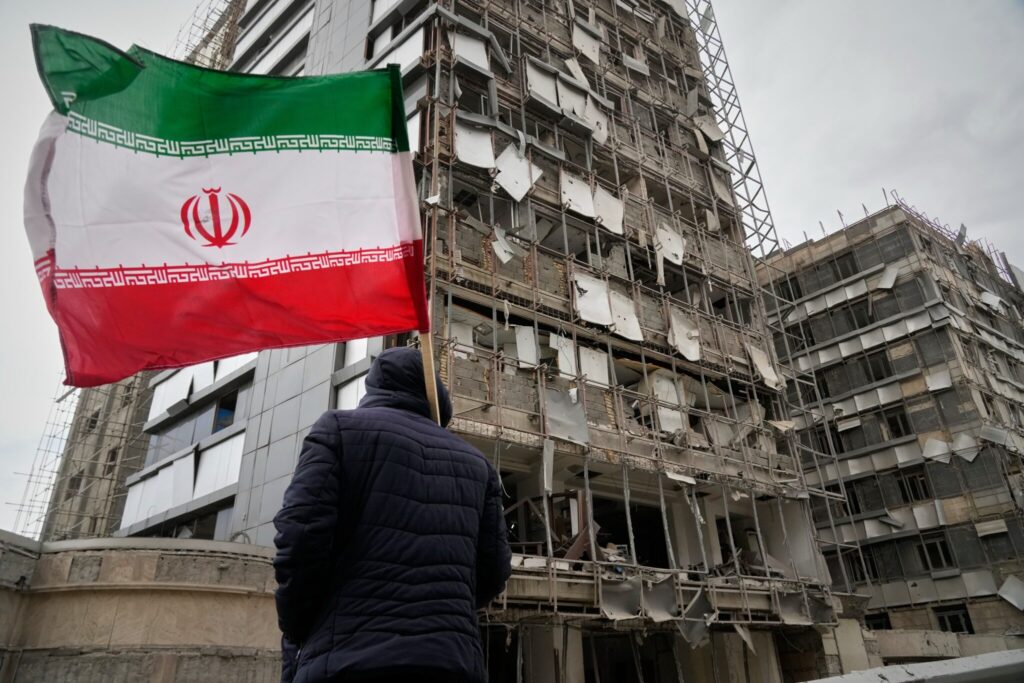
Iran Alleges Natanz Hit by US Strikes Quick Looks
- Iran claims Natanz enrichment site targeted
- IAEA says no confirmed nuclear facility damage
- Special IAEA session convened at Russia’s request
- Natanz central to Iran’s uranium enrichment
- Grossi warns of nuclear safety risks
- Communication with Iranian regulators disrupted
- No abnormal radiation detected in region
- Iran condemns strikes as unlawful and criminal
Deep Look: Iran Alleges Natanz Hit by US-Israeli Airstrikes as IAEA Disputes Damage Claims
VIENNA — Iran’s ambassador to the United Nations nuclear watchdog alleged Monday that U.S. and Israeli airstrikes struck the country’s key Natanz uranium enrichment facility, a claim directly challenged by the head of the International Atomic Energy Agency (IAEA).
Speaking at IAEA headquarters in Vienna during a special session of the agency’s 35-member Board of Governors, Iran’s envoy Reza Najafi said the Natanz site was among the targets of the recent joint military campaign.
“Again they attacked Iran’s peaceful safeguarded nuclear facilities yesterday,” Najafi told reporters. “Their justification that Iran wants to develop nuclear weapons is simply a big lie.”
When pressed on which facility he was referencing, Najafi specifically identified Natanz — Iran’s primary uranium enrichment complex located roughly 220 kilometers (135 miles) south of Tehran.
IAEA Says No Evidence of Nuclear Facility Damage
IAEA Director-General Rafael Mariano Grossi offered a sharply different assessment.
Addressing the same emergency meeting — convened at Russia’s request — Grossi said that “up to now” the agency has “no indication” that any Iranian nuclear installations have been hit.
He cited key sites including:
- The Bushehr Nuclear Power Plant
- The Tehran Research Reactor
- Other nuclear fuel cycle facilities
Grossi noted that communication with Iranian nuclear regulatory authorities has been disrupted due to the conflict, limiting the agency’s ability to independently verify conditions on the ground. The IAEA’s Incident and Emergency Center has attempted to make contact but has not yet received a response.
Importantly, Grossi stated that no abnormal radiation levels have been detected in countries neighboring Iran.
Why Natanz Matters
The Natanz facility plays a central role in Iran’s nuclear program. It includes both above-ground and underground facilities where advanced centrifuges have enriched uranium to levels as high as 60% purity — a short technical step from the 90% required for weapons-grade material.
Before the current conflict, the IAEA reported that Iran maintained significant quantities of enriched uranium at the site.
Natanz has been targeted before. In June during a previous 12-day conflict between Iran and Israel, Israeli airstrikes severely damaged the above-ground Pilot Fuel Enrichment Plant, rendering it “functionally destroyed,” according to Grossi. Subsequent U.S. bunker-busting strikes reportedly targeted underground centrifuge halls.
The renewed allegation of damage raises fresh concerns about nuclear safety and regional stability.
Escalating Rhetoric at the IAEA
Najafi sharply criticized U.S. President Donald Trump, accusing Washington of using “deception and disinformation” to justify military intervention.
He described the airstrikes as “unlawful, criminal and brutal” and urged IAEA member states to “categorically condemn” the attacks.
Najafi also dismissed U.S. claims that the strikes are linked to concerns over Iran’s nuclear weapons ambitions, characterizing such arguments as fabricated.
Grossi, while refraining from political commentary, stressed the risks inherent in conducting military operations near nuclear infrastructure.
“Iran and other countries in the region have operational nuclear power plants and research reactors,” he warned, adding that military escalation increases the threat to nuclear safety and security.
Nuclear Safety Concerns in Wartime
The IAEA has repeatedly cautioned against strikes on nuclear facilities, noting that damage to enrichment sites, reactors, or fuel storage installations could result in radioactive releases and humanitarian consequences.
Thus far, monitoring systems have not detected elevated radiation levels beyond normal background readings in neighboring countries — an encouraging sign amid fears of potential environmental fallout.
However, with communications disrupted and hostilities ongoing, independent verification remains difficult.
Diplomatic and Geopolitical Implications
The conflicting accounts between Iran and the IAEA reflect broader tensions over transparency and accountability in the escalating conflict between Iran, Israel, and the United States.
If confirmed, damage to Natanz would represent a major development in the war, potentially deepening international alarm and further destabilizing the region.
For now, the nuclear watchdog maintains that there is no verified evidence of strikes directly impacting safeguarded nuclear facilities.
As fighting continues and diplomatic channels strain under pressure, the status of Iran’s nuclear infrastructure remains a focal point of global concern.