Trump Delays Iran Strike Until April 6 After Oil Markets Rattle/ Newslooks/ WASHINGTON/ J. Mansour/ Morning Edition/ President Donald Trump delayed military action against Iran after markets dropped sharply. The decision follows Iran’s continued restriction of the Strait of Hormuz. Troop deployments continue even as the White House signals diplomatic progress.
Trump Iran Strike Delay + Quick Looks
- Trump delays strike deadline until April 6
- Iran restricting access to Strait of Hormuz
- Markets fall amid escalating conflict concerns
- U.S. stocks suffer biggest losses since war began
- Pakistan mediating 15-point peace proposal
- U.S. deploying additional troops to Middle East
- Oil prices rise globally amid shipping disruptions
- Diplomacy continues alongside military buildup
Deep Look: Trump Delays Iran Strike After Markets React
WASHINGTON — President Donald Trump delayed potential military action against Iran on Thursday, giving Tehran additional time to reopen the Strait of Hormuz, as financial markets reacted sharply to escalating tensions in the Middle East. The move marked the latest shift in Trump’s evolving strategy toward Iran amid growing economic and geopolitical pressure.
Trump announced that he would extend the deadline for Iran to reopen the key oil shipping route until April 6, citing ongoing diplomatic discussions. He said talks aimed at ending the conflict were progressing positively, even as Iranian officials publicly denied direct negotiations with the United States.
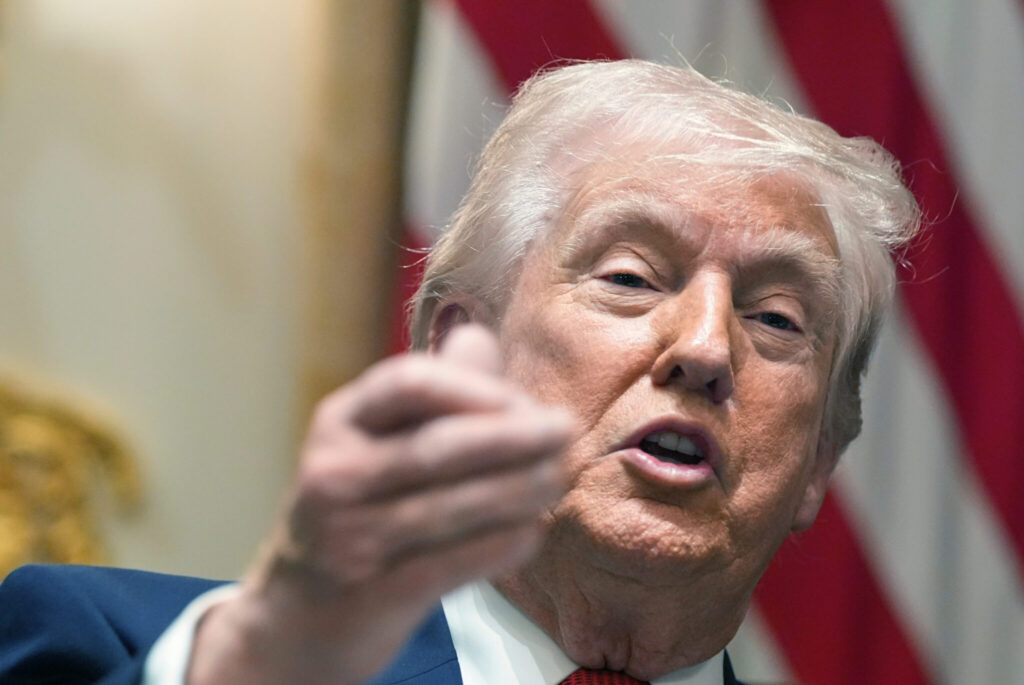
“They asked for seven days,” Trump said during an appearance on Fox News Channel’s The Five. “And I said, ‘I’m going to give you 10.’”
The announcement came after a volatile day on Wall Street, where U.S. stocks recorded their largest declines since the conflict with Iran began. The S&P 500 dropped 1.7%, the Dow Jones Industrial Average fell 469 points, and the Nasdaq composite plunged 2.4%, slipping more than 10% below its record high earlier this year.
Trump initially threatened over the weekend to target Iran’s energy infrastructure if Tehran failed to reopen the Strait of Hormuz within 48 hours. However, he soon backed away from that timeline, extending the deadline after Asian markets reacted negatively. Thursday’s extension marked the second time the administration postponed potential military action following market turbulence.
The situation follows a familiar pattern in Trump’s economic and foreign policy decisions. Last year, the president halted aggressive tariffs after a major stock market selloff, underscoring how financial market reactions can influence White House strategy.
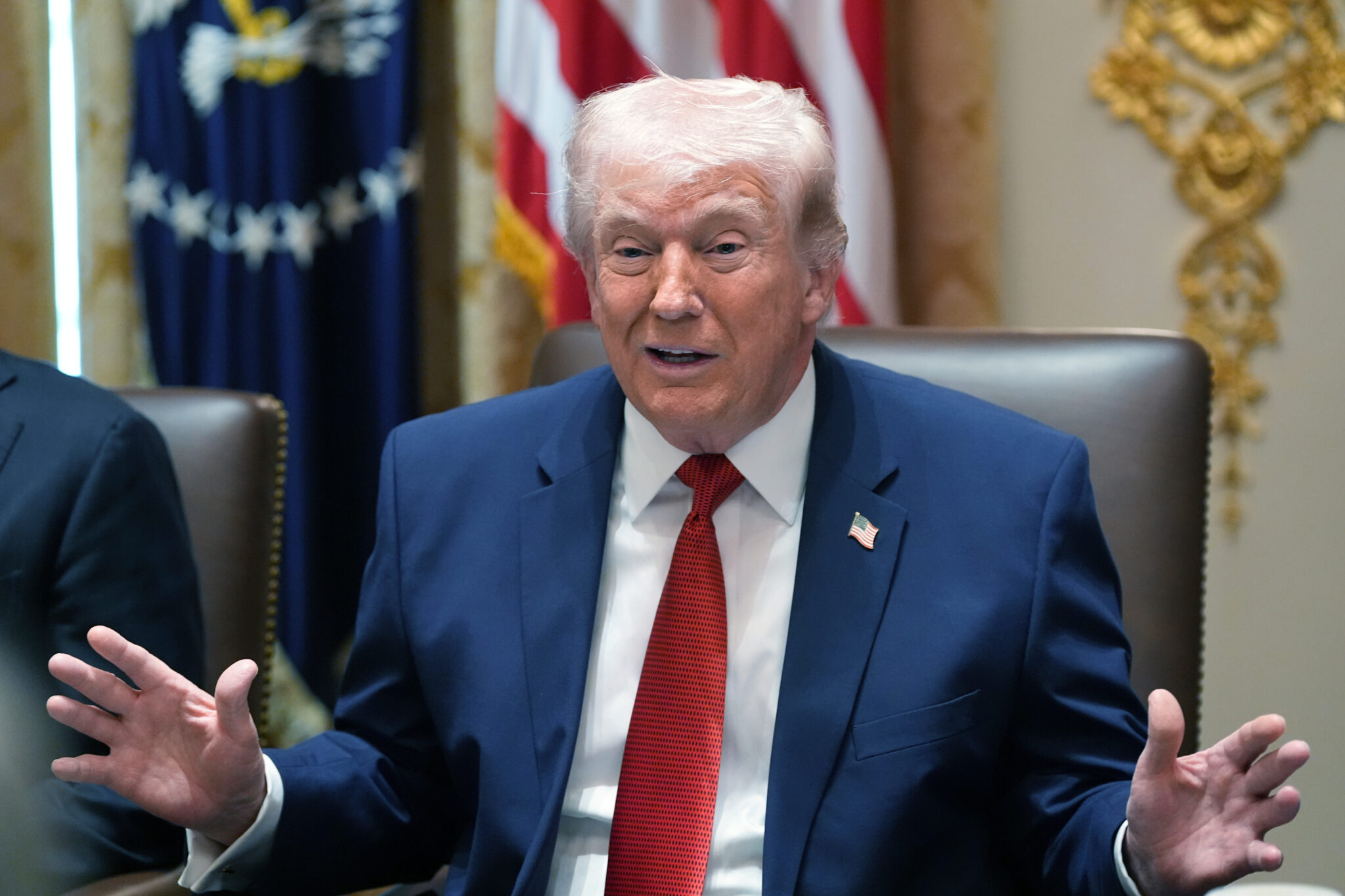
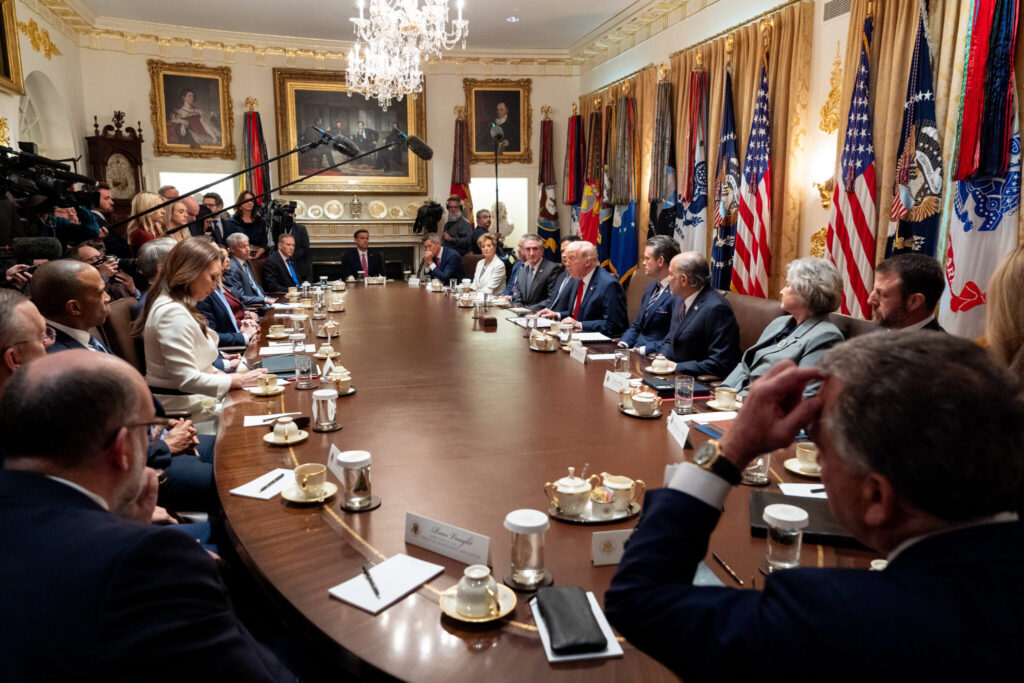
Despite the shifting timelines, Trump rejected suggestions that the administration lacked a clear endgame. Speaking during a Cabinet meeting, he insisted Iran had already been “decisively defeated” and said diplomatic progress was underway.
“We have very substantial talks going on with respect to Iran — with the right people,” Trump said.
Iran, however, has taken a confrontational stance. Tehran warned that any attack on its energy infrastructure could trigger retaliation targeting critical regional assets, including desalination plants that supply drinking water across the Middle East.
Iran has also tightened control over the Strait of Hormuz, effectively creating what officials described as a “toll booth” for tankers moving through the narrow waterway. Approximately 20% of the world’s oil supply passes through the strait daily, making it one of the most strategically important chokepoints in global energy markets.
The uncertainty surrounding Trump’s red line has unsettled investors worldwide. Financial markets have fluctuated as traders attempt to assess whether the conflict will escalate into broader military action or move toward diplomatic resolution.
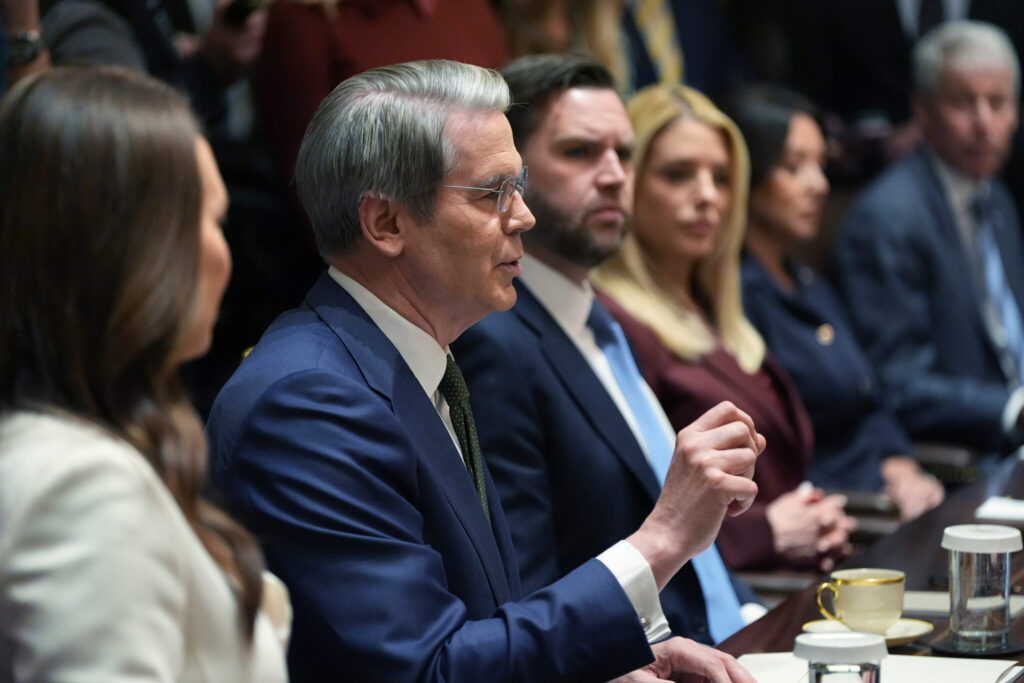
Earlier Thursday, Trump said he would base his decision on updates from negotiators, including envoy Steve Witkoff, son-in-law Jared Kushner, and Vice President JD Vance. Trump also urged Iranian negotiators to move quickly.
“Iran is begging for a deal,” Trump said, while warning Tehran to “get serious soon, before it’s too late.”
Witkoff echoed optimism about diplomatic progress, telling Cabinet officials that the administration had received “strong signs” that peace may be possible. He described Iran as looking for an “off-ramp” following Trump’s threats against Iranian power plants.
Meanwhile, the administration has attempted to downplay economic fallout from the conflict. Trump suggested oil price increases and market declines were less severe than expected.
“I thought the oil prices would go up more and I thought the stock market would go down more,” Trump said, adding that investors may have confidence in U.S. leadership.
However, energy analysts note that global oil prices have risen significantly since the conflict began. U.S. gasoline prices have climbed more than $1 per gallon over the past month, reflecting the global nature of oil markets.
Treasury Secretary Scott Bessent accused Iran of trying to “take control of the global economy” by restricting shipping through the Strait of Hormuz. However, analysts emphasize that the waterway remains vital to global energy supply, particularly for Asian markets.
Even as diplomatic efforts continue, the Pentagon is preparing for potential escalation. The Defense Department is planning to deploy at least 1,000 troops from the Army’s 82nd Airborne Division to the region. This deployment would add to approximately 5,000 Marines already being repositioned to the Middle East, in addition to roughly 50,000 U.S. troops currently stationed in the region.
The troop buildup has fueled speculation that the United States could prepare limited ground operations to secure the Strait of Hormuz or capture Kharg Island, a major Iranian oil export hub.
Defense experts warn that while such operations are feasible, they could lead to prolonged conflict.
“Yes, we could do it, but the question isn’t can we do it — it’s should we do it,” said Mick Mulroy, a former deputy assistant secretary of defense. He emphasized diplomacy as the preferred path forward.
Trump also pointed to signs of potential progress, noting that Iran had allowed several Pakistan-flagged tankers to pass through the strait — something he described as a possible goodwill gesture.
“Well, I guess we’re dealing with the right people,” Trump said.
As diplomatic efforts continue alongside military preparations, the conflict remains fluid, with global markets, energy prices, and geopolitical stability all closely tied to developments in the Strait of Hormuz.