Trump-Xi Talks to Focus on Trade While Iran Tensions Simmer/ Newslooks/ WASHINGTON/ J. Mansour/ Morning Edition/ President Donald Trump and Chinese President Xi Jinping appear determined to keep disputes over the Iran war from derailing their upcoming summit in Beijing. Both leaders are balancing tensions involving trade, sanctions, oil shipments, and geopolitical influence in the Middle East. Despite disagreements over Iran, Washington and Beijing are seeking to avoid another damaging trade war and broader economic instability.
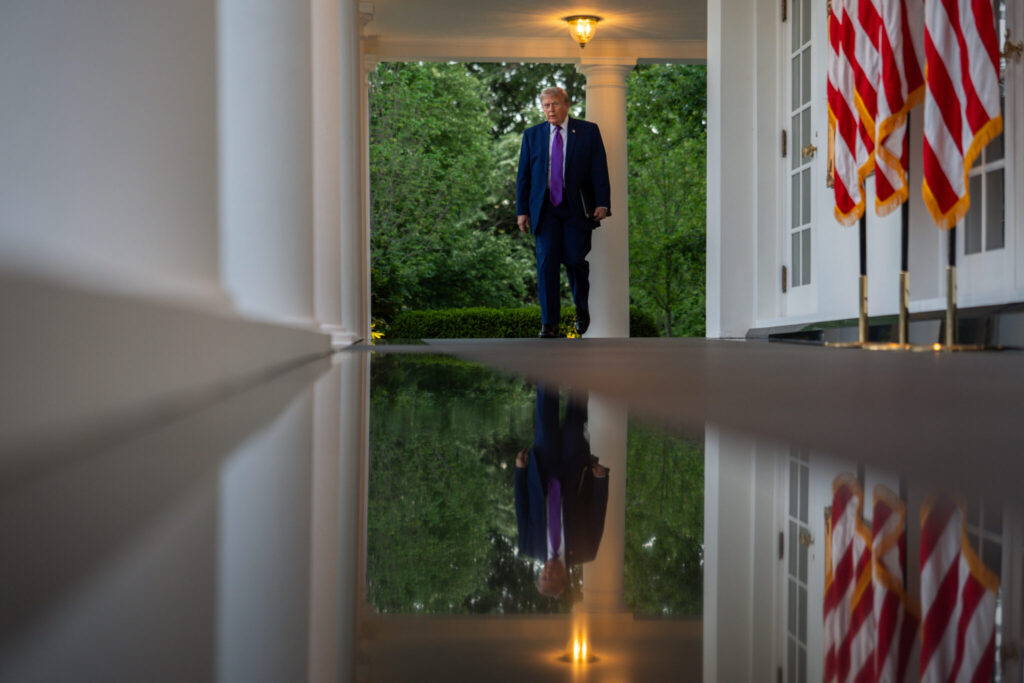
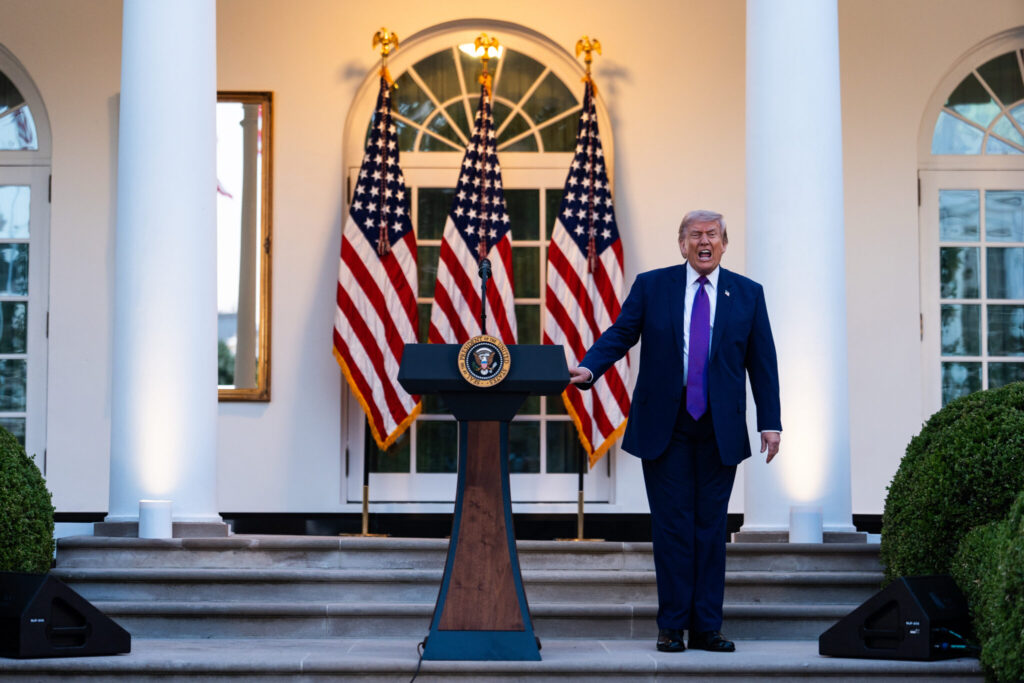
Trump Xi China Summit Quick Looks
- Trump departs for Beijing to meet Xi Jinping
- Iran war tensions remain a major source of friction
- The White House lowered expectations for major breakthroughs on Iran
- China opposes US sanctions tied to Iranian oil and shipping
- Marco Rubio urged China to help reopen the Strait of Hormuz
- Trump and Xi want to avoid another trade war escalation
- China remains heavily dependent on Middle Eastern energy imports
- Taiwan, tariffs, and fentanyl exports are also expected topics

Deep Look
Trump and Xi Seek Stability Despite Iran Tensions
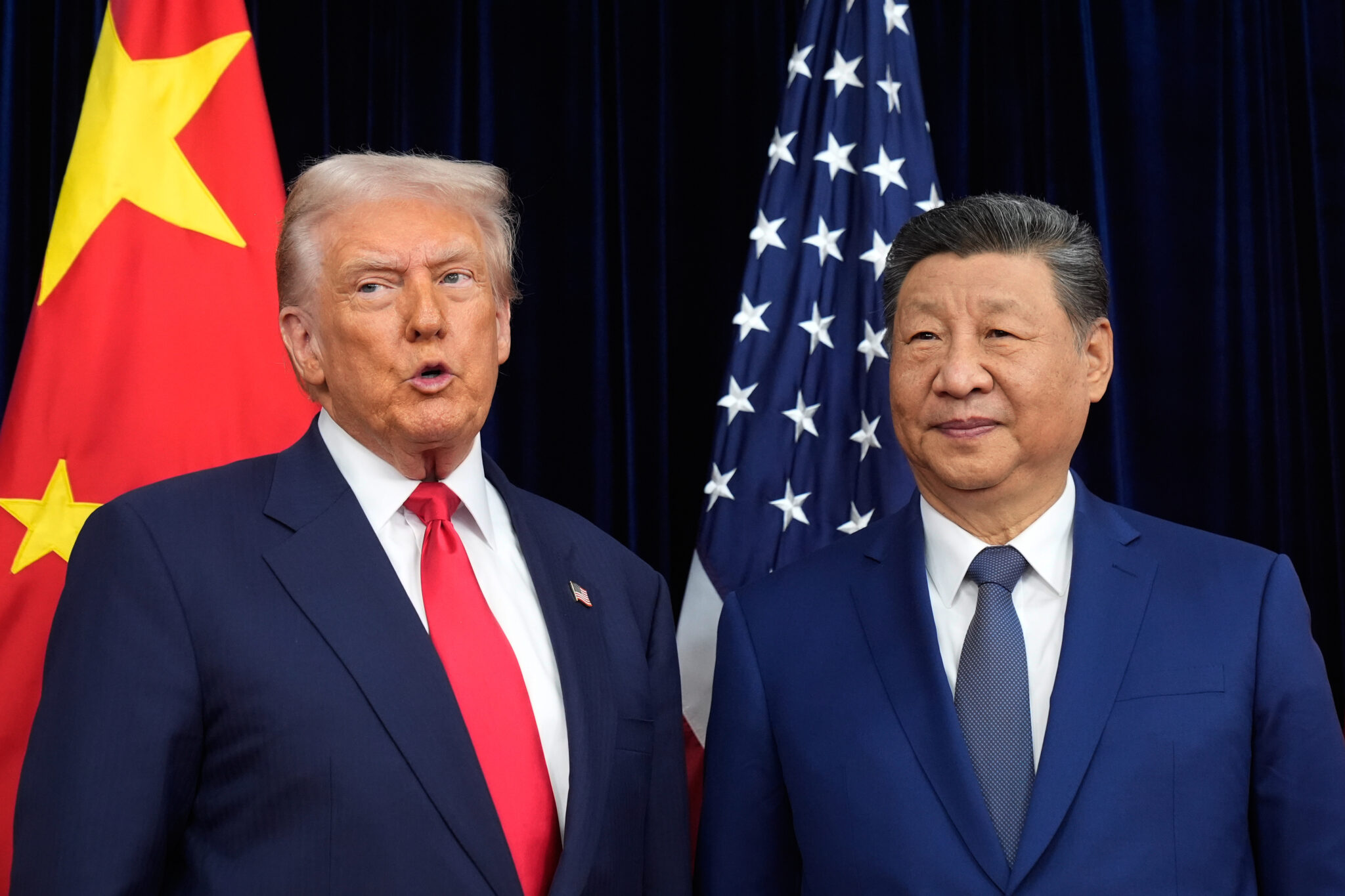
President Donald Trump and Chinese President Xi Jinping are preparing for a high-stakes summit in Beijing while attempting to prevent growing disagreements over the Iran war from overwhelming broader U.S.-China relations.
Trump departs Tuesday for meetings with Xi after weeks of unsuccessfully pressuring Beijing to use its economic influence over Iran to help end the conflict or reopen the Strait of Hormuz.
The White House has increasingly acknowledged that China is unlikely to fully align with U.S. demands regarding Tehran.
Instead, administration officials are now emphasizing the importance of protecting broader diplomatic and economic ties between Washington and Beijing even as disagreements over Iran continue intensifying.
White House Lowers Expectations on Iran
Trump has publicly expressed frustration that China — one of Iran’s largest oil buyers — has not done more to pressure Tehran during the conflict.
At the same time, the administration has also acknowledged that Beijing quietly helped stabilize ceasefire negotiations last month when tensions escalated.
Ahead of the summit, U.S. Trade Representative Jamieson Greer signaled that the White House wants to avoid allowing Iran-related disputes to derail progress in other areas.
“We don’t want this to be something that derails the broader relationship or the agreements that might come out of our meeting in Beijing,” Greer said.
The summit is expected to cover trade, fentanyl exports, tariffs, Taiwan, energy security, and broader geopolitical competition between the two superpowers.
China Balances Iran Ties and Economic Risks
China has attempted to carefully balance its support for Iran with its desire to avoid becoming directly entangled in the conflict.
Beijing publicly says it wants the war to end and has reportedly worked behind the scenes with Pakistan to encourage peace negotiations.
According to analysts, Chinese officials have also privately expressed dissatisfaction with Iran’s closure of the Strait of Hormuz because of the economic disruption it has caused.
“They are very cautious, risk averse, and they don’t want to be involved in anything that would drag them into something that they don’t consider their problem,” said Ahmed Aboudouh of Chatham House.
China relies heavily on Middle Eastern energy supplies.
According to Chinese customs data, roughly half of China’s crude oil imports and nearly one-third of its liquefied natural gas imports come from countries affected by disruptions in the region.
US Increases Pressure Through Sanctions
As diplomatic talks continue, the Trump administration has simultaneously escalated economic pressure on China and Iran.
The State Department recently announced sanctions against four entities — including three Chinese firms — accused of supplying satellite imagery that allegedly helped Iranian military operations targeting U.S. forces.
The Treasury Department also sanctioned Chinese oil refineries and shipping companies accused of handling Iranian oil exports.
The measures effectively block the targeted firms from the U.S. financial system and penalize international companies conducting business with them.
Beijing condemned the sanctions as “illegal unilateral pressure” and responded by activating a blocking statute first adopted in 2021.
The rarely used law prohibits Chinese entities from complying with foreign sanctions viewed as harmful to China’s interests.
Kuwait Accuses Iran of Failed Attack
Adding to regional tensions, Kuwait accused Iran on Tuesday of attempting an armed operation earlier this month targeting an island hosting a China-funded port project.
According to Kuwaiti officials, an Iranian Revolutionary Guard team allegedly launched a failed attack on the strategically important location.
Iran did not immediately respond publicly to the accusations.
The allegation further complicates China’s position because Beijing has invested heavily in Middle Eastern infrastructure projects connected to its global Belt and Road Initiative.
Trump and Xi Also Want to Avoid Trade War
Despite geopolitical tensions, both Washington and Beijing appear eager to avoid returning to the severe trade confrontations that threatened global markets last year.
In 2025, Trump imposed tariffs reaching as high as 145% on Chinese goods while China responded with expanded restrictions on rare-earth exports critical to American industry.
The two countries later negotiated a fragile trade truce in October after fears grew that a full-scale economic conflict could severely damage both economies.
Analysts say Xi especially wants to maintain predictable trade conditions as China’s economy continues facing slower growth and domestic challenges.
“(Xi) wants the summit to validate China’s superpower status, preserve the tariff predictability, and to reaffirm that Washington has to deal with Beijing on Beijing’s terms,” said Craig Singleton of the Foundation for Defense of Democracies.
Trump has also emphasized that the economic fallout from the Strait of Hormuz closure hurts China far more than the United States because of America’s lower dependence on Middle Eastern oil.
Previous Tensions Nearly Escalated Further
Relations between Trump and Xi have already faced several dangerous moments during the Iran conflict.
U.S. officials have long accused China of supporting Iran’s ballistic missile program through dual-use industrial exports.
Last month, Trump threatened to impose an additional 50% tariff on Chinese goods after reports surfaced that Beijing could send advanced air defense systems to Iran.
Trump later backed away from the threat, claiming Xi provided written assurances that China would not transfer weapons to Tehran.
Days later, Trump made cryptic remarks suggesting the U.S. Navy intercepted a Chinese vessel carrying a mysterious “gift” intended for Iran, though he provided no additional details.
China Remains Reluctant to Deepen Involvement
Despite U.S. pressure, analysts say Beijing remains hesitant to become deeply involved in resolving the Iran conflict.
China appears focused primarily on protecting its economic interests while avoiding the political and military risks associated with direct intervention.
“It will be difficult to get the Chinese deeply involved under any circumstances,” said Kurt Campbell, former deputy secretary of state during the Biden administration. “They will want to be careful because they can see political quicksand as well as the next guy.”
As Trump and Xi prepare for face-to-face talks in Beijing, both leaders are attempting to navigate one of the most complex and fragile periods in modern U.S.-China relations.