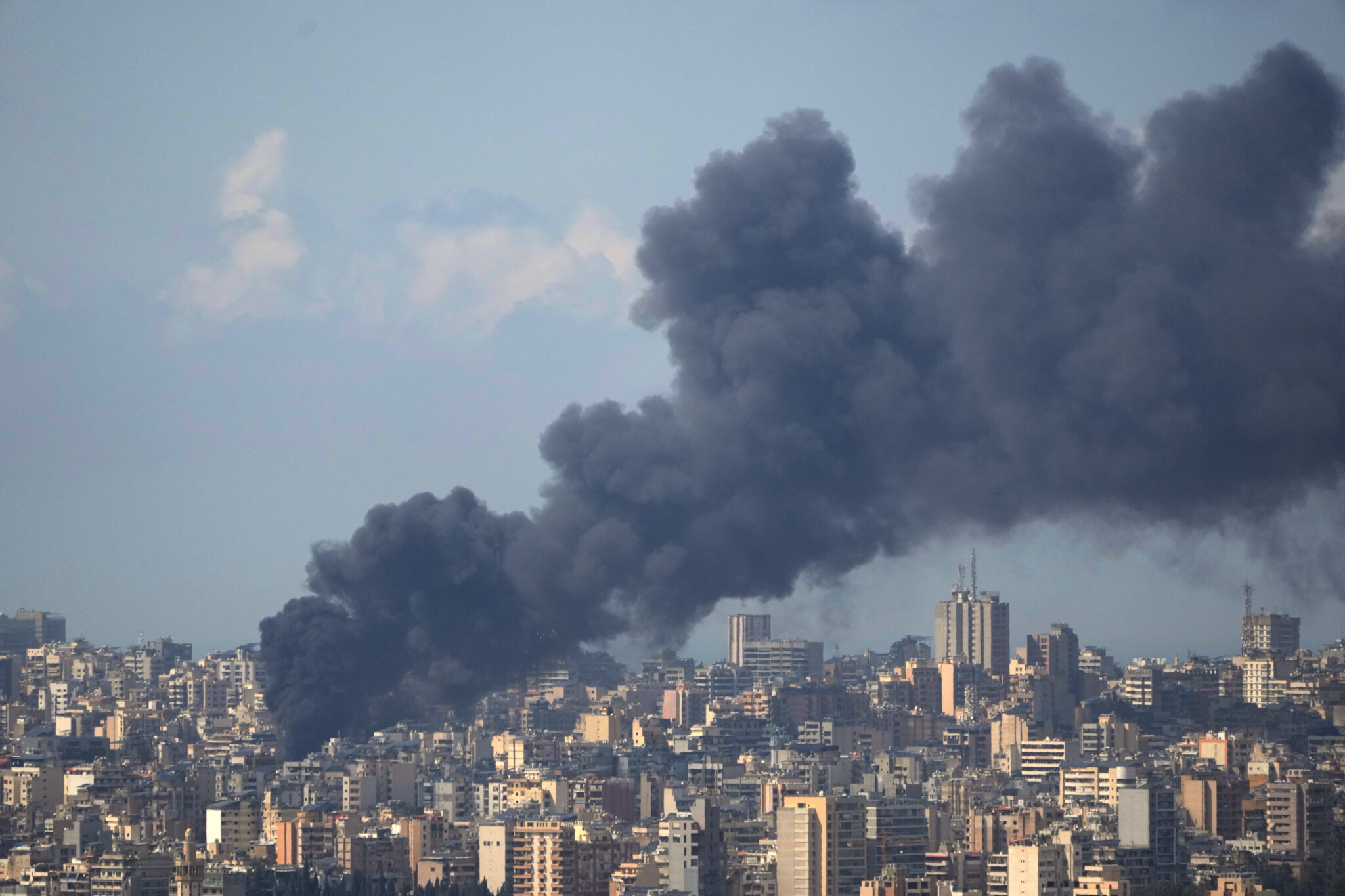
Israel Launches Major Beirut Strikes Without Warning After Iran Ceasefire/ Newslooks/ WASHINGTON/ J. Mansour/ Morning Edition/ Israel launched major strikes in central Beirut hours after the Iran ceasefire. Israel said the truce does not apply to Hezbollah in Lebanon. More than 100 targets were hit in a coordinated assault.
Israel Beirut Strikes Quick Looks
- Israel strikes central Beirut without warning
- More than 100 Hezbollah targets hit
- Iran ceasefire does not include Lebanon
- Apartment buildings and commercial areas struck
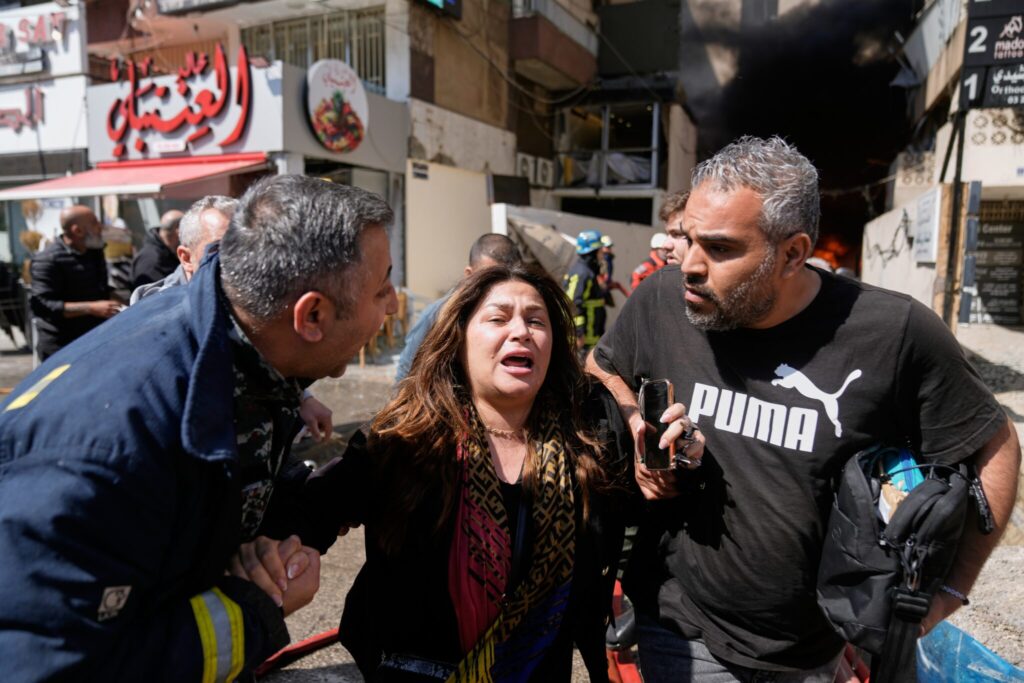
- Ambulances rushed to multiple blast sites
- Over 1 million displaced in Lebanon
- Hezbollah signals conditional ceasefire stance
- Israel continues ground operations in Lebanon
- Smoke rises over Beirut skyline
- Civilian casualties unclear
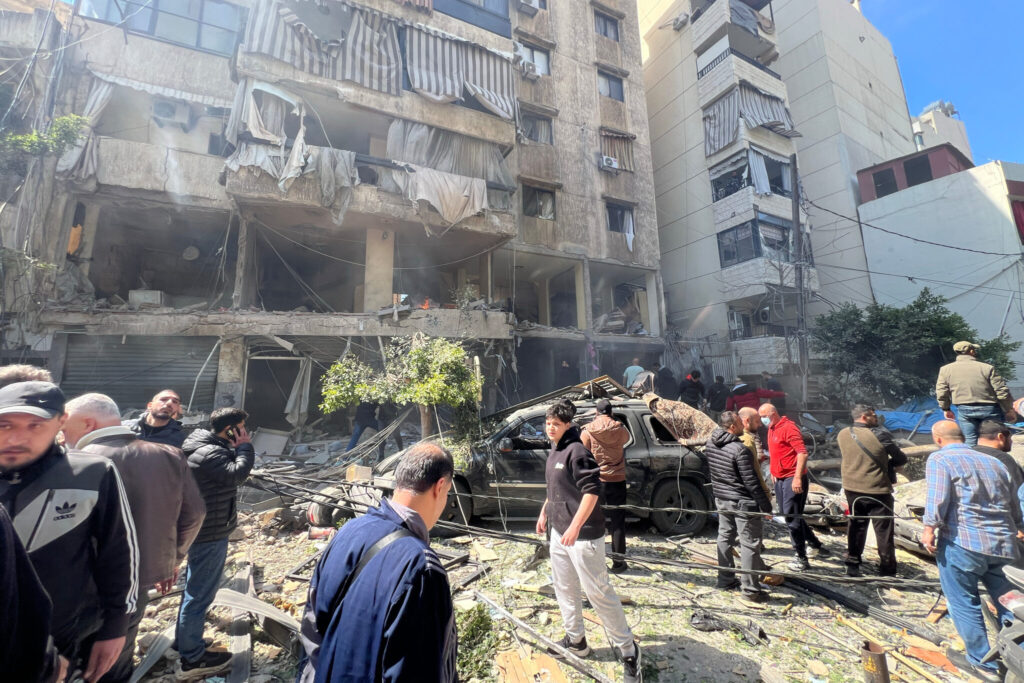
Deep Look: Israel Launches Major Beirut Strikes After Iran Ceasefire
BEIRUT — Israeli airstrikes hit densely populated areas in central Beirut Wednesday afternoon without warning, just hours after a ceasefire was announced in the U.S.-Israeli conflict with Iran.
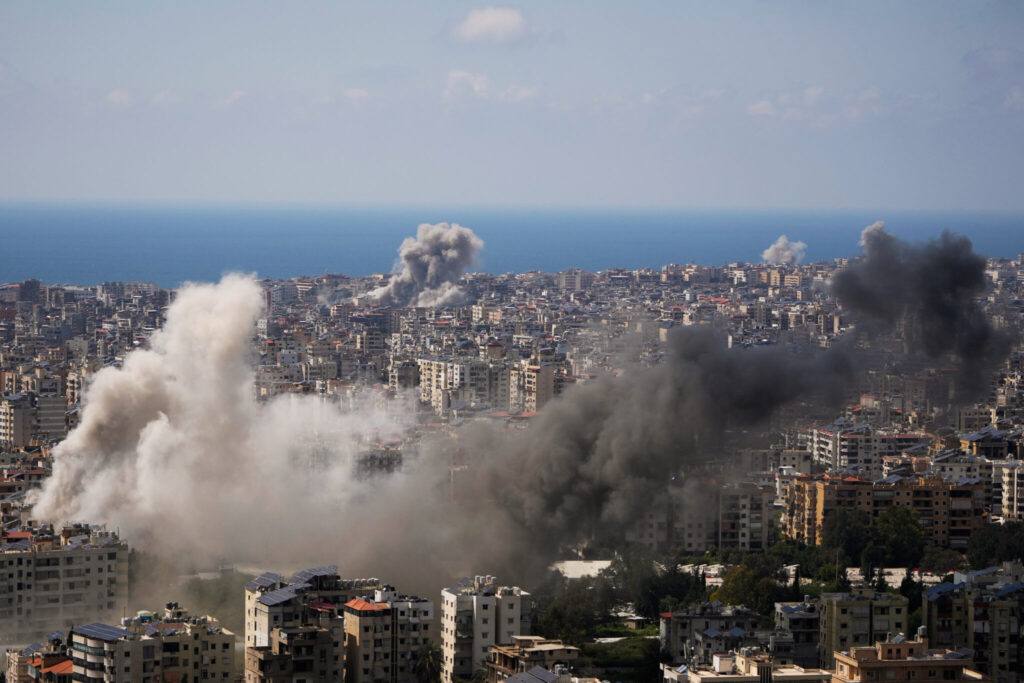
The Israeli military described the attack as the largest coordinated strike of the current war, targeting more than 100 Hezbollah-linked sites across Beirut, southern Lebanon, and the eastern Bekaa Valley within 10 minutes.
Israel has maintained that the ceasefire with Iran does not apply to its ongoing war with Hezbollah in Lebanon. However, Pakistan, which helped mediate the Iran ceasefire, had indicated the truce might extend to Lebanon as well.
Explosions Rock Central Beirut
Black smoke rose over central Beirut as explosions struck commercial districts and residential neighborhoods.
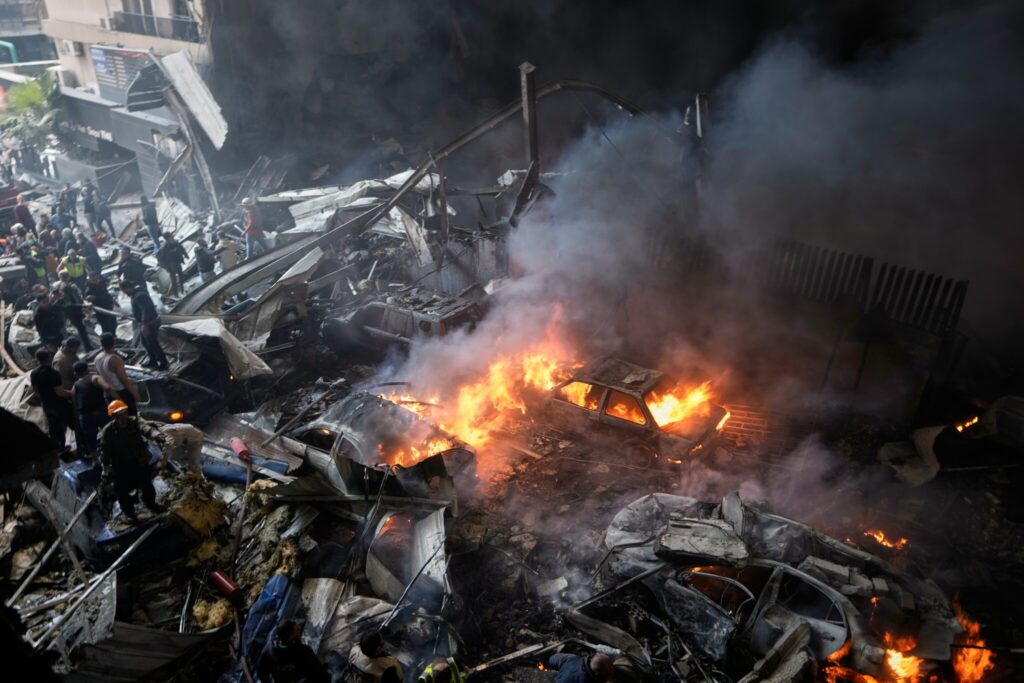
Witnesses described ambulances racing through crowded streets while emergency responders searched through damaged buildings and burned vehicles. At least one apartment building was hit, and panic spread across the capital as blasts echoed through the city.
The Israeli military said it targeted missile launchers, intelligence infrastructure, and command centers used by Hezbollah. Officials also accused Hezbollah of operating within civilian areas and using residents as human shields.
“The State of Lebanon and its civilians must refuse Hezbollah’s entrenchment in civilian areas,” the Israeli military said in a statement.
Rare Strikes in Central Beirut
Israel has rarely targeted central Beirut since fighting escalated earlier this year, focusing instead on southern Lebanon, eastern regions, and Beirut’s southern suburbs.
The strikes Wednesday marked a significant escalation, hitting heavily populated areas of the capital.
Casualty figures were not immediately available, but several of the strikes occurred in busy commercial areas, raising concerns about civilian deaths and injuries.
Hezbollah Signals Conditional Response
Before the strikes, a Hezbollah official told The Associated Press the group was willing to give mediators time to secure a ceasefire in Lebanon but had not formally agreed to halt fighting.
The official also warned Hezbollah would not accept a return to the pre-war status quo, when Israel conducted frequent strikes despite a ceasefire.
“We will not accept for the Israelis to continue behaving as they did before this war,” the official said.
Humanitarian Crisis Deepens
The Israel-Hezbollah conflict has already caused significant destruction across Lebanon.
- More than 1,530 people killed
- Over 100 women and 130 children among casualties
- More than 1 million displaced
Many displaced families had begun packing to return home following news of the Iran ceasefire.
However, Israeli Prime Minister Benjamin Netanyahu’s statement that operations in Lebanon would continue left many uncertain about returning.
Families Left in Limbo
At a displacement camp along Beirut’s waterfront, families expressed confusion and fear after conflicting announcements.
Fadi Zaydan, 35, said his family had prepared to return to their home in southern Lebanon before the strikes resumed.
“We can’t take this anymore — sleeping in a tent, not showering, the uncertainty,” he said.
After the renewed attacks, his family decided to remain in Sidon rather than risk returning home.
Regional Conflict Continues
The Lebanon conflict escalated after Hezbollah fired missiles following U.S. and Israeli strikes on Iran. Israel responded with widespread airstrikes and a ground invasion.
Despite the ceasefire with Iran, the fighting in Lebanon appears likely to continue, raising fears of prolonged regional instability.