

Rubio Says Proposed Saudi Nuclear Deal Will Not Fuel Proliferation/ Newslooks/ WASHINGTON/ J. Mansour/ The Trump administration could sign a 30-year nuclear agreement with Saudi Arabia that may allow the kingdom to develop uranium enrichment capability. Secretary of State Marco Rubio said the United States would not approve any deal that creates a proliferation risk. Nuclear experts and some lawmakers remain concerned about safeguards, congressional oversight and the possibility of future weaponization.
Quick Look
- A U.S.-Saudi nuclear agreement could be signed as early as Wednesday.
- Two people familiar with the decision confirmed details to the Associated Press.
- The deal could permit a Saudi uranium enrichment facility after a joint study.
- Rubio said the United States would not sign an agreement that risks nuclear proliferation.
- The deal reportedly will not include the IAEA’s Additional Protocol.
- The agreement is expected to last 30 years and involve American companies.
- Congress is expected to review the arrangement.
- Experts warn that enrichment could create a pathway toward weaponization.
- Saudi Arabia has a mutual defense agreement with nuclear-armed Pakistan.
- The White House, Saudi officials and the Energy Department had not publicly commented.
Deep Look
US-Saudi Nuclear Deal Could Be Signed Soon
WASHINGTON — The Trump administration is expected to sign a civilian nuclear cooperation agreement with Saudi Arabia as early as Wednesday, according to two people familiar with the decision.
The sources, who were not authorized to discuss the agreement publicly, said it could eventually allow Saudi Arabia to build a uranium enrichment facility after a joint American-Saudi study.
The agreement is expected to last 30 years and involve U.S. companies in developing the kingdom’s commercial nuclear power industry.
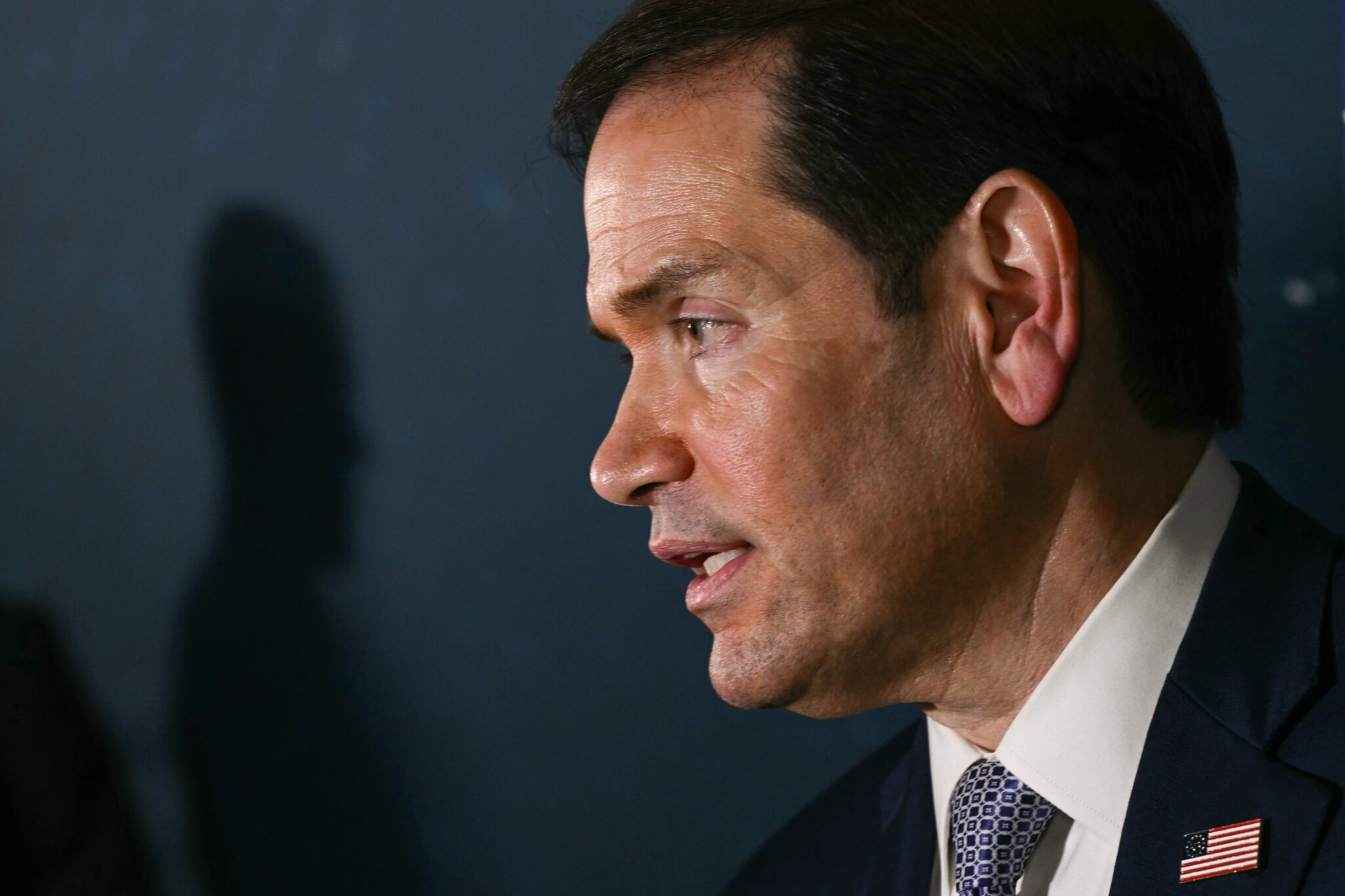
Secretary of State Marco Rubio did not confirm the pending announcement but rejected concerns that an American agreement could encourage nuclear proliferation.
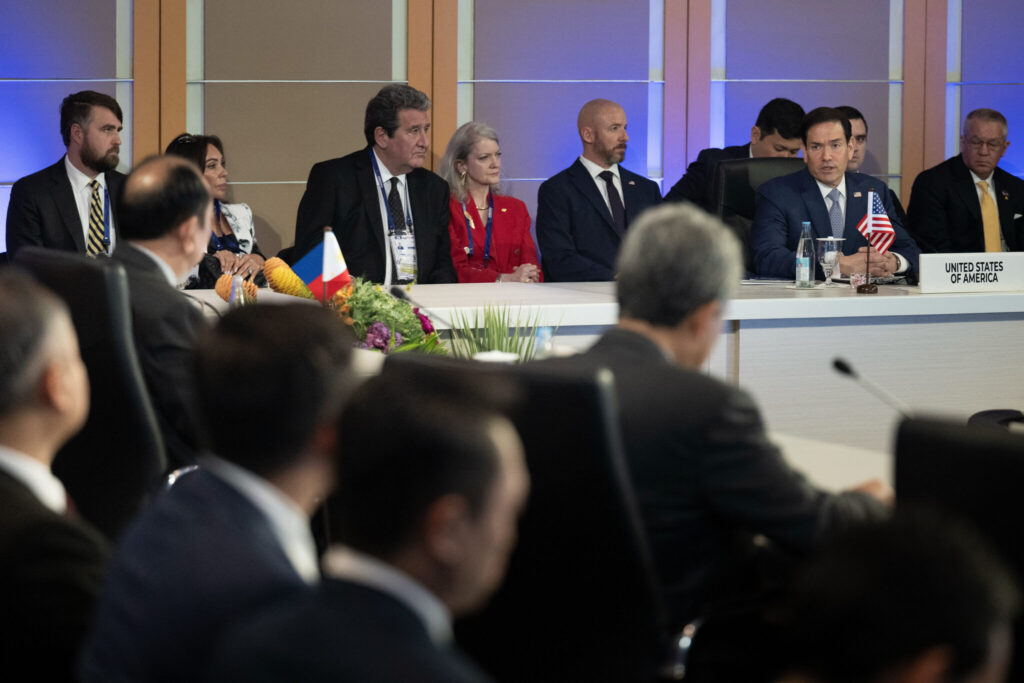
“The U.S. is not going to reach any agreement with any country in the world that leads to the risk of proliferation,” Rubio told reporters while traveling in the Philippines.
Enhanced IAEA Safeguards Reportedly Excluded
The agreement is not expected to require Saudi Arabia to adopt the International Atomic Energy Agency’s Additional Protocol, according to one person familiar with the decision.
The protocol gives international inspectors expanded authority to monitor, inspect and verify nuclear activities. It is intended to help detect undeclared nuclear materials or facilities.
The reported absence of those safeguards is likely to become a central issue as Congress reviews the agreement.
The White House, Saudi officials in Riyadh and the U.S. Department of Energy did not respond to multiple requests for comment. The Wall Street Journal first reported the expected decision.
Expert Calls Deal a Major Policy Shift
Alexander Bollfrass, a nuclear specialist at the International Institute for Strategic Studies in London, described the agreement as “a revolutionary new approach” to American nonproliferation policy.
“The revolutionary aspect of this agreement is that the United States is not asking Saudi Arabia to abide by the highest possible safeguards, internationally monitored safeguards that are standard and are available today, but instead is willing to at least theoretically transfer highly sensitive technology without the same level of oversight that one would expect,” Bollfrass said.
Both Trump and former President Joe Biden sought an agreement that would allow Saudi Arabia to acquire American civilian nuclear technology.
Enrichment Raises Weaponization Concerns
Producing enriched uranium does not automatically give a country a nuclear weapon. A weapons program would require additional expertise, including the ability to design a warhead and use synchronized high explosives.
However, enrichment provides technology and material that can create a pathway toward weaponization.
Nonproliferation experts warn that operating centrifuges inside Saudi Arabia could provide the foundation for a future weapons program.
Crown Prince Mohammed bin Salman, the kingdom’s de facto leader, has previously suggested Saudi Arabia could seek a nuclear weapon if Iran obtains one.
Iran War Adds to Regional Nuclear Tensions
The expected agreement comes during the war against Iran launched by the United States and Israel, in part to prevent Tehran from developing a nuclear weapon.
Iran insists that its enrichment program serves peaceful purposes.
Washington and other Western governments have long viewed Iran’s uranium enrichment as a proliferation danger. The prospect of permitting enrichment in Saudi Arabia is therefore expected to generate questions about U.S. nuclear policy in the region.
Saudi Arabia Strengthens Ties With Pakistan
Saudi Arabia has signed a mutual defense pact with Pakistan, which possesses nuclear weapons.
The agreement followed an Israeli attack in Qatar targeting Hamas officials. Pakistan’s defense minister subsequently said the country’s nuclear program “will be made available” to Saudi Arabia if necessary.
The statement was interpreted as a warning to Israel, which is widely believed to possess the Middle East’s only nuclear arsenal.
UAE Agreement Set a Different Standard
The United Arab Emirates previously signed a U.S. nuclear cooperation arrangement known as a “123 agreement.”
That deal allowed the UAE to build its Barakah nuclear power plant with help from South Korea. In return, the Emirates agreed not to pursue domestic uranium enrichment.
Nonproliferation experts have described the arrangement as the “gold standard” for countries seeking access to civilian nuclear power while reducing weapons risks.
The proposed Saudi agreement would take a different approach by potentially allowing domestic enrichment.
Congress Could Challenge Agreement
A 123 agreement establishes the conditions under which American companies can sell civilian nuclear technology to another country.
Such agreements typically take effect unless veto-proof majorities in Congress approve joint resolutions rejecting them.
As a Republican senator from Florida in 2018, Rubio supported a bipartisan proposal that would have required Congress to approve a 123 agreement with Saudi Arabia.
Democratic lawmakers reintroduced the proposal in March, but it has not become law.
Analyst Warns Deal Could Increase Saudi Leverage
Rosemary Kelanic, Middle East director at the Washington-based Defense Priorities think tank, warned that enrichment capability could give Saudi Arabia additional influence over future American administrations.
She said it could become “a potent source of leverage to extract future concessions from Washington, including new security guarantees, by threatening to weaponize its program unless the United States promises enhanced military protection.”
“Giving Riyadh uranium enrichment could functionally enmesh the United States with the Kingdom of Saudi Arabia forever,” Kelanic added.



You must Register or Login to post a comment.