‘Joint Venture’ Trump Floats U.S.-Iran Partnership to Manage Strait of Hormuz/ Newslooks/ WASHINGTON/ J. Mansour/ Morning Edition/ President Trump proposed a joint U.S.-Iran effort to manage the Strait of Hormuz. The idea comes shortly after a two-week ceasefire between Washington and Tehran. Details remain unclear as nuclear tensions and negotiations continue.
Trump Iran Joint Venture Quick Looks
- Trump proposes U.S.-Iran joint venture
- Plan focuses on Strait of Hormuz security
- Proposal follows two-week ceasefire
- Peace talks expected to begin Friday
- Trump rejects Iranian uranium enrichment
- U.S. military to remain in region
- China reportedly helped negotiations
- Toll system for ships under discussion
- Major oil route central to agreement
- Details still being negotiated
Deep Look: ‘Joint Venture’ Trump Floats U.S.-Iran Partnership to Manage Strait of Hormuz
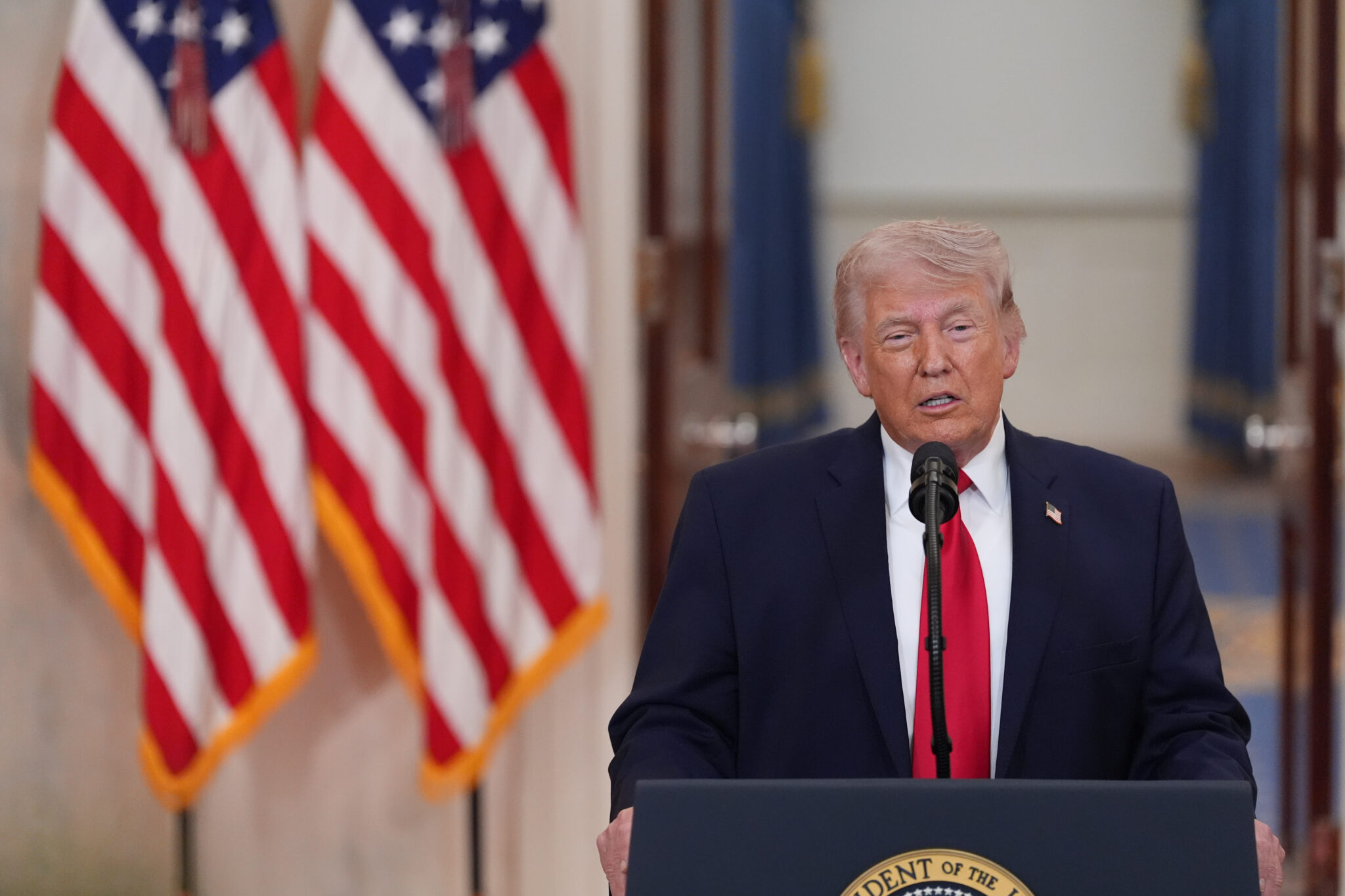
President Donald Trump said Wednesday that the United States is considering a “joint venture” with Iran to manage and secure shipping through the Strait of Hormuz, signaling a potential shift toward cooperation between longtime adversaries following a newly announced ceasefire.
Trump revealed the proposal during a brief interview with ABC News chief Washington correspondent Jonathan Karl, according to comments shared on Good Morning America. The president suggested the two countries could collaborate to ensure safe passage through one of the world’s most critical energy corridors.
“We’re thinking of doing it as a joint venture. It’s a way of securing it – also securing it from lots of other people,” Trump said. He described the idea as “a beautiful thing.”
Strategic Importance of the Strait of Hormuz
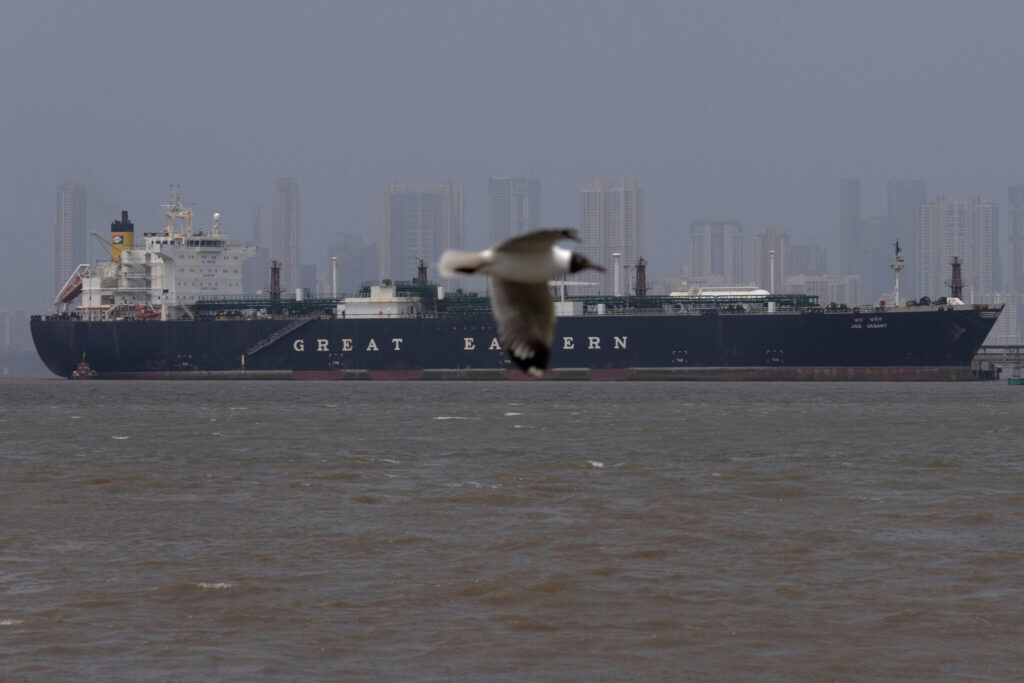
The Strait of Hormuz is one of the world’s most important shipping routes, carrying a significant portion of global oil and natural gas supplies. Before the recent conflict, roughly 20 million barrels of oil per day passed through the narrow waterway between Iran, Oman, and the United Arab Emirates.
The waterway became a focal point during the U.S.-Iran conflict when Iran restricted traffic, triggering global energy market concerns and rising oil prices.
Trump’s proposal suggests the United States and Iran could jointly manage security operations, potentially stabilizing global energy supplies and reducing tensions in the region.
Toll System Under Consideration
Trump’s comments came after Karl asked whether Iran would be allowed to impose tolls on vessels passing through the strait.
The president did not provide details but indicated that economic cooperation could be part of the arrangement. It remains unclear whether ships would be charged fees, how revenue would be shared, or how security responsibilities would be divided.
Such an arrangement would mark a major shift in U.S.-Iran relations, which have been defined by decades of hostility and sanctions.
Peace Talks Expected Soon
Trump also said formal peace negotiations between the United States and Iran could begin as soon as Friday. He suggested the talks could progress quickly following the ceasefire agreement.
The proposal follows a two-week ceasefire announced Tuesday, aimed at reducing tensions after weeks of military conflict.
Despite signaling cooperation, Trump maintained a firm stance on Iran’s nuclear program.
“There won’t be any enrichment,” Trump said, reiterating the U.S. position that Iran must halt uranium enrichment.
Iran has repeatedly rejected that demand, insisting it has the right to enrich uranium for civilian purposes.
US Military Presence to Continue
Trump also indicated U.S. military forces would remain in the region during negotiations to ensure stability and enforce ceasefire conditions.
The continued military presence reflects concerns that tensions could quickly escalate if negotiations fail.
Trump also said China played a role in facilitating diplomatic outreach with Iran, highlighting broader international involvement in negotiations.
Uncertainty Remains
While Trump’s joint venture proposal signals a potential breakthrough, major questions remain:
- Whether Iran agrees to partnership terms
- How tolls or revenue sharing would work
- Security responsibilities in the strait
- Nuclear program negotiations
Officials have not released further details, and Iran has not publicly confirmed the proposal.
Potential Shift in Relations
If implemented, the joint venture would represent one of the most significant changes in U.S.-Iran relations in decades.
The plan also reflects the strategic importance of the Strait of Hormuz, which remains central to global energy markets and regional security.
With peace talks expected soon, the proposal could shape negotiations and determine whether the ceasefire evolves into a long-term agreement.