Hegseth Warns Iran to ‘Choose Wisely’ or Face Continued Blockade/ Newslooks/ WASHINGTON/ J. Mansour/ Morning Edition/ Defense Secretary Pete Hegseth warned Iran to accept a deal or face continued blockade and possible military escalation. US forces are rearming during a ceasefire while maintaining pressure across multiple fronts. Tensions rise as the US enforces a global blockade and monitors Iran’s military recovery efforts.
Hegseth Warning Iran Blockade Quick Looks
- Hegseth urges Iran to “choose wisely”
- US maintains blockade on Iranian ports
- Military ready to resume combat operations
- Troops rearming and adapting during ceasefire
- China denies plans to supply weapons to Iran
- US warns ships attempting to bypass blockade
- Global enforcement targets vessels aiding Iran
Deep Look
Hegseth Issues Stark Warning to Iran
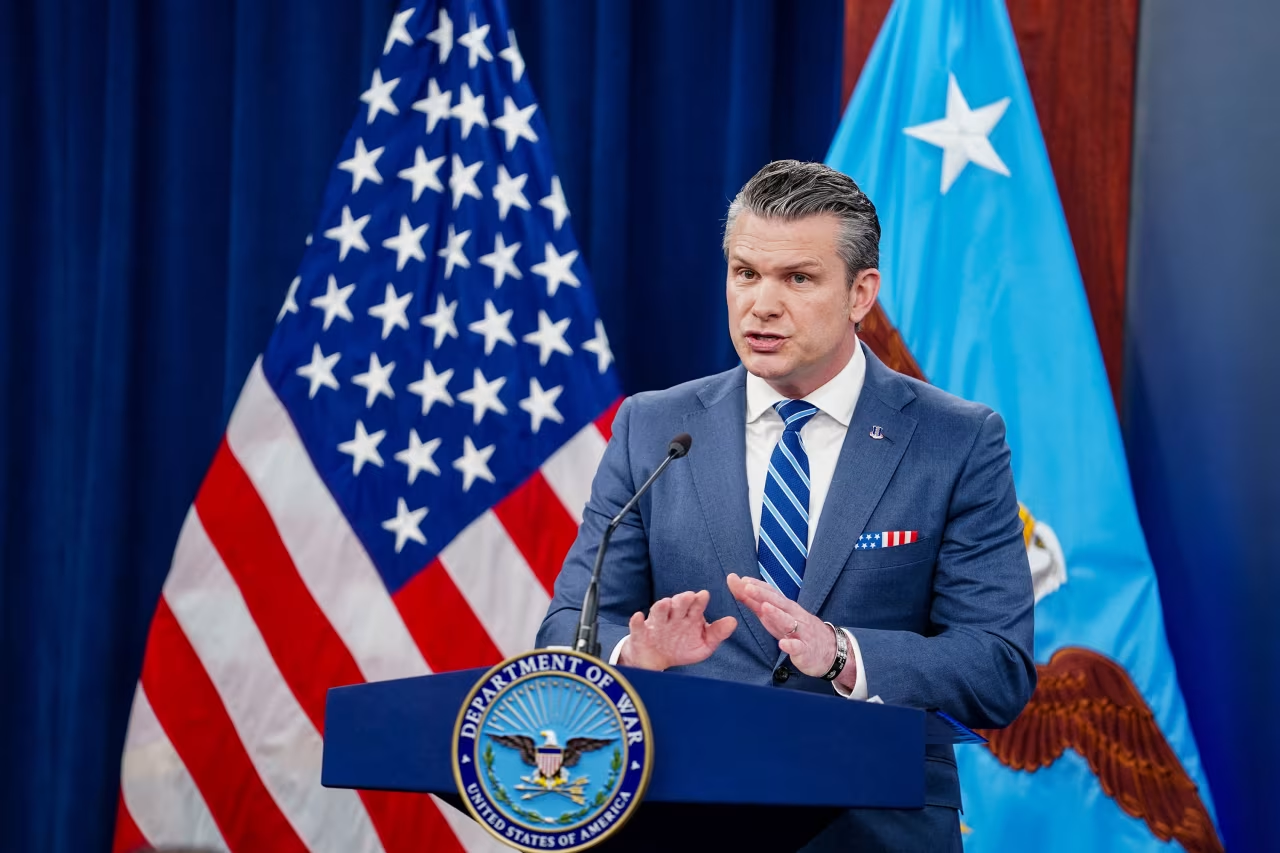
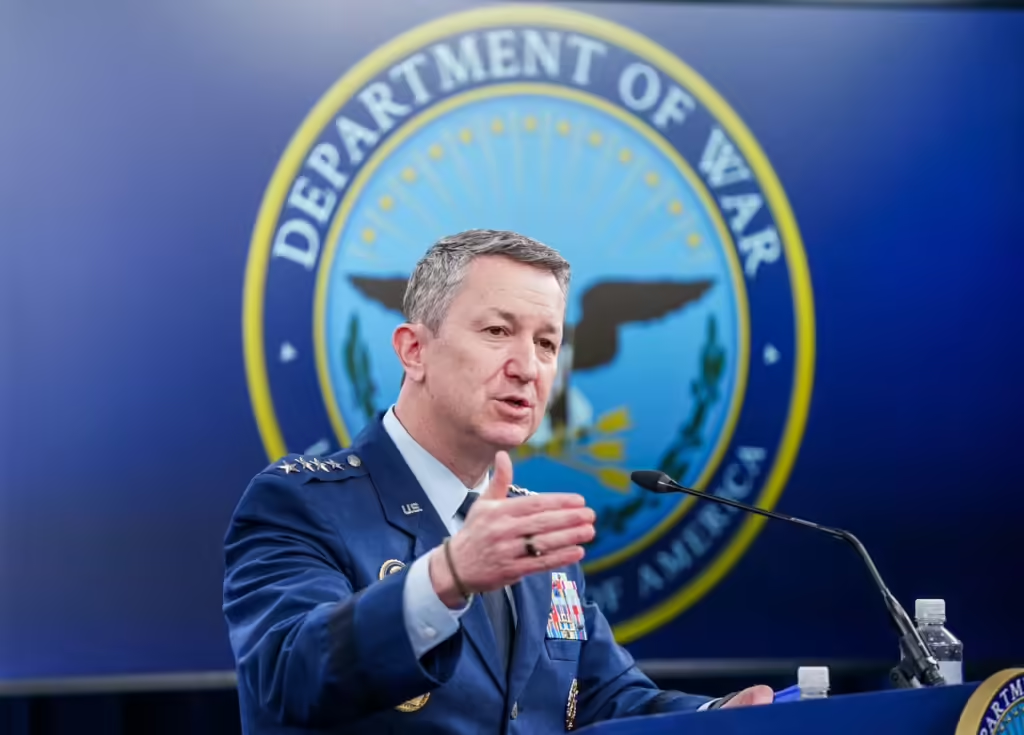
US Defense Secretary Pete Hegseth delivered a blunt message to Iranian leadership, urging them to make a decisive choice between diplomacy and further escalation. Speaking at a Pentagon briefing, Hegseth emphasized that the United States will continue enforcing a naval blockade and economic pressure campaign for as long as necessary.
He made it clear that the consequences of defiance could be severe. According to Hegseth, failure to pursue a diplomatic solution would not only prolong the blockade but could also trigger direct military strikes targeting Iran’s infrastructure, including energy and power facilities. Alongside military pressure, the US Treasury Department is intensifying sanctions to weaken Iran’s economic stability.
Hegseth framed the situation as an opportunity for Iran to secure a better future, urging leaders to act in the interest of their citizens and global stability.
US Military Remains Ready Despite Ceasefire
Even as a temporary ceasefire holds, US military leadership has made it clear that readiness remains a top priority. Chairman of the Joint Chiefs of Staff Gen. Dan Caine reinforced that American forces are fully prepared to resume large-scale combat operations if necessary.
This pause in active fighting is not a sign of reduced vigilance. Instead, it is being used strategically to maintain pressure while preparing for any potential escalation. The Pentagon continues to signal that the ceasefire is conditional and fragile.
Troops Rearming and Adapting in the Region
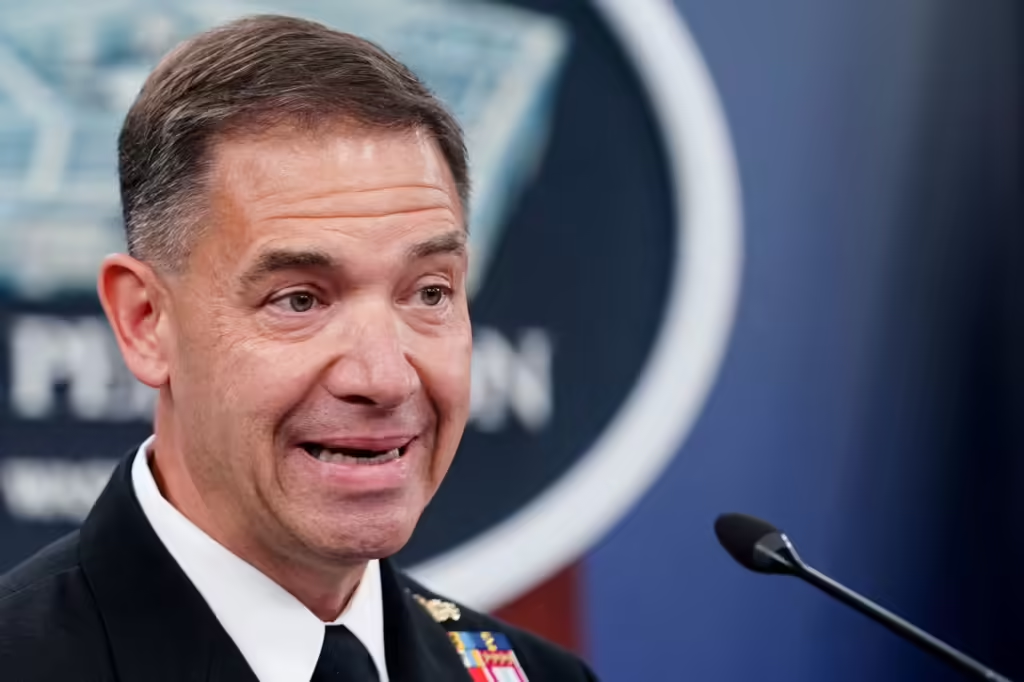
US Central Command chief Adm. Brad Cooper highlighted that American troops stationed in the Middle East are actively using the ceasefire period to strengthen their capabilities. According to Cooper, forces are rearming, refining operational tactics, and adjusting strategies based on recent combat experiences.
He described troop morale as high, noting that personnel remain motivated and focused. The US military is leveraging this period to improve efficiency and readiness, ensuring it can respond quickly if hostilities resume.
China Assures US It Will Not Arm Iran
Amid concerns about international involvement, Hegseth addressed reports suggesting that China might supply weapons to Iran. He stated that US officials have received assurances from Chinese leadership that such transfers will not occur.
This follows diplomatic exchanges between President Donald Trump and Chinese President Xi Jinping, where the issue was directly raised. Despite intelligence reports hinting at possible arms shipments, US officials appear cautiously optimistic that China will refrain from escalating the conflict.
Trump is expected to visit Beijing soon, where the matter could be further discussed at a high level.
Iran Struggles to Rebuild Military Capabilities
Hegseth also claimed that Iran is currently working to recover from significant damage to its military infrastructure. He said Iranian forces are attempting to retrieve missiles and launch systems from previously targeted sites.
According to US assessments, Iran faces serious limitations in rebuilding its arsenal. Hegseth argued that the country lacks the industrial capacity to replace destroyed equipment, leaving its offensive and defensive capabilities weakened.
Satellite imagery has supported these claims, showing ongoing excavation efforts at damaged facilities.
US Enforces Strict Naval Blockade
The United States has implemented a sweeping maritime blockade targeting vessels traveling to and from Iranian ports. Gen. Dan Caine detailed how ships attempting to bypass the blockade are being warned and, if necessary, threatened with force.
US forces have issued direct communications to vessels, warning them to turn back or face boarding and possible seizure. The blockade applies universally, regardless of a ship’s nationality, and extends into both international waters and Iran’s territorial seas.
So far, multiple ships have complied and reversed course, avoiding confrontation.
Global Crackdown on Support for Iran
Beyond the immediate region, the US military is expanding its enforcement efforts globally. American forces are actively monitoring and pursuing vessels suspected of providing material support to Iran, including those transporting oil through illicit channels.
These operations extend into other strategic regions, such as the Pacific, demonstrating the broad scope of US efforts to isolate Iran economically and militarily.
The mission involves significant resources, including thousands of personnel, numerous naval vessels, and a wide range of aircraft. Officials say this coordinated approach is designed to cut off supply lines and increase pressure on Tehran.