Europe Has ‘6 Weeks of Jet Fuel Left,’ Energy Agency Head Warns/ Newslooks/ WASHINGTON/ J. Mansour/ Morning Edition/ Europe could run out of jet fuel within weeks due to disruptions from the Iran war. Energy experts warn of flight cancellations and rising global economic risks. The Strait of Hormuz blockade continues to threaten global energy supplies.
Europe Jet Fuel Crisis Quick Looks
- Europe may have only six weeks of jet fuel
- Iran war disrupts global oil and gas flows
- Airlines could soon cancel flights
- Rising fuel costs driving ticket price increases
- Developing countries expected to suffer most
- Strait of Hormuz remains critical chokepoint
Deep Look
Europe Faces Looming Jet Fuel Shortage
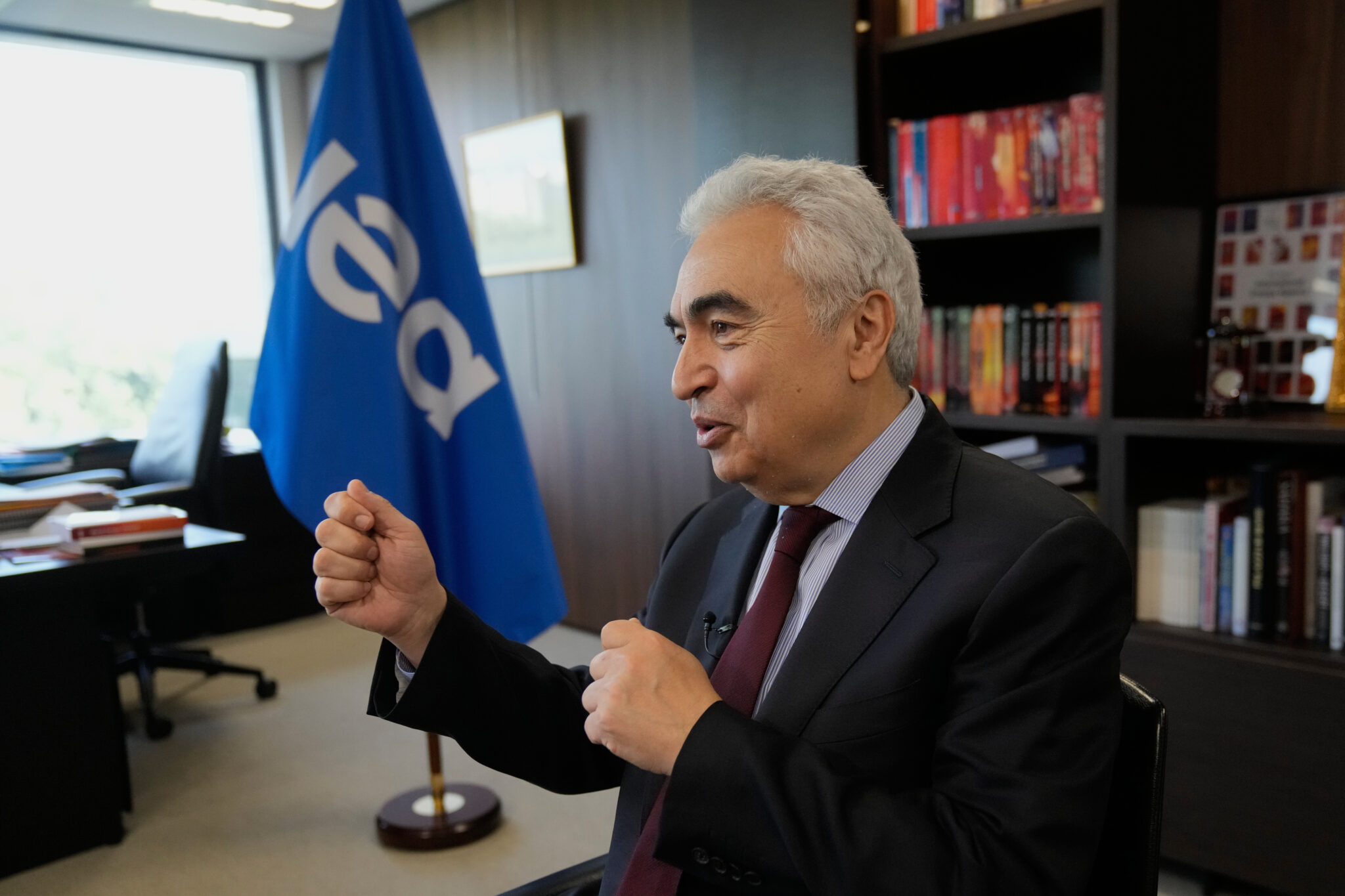
Europe is facing a potential aviation crisis, with energy officials warning that jet fuel supplies could run dangerously low within weeks. According to the head of the International Energy Agency (IEA), current reserves may last only about six weeks if supply disruptions linked to the Iran conflict continue.
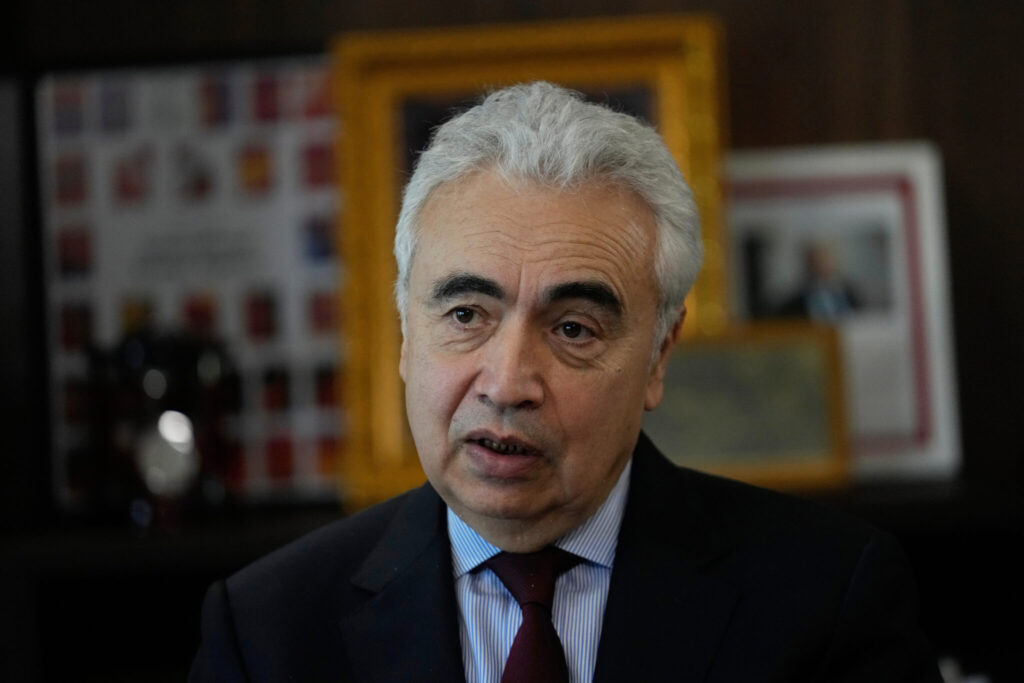
IEA Executive Director Fatih Birol painted a sobering picture of the global repercussions of what he called “the largest energy crisis we have ever faced,” stemming from the pinch-off of oil, gas and other vital supplies through the Strait of Hormuz.
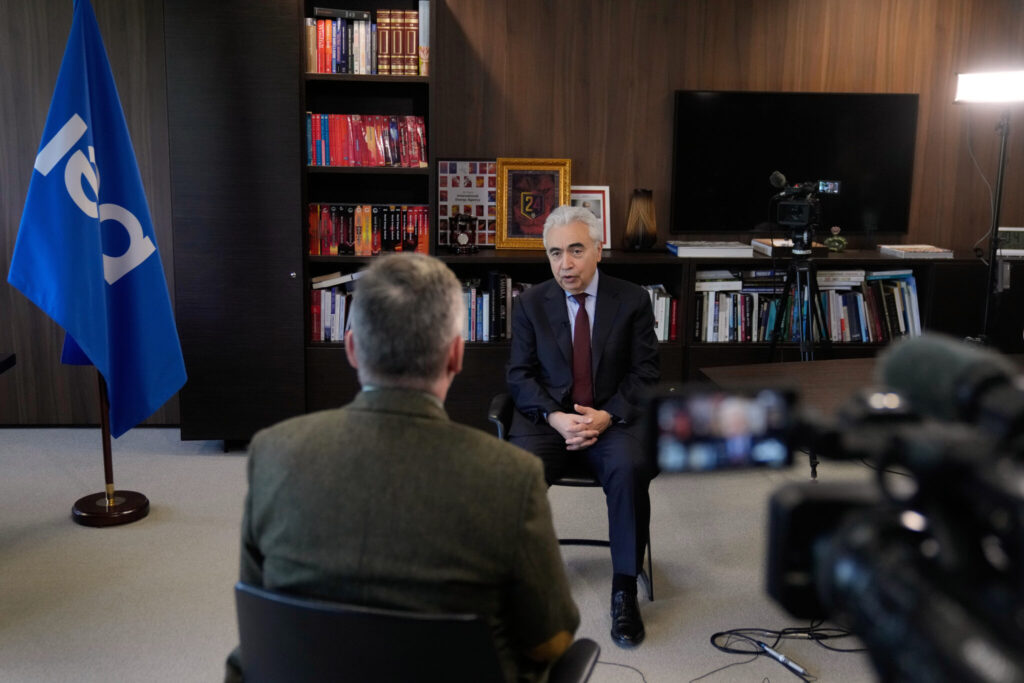
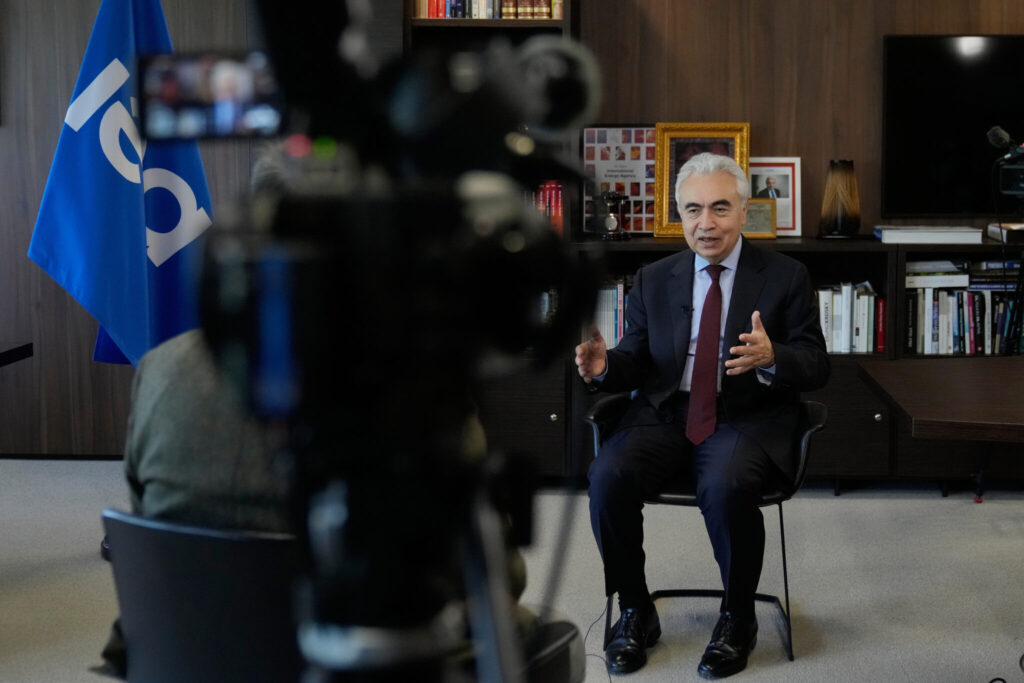
“In the past there was a group called ‘Dire Straits.’ It’s a dire strait now, and it is going to have major implications for the global economy. And the longer it goes, the worse it will be for the economic growth and inflation around the world,” he told The Associated Press.
The impact will be “higher petrol (gasoline) prices, higher gas prices, high electricity prices,” said Birol, speaking in his Paris office looking out over the Eiffel Tower.
Economic pain will be felt unevenly and “the countries who will suffer the most will not be those whose voice are heard a lot. It will be mainly the developing countries. Poorer countries in Asia, in Africa and in Latin America,” said the Turkish economist and energy expert who has led the IEA since 2015.
But without a settlement of the Iran war that permanently reopens the Strait of Hormuz, “Everybody is going to suffer,” he added.
“Some countries may be richer than the others. Some countries may have more energy than the others, but no country, no country is immune to this crisis,” he said.
In Europe, we have maybe six weeks or so (of) jet fuel left,” he said. “If we are not able to open the Strait of Hormuz … I can tell you soon we will hear the news that some of the flights from city A to city B might be canceled as a result of lack of jet fuel.”
This alarming forecast raises the prospect of widespread flight disruptions across the continent, signaling one of the most immediate consequences of the broader global energy crisis.
Strait of Hormuz at Center of Crisis
At the heart of the problem is the Strait of Hormuz, a vital global shipping route through which roughly one-fifth of the world’s oil typically flows. Ongoing conflict has significantly restricted access to this key waterway, cutting off supplies of oil, gas, and other energy resources.
Birol added: “Many government leaders tell me that if Hormuz is not open until (the) end of May, many countries — starting from the weaker economies — are going to face huge challenges, and this will go from the high inflation numbers to coming close to slow growth or even to recession in some cases.”
Birol spoke out against the so-called “toll booth” system that Iran has applied to some ships, letting them travel through the strait for a fee. He said allowing that to become more permanent would run the risk of setting a precedent that could then be applied to other waterways, including the vital Malacca Strait in Asia.
“If we change it once, it may be difficult to get it back,” he said. “It will be difficult to have a toll system here, applied here, but not there.”
“I would like to see that the oil flows unconditionally from the point A to point B,” he said.
Energy experts warn that unless the strait is fully reopened soon, the ripple effects will intensify, affecting industries and economies worldwide.
Airlines Brace for Disruptions
Airlines are already beginning to feel the strain of rising fuel costs. While some carriers report no immediate shortages, the financial pressure is mounting. Increased fuel expenses are forcing airlines to cut routes, reduce flight frequency, and raise ticket prices.
“Over 80 key assets in the region have been damaged. And out of these 80, more than one third are severely or very severely damaged,” Birol said.
“It will be extremely optimistic to believe that it will very quick,” Birol said. “It will take gradually, gradually, up to two years to come back where we were before the war.”
Travelers may soon face not only higher costs but also limited flight availability. If the situation persists, cancellations could become widespread, particularly on less profitable routes.
Global Economic Impact Deepens
The energy crisis is expected to have far-reaching consequences beyond aviation. Higher fuel prices are driving up the cost of goods and services, contributing to inflation across multiple sectors.
Economists warn that prolonged disruption could slow economic growth or even push some countries toward recession. The effects are likely to be uneven, with developing nations facing the greatest challenges due to limited resources and higher vulnerability to price shocks.
Energy Infrastructure Damage Complicates Recovery
Even if a peace agreement is reached, the path to recovery may be slow. Significant damage to energy infrastructure in the Persian Gulf region has reduced production capacity, limiting the ability to quickly restore supply levels.
Dozens of key facilities have reportedly been damaged, with some requiring extensive repairs. Experts estimate it could take months or even years for production to return to pre-conflict levels.
Global Supply Bottlenecks Persist
Adding to the crisis, numerous oil tankers and liquefied natural gas carriers remain stuck in the Persian Gulf, unable to reach global markets. While these shipments could help ease shortages, they are insufficient to fully stabilize supply.
The ongoing bottleneck underscores the fragility of global energy systems and the importance of maintaining secure shipping routes.
Long-Term Energy Shifts Ahead
The crisis may accelerate long-term changes in global energy strategy. Governments and industries are likely to increase investment in alternative energy sources, including nuclear power and renewables, to reduce dependence on vulnerable supply routes.
Experts say the current situation could reshape global energy markets for years to come, highlighting the deep connection between geopolitics and energy security.
The global shock could spur the embrace of other energy technologies, including nuclear power, and “will reshape the global energy map for the next years to come,” he said.
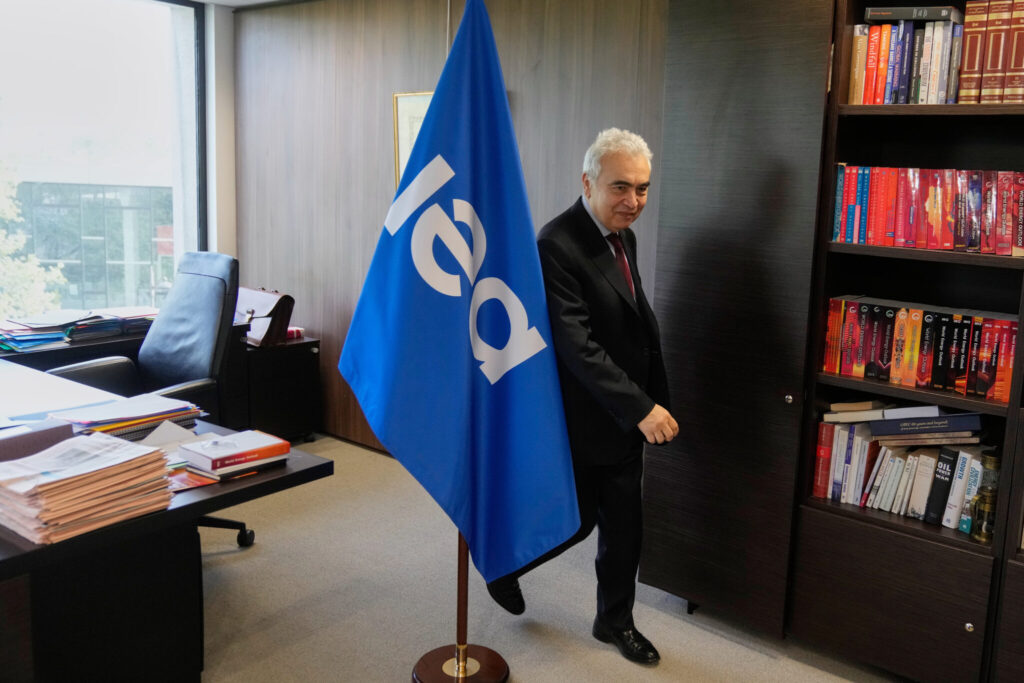
On his office shelves, Birol has a couple of soccer balls — he’s a devoted supporter of the Turkish club Galatasaray — and other memorabilia, including a photo of his late father playing soccer, and reams of books. One in particular stood out for its timely title: Oil, Power and War.
“Energy and geopolitics have been always interwoven,” Birol said. “But I have never, ever seen … such a dark and long shadow of geopolitics.”
He added: “Unfortunately, energy is at the heart of many conflicts which, again, makes me, as an energy person, rather sad, to be honest.”