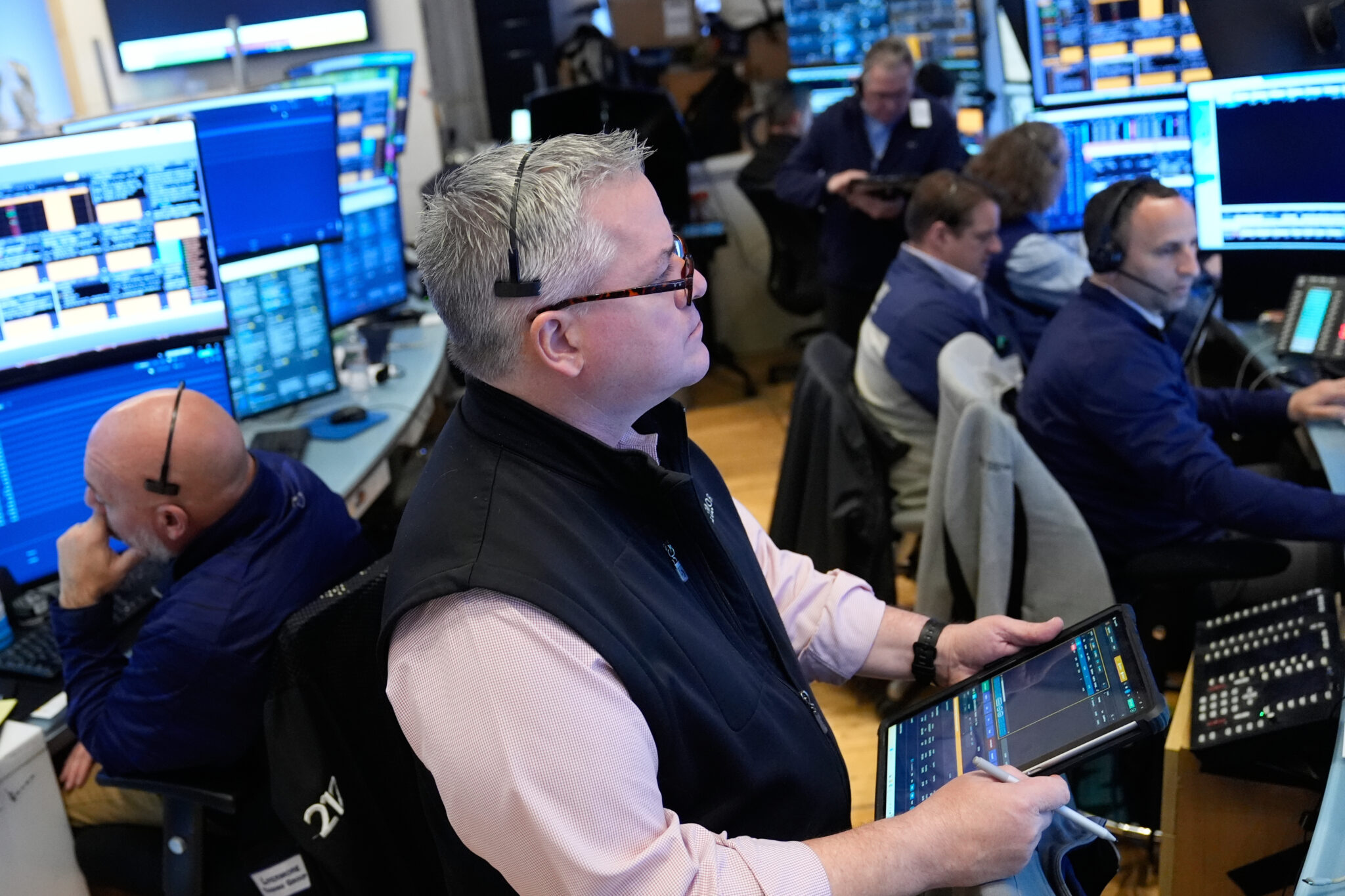
Oil Prices Drop 10%, Wall Street Rallies As Strait of Hormuz Reopens/ Newslooks/ WASHINGTON/ J. Mansour/ Morning Edition/ Oil prices plunged over 10% after the Strait of Hormuz reopened. Wall Street surged, pushing major indexes toward record highs. Optimism grows that U.S.-Iran tensions may soon ease.
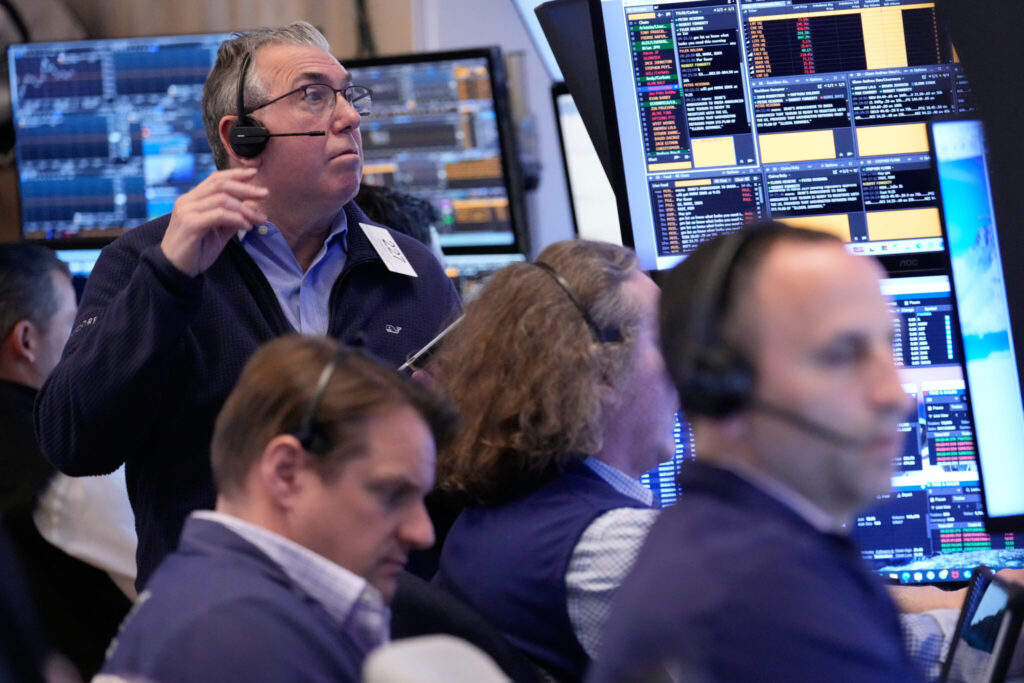
Oil Prices Drop After Strait Reopening Quick Looks
- Oil prices fall sharply after shipping resumes
- S&P 500, Dow, Nasdaq all post strong gains
- Markets rally on hopes of easing global tensions
- U.S. crude drops over 10%, Brent falls similarly
- Strong corporate earnings boost investor confidence
- Netflix stock drops despite profit beat
- Global markets react positively, especially in Europe
Deep Look
Oil Prices Plunge as Key Shipping Route Reopens
Oil prices dropped dramatically on Friday after Iran confirmed that the Strait of Hormuz is fully open, allowing oil tankers to resume transporting crude from the Persian Gulf to global markets. The move eased fears of prolonged supply disruptions that had rattled investors for weeks.
The price of benchmark U.S. crude fell 10.8% to $81.28 per barrel, while Brent crude, the international standard, declined 10.3% to $89.13. Despite the sharp drop, prices remain higher than pre-conflict levels, suggesting that some uncertainty still lingers in the market.
Wall Street Rallies Toward Record Highs
U.S. stock markets responded enthusiastically to the news, extending a strong rally that has been building for weeks. The S&P 500 rose 0.8%, marking its third consecutive week of solid gains. Meanwhile, the Dow Jones Industrial Average surged by 678 points, or 1.4%, and the Nasdaq composite climbed 1%.
The recent surge means stocks have jumped more than 11% since hitting a low point in late March. Investors have been increasingly optimistic that the United States and Iran can avoid a worst-case economic scenario despite ongoing conflict.
President Donald Trump reinforced that sentiment, stating in a speech that the war “should be ending pretty soon,” adding to market confidence.
Market Volatility Remains a Risk
Despite the upbeat momentum, markets have shown a pattern of rapid shifts between optimism and concern since the conflict began. Investors have repeatedly reacted to headlines about potential escalations or peace efforts, causing sharp swings across stocks, bonds, and commodities.
Even with the reopening of the Strait of Hormuz, analysts caution that financial markets remain sensitive to geopolitical developments, and volatility could persist if tensions flare again.
Corporate Earnings Add Support to Stocks
Another key factor driving the rally is a strong start to the corporate earnings season. Several major U.S. companies have reported profits exceeding analysts’ expectations, boosting investor sentiment.
State Street shares rose 2.9%, while Fifth Third Bancorp gained 1.9% after both companies delivered better-than-expected quarterly results.
However, not all companies shared in the gains. Netflix saw its stock tumble 11.5%, even though it reported stronger profits than analysts predicted. Investors appeared disappointed that the company did not raise its full-year revenue forecast.
Netflix also announced that cofounder and chairman Reed Hastings will step down from its board in June when his term expires, adding another layer of uncertainty for investors.
Global Markets React to Oil and Geopolitics
International markets also reflected the shifting sentiment. In Europe, stock indexes surged following the announcement about the Strait of Hormuz reopening. France’s CAC 40 rose 2%, and Germany’s DAX gained 2.2%.
In contrast, Asian markets closed before the news broke and posted losses for the day. Japan’s Nikkei 225 dropped 1.8%, while Hong Kong’s Hang Seng declined 0.9%.
The divergence highlights how quickly global sentiment can change based on geopolitical developments.
Bond Yields Ease as Inflation Pressures Decline
In the bond market, Treasury yields fell as declining oil prices reduced concerns about inflation. The yield on the 10-year Treasury dropped to 4.24% from 4.32% the previous day.
Lower yields typically indicate increased demand for safer assets, but in this case, they also reflect expectations that falling energy costs could ease pressure on the broader economy.